
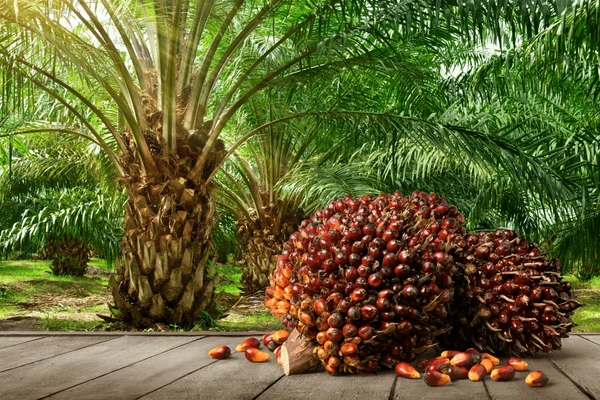
In the context of global climate change, the efficient utilization of agricultural waste to achieve resource recycling has become a critical issue for sustainable agriculture worldwide. Oil palm empty fruit bunches (EFB), a major by-product of palm oil production, have long been treated as waste, decomposing naturally or being incinerated, which not only wastes resources but also exacerbates greenhouse gas emissions. However, recent studies show that properly processed EFB can serve as an excellent soil conditioner, significantly improving soil properties and increasing crop yields.
Resource Potential and Processing Methods of EFB
Globally, approximately 99 million tons of EFB are produced annually. In Ghana alone, daily EFB production reaches 390 tons. Such vast amounts of organic waste, if utilized effectively, could greatly promote sustainable agricultural development. EFB is primarily applied in four forms: direct mulching, biochar, compost, and ash. Different processing methods directly influence its effectiveness as a fertilizer.
EFB’s Role in Promoting Crop Growth
A meta-analysis of 19 studies revealed that, compared to unamended soil, EFB application increased crop growth and yield by an average of 49.2%. Among the various forms, EFB biochar showed the most significant effect, increasing yield by up to 78.4%, followed by mulching (33.8%), composting (30.9%), and ash (21.0%). When EFB was co-applied with mineral fertilizers or other materials, crop yield still increased by 16.4%.
Key Factors Influencing EFB’s Effectiveness
The yield-enhancing effects of EFB are moderated by several factors:
Experimental Environment: Effects under greenhouse conditions were superior to those in open fields, with a difference of approximately 68%, mainly due to uncontrollable environmental variables in the field.
Soil Texture: EFB showed the most significant improvement in coarse-textured soils like sandy soil, with lesser effects on clay soil, indicating its greater potential for improving impoverished soils.
Crop Type: Although effects varied slightly among crops, EFB generally had a positive impact on all crop types.
Mechanisms of EFB in Soil Improvement
EFB is rich in nutrients such as potassium and nitrogen. Its application improves soil through the following pathways:
Biochar: Enhances soil porosity, water retention, and nutrient holding capacity, particularly raising the pH of acidic soils and promoting phosphorus uptake.
Compost: Reduces the carbon-to-nitrogen ratio, promotes nutrient release, and increases soil organic matter and microbial activity.
Direct Mulching: Suppresses weeds, reduces soil erosion, and gradually releases nutrients during decomposition.
Sustainable Agriculture and Climate-Smart Choices
In resource-poor regions like sub-Saharan Africa, EFB offers smallholder farmers a low-cost, accessible soil improvement option. Moreover, converting EFB into biochar or compost contributes to carbon sequestration and emission reduction, achieving dual benefits for agriculture and the climate. For example, co-composting EFB with palm oil mill effluent can reduce greenhouse gas emissions by up to 76%.
Challenges and Prospects
Despite its promising potential, EFB application faces several challenges:
Cost-Benefit Analysis: Converting EFB into biochar or compost requires additional investment, and its economic feasibility must be evaluated based on local conditions.
Nutrient Release Dynamics: The release of nutrients from EFB is influenced by soil and environmental factors, necessitating further research for precise application.
Resource Competition: EFB can also be used as fuel or industrial raw material, requiring integrated planning for its optimal utilization.
From Waste to Resource: Industrial Pathways for OPEFB Fertilizer
The valorization of Oil palm empty fruit bunch (OPEFB) is a key strategy in sustainable agriculture, unlocking the potential of its unique oil palm empty fruit bunch composition. The most effective uses of oil palm empty fruit bunch often involve transforming it through an efficient organic fertilizer fermentation process. This requires sophisticated fermentation composting turning technology to optimize decomposition, implemented using equipment like the chain compost turning machine or for large-scale operations.
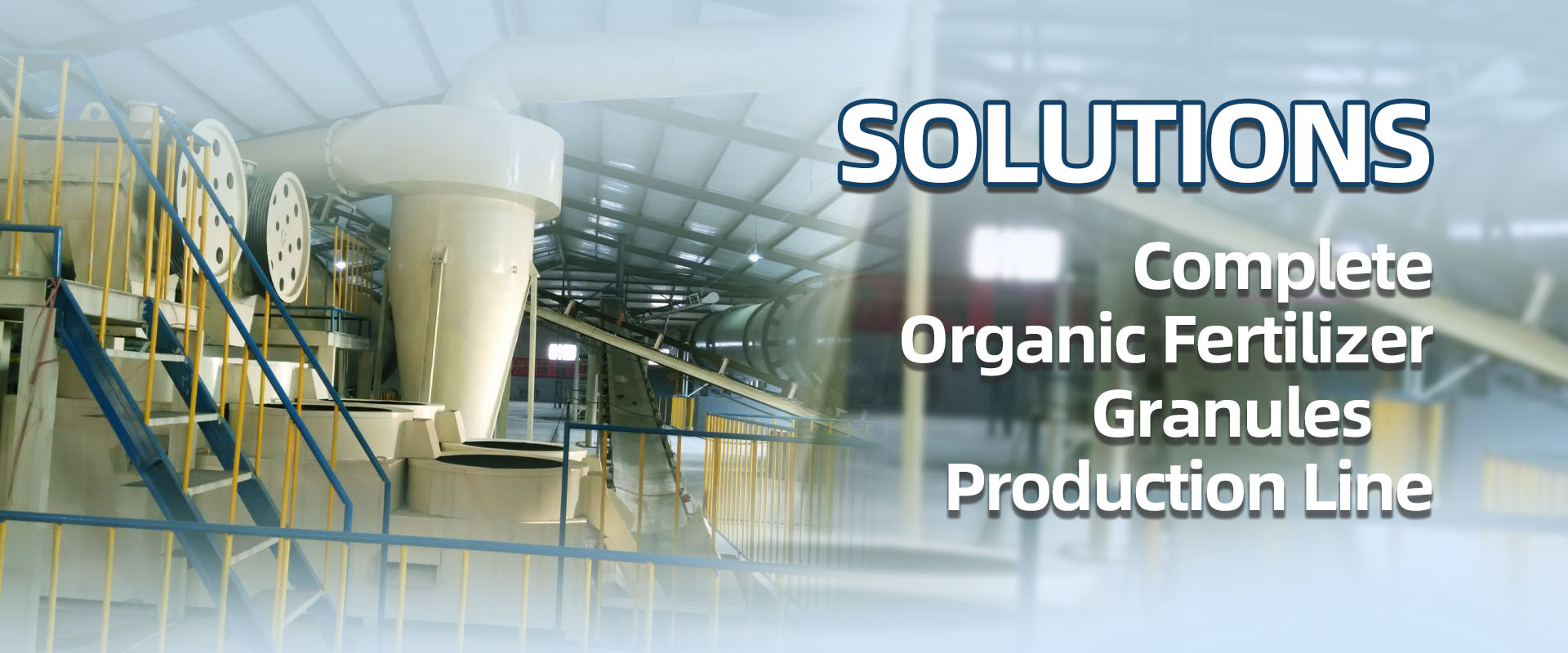
Following complete stabilization, the composted OPEFB can be integrated into a formal organic fertilizer production line. To create a market-ready product, this line typically includes a granulation stage. Innovative equipment such as a new type two in one organic fertilizer granulator efficiently mixes and shapes the material into uniform pellets. For enhanced value, this process can be configured as a bio organic fertilizer production line, inoculating the compost with beneficial microbes. This systematic approach demonstrates a complete industrial workflow for converting a major agricultural by-product into high-quality, soil-enhancing fertilizers, supporting both circular economies and climate-resilient farming.
Conclusion
The utilization of oil palm empty fruit bunches as fertilizer not only addresses waste management challenges but also provides a viable pathway for enhancing soil fertility and climate resilience in global agriculture, particularly in tropical regions. Moving forward, through deeper research, optimized technologies, and policy support, EFB is poised to play an increasingly significant role in sustainable agriculture, contributing to both food security and ecological conservation.