Ton Bag Fertilizer Packaging Machine: A Powerful Tool for Large-Capacity Packaging in Mass Production

As the fertilizer and chemical industries develop towards large-scale and intensive production, the demand for large-capacity packaging is increasing daily. Ton bag fertilizer packaging machines (also known as large bag packaging machines), as automated equipment specifically designed for large-capacity packaging, have become core equipment for bulk material packaging due to their precise weighing control, high efficiency, and fully automated operation. They provide comprehensive solutions for enterprises to improve production efficiency, reduce costs, and ensure packaging safety.

The core advantage of the ton bag fertilizer packaging machine stems from its scientifically designed and sophisticated structure, with various systems working together to achieve fully automated operation. The equipment mainly consists of six core parts: a material feeding system, a weighing system, a packaging actuator, a control system, a conveying system, and a dust removal system. The feeding system, comprising a hopper and a screw or vibrating feeder, is responsible for material pretreatment and stable supply, ensuring a continuous and smooth feeding process. The weighing system employs high-precision electronic weighing devices, often equipped with suspended weighing systems, suitable for accurately weighing heavy materials, ensuring that the weight error of each bag is controlled within a reasonable range. The packaging execution mechanism, through the coordinated operation of bag clamping devices, filling mechanisms, and sealing equipment, completes the fixing of the ton bags, material filling, and sealing, ensuring the airtightness and stability of the packaging.

Its workflow is clear and efficient, achieving full automation from empty bag preparation to finished product stacking. First, empty ton bags are precisely transported to the packaging position via a conveyor system and securely fixed by a bag clamping device to prevent displacement or leakage during filling. Then, material is fed into the ton bags at a uniform speed via a feeder, and an electronic weighing system monitors the weight in real time. When the preset weight is reached, the feeding system immediately stops feeding to ensure accurate weight measurement. After filling, the sealing equipment seals the ton bags to prevent leakage during storage and transportation. Finally, the sealed ton bags are transported to a designated area by a conveyor system, where they can be automatically stacked with an automatic stacking system, significantly reducing manual handling.

The ton bag fertilizer packaging machine possesses five core features: high-precision weighing, large-capacity packaging, high automation, strong adaptability, and environmentally friendly design. It is specifically designed for large-capacity packaging needs ranging from 1 ton to several tons, precisely matching the pace of large-scale production. The fully automated operation fundamentally reduces manual operation, lowering labor intensity and labor costs. The equipment is not only suitable for ton bag packaging of various fertilizers but also adaptable to different types of bulk materials such as chemical raw materials and mineral powders, including powdered and granular materials, demonstrating extremely high adaptability. Meanwhile, the dust removal system effectively collects dust generated during the packaging process, preventing environmental pollution and maintaining a clean production environment. The user-friendly human-machine interface makes parameter settings convenient and easy to understand, significantly reducing operation and maintenance difficulties.

In the context of large-scale production, ton-bag fertilizer packaging machines, with their high efficiency, precision, and stable performance, have become the preferred equipment for large-capacity packaging in the fertilizer and chemical industries. Their application not only improves enterprise production efficiency and packaging quality but also promotes the automation and green transformation of industry production models, providing solid support for the back-end support of large-scale production and helping enterprises gain an advantage in fierce market competition.

The Final Link in an Integrated Production Chain

The ton-bag packaging machine represents the essential final stage in a modern, high-volume fertilizer manufacturing operation. Its high-speed, automated operation is critical for efficiently handling the output of a large-scale production facility, completing the value chain from raw material to shippable product.

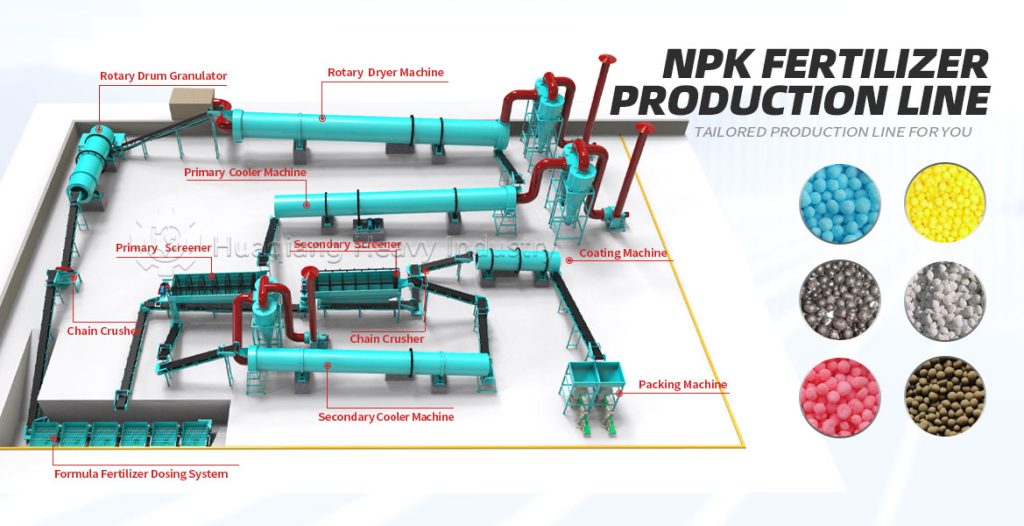
This packaging unit is designed to receive the finished granules from upstream professional fertilizer manufacturing equipment. For mineral-based products, it would typically be connected to the end of a complete npk fertilizer production line, which includes an npk blending machine for formulation and various granulation options like a disc granulation production line using a disc granulator machine, or a roller press granulator production line. For organic products, it would receive output from an organic fertilizer production line, which might begin with a windrow composting machine and use an organic fertilizer disc granulation machine for shaping. Regardless of the source—be it a bio organic fertilizer production line or a standard NPK line—the high-capacity packager is the common endpoint that prepares the product for bulk logistics, seamlessly integrating into the overall npk fertilizer production process.

Thus, the efficiency of the entire plant, from blending and granulation to packaging, depends on the synergy between each specialized piece of equipment, with the ton-bag packager ensuring the final product is delivered to market efficiently and reliably.

Organic Fertilizer Production Line with Combined Granulation Enables Green Agriculture!

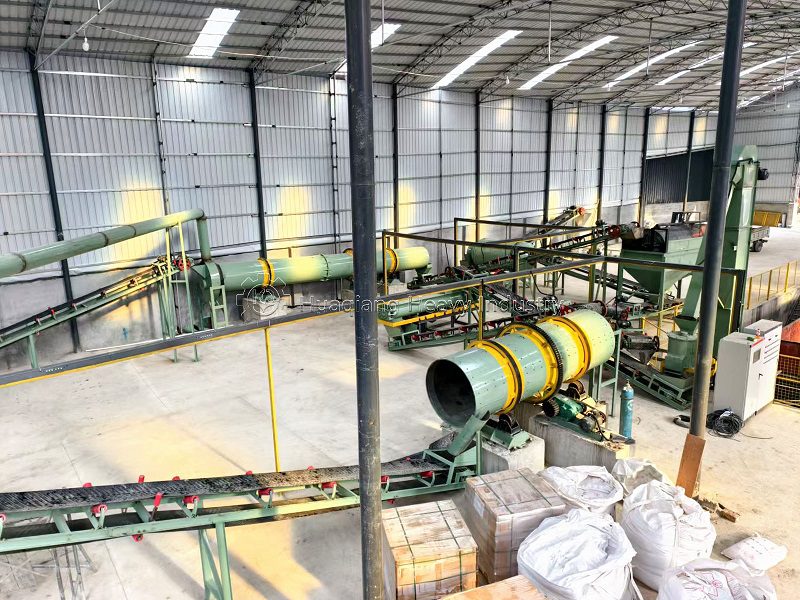
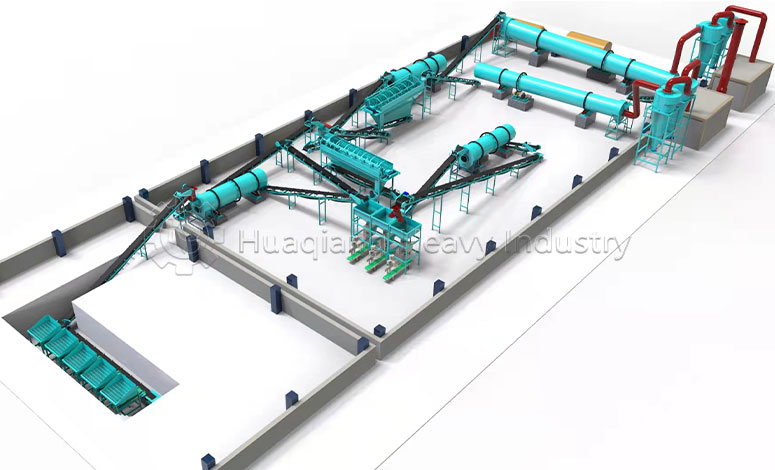
Recently, the organic fertilizer combined granulation production line built by Zhengzhou Huaqiang Heavy Industry successfully completed installation and commissioning, and officially entered large-scale production. This production line innovatively adopts a closed-loop process of “chain crushing + combined granulation + precision drying and cooling,” integrating the entire chain of raw material pretreatment, precise batching, compound granulation, and finished product post-processing. With its efficient and stable operating performance and green and environmentally friendly design concept, it provides a one-stop solution for the resource utilization of organic fertilizer, helping to turn agricultural waste into treasure.

Production Line Full Process Configuration and Core Details

Raw Material Pretreatment Unit: Laying a Solid Foundation for Clean Production

(I) Raw Material Feeding and Crushing

The production line starts with a 2×3 meter loader feeding hopper. Its large-capacity design adapts to the rapid feeding needs of bulk organic raw materials such as livestock and poultry manure, straw, and mushroom residue. The feed inlet is equipped with anti-spillage baffles and impurity filter grids, effectively removing large impurities such as stones and plastics, reducing the risk of equipment failure.

Raw materials are conveyed via a 6-meter belt conveyor to an 800-ton chain crusher. This equipment employs a high-strength chain crushing structure, with wear-resistant alloy blades that achieve a hardness of HRC58 or higher after heat treatment. It can crush large pieces of mature raw materials (particle size ≤100mm) into uniform particles ≤3mm, with a crushing efficiency of 8 tons/hour. The crushed material is then transferred to subsequent stages via a 9-meter belt conveyor. The equipment’s operating noise is controlled below 75dB, meeting industrial production noise standards.

(II) Grading, Screening, and Recycling

The crushed raw materials enter a 1.2×4.0-meter drum screen (document “12X4 meters” specification). This screen uses a single-layer high-precision mesh design, with adjustable mesh apertures to separate substandard coarse particles. Unqualified granules are returned to a 600-ton chain crusher via a 5-meter return conveyor belt for re-crushing, achieving a material utilization rate of 98% and ensuring uniform raw material fineness, thus guaranteeing subsequent batching and granulation. Qualified raw materials are systematically transferred to the batching stage via 7-meter and 9-meter conveyor belts.

Precise Batching and Mixing Unit: Ensuring Nutrient Balance

Equipped with a 4-compartment automatic weighing and batching machine, it can separately store the crushed organic main material, straw charcoal, trace elements, and functional microbial agents. Utilizing variable frequency weighing control technology, it precisely regulates the proportions of each component, with a batching error ≤ ±1%. The organic main material accounts for ≥80%, trace elements are added at 0.1%-0.5%, and functional microbial agents at 0.3%-0.8%, ensuring balanced fertilizer nutrients and compliance with national standards for organic fertilizers.

After batching, the materials are fed into a 400 twin-shaft mixer (described in the document as “400-shaft mixer”) via 11-meter and 13-meter belt conveyors. The equipment employs a counter-rotating impeller design with a wear-resistant coating on the impeller surface. During mixing, the materials undergo strong convection and shearing motion, resulting in a mixing uniformity error of ≤2%. The mixer is equipped with a spray humidification device to precisely adjust the raw material moisture content to 30%-35%, providing suitable humidity conditions for efficient granulation.

III. Core Combined Granulation Unit: Key to Efficient Molding

The mixed materials are temporarily stored in a buffer silo via a 6-meter belt conveyor, a powder feeder, and a 7-meter belt conveyor. The buffer silo stabilizes the material supply, preventing fluctuations in granulation quality due to uneven feeding. Subsequently, the materials are conveyed via an 11-meter belt conveyor to a 1000/1500 combined granulator (described in the document). This equipment is the core of the production line, integrating the advantages of two granulation modes. It adopts a “pre-compression + roll forming” composite process, suitable for organic raw materials with poor adhesion. The granulator features a built-in high-strength double-roller pre-compression device and a drum forming chamber. Loose materials are first pre-compressed into dense flakes, then shaped by the internal lifting plates and collisions within the drum, maintaining a stable granulation rate of over 90%. Particle size is uniformly controlled at 3-5mm, with a compressive strength exceeding 2.0MPa, preventing pulverization and fully meeting the needs of field application and long-distance transportation. The equipment is equipped with an automatic cleaning device to remove adhering materials from the chamber in real time, ensuring continuous operating efficiency.

Post-processing and Finished Product Output Unit: Quality Optimization and Efficient Delivery

(I) Drying and Cooling Solidification

The wet granules after granulation are conveyed via a 13-meter belt conveyor to a 1.8×18-meter dryer (document “18X18 meters” is the standard term). Hot air circulation heating is used, with biomass fuel or natural gas as the heat source. The drying temperature is precisely controlled at 60-80℃ to prevent the inactivation of functional bacteria due to high temperatures. The dryer features a built-in spiral lifting plate design, ensuring uniform heating of the material and reducing the moisture content of the granules from 30% to below 12%, with a drying uniformity error of ≤2%.

The dried granules are then conveyed via 3-meter and 12-meter belt conveyors to a 1.5×15-meter cooler (standard description in document “15X15 meters”). A counter-current cooling process is employed, using ambient air to rapidly reduce the granule temperature from 70-80℃ to room temperature ±3℃, further enhancing granule strength and moisture resistance. The cooling efficiency reaches 9 tons/hour.

(II) Grading, Screening, and Finished Product Storage and Packaging

The cooled granules are then conveyed via a 13-meter belt conveyor to a 1.5×6.0-meter drum screen (standard description in document “15X6 meters”). The double-layer screen design enables precise grading, achieving a 98% pass rate for qualified granules (3-5mm). A small amount of unqualified granules are returned to the granulation front end via a 9-meter return belt conveyor for reprocessing.

Qualified granules are temporarily stored in a sealed silo equipped with dehumidification and ventilation devices to prevent moisture absorption and clumping. The packaging process utilizes an automatic granule packaging scale, supporting rapid switching between 25kg and 50kg sizes, with a measurement error ≤ ±0.2kg and a packaging speed of 100 bags/hour. Simultaneously, the production line is equipped with an automatic powder packaging scale and a dedicated finished product silo, flexibly adapting to the packaging needs of powdered organic fertilizers and achieving dual product output of granules and powders.

Environmental Protection and Auxiliary Units: Green and Stable Operation

Dust Control: Pulse dust collectors are installed in the crushing, screening, and packaging stages, with a total air volume of 15,000 m³/h and a dust collection efficiency of over 99%. The workshop dust concentration is ≤10mg/m³, meeting national environmental protection standards. Collected dust is recycled back to the production process for reuse, reducing material waste.

Intelligent Control: Key equipment on the production line is equipped with operating status monitoring devices that provide real-time feedback on parameters such as equipment speed, material temperature, and material level, facilitating timely adjustments by operators and ensuring stable production. The equipment layout is scientific, with maintenance access provided at each stage, ensuring convenient future maintenance.

Core Advantages and Application Value of the Production Line:

The combined granulation process offers significant advantages, solving industry pain points such as poor cohesion of organic raw materials and low granulation rate. The finished granules are of excellent quality and have stable fertilizer efficacy.

The entire process adopts an environmentally friendly design, with high dust recovery and utilization rates. The drying heat source is compatible with clean energy, meeting the requirements of green agriculture development and contributing to the resource utilization of agricultural waste.

The equipment configuration is compact and reasonable, with a capacity suitable for the needs of small and medium-sized organic fertilizer production enterprises. It can process various organic raw materials and is suitable for multiple scenarios such as livestock and poultry waste treatment and straw resource utilization, with broad market application prospects.

The successful implementation of this organic fertilizer combined granulation production line demonstrates Zhengzhou Huaqiang Heavy Industry’s professional strength in the research and development of complete sets of organic fertilizer equipment. In the future, the company will continue to optimize product performance, providing more customers with customized and environmentally friendly organic fertilizer production solutions, contributing to the green and sustainable development of the agricultural industry.

Building a Complete Fertilizer Production Ecosystem

This successful implementation of a combined granulation line by Huaqiang Heavy Industry underscores the importance of a fully integrated system in modern organic fertilizer manufacturing. It demonstrates how a well-designed organic fertilizer production line is not a collection of isolated machines but a coordinated ecosystem that transforms raw waste into consistent, high-value fertilizer.

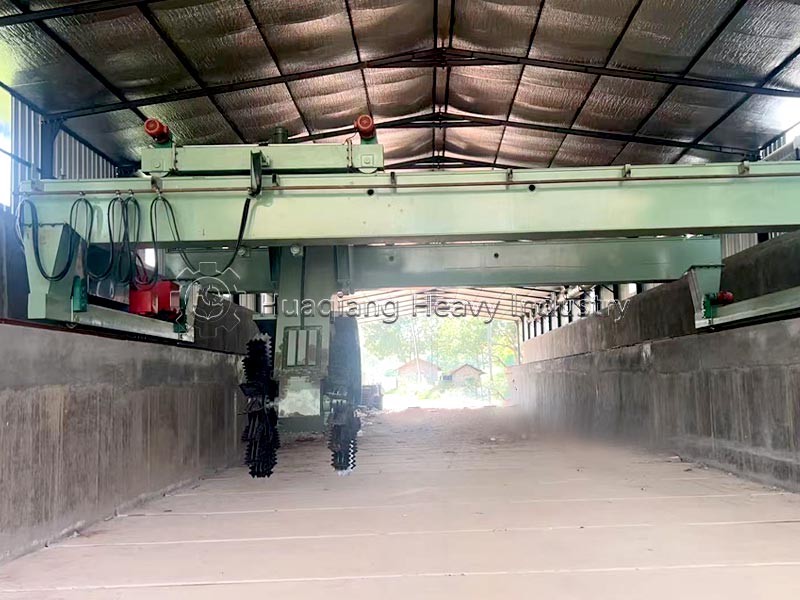
The project represents a complete organic fertilizer factory solution. It begins with the crucial upstream process, where effective fermentation composting turning technology ensures the production of high-quality, mature compost. This stable organic matter is then processed through the core organic fertilizer production granulation stage. In this case, a combined granulator is used, but for different product specifications, a dedicated organic fertilizer disc granulation production line could be employed to achieve perfectly rounded granules. For producers focusing on microbial-enriched products, this entire system can be specifically adapted as a bio organic fertilizer production line, integrating the microbial inoculation stage to preserve viable beneficial bacteria throughout processing.

Ultimately, this project illustrates that the key to successful organic fertilizer production lies in seamlessly connecting each stage—from efficient fermentation and precise mixing to advanced granulation—creating a reliable and profitable operation that meets the rigorous demands of today’s agricultural market.

A Powerful Tool for Large-Scale Composting Operations: Crawler-Type Compost Turning Machine

In the field of large-scale organic fertilizer production, the efficiency and stability of the composting fermentation process directly determine the production capacity and profitability of enterprises. Faced with large fermentation sites, diverse organic materials, and complex terrain conditions, traditional turning equipment often struggles to meet the demands of efficient operation. The emergence of the crawler-type compost turning machine, with its unique crawler design and powerful operating performance, has become a core supporting equipment for large-scale composting projects, providing an efficient solution for the resource utilization of large-scale organic waste.

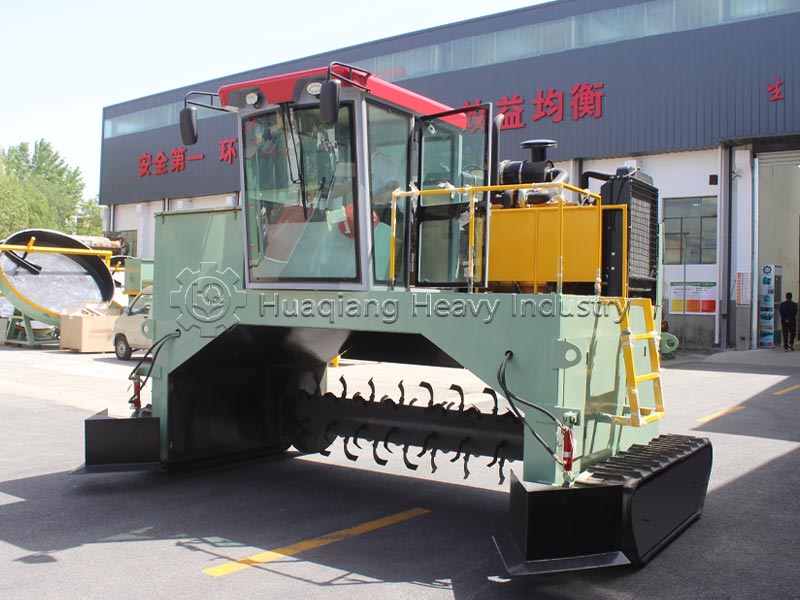
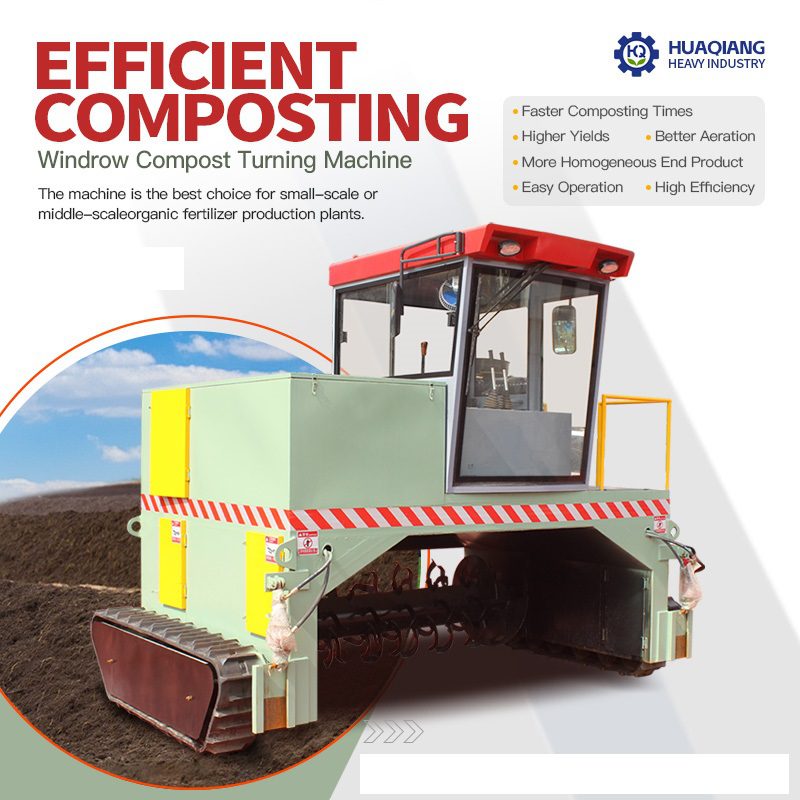
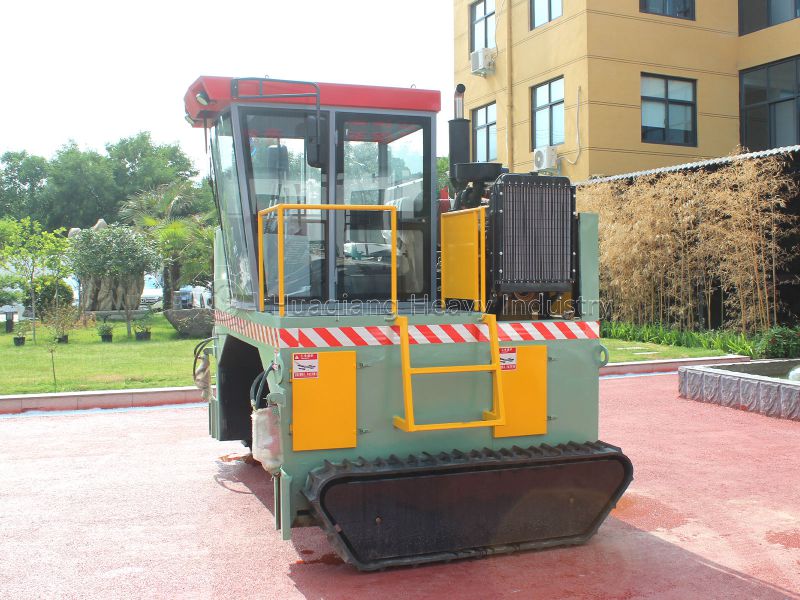
As a heavy-duty self-propelled machine, the most distinctive feature of the crawler-type compost turning machine is its use of rubber tracks as the walking mechanism. This design gives it excellent stability and mobility in soft, rugged fermentation sites. Compared to traditional wheeled equipment, which is prone to slipping and sinking, rubber tracks increase the contact area with the ground, effectively distributing the equipment’s weight. This allows for easy adaptation to uneven terrain and flexible movement in muddy fermentation areas, completely breaking down the limitations of site conditions on composting operations and providing a fundamental guarantee for large-scale windrow composting. Its core function lies in accelerating the maturation of organic materials through three main actions: turning, crushing, and aeration, transforming organic waste such as livestock manure, crop straw, and biochar into high-quality organic fertilizer.

The tracked compost turner has a clear and efficient workflow, achieving full-process adaptation from material pretreatment to fermentation acceleration. The first step is the windrow forming stage, where operators must organize the collected organic waste into long, strip-shaped piles, laying the foundation for subsequent turning operations. Subsequently, the equipment enters the core crawling and turning stage. Operators control the equipment from the cab using simple control devices such as levers, guiding it along the windrows. Simultaneously, the hydraulically driven mixing drum rotates at high speed, its agitating teeth penetrating deep into the pile to lift, thoroughly mix, and disperse the material at the bottom. This process not only turns the material but also achieves two key objectives: first, aeration and oxygenation, providing sufficient oxygen for the aerobic decomposition process, a core requirement for microbial growth and metabolism, directly determining fermentation efficiency; second, breaking up clumps, as the agitating teeth effectively break up hardened clumps in the material, ensuring more uniform mixing and preventing incomplete fermentation or overheating in certain areas, thus guaranteeing stable fermentation quality. The entire operation requires no manual assistance, allowing a single operator to manage large composting sites, significantly improving the operational efficiency of large-scale composting projects.

In large-scale composting operations, the core features and application advantages of tracked compost turners are particularly prominent. High capacity is one of its core competitive advantages. This equipment can process 500-1500 cubic meters or even more organic waste per hour, easily matching the large-scale production needs of industrial composting plants and large farms, significantly shortening the overall fermentation cycle. Stability and adaptability further amplify its application value. The rubber track design allows the equipment to operate stably in various complex terrains, while its wide adaptability to materials allows it to process various organic wastes such as livestock manure, agricultural straw, and biochar, reducing application limitations. In terms of practical application benefits, this equipment not only accelerates the conversion of organic waste into nutrient-rich compost and improves production efficiency, but also improves compost quality through uniform turning, resulting in more uniform organic fertilizer with more balanced nutrients. At the same time, the simple operation reduces labor costs, and the self-propelled design reduces auxiliary operation time, comprehensively reducing costs and increasing efficiency for enterprises.

With the rapid development of organic agriculture and the environmental protection industry, the demand for large-scale organic waste treatment is increasing daily. Tracked compost turners, with their core advantages of high capacity, strong stability, and wide adaptability, as well as their application value in improving efficiency, enhancing quality, and reducing costs, have become indispensable key equipment for large-scale composting projects. They not only promote the industrial upgrading of organic fertilizer production but also help achieve the harmless treatment and resource utilization of organic waste, providing solid technical equipment support for the development of ecological circular agriculture.

A Keystone in Modern Biofertilizer Manufacturing

The crawler-type compost turning machine is a foundational component of industrial-scale fermentation composting technology for organic fertilizer. As a highly efficient self propelled compost production machine, it is specifically engineered to accelerate the organic fertilizer fermentation process for windrow systems, providing the essential aeration and mixing that drive microbial decomposition.

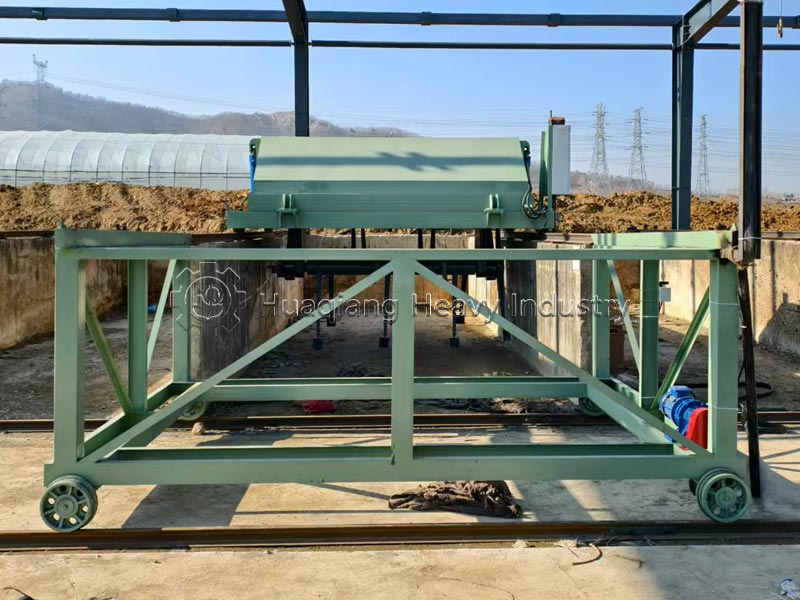
This machine is part of a diverse family of solutions within the broader fermentation composting turning technology sector. Depending on the scale and layout of the operation, producers might choose alternative equipment such as a high-capacity large wheel compost turning machine for wide rows, a precise double screws compost turning machine for controlled mixing, or implement a trough-type aerobic fermentation composting technology system for enclosed environments. Each serves the same vital function: transforming raw organic matter into stable, mature compost. This high-quality compost is the primary raw material for the subsequent equipments required for biofertilizer production, which further process it into commercial-grade organic or bio-organic fertilizers.

Thus, the tracked turner is not a standalone solution but a critical first-stage processing unit that enables the efficient, large-scale creation of the organic base upon which the entire biofertilizer industry depends.

Can I mix DAP with NPK fertilizer?

In agricultural production, the rational combination of fertilizers is crucial to maximizing nutrient efficiency and promoting healthy crop growth. A common question among farmers is whether DAP (Diammonium Phosphate) can be mixed with NPK fertilizers. The answer is affirmative: mixing DAP with NPK fertilizers can achieve a synergistic effect of balanced nutrient supply, especially beneficial for establishing strong root systems in the early growth stage of crops. However, this combination requires scientific methods and attention to application details to avoid potential risks such as seed burn or over-fertilization.

To understand the value of mixing DAP and NPK, it is first necessary to clarify the nutrient characteristics of each. DAP is a high-phosphorus and nitrogen fertilizer, typically with a nutrient ratio of 18-46-0. Phosphorus, as a core nutrient for root development, enables crops to form robust root systems in the seedling stage, enhancing water and nutrient absorption capacity. The nitrogen component in DAP also provides essential energy for early vegetative growth. In contrast, NPK fertilizers are balanced blends containing three key elements: nitrogen (N), phosphorus (P), and potassium (K). With flexible ratios such as 10-10-10 or 12-6-10, they can meet the comprehensive nutrient needs of crops throughout the vegetative and reproductive stages, especially supplementing potassium that is lacking in DAP—potassium plays a vital role in promoting flowering, fruiting, and improving crop resilience.

When mixed properly, DAP and NPK fertilizers complement each other perfectly. In the early planting stage, the high phosphorus in DAP lays a solid foundation for root establishment, while the balanced nutrients in NPK ensure sustained growth in subsequent stages. This combination avoids the one-sidedness of using a single fertilizer: using only DAP may lead to insufficient potassium supply in the later growth stage, affecting flowering and fruiting; relying solely on NPK may not provide the concentrated phosphorus needed for early root development.

To ensure the safety and effectiveness of mixing, several best practices must be followed. Firstly, conduct a soil test. Understanding the existing nutrient levels in the soil helps determine whether both fertilizers are needed, preventing waste and nutrient imbalances caused by blind application. Secondly, grasp the application timing reasonably: use the mixed fertilizer mainly at the planting stage to support early root growth, and then supplement with appropriate NPK fertilizers according to crop growth needs in the later stages to maintain balanced nutrition. Thirdly, avoid direct contact with seeds. DAP may release ammonia, which can burn tender seedlings. Therefore, the mixed fertilizer should be first blended with soil or compost, and applied several centimeters away from the seeds.

It is also important to distinguish the focus of fertilizer use in different growth stages. At the planting stage, the mixed fertilizer of DAP and NPK is ideal for giving crops a strong start; in the later growth stages (such as flowering and fruiting periods), selecting NPK fertilizers with appropriate potassium ratios is more conducive to improving crop yield and quality. Additionally, when blending, pay attention to the total nutrient content to avoid over-fertilization, which may cause soil salinization or crop nutrient poisoning.

Conclusion: From Agronomic Science to Industrial Production

The scientific combination of DAP and NPK in the field relies on a sophisticated manufacturing industry capable of producing precise and consistent fertilizer products. The balanced nutrient ratios needed for such strategies are achieved through advanced industrial processes.

This production is enabled by modern npk fertilizer production technology within a complete npk fertilizer production line. The process begins with precise formulation using an npk bulk blending machine or bulk blending fertilizer machine to combine raw materials like DAP with other nutrients. The blended mixture is then shaped using npk granulation machine technology. Key equipment like an npk fertilizer granulator machine (part of the npk fertilizer granulator machine equipment suite) transforms the powder into uniform granules via processes such as drum or extrusion granulation as part of the overall npk fertilizer manufacturing process. The scale and efficiency of this process determine the final NPK compound fertilizer production capacity, ensuring a reliable supply of the quality products that modern, precise agriculture depends on.

Ultimately, the synergy between field-level nutrient management and industrial-scale precision manufacturing is what allows farmers to implement effective strategies like DAP-NPK blending to optimize crop health and yield.

In conclusion, mixing DAP with NPK fertilizers is a feasible and effective fertilization strategy, as long as it is based on soil tests, adheres to scientific application methods, and matches crop growth needs. This synergistic fertilization approach not only improves nutrient utilization efficiency but also promotes healthy crop growth from seedling to maturity, laying a solid foundation for high yield and quality.

Extrusion Granulation + Drying Production Line Successfully Launched in Pakistan

 In August 2026, Zhengzhou Huaqiang Heavy Industry Technology Co., Ltd. successfully completed the installation and commissioning of its customized extrusion granulation + drying integrated production line for its Pakistani client, officially entering the stage of large-scale mass production. This production line innovatively integrates the core processes of extrusion granulation and low-temperature drying. Addressing the high-temperature and dry climate characteristics of Pakistan and the stringent moisture control requirements of fertilizer production, it features a closed-loop design of efficient granulation and precise drying, achieving one-stop processing from raw materials to finished products. This provides local fertilizer companies with a customized solution that combines capacity and quality, helping to improve fertilizer storage stability and field application effectiveness.

Production Line Configuration and Core Process Analysis

The entire production line is built around the core logic of “raw material pretreatment – extrusion granulation – low-temperature drying – finished product output.” Equipment selection is tailored to regional conditions, and the processes are tightly and efficiently integrated, ensuring both high granulation rate and product quality upgrades through precise humidity control.

Raw Material Pretreatment and Extrusion Granulation Unit: Laying a Solid Foundation for Forming

Raw Material Refinement: The production line starts with a large-capacity loader feeding hopper, adapting to the rapid feeding needs of bulk raw materials. The feed inlet is equipped with spill prevention and impurity filtration devices to reduce raw material loss and equipment failure risks. Raw materials are transferred via a conveyor system to a 60-type crusher (presumably a “60-type horizontal semi-wet material crusher”). This equipment adopts a two-stage crushing structure, with a high-chromium wear-resistant alloy cutter disc, capable of crushing large, agglomerated raw materials (particle size ≤80mm) into uniform fine materials ≤3mm, achieving a crushing efficiency of 4 tons/hour, providing a high-quality raw material foundation for subsequent granulation. The crushed raw materials are then fed into a twin-shaft mixer via a belt conveyor, where they are thoroughly mixed by counter-rotating blades, with a mixing uniformity error ≤2%, ensuring balanced fertilizer nutrients.

High-efficiency extrusion granulation: The mixed raw materials are precisely fed to the core granulation equipment—multiple 2.0-type double-roller extrusion granulators (estimated based on the project’s standard configuration). This model features a high-strength double-roller design; the roll skin is hardened to a hardness of HRC60 or higher, exhibiting extremely high wear resistance. The equipment precisely controls the extrusion pressure (8-15MPa) through a hydraulic pressurization system, adapting to the granulation needs of raw materials with varying moisture content (25%-32%). The granulation rate remains consistently above 92%, with uniform particle size controlled at 3-5mm and an initial particle strength of 2.0MPa, providing a solid foundation for subsequent drying. Multiple granulators operate in parallel, with a total capacity of up to 6 tons/hour, meeting the needs of large-scale production.

Core Drying Unit: Precise Humidity Control Enhances Quality

After granulation, the wet granules are transferred via an 8-meter belt conveyor (the document “128-meter belt conveyor” is presumably a typo) to a 1.5×5-meter dryer (the document “1115×5-meter dryer” has been corrected). This equipment is the core of the production line’s quality control, employing a sleeve-type hot air circulation design with an optimized airflow layout for Pakistan’s dry climate, improving heat exchange efficiency by 18%. The dryer is equipped with a dedicated hot air furnace (a supplementary component to the essential drying process), allowing for precise temperature control (60-90℃). Through a low-temperature, slow drying process, the granule moisture content is reduced from approximately 30% to below 12%, preventing high-temperature damage to fertilizer nutrients and ensuring granule hardness reaches over 2.5MPa, effectively preventing pulverization and clumping during storage and transportation.

The dryer features a built-in spiral lifting plate design, which ensures thorough tumbling of materials within the drum, resulting in uniform heating and a drying uniformity error of ≤3%. Equipped with intelligent temperature and humidity sensors, the equipment monitors the drying status in real time and automatically adjusts hot air temperature and material residence time for precise control of the drying process. Simultaneously, the dryer is integrated with a comprehensive environmental protection system. Through a dust removal chamber (the document likely contains a typo for “187 area material exchange machine”) and a water tank, dust and exhaust gases generated during the drying process are centrally purified, with dust emission concentrations ≤10mg/m³, meeting local environmental standards.

Finished Product Post-Processing and Output Unit: Efficient Closed-Loop Guarantee for Shipment

The dried finished granules are transferred by a conveyor belt to a grading and screening machine (a necessary supplement to conventional production lines). Unqualified granules are screened out and returned to the granulation front end for reprocessing via a return conveyor belt, achieving a material utilization rate of 98%. Qualified granules are temporarily stored in a sealed finished product silo equipped with dehumidification and ventilation devices to further ensure the dryness of the finished product.

The packaging process is equipped with an automatic packaging scale, supporting rapid switching between multiple specifications such as 25kg and 50kg, with a measurement error of ≤±0.2kg and a packaging speed of up to 100 bags/hour. Combined with a mobile conveyor belt, it enables rapid transfer of finished products into the warehouse. The entire process is automated, reducing manual intervention and improving production efficiency.

Core Advantages and Regional Adaptability of the Production Line:

Integrated Process for High Efficiency and Energy Saving: Seamless integration of extrusion granulation and drying shortens material transfer paths, increasing efficiency by 20% compared to traditional segmented production. The drying system adopts a hot air circulation and energy-saving motor design, reducing energy consumption by 15% compared to conventional equipment with the same capacity, meeting local energy-saving production requirements.

Precise Adaptation to Regional Conditions: The equipment is made of high-temperature resistant and corrosion-resistant materials, adaptable to Pakistan’s hot and dry climate. Drying temperature and humidity parameters are specifically optimized, perfectly addressing the industry pain points of large fluctuations in raw material humidity and the tendency of finished products to absorb moisture.

Dual Guarantee of Quality and Capacity: Low-temperature drying technology retains the effective nutrients in fertilizers, enhancing product competitiveness; the configuration of multiple granulators operating in parallel with high-efficiency drying achieves a stable production capacity of 6 tons/hour, meeting customers’ needs for large-scale shipments.

The successful commissioning of this extrusion granulation + drying production line in Pakistan once again demonstrates Zhengzhou Huaqiang Heavy Industry Technology Co., Ltd.’s professional strength in integrated R&D and regional customization of fertilizer equipment. In the future, the company will continue to focus on the production pain points and needs of different regions, optimize process design and equipment performance, and provide more targeted complete solutions for global customers, helping to improve the quality and efficiency of the agricultural industry.

Expertise in Granulation and Integrated Processing

This successful Pakistani project highlights Huaqiang Heavy Industry’s proficiency in delivering integrated, climate-adapted solutions for the fertilizer industry. The extrusion granulation and drying line addresses specific regional challenges, showcasing the company’s deep understanding of fertilizer granulation technology and complete process integration.

This project is a prime example of advanced fertilizer processing machine application, specifically utilizing a roller press granulator production line for dry fertilizer granules compaction. The core fertilizer compaction machine performs efficient fertilizer compaction, a key step in the npk manufacturing process. It’s important to note that this is one of several granulation paths available. For different raw materials or product specifications, Huaqiang’s portfolio includes alternative systems like a rotary drum granulator in a disc granulation production line, or specialized equipment for organic fertilizer disc granulation. Each technology, whether a drum granulator for wet mixing or a roller press for dry compaction, serves as a critical module within a larger npk production line, allowing for tailored solutions based on client needs.

Ultimately, this project demonstrates that success lies not just in a single machine, but in the strategic selection and seamless integration of the right technologies to build a complete, efficient, and reliable fertilizer production system.

Roller press granulation production line: The preferred solution for high-efficiency granulation

In the chemical, fertilizer, pharmaceutical, and food industries, the demand for granular products is increasing due to their ease of storage, transportation, and use. The roller press granulation production line, with its unique technological advantages, has become the ideal choice for producing high-strength, uniform granules.

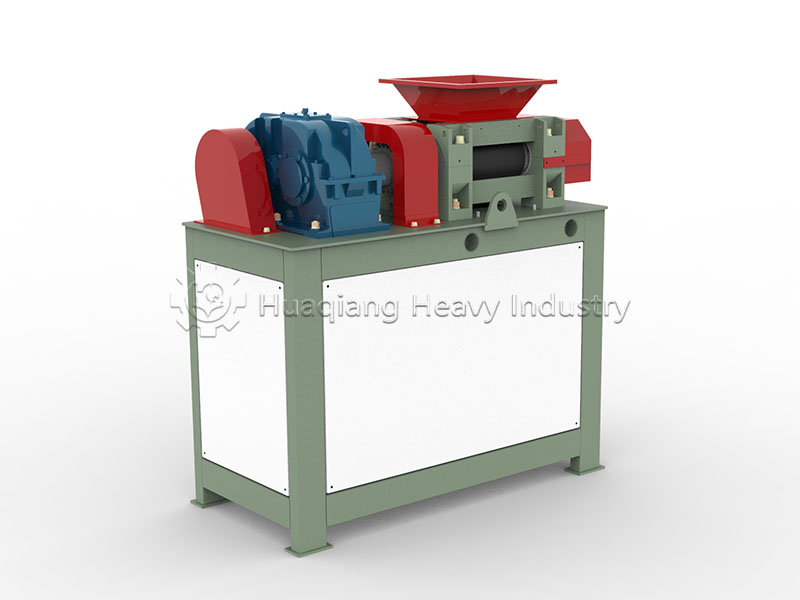
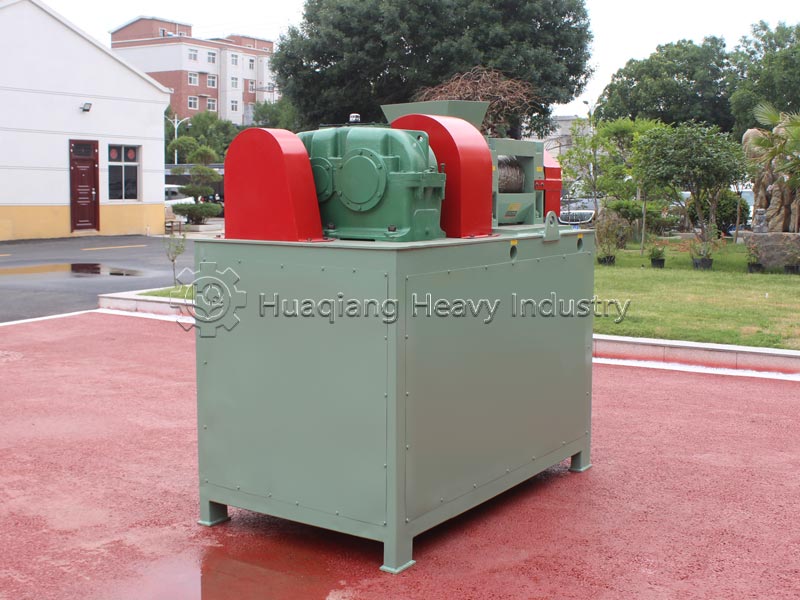
This production line utilizes high-pressure extrusion technology to transform powder or fine-grained raw materials into high-quality granules. The equipment is scientifically designed and includes raw material pretreatment equipment, the core double roller press granulator, and optional fertilizer crushers, screening machines, packaging equipment, and a PLC control system. Pretreatment ensures suitable raw material particle size and freedom from impurities; the double roller press granulator extrudes the raw materials into strips or sheets before cutting them into granules; subsequent crushing and screening ensure uniform particle size; the packaging equipment provides automated weighing and packaging; and the PLC control system monitors and adjusts parameters to ensure efficient and stable production.

The granulation process is standardized: from raw material pretreatment, optional mixing and humidity adjustment, to roller press extrusion granulation, crushing and screening, and then optional drying and cooling, and finally packaging and monitoring, every step is precise. The process features are significant: it produces high-density, high-strength granules, meeting high mechanical strength requirements; the granules have uniform particle size, improving product consistency; it has wide raw material adaptability, capable of processing various raw materials such as fertilizers and pesticides; and it boasts low energy consumption, high efficiency, simple operation, and a high degree of automation, reducing manual intervention and ensuring stable product quality.

Whether it’s producing organic fertilizer granules in the fertilizer industry or processing special chemical granules in the chemical industry, the roller press granulation production line plays a vital role, providing efficient and reliable solutions for granular production in various industries.

Organic fertilizer production equipment: Solutions for diverse raw materials

Faced with complex organic waste, modern organic fertilizer production equipment demonstrates exceptional adaptability. From livestock manure to crop straw, from kitchen waste to food industry byproducts, these machines achieve efficient conversion of various raw materials through targeted process adjustments.

In the raw material pretreatment stage, the large wheel compost turning machine, with its unique operating method, becomes the core equipment in the fermentation process. This equipment, combined with an intelligent ventilation and temperature control system, can automatically adjust operating parameters based on real-time monitoring data, ensuring that different raw materials achieve ideal composting results.

The equipment configuration in the granulation stage exhibits diverse characteristics. The rotary drum granulator, with its gentle agglomeration granulation method, demonstrates unique advantages in processing organic raw materials. The ring die pelleting machine, through the precise coordination of the die and pressure rollers, produces granules with higher density and greater strength. For processing special raw materials, fertilizer compaction machines offer another reliable option; their dry forming process is particularly suitable for materials with high fiber content.

In the post-processing stage, intelligent drying and cooling systems work perfectly in conjunction with the front-end granulation equipment. Whether producing spherical granules from a rotary drum granulator or cylindrical granules from a ring die pelleting machine or fertilizer compaction machine, all can achieve ideal physical states through a precise temperature control system.

With the deepening of the concept of resource recycling, modern organic fertilizer production equipment is continuously improving its environmental performance. The new generation of equipment, through the integration of advanced sensing technology and intelligent control systems, achieves more precise processing of complex raw materials, opening up broader prospects for the resource utilization of organic waste.

The new type organic fertilizer granulator works in conjunction with the chain crusher

The core of high-quality bio-organic fertilizer lies in the thorough refinement of raw materials and the uniform formation of granules. These two key processes are controlled by two core bio-organic fertilizer equipment: the chain crusher and the new type organic fertilizer granulator.

The chain crusher lays the foundation for quality, with its core function being the fine crushing of raw materials. If the fermented organic fertilizer raw materials contain coarse particles or clumps, it will lead to uneven nutrient distribution and affect fertilizer efficiency. As a dedicated bio-organic fertilizer equipment, the chain crusher refines the raw materials into a uniform powder, releasing nutrients and improving the fluidity of the raw materials, creating conditions for subsequent uniform granulation.

The new type organic fertilizer granulator takes over the refined raw materials and completes the final shaping of the quality. With its advanced molding technology, it can precisely control the particle size and hardness, producing uniform granules that are not easily broken, facilitating storage and transportation, and enabling slow-release of nutrients. In the bio-organic fertilizer production line, it precisely connects with the chain crusher, efficiently converting refined raw materials into qualified granules, while maximizing the retention of organic matter and nutrients in the raw materials, avoiding quality loss.

The synergistic operation of these two pieces of equipment is the core of quality control in the bio-organic fertilizer production line. From raw material refinement to granule formation, high-quality bio-organic fertilizer equipment ensures quality throughout the process, helping the production line stably produce high-quality bio-organic fertilizer.
Analysis of key factors for efficient operation of disc granulation production lines

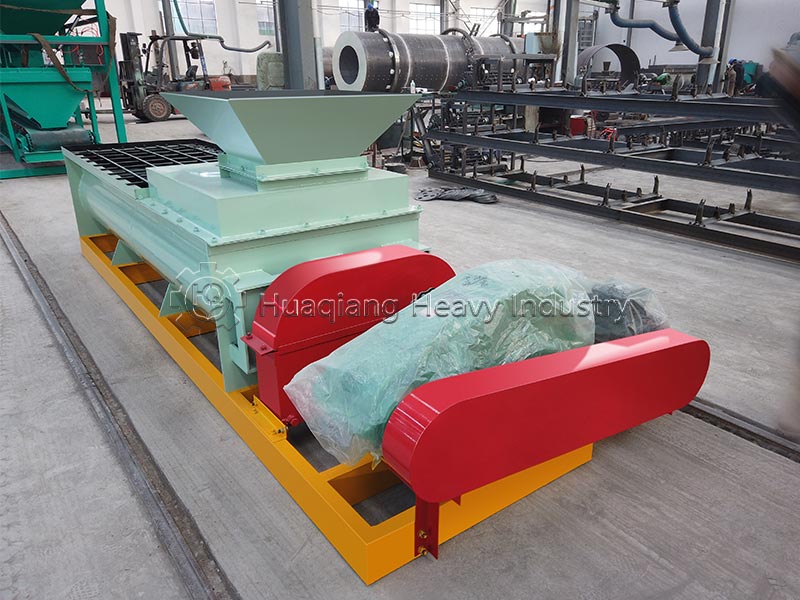
The efficient and stable operation of a disc granulation production line hinges on the precise coordination of equipment at each stage. The large-diameter large wheel compost turning machine, double axis paddle mixer, and disc granulator form the core linkage chain, directly determining the quality of raw material composting, mixing uniformity, and granule formation. These are crucial for increasing production capacity and product quality.

The large wheel compost turning machine lays the foundation for high-quality raw materials in the production line. During the raw material pretreatment stage, its efficient turning and mixing allow the raw materials to fully contact the air, rapidly increasing the fermentation temperature and inhibiting harmful bacteria, ensuring uniform composting and stable nutrient content. Insufficient turning can lead to incomplete composting, resulting in problems such as loose granules and uneven nutrient distribution.

The double axis paddle mixer builds upon the pretreatment results, achieving precise material conditioning. After the composted raw materials, auxiliary materials, and microbial agents are added in proportion, its dual-shaft structure allows for rapid and thorough mixing of materials. It can also adjust moisture content and particle size according to granulation requirements, forming high-quality material suitable for the disc granulator. Compared to ordinary mixers, it offers higher mixing efficiency and better uniformity, significantly improving the subsequent granulation and molding rate.

The synergistic operation of these three components ultimately ensures the efficient operation of the production line, reduces material waste, and improves granule uniformity and strength. Therefore, controlling the operating quality of the large wheel compost turning machine and the double axis paddle mixer is essential for maximizing the efficiency of the disc granulation production line.

Formula Fertilizer No. 7: A Specialized “Nutrient” for Crop Fruit Enlargement and Quality Improvement

In the agricultural input market, “Formula Fertilizer No. 7” is a frequently chosen option by farmers when purchasing fertilizers for the fruit enlargement period. However, it is not a nationally standardized number, but rather a custom-designed formula code used within the industry. As a specialized fertilizer designed specifically for the reproductive growth stage of crops, Formula Fertilizer No. 7 features “high potassium, low nitrogen, and medium phosphorus” as its core characteristics, precisely matching the nutrient requirements for fruit enlargement, coloring, and sweetening. It has become a key fertilizer for improving the yield and quality of fruits and cash crops, and is also a standard “fruit enlargement fertilizer” commonly used in the agricultural input industry.

The core advantage of Formula Fertilizer No. 7 lies in its scientific nutrient ratio. The classic formula ratios for mainstream Formula Fertilizer No. 7 in the industry are mostly 15-5-20, 16-6-22, etc., with the core characteristics of potassium content not less than 20%, nitrogen content moderate to low, and phosphorus content moderate. Potassium, known as a “quality element,” promotes the transport of photosynthetic products to fruits and seeds, effectively improving fruit sweetness, color, and firmness, and reducing fruit cracking and deformities. A low-nitrogen design prevents excessive vegetative growth, avoids nutrient competition, and ensures nutrient supply for reproductive growth. Appropriate phosphorus levels maintain root vitality, ensuring successful pollination and preventing empty seeds and fruit drop. Some manufacturers also add micronutrients such as calcium, magnesium, boron, and zinc to further enhance fertilizer efficiency.

Compared to other numbered fertilizer formulas, Formula 7 is highly targeted in its application. In the agricultural input industry, fertilizer formulations are typically categorized by crop growth stage and nutrient emphasis: Fertilizer No. 1 is high in nitrogen, low in phosphorus, and low in potassium, suitable for promoting seedling growth and leaf development; Fertilizer No. 2 has a balanced nitrogen, phosphorus, and potassium content, suitable for general supplemental fertilization throughout the crop’s growth period; Fertilizer No. 3 is high in phosphorus, medium in nitrogen, and low in potassium, primarily promoting root and flower development; while Fertilizer No. 7, with its “low nitrogen, medium phosphorus, and high potassium” formulation, is specifically targeted at critical reproductive stages such as fruit expansion, grain filling, and coloring, making it a dedicated fertilizer for the crop’s yield and quality formation stages. This clear positioning allows farmers to quickly and accurately select the right fertilizer.

Fertilizer No. 7 has a wide range of applications, especially suitable for crops with high potassium requirements. In fruits and vegetables such as watermelon, strawberries, tomatoes, grapes, and citrus, application significantly improves fruit expansion speed and fruit quality; in cash crops such as peanuts and soybeans during the pod-setting stage, and sweet potatoes and potatoes during the tuber enlargement stage, application increases yield and marketability; even in field crops such as rice and corn, application during the grain-filling stage and the late trumpet stage can improve grain plumpness. The optimal application time is during the fruit enlargement stage after flowering, typically 2-3 times consecutively, with an interval of 10-15 days, to maximize its effectiveness.

When applying Formula 7 fertilizer, attention must be paid to its suitability and scientific formulation. For chlorine-sensitive crops such as grapes, citrus, and sweet potatoes, potassium sulfate-based Formula 7 fertilizer should be chosen; for field crops, potassium chloride-based formula can be used to reduce planting costs. It is mainly used as a top dressing or fertigation fertilizer and cannot replace base fertilizer; it should be used in combination with organic fertilizer or balanced fertilizer as a base fertilizer. Foliar spraying with potassium dihydrogen phosphate and boron fertilizer during the fruit enlargement stage can further enhance the quality improvement effect. In addition, some manufacturers adjust the formula according to regional soil characteristics; for example, Formula 7 fertilizer for acidic soils in the south adds calcium and magnesium to adjust the acidity, while Formula 7 fertilizer for greenhouses uses a fully water-soluble formula suitable for drip irrigation. Farmers can choose according to their needs.

Manufacturing Precision: From Formula No. 7 to Professional Production

The widespread use of specialized formulas like Fertilizer No. 7 is enabled by sophisticated, flexible production systems. This precise formulation of “high potassium, low nitrogen, medium phosphorus” requires a manufacturing process that can accurately blend and shape specific nutrient ratios to meet exacting market demands.

The creation of such products is the domain of modern professional fertilizer manufacturing equipment. A typical npk fertilizer production line for this purpose would begin with a precise npk blending machine to mix raw materials to the exact No. 7 specification. This mixture is then formed into granules using specialized fertilizer granulator technology. Manufacturers might choose a disc granulation production line featuring a disc granulator (or disc granulator for shaping) for rounded particles, or a roller press granulator production line with a double roller press granulator for high-density granules. This entire sequence forms the core of the npk fertilizer production process. For producers also offering organic options, this specialized NPK line could be complemented by a separate organic fertilizer production line that begins with raw material processing using a windrow composting machine.

Ultimately, the availability of targeted fertilizers like Formula No. 7 is a direct result of advanced, adaptable manufacturing technology that can efficiently translate agronomic science into precise, high-quality products for farmers.

In summary, Formula 7 fertilizer is a high-potassium fertilizer specifically designed for the reproductive growth stage of crops. Its scientific nutrient ratio precisely addresses the nutrient requirements during the fruit enlargement stage. For farmers pursuing high and high yields, choosing the right No. 7 compound fertilizer and applying it scientifically can safeguard crop quality and yield, becoming an important aid to precision fertilization in modern agriculture.