As a granulation equipment based on room-temperature extrusion molding principles, flat die pelleting machines are playing important roles in multiple fields including fertilizer, feed, and biomass energy with their unique advantages. Through innovative mechanical design, this equipment converts powdered materials into uniform granules under room temperature conditions, preserving material active components while improving product usability.
Innovative Working Principle
The core working principle of flat die pelleting machines is based on physical extrusion molding technology. Through relative motion between pressure rollers and flat dies, the equipment compresses materials through die holes under 10-30MPa pressure, forming regular cylindrical granules. This process occurs at room temperature, controlled below 60°C, effectively avoiding high-temperature damage to material active components.
Compared to traditional granulation technologies, the greatest advantage of flat die pelleting machines lies in their protective capability for heat-sensitive materials. Whether dealing with bio-organic fertilizers containing active microorganisms or feed additives rich in nutrients, all can maintain their original characteristics during granulation. This gentle processing method gives the equipment irreplaceable value in fields requiring preservation of material activity.
Wide Range of Application Fields
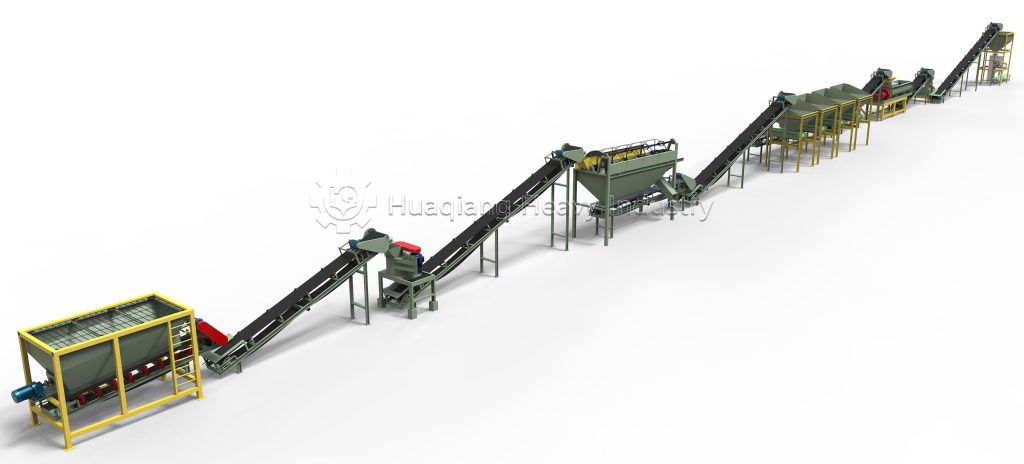
flat die pelleting machines have extensive application scope. In the fertilizer industry, they are particularly suitable for producing bio-organic fertilizers and compound microbial fertilizers, ensuring survival rates of beneficial microorganisms during granulation. In feed processing, granulated feed produced by the equipment not only improves feed palatability but also reduces waste during transportation and usage.
Biomass energy represents another important application field. By converting biomass raw materials like wood chips and straw into pellet fuels, the equipment provides technical support for development and utilization of renewable energy. Additionally, flat die pelleting machines demonstrate good adaptability in chemical and pharmaceutical industries.
Flexible Production Capacity
flat die pelleting machines demonstrate excellent flexibility in production scale. From small laboratory equipment producing dozens of kilograms per hour to production line equipment producing several tons per hour, various specifications can meet production requirements of different scales. This flexibility enables the equipment to suit both startup enterprises and family workshops while meeting production requirements of small to medium-sized factories.
The equipment’s modular design further enhances its adaptability. By replacing flat dies with different aperture sizes, various granule products with particle sizes between 2-12 millimeters can be produced. Adjustable designs of pressure rollers and cutting devices enable operators to optimize granulation parameters according to material characteristics, ensuring product quality.
Economic Benefits and Operational Convenience
Regarding economic benefits, flat die pelleting machines have obvious advantages. The equipment structure is relatively simple, with investment costs typically only half to one-third of other granulation equipment types. Energy consumption is also relatively low, with most models having power between 3-30 kilowatts, making operational costs controllable.
Operational simplicity is another important advantage. Equipment typically adopts one-button start-stop designs, with operators able to begin work after brief training. Daily maintenance work mainly focuses on lubrication and wear part replacement, with relatively low maintenance costs. These characteristics make flat die pelleting machines ideal choices for enterprises with limited capital.
Quality Control and Future Development
Granule products produced by flat die pelleting machines have stable and reliable quality. Granule particle sizes are uniform, with moderate compressive strength ensuring both integrity during transportation and convenience during usage. For products like organic fertilizers, regular granule shapes also improve fertilization uniformity.
With continuous global emphasis on sustainable development and environmental requirements, the application prospects of flat die pelleting machines will become broader. Technological innovation will further improve equipment production efficiency and energy utilization rates, while new material applications will extend equipment service life. In today’s pursuit of efficient production and environmental protection, flat die pelleting machines will continue providing reliable technical support for granulation production across various industries.
Diverse Granulation Technologies in Fertilizer Manufacturing
The flat die pelleting machine represents one of several specialized technologies within modern fertilizer granulation processes. While it excels in room-temperature processing for sensitive materials, other fertilizer granulator types serve distinct roles in comprehensive production systems. Within a complete npk fertilizer production line, equipment like the disc granulator machine forms the core of disc granulation production line operations for standard compound fertilizers, while the double roller press granulator serves as the foundation for specialized roller press granulator production line configurations.
For organic fertilizer manufacturing, the production chain typically begins with equipment such as the windrow composting machine for efficient biodegradation before granulation. The complete organic fertilizer production line and bio organic fertilizer production line often incorporate granulation technologies suited to organic materials. Meanwhile, the npk blending machine ensures precise formulation before granulation in chemical fertilizer production. This diversity in granulation equipment—from flat die systems for gentle processing to high-capacity disc and roller press systems—allows manufacturers to select optimal technologies based on material characteristics, production scale, and final product requirements, creating tailored solutions across the spectrum of modern fertilizer production.