As an innovative fertilizer production equipment, flat die pelleting machines are playing increasingly important roles in global agricultural production. This equipment not only efficiently produces high-quality granular fertilizer but also provides strong technical support for agricultural sustainable development. Through scientific use and maintenance, flat die pelleting machines can create significant economic and ecological benefits for users.
Significant Production Advantages
flat die pelleting machines demonstrate multiple advantages in fertilizer production. Firstly, they significantly improve fertilizer utilization rates. By converting powdered raw materials into granules, fertilizer release in soil becomes more uniform and stable, avoiding crop burning issues caused by local high concentrations, with nutrient utilization rates increasing by 15%-25%. Simultaneously, granular fertilizers have good flowability, facilitating mechanized application and greatly improving fertilization efficiency.
Environmentally, flat die pelleting machines play important roles. They can transform organic waste like livestock manure and crop straw into high-quality fertilizers, achieving resource recycling. The granulation process occurs at room temperature without high-temperature treatment, preserving active components in materials such as microorganisms and humus, which holds significant importance for improving soil structure and enhancing soil fertility.
Exceptional Economic Benefits
From an economic perspective, flat die pelleting machines demonstrate significant cost advantages. Equipment structure is relatively simple with low investment and maintenance costs, suitable for producers of different scales. Granular fertilizers produced have minimal loss during storage and transportation, preservable for 8-12 months, far exceeding preservation periods of powdered fertilizers.
Production efficiency is another important advantage. A single unit can produce 0.1-5 tons of granular fertilizer per hour, 50-100 times the efficiency of manual production. Simple operation requires only 1-2 operators to complete the entire production process, greatly reducing labor intensity and human resource costs.
Scientific Maintenance Management
To ensure long-term stable operation of flat die pelleting machines, scientific maintenance management is crucial. Daily maintenance includes equipment checks before startup and cleaning work after shutdown. Regular inspections of feeding systems, transmission systems, and safety devices ensure equipment remains in good working condition.
Regular maintenance should include weekly checks of wear part conditions, monthly inspections of cutting devices and lubrication systems, and quarterly comprehensive maintenance. Flat dies and pressure rollers, as core components, require special attention to their wear conditions. When die hole wear exceeds 0.5 millimeters or granule formation rates fall below 80%, flat dies should be replaced promptly.
Professional Lubrication Maintenance
Proper maintenance of lubrication systems significantly impacts equipment lifespan. Reducers require regular gear oil replacement, typically every 800-1000 operating hours. Bearings require lubricant addition every 300-500 hours to avoid wear caused by insufficient lubrication. Use appropriate lubricants and greases, strictly following equipment manual requirements.
During long-term equipment storage, special maintenance is necessary. Thoroughly clean equipment interiors and exteriors, apply anti-rust oil to key components like flat dies and pressure rollers, and cover equipment with waterproof cloths, storing in dry, ventilated environments.
Safe Operation Precautions
Safe operation is an important principle when using flat die pelleting machines. Opening protective covers or manually contacting rotating parts during equipment operation is prohibited. Using non-compliant tools or lubrication materials is strictly forbidden. When detecting equipment abnormalities, shutdown and inspection should occur promptly to avoid greater damage.
Through scientific maintenance and standardized operation, flat die pelleting machines can achieve long-term stable operation, creating continuous value for users. With continuous technological development and improvement, this equipment will play increasingly important roles in global agricultural production and environmental protection, contributing to achieving sustainable agricultural development.
Versatile Granulation Solutions for Modern Fertilizer Manufacturing
The flat die pelleting machine represents a specialized category within modern fertilizer production machine technology, offering unique advantages for room-temperature fertilizer granules compaction. This equipment exemplifies the innovation in fertilizer granulation machine design, producing uniform fertilizer columnar granule granulation equipment particularly suited for organic and bio-fertilizer applications. Its gentle processing method preserves heat-sensitive components, making it complementary to other technologies like the new type two in one organic fertilizer granulator which combines multiple processing steps.
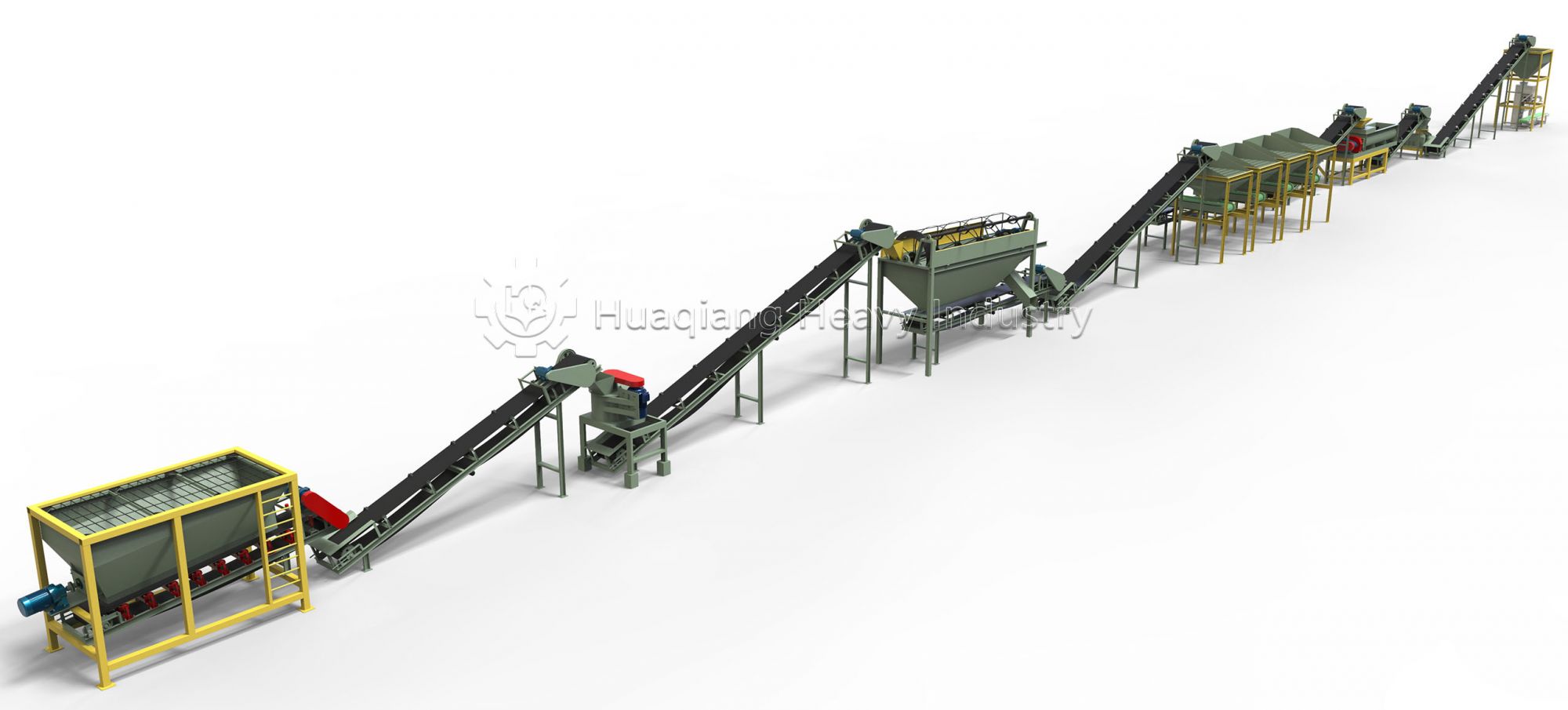
As part of the broader ecosystem of fertilizer manufacturing equipment, flat die granulators demonstrate how specialized machinery addresses specific production needs—from small-scale organic operations to larger fertilizer production lines. Their efficiency, cost-effectiveness, and ability to transform diverse raw materials into market-ready granules contribute significantly to sustainable agriculture by enabling efficient resource utilization and reducing waste throughout the fertilizer production and application cycle.