The success of composting begins in the preparation stage. Whether it’s home composting or large-scale organic fertilizer production lines, even slight negligence can lead to fermentation stagnation and unpleasant odors. Imbalanced carbon-to-nitrogen ratios and improper moisture control are two common mistakes. Precise avoidance is fundamental to efficient composting, especially for large-scale production relying on organic fertilizer composting equipment, where attention to detail is crucial.
The first mistake: Imbalanced carbon-to-nitrogen ratio, halting the fermentation process. The carbon-to-nitrogen ratio needs to be maintained between 25:1 and 30:1 to suit microbial activity. Composting only high-nitrogen materials (such as livestock manure) will cause the compost pile to heat up quickly, produce a strong odor, and breed bacteria; adding only high-carbon materials such as straw will make it difficult for the compost pile to heat up, prolonging the composting period. Solution: Mix materials according to the ratio. For home composting, a ratio of “1 part manure + 2-3 parts straw” is suitable. Organic fertilizer production lines can use specialized equipment to precisely calibrate the ratio.
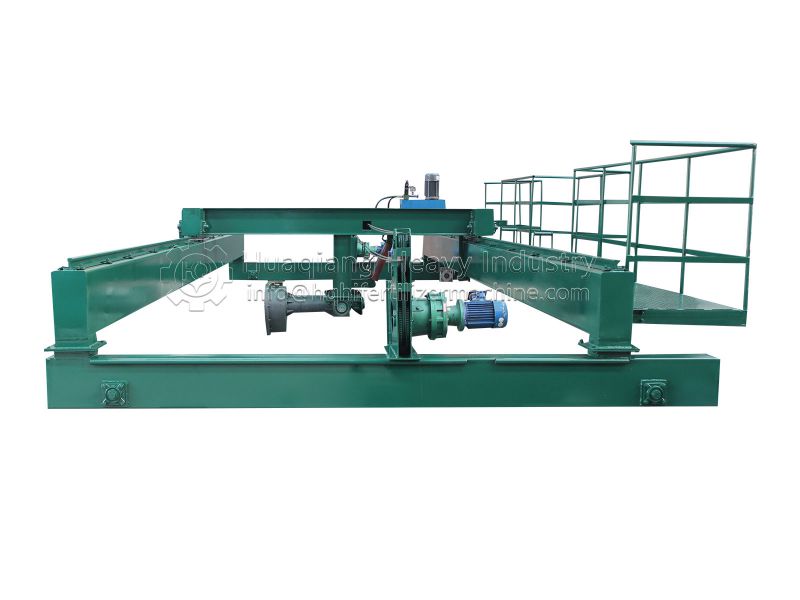
The second mistake: Improper moisture control, triggering anaerobic fermentation. The ideal moisture content for raw materials is 55%-60%, resulting in a consistency that “clumps together when squeezed but crumbles easily when released.” Excessive moisture blocks oxygen, leading to a putrid odor; insufficient moisture hinders microbial activity and stagnates composting. To prevent this, control moisture levels beforehand, sun-dry high-moisture raw materials or add dry materials for absorption, and spray water and mix excessively dry materials. A double screws compost turning machine can assist in moisture dissipation and optimize aeration during turning, making it suitable for continuous production line operations.
In summary, the carbon-to-nitrogen ratio and moisture content are the core variables in composting preparation. Whether operating a small-scale composting operation or an organic fertilizer production line, avoiding these two major mistakes and following standardized operation of organic fertilizer composting equipment will improve composting success rates and efficiently produce high-quality organic fertilizer.