On the path of sustainable agricultural development, pyrolysis carbonization technology is demonstrating unique “carbon magic,” transforming common agricultural and forestry waste into biochar materials with multiple values. This technology not only provides innovative ideas for organic fertilizer production but also opens new pathways for soil improvement and environmental protection.
The Magnificent Transformation of Woody Materials
For traditional woody agricultural and forestry waste such as wood chips and straw, pyrolysis carbonization technology offers an efficient conversion solution. In low-oxygen, high-temperature environments of 300-700°C, these materials undergo complex physical and chemical reactions, transforming into biochar materials with carbon content as high as 60%-90%. This conversion process avoids complete combustion of raw materials, preserving their unique structure and properties.
The most remarkable characteristic of biochar lies in its porous structure, which gives it “multiple uses in one material” capability. On one hand, it serves as a stable organic carbon source, providing long-lasting organic matter supplementation to soil. On the other hand, its porous characteristics make it an excellent soil amendment, effectively retaining soil moisture and nutrients while adsorbing pollutants like heavy metals, significantly improving soil quality.
Specialized Solution for High-Moisture Materials
For materials with high moisture content such as algae and sewage sediment, traditional pyrolysis technology faces challenges of high drying costs and low processing efficiency. The emergence of hydrothermal carbonization technology provides an ideal processing solution for such materials. Under conditions of 180-250°C high temperature and 2-6MPa high pressure, high-moisture materials can be directly converted without pre-drying.
The ingenuity of this process lies in the fact that water in the raw materials is no longer a processing obstacle but becomes a reaction medium, promoting efficient conversion of raw materials into hydrothermal carbon. The produced hydrothermal carbon also possesses excellent soil improvement properties and has been widely applied in high-end organic agriculture in regions like Europe, serving as an important raw material source for soil amendments.
Embodiment of Ecological Wisdom
The value of pyrolysis carbonization technology is reflected not only in resource conversion efficiency but also in its profound ecological significance. By fixing carbon elements from agricultural and forestry waste into biochar, this technology achieves effective carbon sequestration, providing practical solutions for mitigating climate change.
Compared with traditional incineration or natural decomposition, pyrolysis carbonization technology locks carbon elements that might otherwise be released into the atmosphere within stable biochar structures. This biochar can persist in soil for hundreds of years or longer. This process both reduces greenhouse gas emissions and improves soil carbon storage capacity, achieving a win-win situation for environmental protection and agricultural production.
Broad Prospects for Agricultural Applications
With the deepening understanding of agricultural sustainable development concepts, the application prospects of pyrolysis carbonization technology are increasingly broad. In organic fertilizer production, biochar can serve as a base material or additive to improve fertilizer stability and functionality. In soil remediation, the porous structure and adsorption capacity of biochar make it an ideal material for improving degraded soils.
Currently, this technology has been applied and promoted in multiple countries. In European Union countries, soil amendments produced through hydrothermal carbonization have become an important component of high-end organic agriculture. In some developing countries, utilizing locally abundant agricultural and forestry waste to produce biochar provides economically feasible solutions for improving soil quality and enhancing agricultural productivity.
Technological Innovation and Future Development
Pyrolysis carbonization technology continues to develop and improve. New-generation equipment designs increasingly focus on energy efficiency improvement and emission control, while process parameter optimization makes product quality more stable. Simultaneously, researchers are exploring synergistic effects between biochar and other agricultural inputs, developing agricultural materials with composite functions.
With the global pursuit of carbon neutrality goals and emphasis on sustainable agriculture, pyrolysis carbonization technology will undoubtedly play an increasingly important role in the future. This “carbon magic” that transforms waste into valuable resources is providing innovative ideas and technical support for building more sustainable agricultural production systems, promoting agriculture toward more environmentally friendly and efficient development directions.
Integrated Fertilizer Production: From Carbonization to Granulation
Pyrolysis carbonization provides a unique soil amendment that can be integrated into modern fertilizer production systems. The resulting biochar can be incorporated into both organic and compound fertilizer lines. For instance, a complete organic fertilizer production line may begin with biomass decomposition using equipment like the windrow composting machine before blending with biochar. Similarly, a npk fertilizer production line can utilize biochar as a functional additive after precise mixing in a npk blending machine.
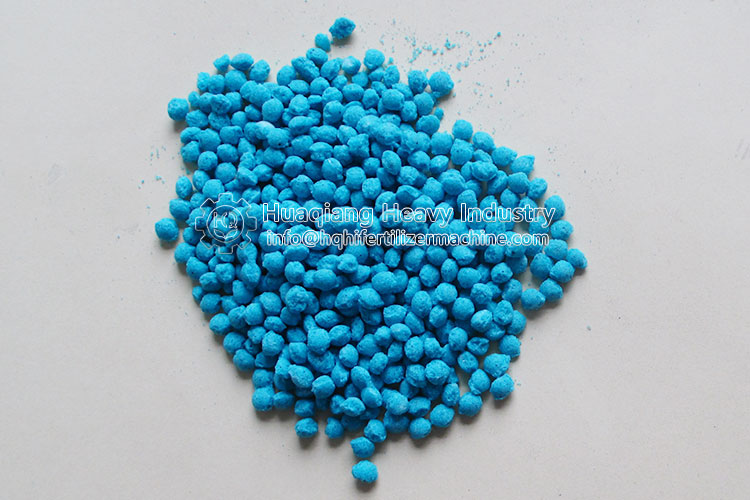
Following material preparation, the mixture enters various fertilizer granulation processes. Modern fertilizer granulation technology offers both wet granulation processes, such as using a disc granulator for shaping spherical particles in a disc granulation production line, and dry granulation processes employing equipment like the double roller press granulator in a roller press granulator production line. These diverse fertilizer production machine technology options allow manufacturers to select the optimal method—whether using a disc granulator machine for standard products or specialized presses for specific formulations—to create enhanced fertilizers that combine biochar’s soil benefits with precise nutrient delivery, supporting sustainable agriculture through advanced material science and processing engineering.