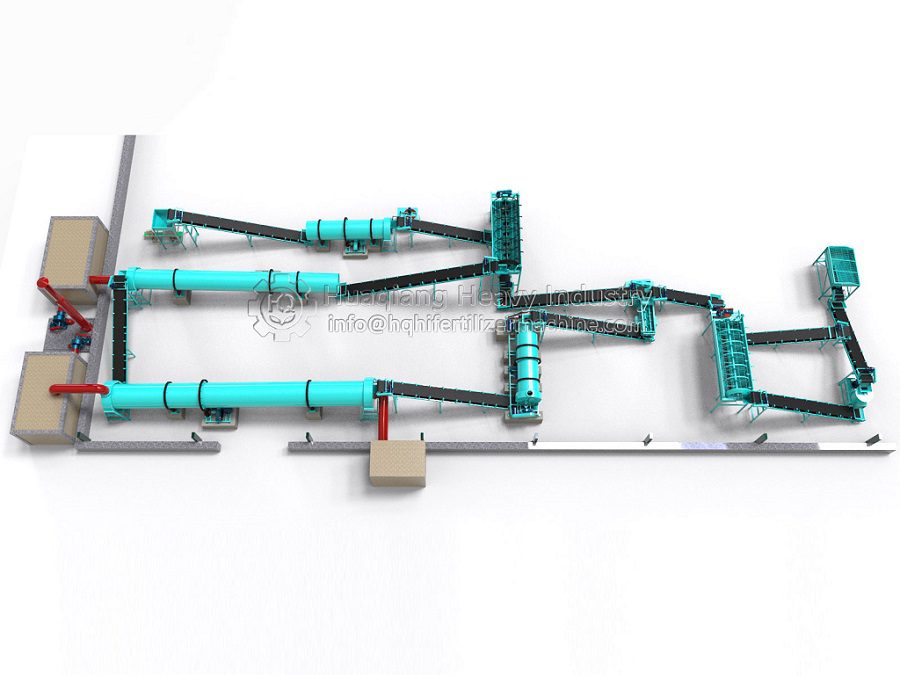
Analysis of Diammonium Phosphate Granulation Process

Process Overview

Diammonium phosphate (DAP), as a crucial high-concentration compound phosphate fertilizer globally, primarily employs slurry granulation and drying technology, accounting for over 80% of worldwide DAP production. This process perfectly integrates chemical reactions with physical granulation, enabling continuous, large-scale production from raw materials to finished products.

The core of DAP granulation lies in the organic combination of “acid-ammonia neutralization reaction + granulation and forming,” ensuring the final product achieves ideal particle size distribution, mechanical strength, and nutrient content through precise control of reaction conditions and granulation parameters.

Raw Material Preparation and Pretreatment

Main raw materials for DAP production include wet-process phosphoric acid, liquid ammonia, and auxiliary materials. Wet-process phosphoric acid requires rigorous pretreatment to remove impurities such as iron, aluminum, and magnesium through sedimentation or purification filtration, ensuring final product purity and water solubility. Liquid ammonia serves as both neutralizer and nitrogen source, with purity requirements exceeding 99.5%.

Auxiliary materials include monoammonium phosphate powder for adjusting product nutrient ratios; anti-caking agents like fatty acid amides to prevent product caking during storage; and additives such as silicon compounds to improve particle flowability.

Core Production Process Flow

Neutralization Reaction Process

Wet-process phosphoric acid and liquid ammonia undergo vigorous exothermic reaction in the neutralization reactor, with temperature controlled at 150-180°C and pressure maintained at 0.8-1.2MPa. This critical step generates DAP slurry with 75%-85% concentration, containing approximately 46% P₂O₅ and 18% nitrogen.

Slurry Granulation Process

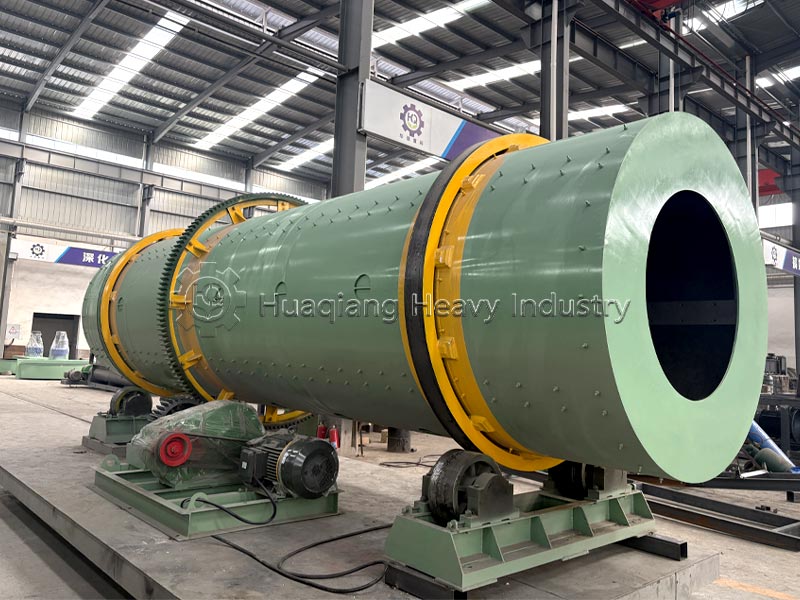
DAP slurry is atomized through high-pressure spray guns into the slurry granulation dryer. Inside the rotating drum, atomized slurry droplets collide and combine with pre-added return fine powder, forming initial seed particles. These seed particles continuously adsorb surrounding slurry droplets and fine powder under the combined action of drum rotation and hot air, gradually growing to the target particle size of 2-4 millimeters.

Drying and Solidification Stage

During granulation, 180-220°C hot air is introduced from the dryer end, counter-currently contacting the material to rapidly evaporate moisture from the particles. This process reduces particle moisture content from 10%-15% to 2%-3%, while promoting DAP crystallization and solidification, achieving particle compressive strength above 25N per particle to meet transportation and storage requirements.

Screening and Return Material Circulation

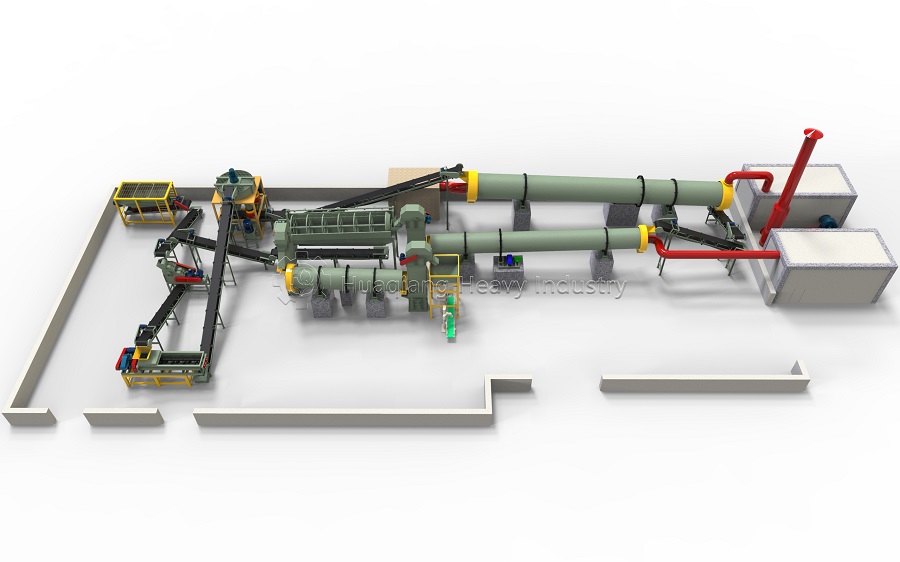
Cooled particles enter the grading screen system, separating qualified products, overly fine powder, and oversized particles. Fine powder and crushed oversized particles return to the granulator as return material, forming an efficient closed-loop circulation system that significantly improves raw material utilization and reduces production costs.

Synergistic Role of Granulators and Crushers

Functional Positioning Differences

In a diammonium phosphate (DAP) production system, granulators and crushers play distinct but complementary roles. Granulators are responsible for “assembling dispersed sand particles into towers,” transforming dispersed powdery raw materials and liquid slurries into regular granular products; while crushers are responsible for “crushing tower-shaped particles into sand particles,” breaking up oversized particles into fine powder for return to the granulation system.

Process Synergy Effects

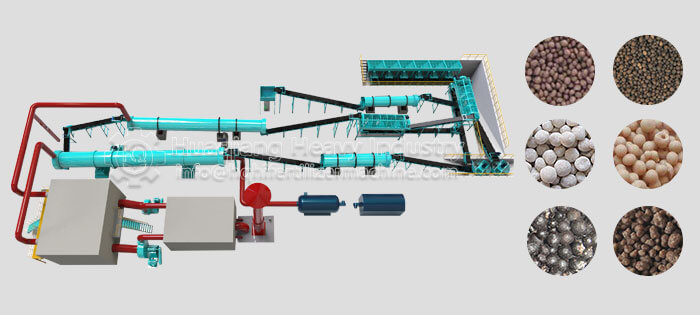
The two types of equipment together constitute a closed-loop system for DAP production. Granulators serve as core forming equipment, ensuring products meet expected particle size and strength requirements; crushers function as auxiliary equipment, processing screened-out non-conforming products to achieve material recycling. This synergistic cooperation not only enhances production efficiency but also minimizes material waste to the greatest extent.

Environmental Protection and Quality Control

Modern DAP production processes place high importance on environmental protection and product quality. Ammonia-containing exhaust gas generated during production is recovered through dilute phosphoric acid scrubbers, and the generated ammonium phosphate solution can be returned to the reactor for reuse, achieving resource recycling. Meanwhile, by precisely controlling the reaction pH value within the range of 7.5-8.0, stable diammonium phosphate products are ensured, avoiding by-product formation.

The final coating process provides effective anti-caking protection for DAP particles, ensuring the product maintains good physical properties during storage and transportation, guaranteeing high-quality phosphate fertilizer supply for global agricultural production.

Integrating DAP Production Principles into Modern NPK Fertilizer Manufacturing

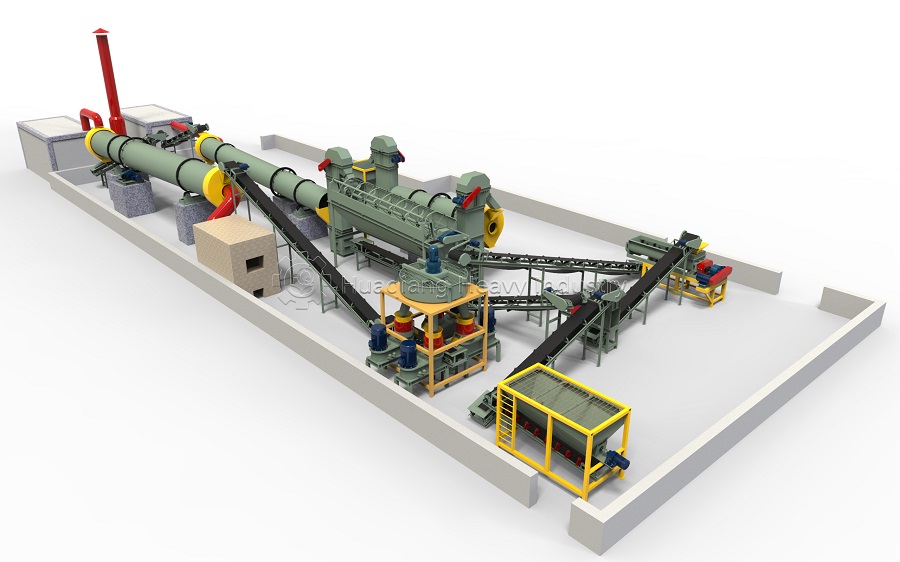
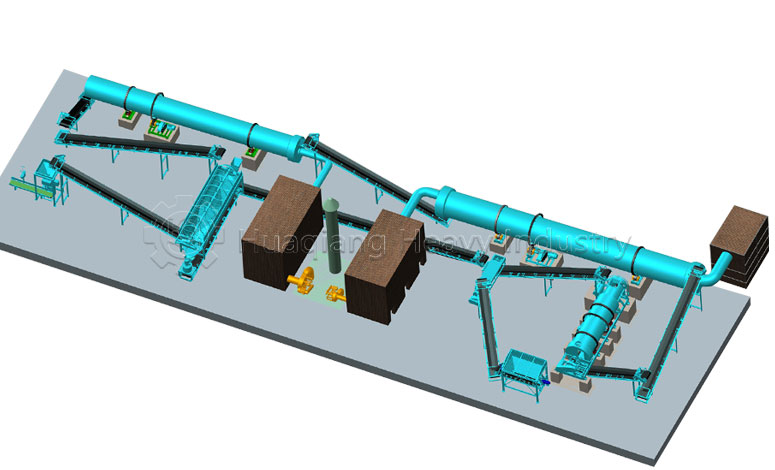
The sophisticated slurry granulation technology used in diammonium phosphate production shares fundamental principles with modern npk fertilizer manufacturing process systems. While DAP focuses on phosphate-ammonia reactions, comprehensive npk fertilizer production line configurations must balance multiple nutrient sources through advanced npk granulation machine technology. The core fertilizer granulation principles demonstrated in DAP production – including precise raw material preparation, controlled reaction conditions, and efficient recycling systems – directly inform the broader manufacturing of npk fertilizer across the industry.

Modern npk fertilizer production technology incorporates various approaches, from chemical granulation using specialized npk fertilizer granulator machine equipment to physical blending through npk bulk blending machine systems. The disc granulator machine represents one alternative technology that, like DAP slurry granulation, creates uniform particles through rotational motion and liquid binding. Complete npk fertilizer production line setups integrate multiple equipment types, including fertilizer mixer machine units for raw material preparation and bulk blending fertilizer machine systems for specific product requirements.

The evolution of npk granulation machine technology continues to draw inspiration from specialized processes like DAP production while adapting to handle diverse nutrient combinations. From basic npk blending machine operations to sophisticated chemical granulation systems, modern npk fertilizer machine manufacturers leverage these interconnected technological principles to produce high-quality compound fertilizers that meet the precise nutritional needs of contemporary agriculture.

Modern bio-organic fertilizer production technology: The transformation from waste to high-efficiency fertilizer

Modern bio-organic fertilizer production relies on specialized equipment to construct a complete bio-organic fertilizer production line, efficiently transforming agricultural waste into functional fertilizer rich in active microbial communities.

The entire bio-organic fertilizer production line begins with the refined pretreatment of raw materials. Specialized bio-organic fertilizer equipment precisely separates impurities and adjusts the composition of raw materials such as livestock manure and straw, creating optimal conditions for subsequent microbial fermentation. Precise control of the carbon-nitrogen ratio and moisture content of the materials at this stage directly affects the subsequent fermentation efficiency and microbial activity.

In the core fermentation section, the windrow compost turning machine plays an irreplaceable role. This specialized equipment ensures sufficient oxygen supply to the fermenting materials through slow and uniform turning operations, while effectively regulating the compost temperature.

The addition of functional microbial agents is a critical step in bio-organic fertilizer production. Modern bio-organic fertilizer equipment can precisely inoculate selected functional strains into the fermented materials under specific temperature and humidity conditions. This step requires extremely high environmental control capabilities from the equipment, ensuring that the microbial agents maintain optimal activity during inoculation.

In the granulation and post-processing stages, the bio-organic fertilizer production line exhibits unique technological characteristics. The specialized granulation equipment employs a gentle molding process, ensuring granule strength while maximizing the protection of microbial activity. Subsequent low-temperature drying and fine screening systems work together to ensure the final product meets standard physical properties and microbial content requirements.

NPK fertilizer production line: Key technologies for scientific formulation and efficient production

In the modern fertilizer industry, the NPK fertilizer production line exhibits a precise and efficient process. From raw material processing to finished product packaging, each step reflects modern industry’s pursuit of precision and stability.

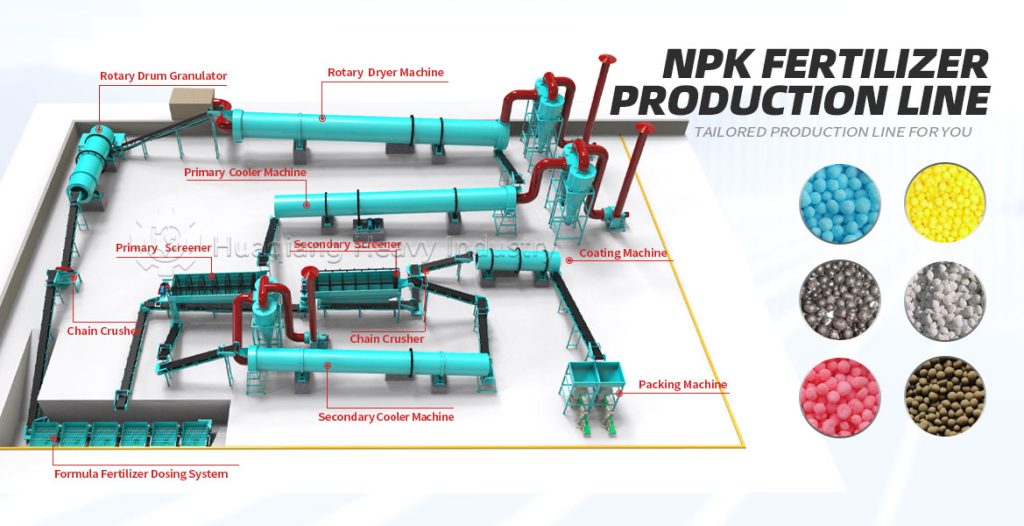
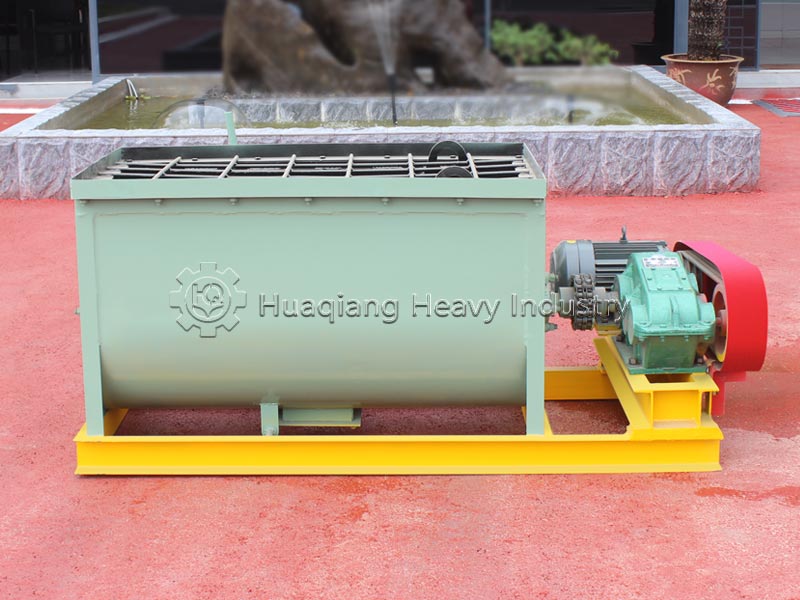
The production process begins with the scientific formulation of raw materials. Nitrogen, phosphorus, and potassium base materials are precisely proportioned using an NPK blending machine; this crucial step ensures the accuracy and uniformity of the product’s nutrients. Subsequently, the formulated raw materials enter a fertilizer mixer machine for thorough mixing, laying the foundation for the subsequent granulation process.

The granulation process is the core technology of the NPK fertilizer production line. Depending on product characteristics and production scale, different process routes can be selected, such as rotary drum granulation or extrusion granulation. Among these, rotary drum granulation technology, with its continuous production capability, occupies an important position in large-scale NPK fertilizer production lines.

The drying and cooling system is a crucial link in ensuring product quality. Newly generated granules need to undergo a precisely temperature-controlled drying process to remove excess moisture while maintaining the chemical stability of the nutrients. The subsequent cooling process lowers the product temperature to a suitable range, creating conditions for later screening and packaging.

With the increasing demands for precision fertilization in modern agriculture, NPK fertilizer production lines are developing towards greater environmental friendliness and energy efficiency. New NPK blending technologies and highly efficient, energy-saving fertilizer mixing equipment are constantly emerging, driving technological upgrades across the entire industry. These technological advancements will ultimately translate into higher-quality, more environmentally friendly fertilizer products, providing strong support for the sustainable development of modern agriculture.

The core role of chain crushers in organic fertilizer production

In the organic fertilizer production process, material crushing is a critical pretreatment step, and chain crushers, with their outstanding performance, are the preferred equipment for this purpose. Organic fertilizer raw materials often contain lumps or medium-hard impurities. Inadequate crushing can affect the efficiency of subsequent granulation and mixing processes, as well as the quality of the finished product. It can even lead to problems such as material jamming in the granulator and uneven granulation in the finished fertilizer.

Designed specifically for the characteristics of organic fertilizer, chain crushers can efficiently crush a wide range of organic fertilizer raw materials, including those with a certain degree of moisture and viscosity, addressing the clogging and incomplete crushing issues of traditional crushing equipment. High-speed rotating chains and hammers impact and shear the material, while an adjustable screen allows for easy control of the crushed material’s particle size, meeting the stringent fineness requirements of organic fertilizer production.

Furthermore, the equipment’s sturdy structure, with core components made of wear-resistant steel, can withstand long-term, intensive operation, minimizing production interruptions. This provides a strong guarantee for the stable operation of organic fertilizer production lines, helping companies improve the yield rate of finished fertilizers and production efficiency.

Organic fertilizer production: The green art of transforming waste into treasure

With sustainable agriculture gaining increasing attention, organic fertilizer production has quietly become a crucial bridge between environmental protection and agricultural development. This seemingly simple organic fertilizer production line is actually a sophisticated journey of transforming waste into treasure.

Organic fertilizer originates from a variety of organic waste. Once a major headache, waste materials like livestock and poultry manure, crop straw, and food processing residues have become core raw materials. These materials first undergo pretreatment to remove impurities and undergo pulverization to adjust their physical structure. These raw materials then enter the fermentation stage, the heart of the entire process. Under specific temperature and oxygen conditions, microorganisms actively work, breaking down large organic molecules into smaller molecules that are more easily absorbed by plants, while also killing pathogens and weed seeds.

After fermentation is complete, the material enters the crucial formation stage—granulation. The fertilizer granulator plays a crucial role, using physical pressure to compress the loose powdered fertilizer into granules. This significantly reduces transportation and storage space.

The entire organic fertilizer production line, from raw material pretreatment, fermentation, and granulation to final drying, cooling, screening, and packaging, is closely coordinated. Modern production lines are moving towards greater automation and intelligence, aiming to precisely control every process parameter to ensure a stable and efficient final product.

How does a large wheel compost turning machine ensure fermentation quality in organic fertilizer production?

On an organic fertilizer production line, several core pieces of equipment set the tone for production. In the vast composting yard, you’ll see a silent, massive steel machine—the large wheel compost turning machine. As a crucial piece of organic fertilizer production equipment, it exists in the most direct and powerful way.

Its work is a cyclical dance, the cornerstone of the entire organic fertilizer production line’s efficient operation. The huge disc rotates at a uniform speed, its heavy teeth digging deep into the material. The originally compacted pile is easily broken up, lifted, and traces a parabola in the air, remixing into a loose new pile. Each turn is a forced breath, laying a uniform material foundation for subsequent deep processing, including the fine operation of the organic fertilizer granulator.

Without a complex control system, its power stems from the most direct mechanical transmission. The steel frame remains motionless under continuous heavy loads, demonstrating the reliability expected of heavy-duty organic fertilizer production equipment. Wherever it passes, the pile temperature becomes uniform and the texture consistent, supplying qualified semi-finished products for the next stage of the production line.

Day after day, it travels along the organic fertilizer production line, transforming waste organic matter into fertile “black gold” through the most physical means. These well-rotted raw materials are finally fed into the organic fertilizer granulator, shaping them into neat, uniform granules of fertilizer.

Telescopic Belt Conveyor: Effortless Material Handling

In modern industrial production, the telescopic belt conveyor has become an indispensable material handling equipment with its elegant and efficient operation. It functions like a perpetual industrial artery, seamlessly connecting raw materials and finished products between different processes.

Ingenious Working Principle: Simple Yet Sophisticated

Initialization: The Power Source

When the drive system activates, the motor powers the reducer, transmitting energy to the conveyor belt through the drive drum. This process is smooth yet powerful, much like an experienced conductor wielding a baton, initiating harmonious operation throughout the system.

Material Transportation: A Smooth Journey

Materials are evenly distributed onto the moving conveyor belt, embarking on their journey accompanied by gentle mechanical sounds. The idler system acts as loyal guardians, ensuring the belt remains stable and materials travel securely.

Direction Change and Discharge: Graceful Finale

As the conveyor belt reaches the reversing drum, it skillfully changes direction, allowing materials to discharge naturally under gravity. This process is precise and elegant, resembling a carefully choreographed dance where every movement is perfectly timed.

Outstanding Features: Why It’s Highly Valued

Continuous Efficiency

Enables 24/7 uninterrupted operation, significantly boosting productivity while reducing labor costs.

Wide Applicability

Handles everything from fine granules to large packages, lightweight materials to heavy cargo.

Smooth Operation

Precision support systems and balanced design ensure stability during material transportation.

Easy Maintenance

Modular design simplifies maintenance procedures, significantly reducing downtime.

Flexible Adjustment

Length and inclination can be flexibly adjusted to accommodate various complex working conditions.

Safety Assurance

Multiple safety protection devices provide comprehensive security for both operators and equipment.

Particularly noteworthy is its exceptional adaptability. Whether in rugged terrain deep within mines or pristine clean rooms in modern factories, the telescopic belt conveyor integrates perfectly into various working environments with its unique flexibility, serving as a reliable link between production processes.

The telescopic belt conveyor represents not only the wisdom of mechanical engineering but also a crucial guarantee for modern industrial production efficiency. With its simple yet reliable working principle and excellent performance characteristics, it plays an irreplaceable role in industrial scenarios worldwide, continuously driving industrial production toward greater efficiency and intelligence.

Integrating Telescopic Belt Conveyors into Modern Fertilizer Production Lines

The telescopic belt conveyor serves as a vital connecting component in modern fertilizer manufacturing, seamlessly integrating various processing stages within complete production systems. In comprehensive npk fertilizer production line configurations, these conveyors efficiently transport raw materials to npk blending machine units and subsequently transfer blended materials to granulation equipment. The flexibility of telescopic conveyors makes them particularly valuable in large-scale operations handling the substantial NPK compound fertilizer production capacity required by global agriculture markets.

Throughout different fertilizer granulation processes, telescopic belt conveyors provide essential material handling between key equipment. They transport composted materials from windrow composting machine stations to disc granulator machine units in organic fertilizer production line setups, and similarly serve roller press granulator production line operations by feeding materials to double roller press granulator equipment. This continuous material flow is essential for maintaining efficiency across the complete disc granulation production line and other manufacturing systems.

The versatility of telescopic conveyors extends to specialized applications like bio organic fertilizer production line configurations, where they handle sensitive microbial-enriched materials. As integral components of modern fertilizer equipment arrays, these conveyors support the entire production ecosystem – from initial material reception through final packaging – ensuring that every fertilizer granulator, whether disc granulator or compression-based system, receives consistent material supply for optimal operation and product quality.

Mechanism and process optimization of high-concentration alkali pretreatment to enhance biogas conversion from oil palm waste

Background and Challenges

As major global palm oil producers, Indonesia and Malaysia generate substantial amounts of oil palm empty fruit bunch (OPEFB) waste annually. Traditionally disposed of through incineration, this practice not only causes air pollution but also wastes valuable biomass resources. OPEFB, as a lignocellulosic material, has a complex structure that makes direct anaerobic digestion inefficient, requiring effective pretreatment methods to enhance biological conversion efficiency.

Indonesia and Malaysia alone produce over 17 million and 15 million tons of OPEFB annually, respectively. Converting this waste into biogas not only addresses environmental pollution issues but also provides renewable fuel for the transportation sector, offering multiple environmental benefits.

Pretreatment Technology Research

Alkaline Pretreatment

Using 8% sodium hydroxide solution to pretreat OPEFB, researchers studied the effects of different treatment durations on biogas production. Results showed that 60 minutes of pretreatment effectively disrupted the lignocellulosic structure and significantly increased methane production. This high-concentration alkaline treatment method offers the advantage of operating at ambient pressure and relatively low temperatures, with the possibility of reagent recovery, providing good economic and environmental benefits.

Phosphoric Acid Pretreatment

Treatment with 85.7% concentrated phosphoric acid effectively breaks down the resistant structures of lignin and hemicellulose. The prominent advantage of phosphoric acid pretreatment is the possibility of reagent recovery and reuse, though research on its application for improving biogas production remains limited and requires further exploration and optimization.

Research Findings and Discoveries

Systematic experimental research revealed that alkaline pretreatment significantly alters the carbohydrate structure of OPEFB, making it more easily degradable by microorganisms. Composition analysis showed that untreated material contained 24.6% lignin, primarily acid-insoluble lignin. After 60 minutes of alkaline treatment, lignin content noticeably decreased, and cellulose crystallinity reduced. These structural changes directly enhanced anaerobic digestion efficiency.

Compared to mechanical pretreatment, chemical pretreatment demonstrates superior performance in improving biological conversion efficiency, despite potential inhibitor production. Particularly, alkaline pretreatment at appropriate concentrations and durations effectively enhances biogas production without generating significant inhibitors.

Environmental Significance and Application Prospects

Converting OPEFB into biogas not only addresses waste management issues but also provides new pathways for renewable energy production. This conversion model aligns with circular economy principles and can significantly reduce greenhouse gas emissions, particularly in replacing fossil fuels in the transportation sector.

Research demonstrates that OPEFB can be efficiently converted into biogas through appropriate pretreatment technologies. Alkaline pretreatment using 8% sodium hydroxide solution for 60 minutes shows optimal results, providing technical basis for large-scale industrial application. These research findings offer new directions for sustainable development in the palm oil industry, possessing significant practical importance and promotion value.

Integrating OPEFB Processing into Modern Fertilizer Production

The effective utilization of Oil palm empty fruit bunch (OPEFB) represents a significant opportunity for sustainable fertilizer production in palm-growing regions. Following appropriate pretreatment, this abundant agricultural waste can be integrated into comprehensive organic fertilizer production line systems. Initial pre-composting processing equipment such as the chain compost turner and large wheel compost turning machine facilitates the organic fertilizer fermentation of OPEFB materials, transforming waste into valuable organic fertilizer components.

Once properly composted, the processed OPEFB can be granulated using various fertilizer granulator technologies. The rotary drum granulator and drum granulator utilize drum granulation principles to create uniform organic fertilizer pellets, while the double roller press granulator and fertilizer roller press machine offer alternative compaction methods. For operations requiring blended products, the material can be incorporated into npk fertilizer production line configurations as an organic component within the broader npk fertilizer manufacturing process.

The integration of OPEFB into both bio organic fertilizer production line and conventional npk production line systems demonstrates how agricultural waste can be transformed into valuable fertilizers. From initial processing with wheel compost turner equipment to final granulation using npk fertilizer granulator technology, this approach supports circular economy principles while addressing waste management challenges in the palm oil industry through innovative npk manufacturing process adaptations.

Are composting machines really effective?

Actual Effectiveness of Composters

Composters significantly improve the speed and quality of organic waste conversion into premium fertilizer through scientific control of the composting environment. Compared to traditional open-air composting, qualified composters can shorten the maturation period from the original 3-6 months to 15-45 days, improving efficiency by 3-6 times. This efficiency improvement primarily benefits from the equipment’s precise control over temperature, ventilation, and turning.

Core Advantages

Composters can operate continuously at 55-65°C for 3-5 days, effectively eliminating over 90% of pathogens, insect eggs, and weed seeds. Meanwhile, the sealed design prevents odor diffusion and nutrient loss. The final compost product can achieve organic matter content exceeding 45%, fully complying with national standards for organic fertilizers.

Choosing the Right Composter Type

The effectiveness of composters largely depends on selecting the appropriate equipment type. High-temperature aerobic turners are suitable for large-scale production, completing the maturation process within 15-30 days; trough composters suit small and medium-sized farms with stable operation and easy management; while rotary composters are more suitable for home and small garden use, offering good sealing and convenience.

It’s important to note that static compost bins, due to their lack of active ventilation and turning functions, have lower processing efficiency. They are only suitable for processing dry materials like straw and fallen leaves, and not suitable for high-moisture kitchen waste or livestock manure.

Key Elements of Compost Production

Raw Material Ratio as Foundation

Successful compost production begins with correct raw material ratios. The carbon-to-nitrogen ratio should be controlled between 25-30, with moisture content maintained at 55%-60%. For example, the mixture of chicken manure and straw forms an ideal combination, with chicken manure providing nitrogen sources and straw providing carbon sources, complementing each other.

Fermentation Process Control

The fermentation process divides into three stages: temperature rise phase, high-temperature phase, and cooling phase. Maintaining temperatures of 55-65°C during the high-temperature phase is crucial, as it not only accelerates organic matter decomposition but also effectively eliminates pathogens. Proper turning and ventilation ensure oxygen supply, promoting aerobic microorganism activity.

Post-processing and Quality Verification

Mature compost requires screening to remove undecomposed coarse particles. Qualified compost should appear dark brown, possess an earthy fragrance, and have a loose, porous texture. Industrial-scale production also requires professional harmless treatment testing to ensure product safety and reliability.

Operation Essentials and Common Misunderstandings

Several key points require attention when using composters: avoid excessive turning that causes nitrogen loss, promptly adjust moisture content, and ensure sufficient duration of the high-temperature phase. Simultaneously, strictly prohibit mixing non-decomposable substances like plastics and glass into raw materials, as these materials not only affect compost quality but may also cause environmental pollution.

Whether for small-scale home production or industrial large-scale production, the core principles of composting remain the same. Correct equipment selection combined with scientific operation methods can transform organic waste into valuable resources, achieving ecological cycling and sustainable development.

Application Value of Compost

High-quality compost serves not only as efficient organic fertilizer but also as an excellent soil amendment. It improves soil structure, increases soil organic matter content, and enhances crop stress resistance and quality. From home potted plants to large-scale agricultural production, compost can play important roles, serving as a key element in promoting green agricultural development.

Integrating Composting into Modern Fertilizer Manufacturing Systems

The efficiency of modern composters represents just the initial phase in comprehensive organic fertilizer manufacturing. Advanced fermentation composting technology for organic fertilizer utilizes equipment like the large wheel compost turner, chain compost turning machine, and trough-type compost turner to optimize the organic fertilizer fermentation process. These machines are essential components among the equipments required for biofertilizer production, ensuring efficient windrow composting through sophisticated fermentation composting turning technology.

Following the composting phase, complete fertilizer production machine systems utilize granulation equipment such as the disc granulator, rotary drum granulator, and double roller press granulator to transform mature compost into uniform granules. The drum granulation process produces high-quality organic fertilizers, while drum organic fertilizer dryer units ensure proper moisture control. For operations requiring specialized solutions, the hydraulic trough compost turner provides efficient turning for challenging materials.

Whether establishing a dedicated bio organic fertilizer production line or integrating composting with npk fertilizer production line operations, modern fertilizer making machine systems demonstrate remarkable versatility. From initial organic fertilizer fermentation using large wheel compost turning machine equipment to final granulation through various fertilizer granulator technologies, these integrated approaches enable manufacturers to produce high-value fertilizers that support sustainable agriculture while efficiently managing organic waste streams.

Disc Granulator: Snowballing Granulation Technology

Working Principle and Core Structure

The disc granulator is widely used in fertilizer production, with its core working principle based on the mechanical effects generated by the rotation of an inclined disc. When the disc rotates at specific angles and speeds, materials undergo transformation from powdered raw materials to uniform granules under the combined action of centrifugal force, gravity, and friction. This “snowballing” granulation process makes disc granulators particularly important in small and medium-scale fertilizer production.

The core components of the disc granulator include the inclined disc, transmission system, spraying device, and discharge outlet. Among these, the adjustable inclined disc is the key component, with its angle changes directly affecting material residence time and particle growth rate.

Three Stages of Granulation Process

Nuclei Formation Stage

The granulation process begins with the formation of tiny nuclei. After spraying an appropriate amount of binder, powdered raw materials form approximately 0.5mm diameter micro-nuclei through mutual adsorption and agglomeration under the collision and compression effects generated by disc rotation. Binder control at this stage is crucial, as excessive amounts cause material clumping while insufficient amounts prevent effective nuclei formation.

Particle Growth Stage

During continuous rotation, nuclei continuously adsorb surrounding powder through the cyclic path of “spiral rise and fall,” gradually growing like rolling snowballs. By adjusting the disc’s inclination angle and rotation speed, particle growth rate and final particle size can be precisely controlled, achieving accurate control of the target particle size of 2-4mm.

Particle Shaping Stage

Particles that have reached the target size continue to roll within the disc. Through continuous collision and compression, the internal structure of particles becomes more compact, and surfaces become smoother. This process significantly enhances particle mechanical strength, ensuring fertilizer integrity during subsequent transportation and use.

Key Control Parameters

Inclination Angle Adjustment

The disc’s inclination angle is the most critical parameter affecting granulation effectiveness. An inclination range of 35-45 degrees typically provides optimal granulation results. Angles that are too small cause material accumulation, while angles that are too large shorten material residence time, affecting particle quality.

Rotation Speed Optimization

A rotation speed range of 15-25 rpm balances the relationship between centrifugal force and gravity, ensuring ideal material motion trajectory. Rotation speed needs to match the disc diameter, with larger diameter discs requiring relatively lower speeds.

Precise Humidity Control

Controlling material humidity within the 8%-15% range is essential for successful granulation. Appropriate humidity provides sufficient binding force without causing excessive material adhesion. Binder selection requires optimization based on raw material characteristics.

Application Advantages and Scope

Disc granulators play an important role in fertilizer manufacturing with their unique advantages. The produced particles feature high sphericity, smooth surfaces, and excellent strength, making them particularly suitable for organic fertilizer, compound fertilizer, and biofertilizer production. The equipment’s simple structure, easy operation, and convenient maintenance make it especially suitable for small and medium-sized fertilizer production enterprises.

Although disc granulators have capacity limitations in large-scale production, their excellent particle quality, flexible adjustment performance, and low investment costs make them ideal choices for granulation processes in small and medium-sized fertilizer plants. Through precise control of various parameters, disc granulators can stably produce high-quality fertilizer particles that meet various agricultural needs.

Integrating Disc Granulation into Modern Fertilizer Manufacturing

The disc granulator represents a crucial component in modern npk fertilizer production line configurations, offering unique advantages for specific production requirements. While the disc granulator machine excels in producing spherical, uniform particles through its unique fertilizer granulation mechanism, it operates alongside other technologies in complete manufacturing systems. The npk fertilizer manufacturing process often integrates multiple approaches, including npk blending machine operations for physical mixing and more advanced npk granulation machine technology for chemical granulation.

In comprehensive npk production process setups, the disc granulator typically follows initial material preparation using fertilizer mixer machine equipment. For operations focusing on manufacturing of npk fertilizer through blending rather than chemical granulation, npk bulk blending machine and bulk blending fertilizer machine units provide alternative solutions. The selection between these technologies depends on specific product requirements, with the npk fertilizer granulator machine offering chemical bonding while blending equipment provides physical mixture options.

Modern npk manufacturing continues to evolve, with the npk fertilizer production process incorporating increasingly sophisticated control systems. From basic npk fertilizer machine units to complete automated lines, the industry benefits from diverse technological approaches. While some facilities integrate fermentation composting technology for organic fertilizer for specialized products, the fundamental npk granulation machine principles remain essential knowledge for optimizing fertilizer production across different scales and product types.