In today’s growing emphasis on organic agriculture, mastering scientific organic fertilizer fermentation techniques and application methods is crucial for improving crop yield and quality. Every step, from fermentation turning to field application, requires precise control.
Fermentation Turning: Core Technology of Aerobic Fermentation
Turning operations are a critical link in the aerobic fermentation process of organic fertilizer, directly affecting fermentation efficiency and final product quality. Modern organic fertilizer production mainly uses professional equipment such as trough turners, wheeled turners, and chain plate turners, which can efficiently complete material mixing and aeration. The timing of turning is particularly important – the first turning occurs on the third day after the pile temperature reaches 55°C during the heating phase, every 2-3 days during the high-temperature phase, and extended to 5-7 days during the cooling maturation phase. Proper turning operation requires turning bottom materials to the top and edge materials to the center, ensuring all materials evenly contact oxygen.
Turning is not just simple material mixing, but precise regulation of the fermentation process. Through timely turning, the optimal temperature range of 55-65°C can be effectively maintained, avoiding local anaerobic environments that produce odors, while promoting complete decomposition of organic matter.
Scientific Application: Site-Specific Fertilization Strategies
Organic fertilizer application requires developing personalized plans based on crop type, soil conditions, and growth stages. Base fertilizer application should be done before sowing or transplanting, with organic fertilizer evenly spread and deep plowed 20-30 centimeters to fully mix with soil. Top dressing should be applied during key crop growth periods, supplementing nutrients through trenching or hole application. For facility agriculture, fertigation or drip irrigation methods can be used, applying dissolved organic fertilizer through irrigation systems. Foliar spraying is suitable for crop seedling and flowering/fruiting stages, enabling rapid nutrient supplementation.
Storage Management: Key to Maintaining Fertilizer Efficiency
Proper storage methods are crucial for maintaining organic fertilizer efficiency. Factory storage requires ensuring dry and ventilated warehouses, with moisture-proof pads laid on the ground, stacking height not exceeding 10 layers, and sufficient ventilation spacing reserved. For small-scale farmer storage, well-sealed packaging should be selected and placed in dry, ventilated areas, avoiding rain and direct sunlight. Both factories and farmers should follow the first-in-first-out principle and use within the shelf life to ensure fertilizer effectiveness.
The scientific use of organic fertilizer is a systematic project, from fermentation production to field application, and then to storage management, each link requires professional knowledge and careful operation. Only by comprehensively mastering these technical points can organic fertilizer fully play its role in improving soil and enhancing crop quality, achieving sustainable agricultural development.
Integrated Systems for Modern Organic Fertilizer Production
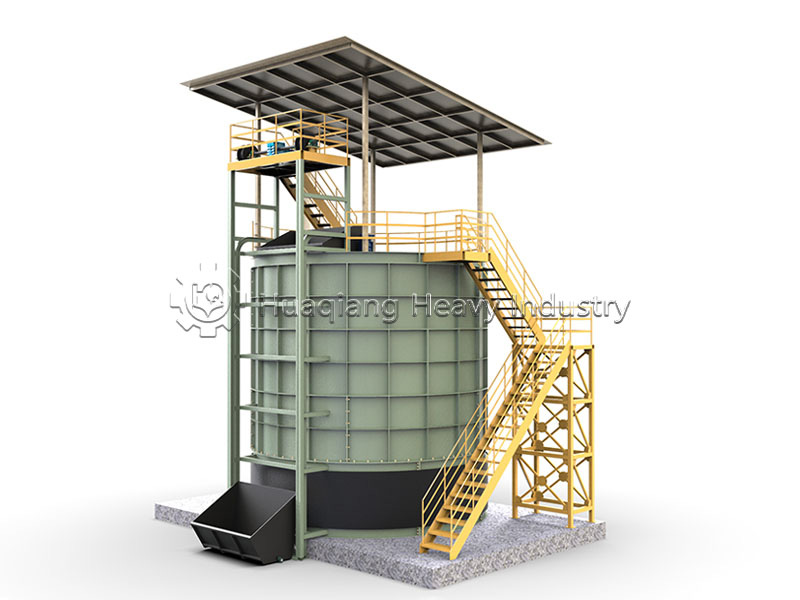
The scientific application of organic fertilizers begins with efficient production systems. Modern organic fertilizer production line operations integrate advanced organic fertilizer fermentation equipment including the chain compost turner and large wheel compost turner to optimize the aerobic decomposition process. These specialized turning machines ensure proper aeration and temperature control during fermentation, which is fundamental for producing high-quality organic amendments. For enhanced biological activity, the bio organic fertilizer production line incorporates additional microbial inoculation stages following the fermentation process.
Following complete maturation, the fermented material proceeds to the organic fertilizer granulator for transformation into uniform, easy-to-handle pellets. This integrated approach—combining precise fermentation management with controlled granulation—ensures consistent product quality from production through field application. The synergy between optimized fermentation techniques and modern processing equipment enables the creation of organic fertilizers that not only improve soil structure and fertility but also support sustainable agricultural practices by efficiently recycling organic waste into valuable soil amendments. As organic agriculture continues to expand globally, these advanced production systems play an increasingly vital role in supporting soil health, crop productivity, and environmental sustainability through scientifically managed nutrient cycling.