Microbial fertilizers, also known as microbial fertilizers, are a type of fertilizer made with specific live beneficial microorganisms as the core functional component, combined with organic matter, carriers, or small amounts of nutrients. They themselves do not contain macro- or micronutrients; their core function is to improve the soil’s micro-ecological environment, activate soil nutrients, and stimulate crop growth through the life activities of microorganisms. When used in conjunction with chemical fertilizers and organic fertilizers, they achieve multiple effects of “promoting growth, resisting disease, and improving quality,” making them a key fertilizer category for developing green agriculture.
Core Mechanism of Action
The efficacy of microbial fertilizers depends entirely on the metabolic activities of beneficial microorganisms, primarily through the following four pathways:
Activating Soil Nutrients and Enhancing Fertilizer Utilization
The soil contains a large amount of “fixed” nutrients that are difficult for crops to directly absorb (such as insoluble phosphorus, potassium, and organic nitrogen). Beneficial microorganisms can secrete organic acids and enzymes to decompose and convert these nutrients into soluble nutrients.
Phosphate-solubilizing bacteria: Secrete organic acids to dissolve calcium phosphate, iron phosphate, etc., in the soil, releasing available phosphorus.
Potassium-solubilizing bacteria: Decompose minerals such as feldspar and mica, releasing potassium ions.
Nitrogen-fixing bacteria: Convert atmospheric nitrogen into ammoniacal nitrogen for crop absorption (e.g., nitrogen fixation through symbiotic relationships between rhizobia and legumes).
Producing growth-promoting substances to stimulate crop growth: Beneficial microorganisms secrete plant growth regulators during metabolism, including auxins, cytokinins, and gibberellins, promoting root development, accelerating stem and leaf growth, and enhancing the crop’s ability to absorb water and nutrients.
Suppressing soil-borne diseases and mitigating continuous cropping obstacles: Beneficial microorganisms can seize living space around crop roots through “occupancy effects” and “antagonistic effects,” inhibiting the reproduction of pathogens; simultaneously, they secrete antibacterial substances (such as antibiotics and chitinase) to directly kill or inhibit soil-borne disease pathogens (such as wilt and root rot pathogens), thereby mitigating the accumulation of soil diseases caused by continuous cropping.
Improving Soil Structure and Optimizing the Micro-ecological Environment
Microbial metabolites (such as polysaccharides and humic acids) promote soil aggregate formation, improve soil aeration and water and fertilizer retention capacity; simultaneously, the proliferation of beneficial microorganisms regulates the balance of the soil microbial community, reduces the number of harmful microorganisms, and improves soil health.
Main Product Types and Applicable Scenarios
Based on the types and functions of the microorganisms they contain, microbial fertilizers can be divided into 5 categories, specifically tailored to the needs of different crops and soils:
Rhizobium Agents
Core Strain: Rhizobium (e.g., soybean rhizobium, peanut rhizobium).
Functional Characteristics: Forms root nodules in symbiosis with the roots of leguminous crops (soybeans, peanuts, peas, etc.), fixing atmospheric nitrogen and meeting 30%-80% of the crop’s nitrogen requirements, significantly reducing nitrogen fertilizer application.
Applicable Scenarios: Seed coating or base fertilizer for leguminous crops. Note the specificity of the strain and crop (e.g., soybean rhizobium cannot be used for peanuts).
Nitrogen-Fixing Bacterial Agents
Core strains: Free-living nitrogen-fixing bacteria and symbiotic nitrogen-fixing bacteria (e.g., *Azotobacter chrysophagus*).
Functional characteristics: Do not require symbiosis with crops; can independently fix nitrogen in the soil while secreting auxins to promote crop growth.
Applicable scenarios: Base fertilizer or top dressing for non-leguminous crops such as wheat, corn, and vegetables; suitable for improving nitrogen supply in poor soils.
Phosphorus- and potassium-solubilizing Bacterial Agents
Core strains: Phosphorus-solubilizing bacteria (e.g., *Bacillus megaterium*) and potassium-solubilizing bacteria (e.g., *Bacillus mucilaginosus*).
Functional characteristics: Decomposes fixed phosphorus and potassium elements in the soil, improving the utilization rate of phosphorus and potassium fertilizers and reducing fertilizer loss.
Applicable scenarios: Base fertilizer for field crops, fruit trees, and vegetables; especially suitable for plots with “soil compaction and nutrient fixation” caused by long-term application of chemical fertilizers.
Compound Microbial Agents
Core strains: A compound of multiple beneficial bacteria, including nitrogen-fixing bacteria, phosphorus-solubilizing bacteria, potassium-solubilizing bacteria, and disease-resistant bacteria.
Features: Combines multiple functions of “nutrient activation + growth promotion + disease resistance,” with a wide range of applications and more comprehensive effects.
Applicable Scenarios: Base fertilizer and top dressing for various crops, and soil improvement in areas with continuous cropping obstacles.
Bio-organic Fertilizer
Core Components: Beneficial microorganisms + well-rotted organic fertilizer (carrier).
Features: Combines the advantages of organic fertilizer (“soil improvement, providing organic matter”) and microbial fertilizer (“nutrient activation, disease resistance, and growth promotion”), providing a gentle and long-lasting fertilizer effect.
Applicable Scenarios: Base fertilizer for facility agriculture, fruit trees, and vegetables; an excellent alternative to traditional chemical fertilizers.

III. Core Advantages
Improved fertilizer utilization rate and reduced fertilizer usage
When used in conjunction with microbial fertilizers, it can increase fertilizer utilization rate by 10%-30%, reducing soil pollution and nutrient loss caused by excessive fertilizer application.
Relieves Continuous Crop Obstacles and Improves Soil Health
For greenhouse vegetables, fruit trees, and other fields with long-term continuous cropping, it effectively inhibits soil-borne diseases, restores the soil micro-ecology, and solves the problem of “repeated cropping leading to reduced yields.”
Green and Environmentally Friendly, Enhancing Agricultural Product Quality
Microbial fertilizers are non-toxic and harmless, leaving no residue in crops. After application, they can improve the taste, sweetness, and safety of agricultural products, meeting the production needs of green and organic foods.
Complementary and Synergistic with Other Fertilizers
Used in conjunction with chemical fertilizers, it can prevent “root burn”; used in conjunction with organic fertilizers, it can accelerate the decomposition of organic fertilizers and enhance their effectiveness.
Precautions for Use
Maintaining microbial activity is key.
Store in a cool, dry, and well-ventilated place, avoiding direct sunlight (ultraviolet rays will kill beneficial bacteria) and high temperature and humidity environments.
Avoid mixing with fungicides, insecticides, and other pesticides. If necessary, allow an interval of 7-10 days.
Prepare and use immediately whenever possible; diluted microbial fertilizer solutions should not be stored for extended periods.
Strictly follow application methods: Seed dressing and root dipping are more effective than broadcasting, allowing microorganisms to be closer to the crop roots. When used as a base fertilizer, it must be thoroughly mixed with the soil to avoid concentrated application that could lead to excessively high local microbial concentrations.
Properly combine with other fertilizers; do not replace chemical fertilizers: Microbial fertilizers cannot replace chemical and organic fertilizers. They must be applied in combination with chemical and organic fertilizers according to the crop’s needs to meet its nutrient requirements throughout its entire growth cycle.
Pay attention to soil compatibility: The activity of beneficial microorganisms is greatly affected by soil pH, temperature, and humidity. They thrive in soils with a pH of 6.0-7.5. Excessively dry or waterlogged soils will inhibit microbial activity.
Conclusion: Integrating Microbial Solutions into Modern Fertilizer Systems
In summary, microbial fertilizers represent a fundamental shift toward biological soil management, enhancing nutrient cycling, soil health, and crop resilience. Their success hinges on maintaining microbial viability and integrating them effectively with conventional nutrient sources.
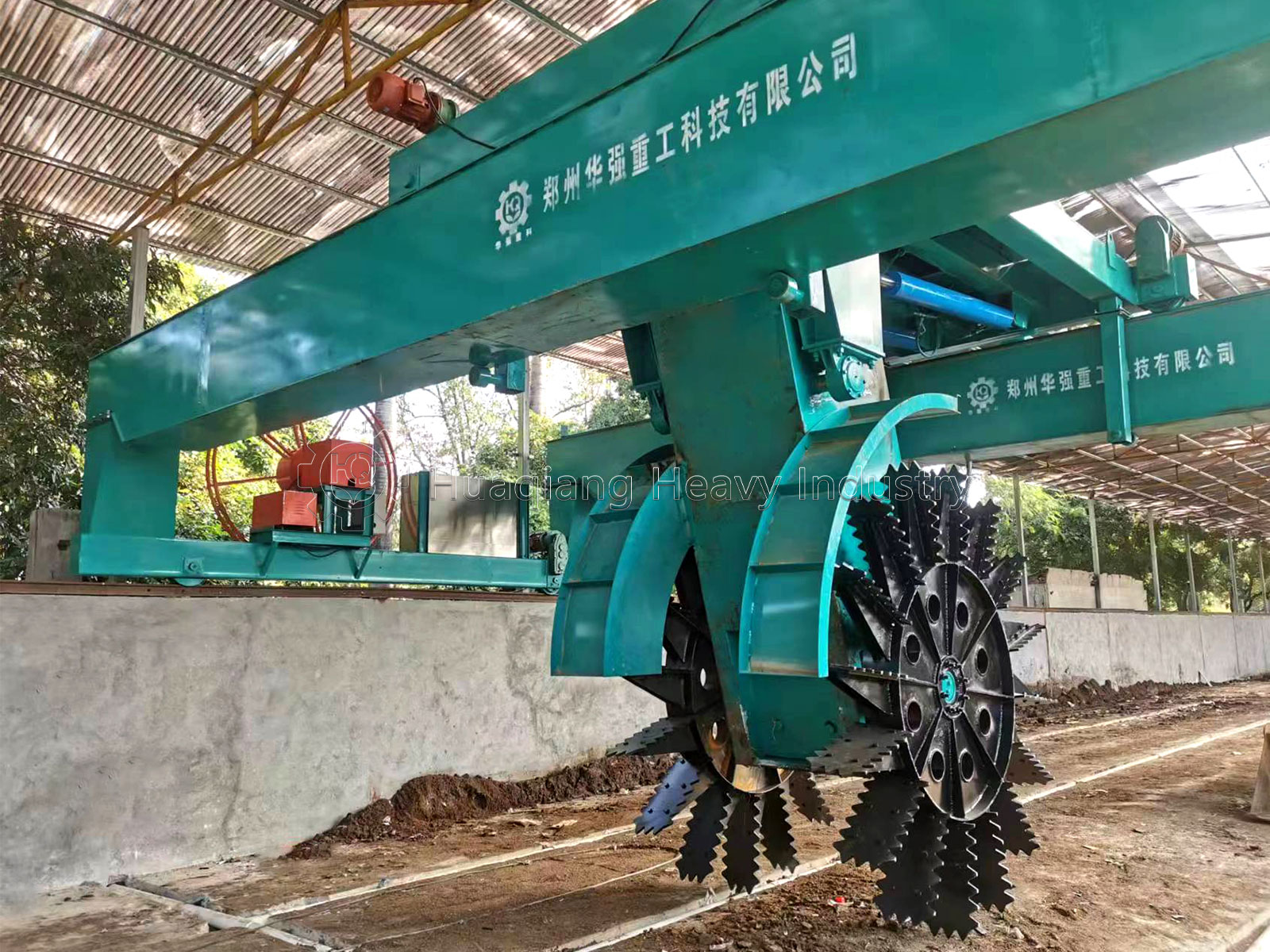
For manufacturers, microbial inoculants can be incorporated into a complete bio organic fertilizer production line. This begins with producing a high-quality organic base via windrow composting machine technology. The resulting compost can then serve as a carrier for beneficial microbes. For producing compound fertilizers, an npk fertilizer production line using an npk blending machine and granulation equipment like a disc granulator (part of a disc granulation production line), a double roller press granulator, or a roller press granulator production line can be used to create blended or coated products that combine chemical nutrients with microbial agents, following a precise npk fertilizer production process.
Ultimately, the future of sustainable agriculture lies in synergizing biological inputs with precision mineral nutrition, creating fertilizer systems that are both productive and regenerative.