Oil palm empty fruit bunch (OPEFB), as a by-product of the palm oil industry, is increasingly becoming an important raw material for organic fertilizer production. Through scientific processing, this cellulose-rich agricultural waste not only addresses waste treatment challenges but also provides high-quality organic fertilizer for sustainable agriculture.
Innovative Breakthroughs in Pretreatment Technology
Due to OPEFB’s high cellulose content and carbon-nitrogen ratio characteristics, the pretreatment process requires special technical handling. First, heavy-duty crushers break the raw material into 2-5 millimeter particles, significantly increasing microbial contact area and creating conditions for subsequent fermentation. Carbon-nitrogen ratio adjustment is crucial, typically mixing OPEFB with high-nitrogen materials like chicken manure at a 7:3 ratio to ensure the raw material’s carbon-nitrogen ratio reaches the ideal range of 25-30:1.
Moisture regulation is equally important. By adding water or sawdust, the mixed raw material’s moisture content is controlled between 55-60%. This ideal humidity state both meets microbial activity requirements and ensures good compost structure. Large-scale production typically employs professional equipment like double-shaft shredders and drum screeners to ensure processing efficiency and product quality.

Optimization and Improvement of Fermentation Processes
Targeting OPEFB’s characteristics, aerobic composting fermentation becomes the most suitable choice. Through windrow or trough fermentation systems combined with regular turning operations, fermentation temperature is maintained within the ideal range of 55-65°C. This temperature not only accelerates organic matter decomposition but also effectively eliminates pathogens and weed seeds.
Adding specialized microbial agents is key to improving fermentation efficiency. The addition of cellulose-decomposing bacteria and complex fermentation bacteria, controlled at 0.3-0.5% of dry material weight, significantly accelerates lignocellulose degradation. Although OPEFB’s fermentation cycle is about 5-10 days longer than conventional organic fertilizer, after 25-35 days of thorough fermentation, the final product can meet high-quality organic fertilizer standards.
Product Development and Market Applications
After drying, the fermented material’s moisture content is reduced below 15%, facilitating long-term storage and transportation. Through extrusion granulation or disc granulation technology, granular products with 2-5 millimeter particle sizes are produced, better suited for mechanized fertilization operations. Targeting the special needs of tropical crops, specialized organic fertilizer products are developed by adding appropriate potassium elements and functional microorganisms, significantly improving crop stress resistance and yield.
Beyond serving as organic fertilizer raw material, OPEFB demonstrates diversified high-value utilization potential. Multiple technological pathways including biomass energy conversion, biochar production, cellulosic ethanol extraction, artificial board manufacturing, and feed raw material development provide broad prospects for OPEFB’s comprehensive utilization. This diversified utilization model not only improves resource utilization efficiency but also creates new economic value for related industries.
Significant Contributions to Sustainable Development
The application of OPEFB in the organic fertilizer field represents important progress in agricultural waste resource utilization. Through technological innovation and process optimization, by-products that could become environmental burdens are transformed into valuable resources that improve soil health and promote agricultural sustainable development.
With increasing global emphasis on sustainable agriculture and circular economy, OPEFB application technologies will continue to develop and improve. In the future, more efficient processing technologies and more targeted product development will enable OPEFB to play greater value in organic fertilizer and other related fields, making significant contributions to achieving agricultural sustainable development goals.
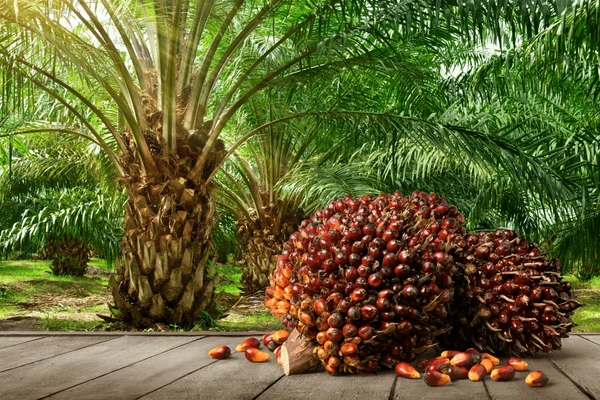
Integrating OPEFB into Advanced Organic Fertilizer Systems
The transformation of Oil palm empty fruit bunch (OPEFB) into valuable fertilizer is a prime example of advanced organic fertilizer manufacturing. The process leverages the unique oil palm empty fruit bunch composition, rich in lignocellulose, within a specialized organic fertilizer fermentation process. Efficient fermentation composting technology for organic fertilizer is applied, often utilizing equipment like the large wheel compost turning machine to ensure proper aeration and temperature control during the critical decomposition phase.
Following successful fermentation, the stabilized material is integrated into a complete organic fertilizer production line. Here, a new type organic fertilizer granulator transforms the compost into uniform, market-ready granules. This integrated approach demonstrates the practical uses of oil palm empty fruit bunch, closing the waste loop and creating a sustainable soil amendment. The synergy between specialized fermentation composting turning technology and modern granulation equipment showcases how agricultural by-products can be efficiently converted into high-quality organic fertilizers, supporting soil health and sustainable crop production while addressing waste management challenges.