Bio-organic fertilizers are environmentally friendly and have long-lasting effects, making them a core fertilizer in modern agriculture. Their diverse types depend on bio-organic fertilizer production lines and supporting equipment. They can be precisely classified according to raw material source, functional characteristics, and dosage form. Different types have varying nutrient compositions and application scenarios, requiring selection based on specific planting needs.
Based on raw material source, livestock and poultry manure-based fertilizers are the most common, using chicken manure, cow manure, etc., as raw materials, fermented through bio-organic fertilizer production lines. They are high in organic matter, improve soil compaction, and are suitable for a wide range of applications including field crops and fruits and vegetables. Straw and fungal residue-based fertilizers use straw and fungal residue as raw materials, rich in fiber to improve soil aeration, and are suitable for improving clayey soils.
Based on functional characteristics, functional microbial fertilizers add nitrogen-fixing bacteria, phosphorus-solubilizing and potassium-solubilizing bacteria, etc., to address soil nutrient imbalances and crop diseases, suitable for barren or continuously cropped land. Amino acid-based fertilizers add amino acid components, providing quick results, suitable for crop seedling and fruit development stages. Both types require precise control of components using bio-organic fertilizer equipment to ensure fertilizer efficiency.
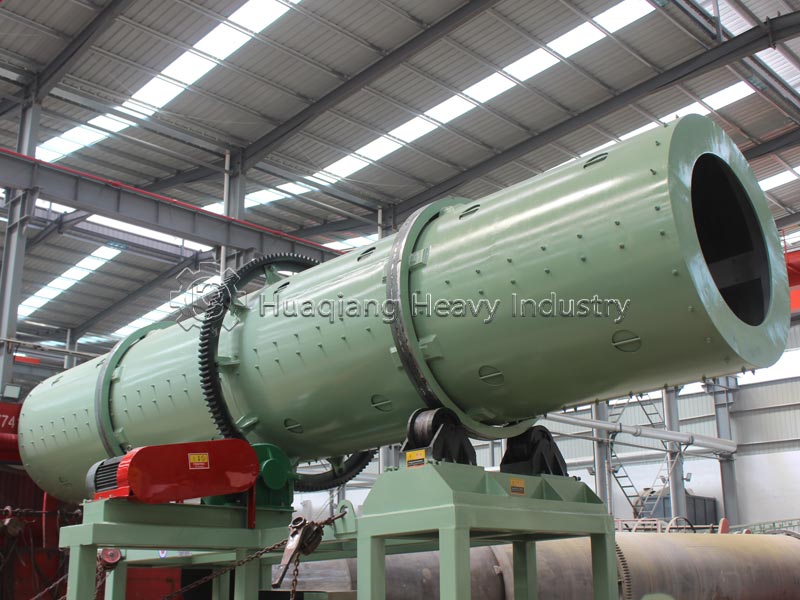
Based on dosage form, powdered fertilizers dissolve quickly and are suitable for irrigation and broadcasting; granular fertilizers, processed by rotary drum granulators, are easy to store and transport, have long-lasting effects, and are suitable for mechanical fertilization and large-scale planting. Precisely matching the type to the needs maximizes the value of bio-organic fertilizers.
The uniformity of NPK fertilizer blending directly determines the stability of its effectiveness and is a critical link in the production of high-quality compound fertilizers on NPK fertilizer production lines. Blending requires considering raw material characteristics, operating procedures, and equipment suitability to avoid nutrient stratification and excessively high local concentrations.
Raw material pretreatment. Nitrogen, phosphorus, potassium, and trace element raw materials should be crushed separately to 80-100 mesh to ensure uniform particle size and prevent sedimentation; moisture content should be controlled at 8%-12% to avoid caking or excessive dust affecting mixing. Impurities should also be removed to protect core equipment such as fertilizer mixers and ensure product purity.
Controlling mixing sequence and proportion accuracy. Follow the principle of “fine before coarse, light before heavy, and pre-mixing small amounts of auxiliary materials”: first add fine and light raw materials such as urea to the fertilizer mixer machine, then add coarse and heavy raw materials such as potassium chloride; small amounts of auxiliary materials such as trace elements should be pre-mixed and diluted with fine materials before being added to the main system to prevent local enrichment.
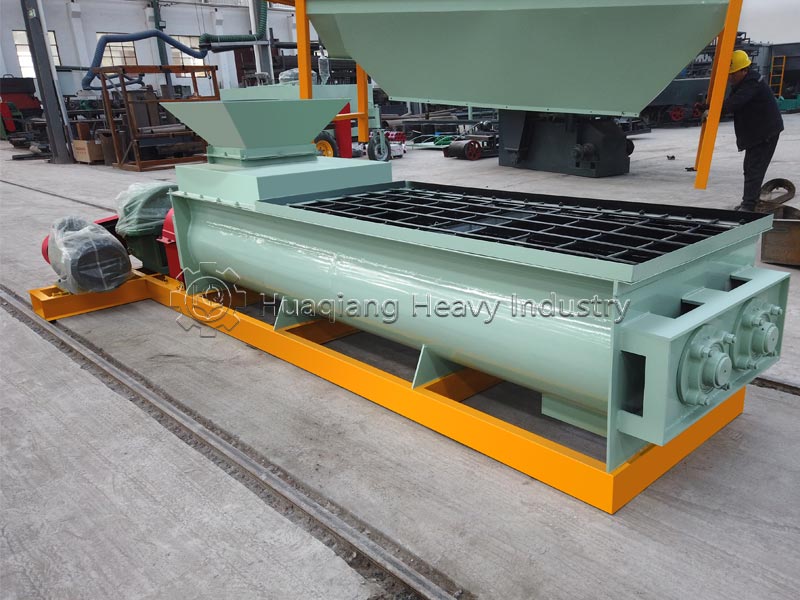
Equipment operation and time control. Prioritize the use of a double shaft paddle mixer, controlling the rotation speed at 25-35 r/min, and adjusting the mixing time to 5-10 minutes according to the amount of raw materials to avoid insufficient or excessive mixing (excessive mixing can easily lead to stratification). Discharge the material promptly after mixing to reduce the residence time in the equipment and prevent secondary caking.
Mixing quality verification. Sampling should be conducted using the “quartering method” to ensure that the nutrient variation coefficient is ≤5%; if the standard is not met, check the raw material pretreatment, mixing sequence, or fertilizer mixer parameters, and optimize and adjust accordingly.
The cost of establishing a urea manufacturing plant in 2026 exhibits significant variability, primarily shaped by three core factors: the adopted technology (conventional versus green), production capacity, and the level of automation. From large-scale industrial facilities catering to global agricultural demand to small-scale regional operations, the investment range spans from millions of dollars to as low as ten thousand dollars. Additionally, external factors such as feedstock prices, green technology premiums, and geopolitical influences further impact the overall cost landscape. A clear understanding of these cost components is essential for investors and industry players planning urea production projects.
Industrial-scale urea plants, designed for large-volume commercial production and international supply, require substantial capital investment. Among these, green urea plants, which adopt environmentally friendly technologies like electrolysis and renewable energy, represent a higher-cost option. A modern green urea plant with an annual capacity of approximately 220,000 tons is estimated to demand a total capital investment of around $510.79 million. For existing industrial facilities seeking expansion, the cost is relatively lower but still considerable. Expanding the daily capacity of an existing production line by 6–8% typically ranges between $80 million and $90 million. In terms of operational costs, the marginal production cost of urea post-construction is projected to be about $325 per ton, though this figure can surge to $400–$500 per ton depending on fluctuations in natural gas prices.
Small to medium-scale urea manufacturing plants, which focus on regional blending and granulation operations rather than full synthesis, feature significantly lower costs centered on equipment lines. Large-scale NPK/urea granulation lines with a production capacity of 18–25 tons per hour, capable of producing high-quality pellets, cost between $400,000 and $550,000. For new manufacturers with limited budgets, small to medium lines with a capacity of 1–6 tons per hour are more feasible, with setup costs ranging from $100,000 to $200,000. At the lowest end of the spectrum, basic mini turnkey urea or fertilizer blending units are available for $10,000 to $48,000, suitable for small-scale local agricultural needs.
Several key factors will drive urea plant costs in 2026. Feedstock, particularly natural gas, is the dominant cost component, accounting for 70% of total urea production costs. Despite some projections of a potential downward trend in global LNG prices due to increased supply, the original industry outlook anticipates rising natural gas prices in 2026 amid growing global LNG demand, which will push up baseline production costs. Green technology also carries a significant premium, with the levelized cost of green urea processes approximately 62% higher than conventional methods, mainly due to the high electricity demands of electrolysis and renewable energy systems. Geopolitical factors and import tariffs further exacerbate costs; certain chemicals and parts required for plant construction are expected to face 12–18% import tariffs in 2026, potentially increasing both construction and future repair expenses.
In summary, the cost of establishing a urea manufacturing plant in 2026 is highly context-dependent. Industrial-scale facilities, especially green ones, demand massive capital investment, while small to medium-scale operations offer more budget-friendly options. Meanwhile, natural gas prices, green technology premiums, and geopolitical tariffs will continue to be critical cost drivers. By carefully evaluating production scale, technology choices, and external cost factors, stakeholders can make more informed decisions to optimize investment returns and adapt to the evolving market environment.
Equipment Selection for Integrated Fertilizer Production
For investors considering a diversified fertilizer operation beyond urea, the selection of appropriate professional fertilizer manufacturing equipment is paramount. A comprehensive npk fertilizer production line often begins with a precise npk blending machine or npk bulk blending machine to create the base powder formulation. The subsequent granulation stage offers multiple technology paths. A traditional and versatile choice is the disc granulator, often deployed within a complete disc granulation production line where the disc granulator for shaping forms spherical granules through a tumbling action. For producing harder, more dense granules via compaction, a double roller press granulator or a complete roller press granulator production line is the optimal solution. The specific npk fertilizer production process dictates whether a fertilizer granulator based on agitation or extrusion is selected.
This equipment ecosystem extends into organic and bio-fertilizer manufacturing. A stand-alone organic fertilizer production line typically requires a windrow composting machine (or windrow machine) for efficient aerobic fermentation prior to granulation. To incorporate beneficial microbes, this evolves into a bio organic fertilizer production line. Here, the final granulation step might utilize a specialized npk fertilizer granulator machine equipment adapted for organic materials or, alternatively, an disc granulator machine known for its gentle shaping action that preserves microbial viability.
Ultimately, the capital and operational costs for these lines vary significantly based on capacity and technology sophistication. Integrating these granulation systems allows a single facility to produce a range of nitrogen-based, NPK compound, and organic fertilizers, providing strategic flexibility to adapt to regional market demands and raw material availability.
Organic fertilizer, as a key link connecting the resource utilization of agricultural waste and ecological farming, involves the scientific optimization and industrial scaling of natural microbial decomposition. Unlike the synthesis of chemical fertilizers, organic fertilizer production uses natural materials such as manure and plant waste as core raw materials. Through a series of standardized industrial processes, unstable organic waste is transformed into a stable product rich in humus, with balanced nutrients and soil-friendly properties. Precise control of key parameters such as moisture, temperature, and carbon-nitrogen ratio is required throughout the process to ensure efficient microbial metabolic activity.
Raw material collection and pretreatment are fundamental steps in organic fertilizer production, directly determining the nutritional basis and safety of the product. Raw material sources must be strictly screened. Animal manure should primarily come from large-scale livestock farms, such as cattle, sheep, and chicken manure, and impurities such as stones and plastics must be removed beforehand. Plant waste includes crop straw, vegetable residues, oil palm empty fruit bunches, and oil cakes. Agricultural by-products such as oil palm empty fruit bunches require preliminary crushing to improve subsequent fermentation efficiency. The core task of the pretreatment stage is raw material ratio adjustment. Materials are mixed according to their different carbon-nitrogen ratios; for example, high-carbon materials like straw need to be combined with high-nitrogen materials like manure to adjust the overall carbon-nitrogen ratio to the optimal range of 25:1-30:1. Simultaneously, moisture content is adjusted to 55%-65% through drying or adding water to provide a suitable environment for microbial growth. For raw materials with a higher risk of contamination, a disinfection pretreatment step is also necessary to reduce the probability of pathogen residue.
Fermentation/composting is the core process of organic fertilizer production, divided into two main modes: aerobic fermentation and anaerobic fermentation. Its essence is the decomposition and transformation of organic matter by microorganisms. Aerobic fermentation is suitable for large-scale production and requires regular turning of the compost pile using a turning machine to ensure sufficient oxygen supply. The temperature of the compost pile gradually rises to 50-60℃ due to microbial metabolic activity. This temperature range not only accelerates the decomposition of organic matter but also effectively kills pathogens such as E. coli and roundworm eggs in the manure. Turning and fermentation typically continue for 20-30 days until the pile temperature drops and the material becomes dark brown and loose. Anaerobic fermentation is mostly used in small-scale production or for processing specific materials, such as the Bokashi fermentation system. This process requires mixing raw materials with molasses and EM microbial agents, then sealing and covering the mixture to isolate it from air and promote the reproduction of anaerobic microorganisms. Although the fermentation cycle is relatively short (7-15 days), it requires appropriate turning of the mixture during the middle of the fermentation process to release accumulated harmful gases and replenish a small amount of oxygen, preventing incomplete fermentation. Parameter control during this stage is crucial. Moisture content is determined by a squeeze test; the ideal consistency is when the material forms a ball when squeezed but crumbles when released. Temperature needs to be monitored in real-time; if it falls below 50℃, the turning interval should be reduced, and if it exceeds 65℃, the turning intensity should be increased to lower the temperature and prevent the inhibition of microbial activity.
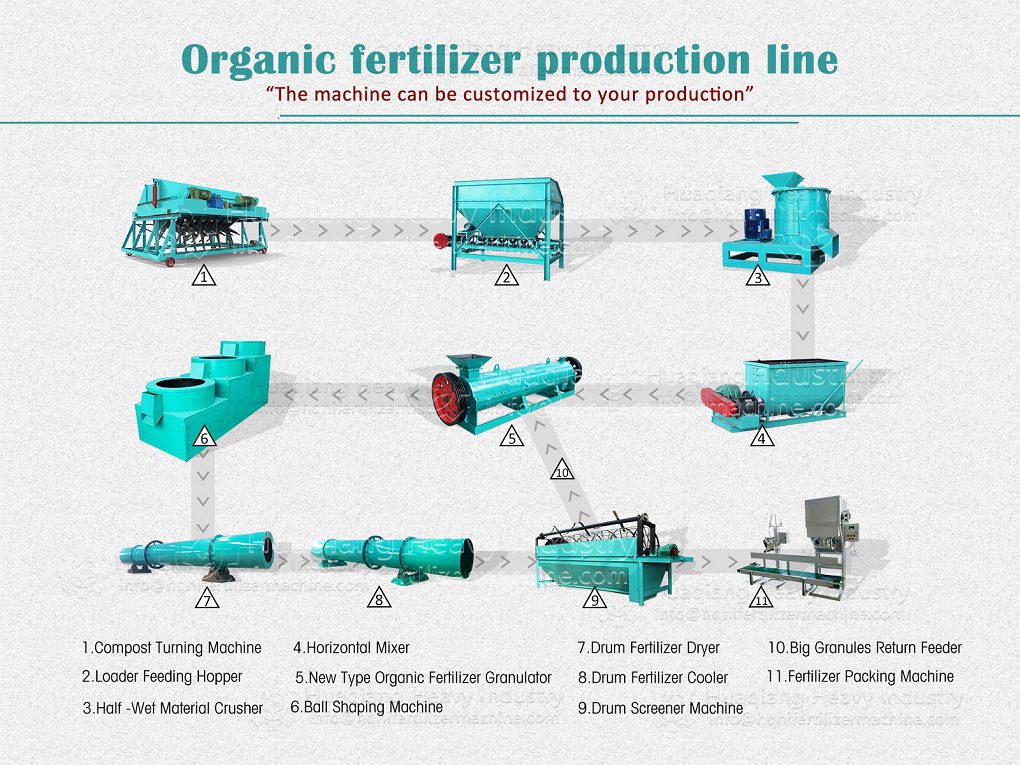
Subsequent processes of crushing, mixing, granulation, drying, cooling, and screening and packaging primarily serve to optimize the product’s form and storage stability. The crushing stage involves grinding the fermented and matured material into a powder of 80-100 mesh to ensure even distribution of nutrients. The mixing stage allows for the addition of appropriate trace element fertilizers and biological microbial agents, depending on the product’s intended use, to enhance the fertilizer’s targeted effects. A small amount of binder is also added to improve granulation performance. The granulation process uses a specialized granulator to produce uniform granules with a diameter of 2-4 mm, which facilitates field application and measurement while reducing dust pollution during transportation. The drying stage reduces the moisture content of the granules to below 12%, usually using low-temperature hot air drying to avoid high temperatures that could damage humus and other effective components. After cooling, screening equipment separates fine particles and impurities. Fine particles can be returned to the granulation process for recycling, while qualified granules are quantitatively packaged. Before packaging, the product’s organic matter content, pH value, and other indicators are tested to ensure compliance with national organic fertilizer standards. Throughout the entire process, quality control is essential, from raw material testing to finished product sampling, forming a complete quality traceability system to guarantee the safety and effectiveness of the organic fertilizer.
Advanced Systems for Modern Organic Fertilizer Production
The final stages of the organic fertilizer manufacturing system focus on transforming the cured compost into a consistent, marketable product. After crushing and mixing, the organic fertilizer production granulation phase is critical. Here, producers can choose from several technologies based on raw material characteristics and desired output. A traditional and effective method is the organic fertilizer disc granulation production line, where the moist powder is fed onto a rotating disc, forming spherical granules through a tumbling and layering mechanism. Alternatively, a flat die pelleting machine uses extrusion pressure to create cylindrical pellets, offering high density and strength. For facilities seeking space efficiency and process simplification, a new type two in one organic fertilizer granulator combines the mixing and granulation steps in a single machine, enhancing operational efficiency. An integrated organic fertilizer combined granulation production line may sequentially employ different granulators to achieve optimal particle structure.
This granulation flexibility is central to a complete organic fertilizer production line. When the process is designed to incorporate specific functional microbial consortia post-fermentation, it evolves into a sophisticated bio organic fertilizer production line. The entire system’s efficacy, however, is fundamentally reliant on the quality of the compost feedstock produced upstream by advanced fermentation composting turning technology, typically executed by robust equipment like a chain compost turning machine in windrow systems. Ultimately, selecting the right combination of an organic fertilizer disc granulation machine and supporting equipment defines the efficiency and product quality of the entire organic fertilizer manufacturing operation.
This integrated approach—from controlled aerobic fermentation to precision granulation—ensures that the final product is not only nutrient-rich but also possesses excellent physical properties for storage, transport, and soil application, meeting the demands of modern, sustainable agriculture.
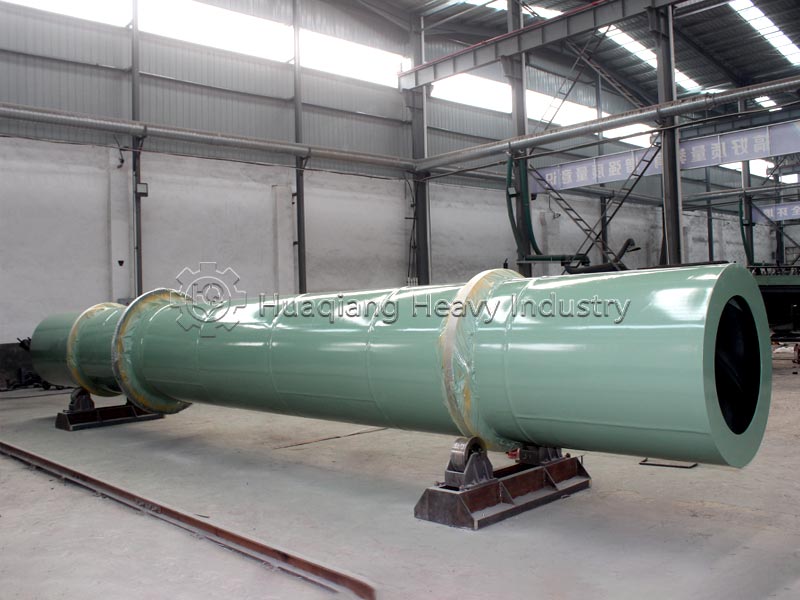
The continuous efficiency and product qualification rate of organic fertilizer production lines depend critically on the suitability of the core organic fertilizer production equipment. The drum fertilizer dryer, as the “efficiency hub” of post-processing, not only undertakes the core task of material dehydration but also connects the preceding and succeeding processes, solving bottlenecks and providing crucial support for large-scale production.
Its core value lies in “efficient dehydration + process integration.” After granulation, the moisture content of organic fertilizer granules reaches 20%-30%. If drying is not timely, clumping and mildew can occur, disrupting the process. The drum fertilizer dryer, through the rotation of the inclined drum and the turning action of internal baffles, ensures sufficient contact between the material and hot air for uniform dehydration, precisely controlling moisture content to a safe range of 12%-14%. With a processing capacity of several tons to tens of tons per hour, it is perfectly suited for continuous operation of the production line.
As a key piece of organic fertilizer production equipment, its adaptability is extremely strong. Whether it’s livestock and poultry manure, straw-based organic granules, or organic-inorganic compound granules, it can be adapted by adjusting the hot air temperature and drum rotation speed, preventing high temperatures from damaging nutrients while ensuring effective drying. At the same time, it seamlessly connects with organic fertilizer granulators, coolers, and screening machines, forming a closed-loop process, reducing transportation losses and improving the overall efficiency of the production line.
For large-scale, standardized organic fertilizer projects, the drum fertilizer dryer is a core component for improving overall efficiency. Its stable operation can significantly reduce the rate of product re-moisturization, improve the qualification rate, shorten the production cycle, and contribute to the efficient and low-cost operation of the organic fertilizer production line.
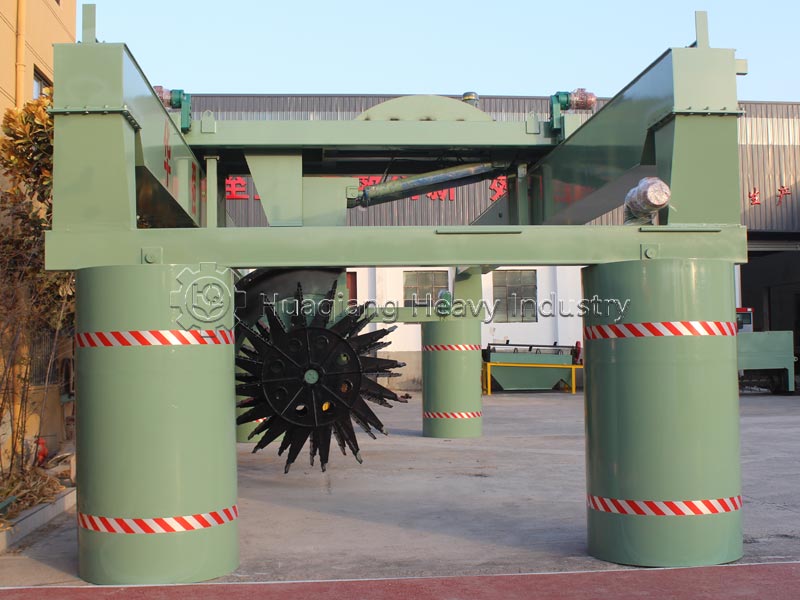
In large-wheel organic waste composting systems, large wheel compost turning machines, with their efficient aeration and mixing capabilities and stable operating performance, have become the core equipment for aerobic composting in enclosed fermentation trenches. This equipment uses the fermentation trench as its working platform, and through the high-speed rotation of its toothed rotating wheels and the track-based movement of the entire machine, it achieves multiple functions such as aeration, mixing, crushing, and longitudinal transfer of organic materials. It precisely controls the oxygen, temperature, and humidity conditions during the composting process, creating an optimal environment for the metabolic activity of beneficial microorganisms, thereby significantly shortening the fermentation cycle and ensuring uniform and stable compost product quality. It is widely used in large-scale farms, urban organic waste treatment plants, and large-scale organic fertilizer production enterprises.
The working principle of the large wheel compost turning machine revolves around “precise control + efficient operation,” forming a continuous closed-loop composting intensification process. In the pre-operation setup phase, the pre-treated organic waste (such as a mixture of livestock and poultry manure, crop straw, oil palm empty fruit bunches, and conditioning agents) needs to be evenly loaded into the pre-set long fermentation trenches. The material loading height is usually controlled at 1.2-1.8 meters to ensure that the rotating wheels can fully penetrate and turn the material. Dedicated tracks are pre-set on both sides of the fermentation trench. The flatness of the tracks directly affects the stability of the equipment’s operation; generally, the track error should not exceed 5 millimeters to avoid machine shaking or jamming during operation.
During the operation phase, the movement of the equipment and the material processing work in efficient synergy. After the drive system is started, the motor transmits power to the driving wheels through the gearbox and transmission device, driving the entire machine to move at a constant speed along the fermentation trench track. The travel speed can be adjusted according to the degree of material decomposition, usually 0.5-1.5 meters per minute. At the same time, the large toothed rotating wheels (single or double wheels) of the rotating system rotate at a high speed of 30-50 revolutions per minute. The toothed structure precisely cuts into the compost pile, thoroughly crushing the lumpy materials and breaking up anaerobic areas formed by material clumping. Under the action of the rotating wheel, the material is lifted upwards and evenly scattered backward, achieving comprehensive mixing of the surface, middle, and bottom layers of the pile. This also forces fresh air into the material gaps, enabling efficient aeration. During the scattering process, the material is in full contact with the air, allowing harmful gases such as carbon dioxide and hydrogen sulfide to be released from the inside of the pile, effectively preventing the generation of unpleasant odors.
The precise control of the hydraulic system is the key guarantee for the flexible operation of the equipment. After the equipment completes the turning operation of a section of the fermentation trench, the hydraulic lift can quickly raise the rotating wheel. At this time, the drive system moves the equipment back along the track at a speed of 2-3 meters per minute, significantly improving operating efficiency. After reaching the starting point of the fermentation trench, the hydraulic system lowers the rotating wheel again, entering the next round of turning operations. This automated “operation-return” switching requires no manual intervention and can achieve 24-hour continuous operation, ensuring the continuity of the composting process. In addition, the hydraulic system of some high-end models can also adjust the cutting depth of the rotating wheel, flexibly adjusting according to the material thickness and density to further optimize the turning effect.
The efficient operation of the equipment relies on the coordinated cooperation of four core components. The drive system, as the “power heart,” usually uses a high-power three-phase asynchronous motor, coupled with a reduction gearbox and chain transmission device, ensuring stable and efficient power output and adapting to long-term high-load operation; some models are also equipped with variable frequency speed control function, achieving stepless adjustment of travel speed and rotating wheel speed. The rotating system is the “operation core,” and the toothed rotating wheel has a specially designed tooth shape and is made of wear-resistant alloy material, ensuring both crushing effect and extended service life; the blades on the wheel assist in material throwing and mixing, improving material uniformity. The moving mechanism consists of walking wheels and track guiding devices. The walking wheels use solid rubber wheels or steel wheels, and together with the guide wheels, ensure that the equipment travels accurately along the track without deviation. The hydraulic system, as the “control center,” consists of hydraulic pumps, hydraulic cylinders, solenoid valves, and other components. It achieves the smooth lifting and lowering of the rotating wheel through changes in hydraulic oil pressure, with fast response speed and high control accuracy. The application of large-scale wheeled compost turning machines has significantly improved the efficiency and quality of large-scale composting. Through continuous turning and aeration, the oxygen content of the compost pile can be stably maintained at 15%-20%, and the temperature controlled within the optimal maturation range of 60-65℃. This not only quickly kills pathogens and weed seeds but also accelerates the reproduction and metabolism of beneficial microorganisms, shortening the fermentation cycle of traditional composting from over 45 days to 20-30 days. At the same time, the uniform mixing ensures balanced nutrient content in the compost product, increasing the organic matter content by 10%-15%, providing a solid guarantee for the production of high-quality organic fertilizer and promoting the resource utilization of organic waste towards automation, high efficiency, and environmental friendliness.
Integrated System: From Composting to Bio-fertilizer Granulation
Following the efficient aerobic processing by the core large wheel compost turning machine, the matured compost becomes the primary raw material for value-added bio-fertilizer production. This advanced fermentation composting technology for organic fertilizer, which may utilize either a large wheel compost turner for wide trenches or a chain compost turner equipments required for bio-fertilizer production is integrated. This begins with precise formulation, where the compost is blended with complementary powdered ingredients like microbial inoculants, mineral powders, or amendments. For accurate recipe execution, plants typically employ a multiple silos single weigh static batching system for batch-based precision or a single silos single weigh dynamic batching system for continuous, high-volume blending.
The subsequent granulation stage is crucial for product standardization. A disc granulation production line is often the optimal choice for processing the powdery, compost-based blend. In this system, the homogenized mixture is fed into a rotating, inclined disc where fine particles adhere and grow into dense, spherical granules through a layering and tumbling action—a process perfectly suited to the physical characteristics of compost produced by an agriculture waste compost fermentation machine. This seamless integration from primary fermentation composting turning technology to final shaping creates a closed-loop, automated production line that maximizes resource recovery and product value.
This holistic approach ensures that organic waste is not merely processed but systematically upgraded into a commercial-grade, easy-to-handle fertilizer. It exemplifies modern, circular agri-technology, turning environmental challenges into sustainable agricultural inputs with improved nutrient delivery, storage stability, and market appeal.
NPK fertilizers, which supply the three essential macronutrients—Nitrogen (N), Phosphorus (P), and Potassium (K)—to support plant growth, are formulated using a diverse range of raw materials. These materials are primarily derived from two major sources: industrial synthesis, which is the main route for nitrogen production, and mineral mining, the primary source for phosphorus and potassium. Additionally, manufacturers incorporate various additives and fillers to refine the fertilizer’s properties. Understanding these raw materials is key to grasping how NPK fertilizers are manufactured and tailored to meet different agricultural needs.
Nitrogen, a critical nutrient for foliage growth, is uniquely sourced through industrial synthesis rather than mining. The cornerstone of nitrogen production is the Haber-Bosch process, which extracts nitrogen gas from the air and combines it with hydrogen (typically derived from natural gas) to produce ammonia. Ammonia serves as the fundamental building block for all major nitrogen-rich raw materials. Urea, the most widely used high-nitrogen source (containing 46% nitrogen), is created by reacting ammonia with carbon dioxide. Ammonium salts, including ammonium nitrate, ammonium sulfate, and ammonium chloride, are another class of nitrogen sources derived from ammonia. Calcium nitrate, valued for its high solubility, is also produced using ammonia as a key raw material, making it suitable for crops requiring quick nitrogen uptake.
Phosphorus, essential for root development and flowering, is sourced from phosphate rock, a mineral found in geological deposits that requires mining. Raw phosphate rock is insoluble in water, so it must undergo chemical treatment with acids to convert it into plant-available forms. Phosphoric acid, a vital intermediate in phosphorus fertilizer production, is made by reacting phosphate rock with sulfuric acid. Superphosphates, including Single Superphosphate (SSP) and Triple Superphosphate (TSP), are produced by treating phosphate rock with sulfuric or phosphoric acid respectively, with TSP offering a higher phosphorus concentration. Ammonium phosphates, such as Monoammonium Phosphate (MAP) and Diammonium Phosphate (DAP), are dual-nutrient raw materials formed by reacting ammonia with phosphoric acid, providing both nitrogen and phosphorus to streamline fertilizer formulation.
Potassium, which enhances plant resilience to stress and improves fruit quality, is obtained from potash minerals found in ancient seabed or salt deposits. The most widely used potassium source is Potassium Chloride, also known as Muriate of Potash (MOP), which contains approximately 60% potassium. For crops sensitive to chloride, such as strawberries, potatoes, and citrus fruits, Potassium Sulfate (Sulfate of Potash/SOP) is the preferred raw material. Potassium Nitrate is another important potassium source that also provides nitrogen, making it a versatile choice for crops with simultaneous needs for both nutrients.
Beyond the three core macronutrient sources, NPK fertilizers include additives and fillers to optimize their performance. Binders like molasses, lignosulfonate, or clay are added to form stable granules, ensuring uniform application. Fillers and conditioners, such as bentonite or limestone powder, adjust the fertilizer’s weight, prevent clumping during storage, and help manage soil pH. In some formulations, trace amounts of micronutrients like iron, zinc, copper, or manganese are incorporated to address specific soil deficiencies, completing the balanced nutrient profile of NPK fertilizers. Together, these raw materials form the basis of NPK fertilizers, enabling the tailored delivery of essential nutrients to support healthy plant growth across diverse agricultural settings.
From Raw Materials to Finished Granules: The NPK Production Process
The carefully selected raw materials must then be transformed into a consistent, easy-to-apply product through a systematic npk fertilizer manufacturing process. The first stage of the manufacturing of npk fertilizer typically involves precise dry blending. Here, powdered materials are accurately proportioned and homogenized using a npk bulk blending machine or a standard npk blending machine. For facilities producing blended fertilizers without granulation, this final mixture from a bulk blending fertilizer machine is ready for bagging. However, to produce dust-free, hard granules with improved nutrient release profiles, the blended powder must undergo granulation.
The core of a modern npk fertilizer production line is the granulation unit. Advanced fertilizer granulation technology offers multiple paths. The most common method involves an npk granulation machine that utilizes a wet process, where a liquid binder is sprayed onto the tumbling powder in a rotary drum or pan to form granules. Alternatively, dry granulation processes, such as compaction using a roller press, are employed to create granules without added moisture, which is ideal for certain moisture-sensitive raw material blends. The selection of the appropriate npk granulation machine technology and complementary npk fertilizer granulator machine equipment is critical, as it determines the production capacity, granule strength, size uniformity, and ultimately the efficiency of the entire npk fertilizer granulator machine system.
Following granulation, the production line includes drying, cooling, screening, and coating steps to achieve a stable, market-ready product. This integrated approach ensures that the precise nutrient ratios formulated during blending are locked into each granule, providing farmers with a reliable and effective tool for crop nutrition management.
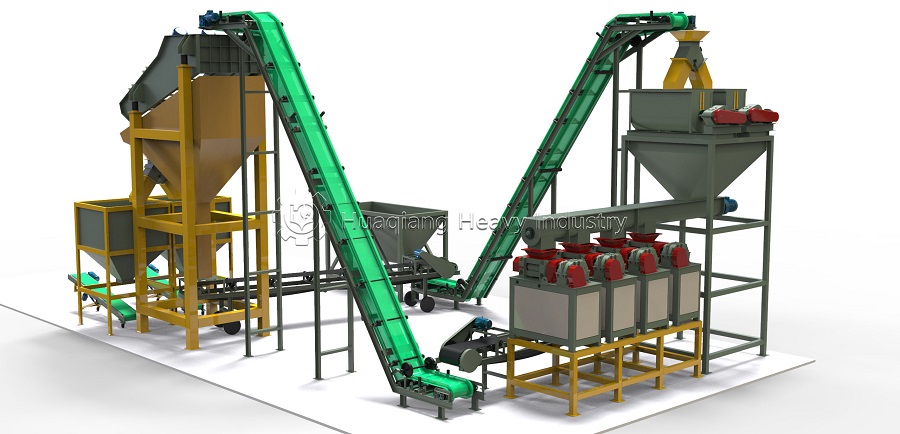
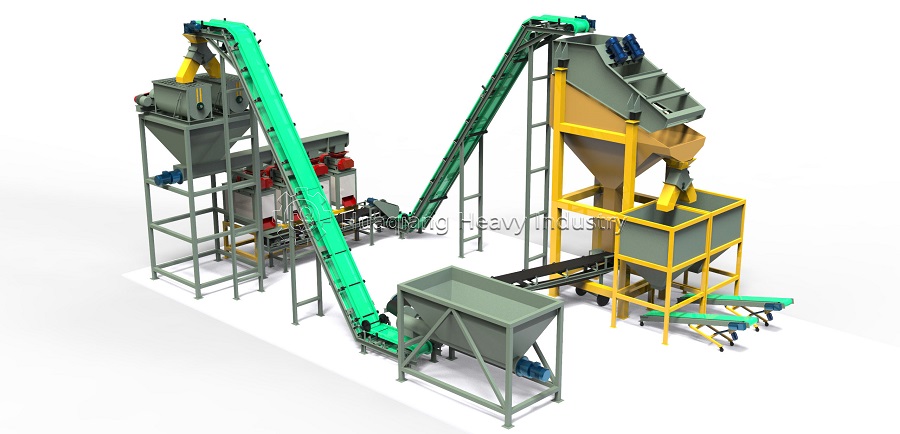
Recently, Zhengzhou Huaqiang Heavy Industry Technology Co., Ltd. completed the full-process commissioning of an angle-belt conveyor extrusion granulation production line tailored for a Malaysian client, officially entering the stage of large-scale production. This production line innovatively adopts a Type 7 large-angle bending belt conveyor as the core transfer equipment, integrating the entire chain of processes including raw material storage, precise mixing, efficient granulation, grading and screening, and finished product storage. With its compact layout design, stable material handling capacity, and high-efficiency granulation performance, it has become a benchmark project for fertilizer production equipment in Southeast Asia, providing local enterprises with a highly adaptable and cost-effective mass production solution.
Production Line Full-Process Configuration and Core Equipment Analysis
The entire production line is built around a closed-loop logic of “precise raw material supply – efficient mixing – batch granulation – graded output.” The core highlight is the in-depth application of the Type 7 large-angle bending belt conveyor. The coordinated operation of each unit ensures production efficiency while maximizing the use of factory space, fully meeting the large-scale production needs of the Malaysian client.
Raw Material Storage and Transfer Unit: Large-Angle Belt Conveyor Solves Space Challenges
Raw Material Storage and Discharge: The production line starts with a spiral discharge raw material silo. The silo features a sealed design to effectively prevent moisture absorption, clumping, and dust contamination. A spiral discharge device at the bottom, combined with variable frequency speed control technology, allows for precise control of the raw material discharge rate, adapting to subsequent production rhythms. The total storage capacity of the raw material silo meets the needs of continuous 10 hours of full-load production, supporting the classified storage of main raw materials such as nitrogen, phosphorus, and potassium, as well as various additives, ensuring formula purity.
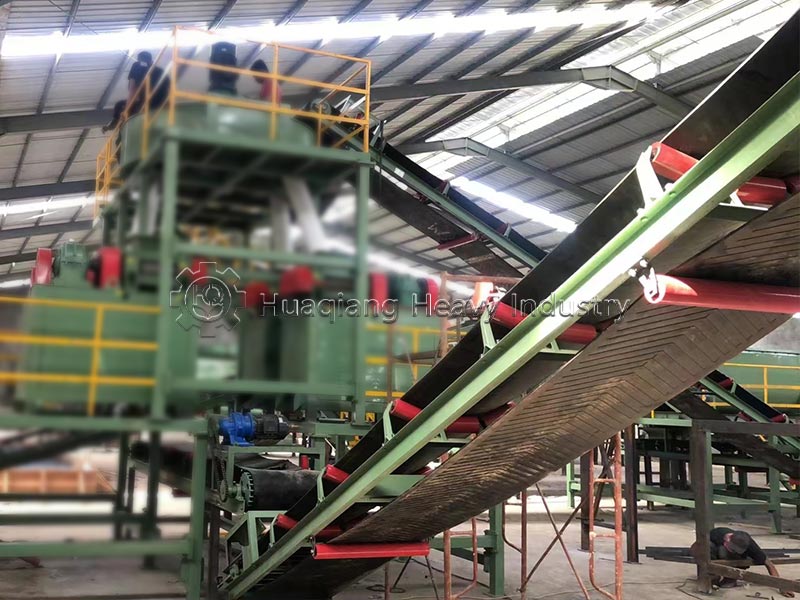
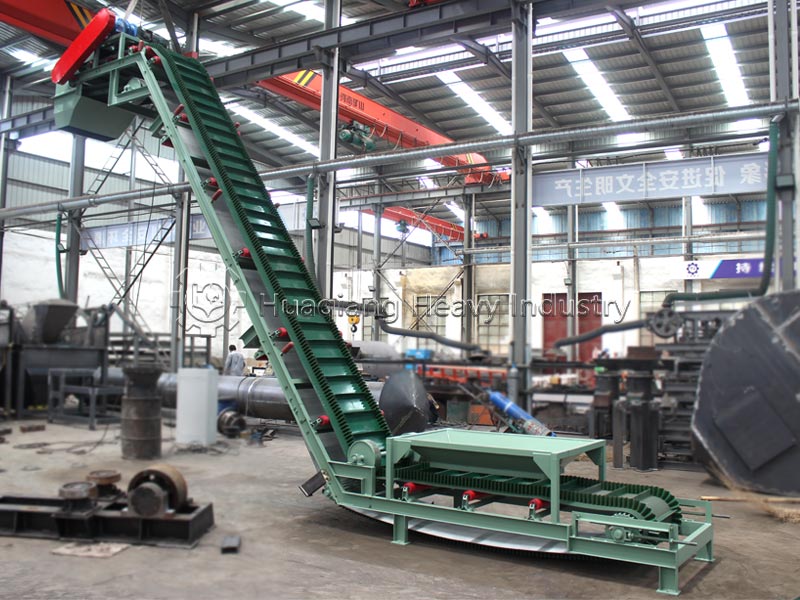
Large-Angle Bending Belt Conveyor Transfer: Raw materials are transferred over long distances and at large angles via a Type 7 large-angle bending belt conveyor (total length 115 meters, composed of multiple 2-meter, 8-meter, and 15-meter sections). This belt conveyor is a core piece of equipment specifically developed for space-constrained scenarios, with a maximum bending angle of 45°, a 30% increase in transfer angle compared to conventional belt conveyors. It enables efficient vertical and horizontal material transport within limited factory space, significantly saving floor space. The belt conveyor uses a wear-resistant and anti-slip conveyor belt with anti-slip textured surface, coupled with anti-spillage side baffles, effectively preventing materials from sliding and spilling during steep-angle transport. Material transport efficiency reaches 8 tons/hour, with a transport loss rate controlled below 0.5%. The equipment drive system uses an energy-saving motor with operating noise as low as 70dB, and is equipped with an automatic deviation correction device to ensure long-term stable operation.
Raw Material Mixing and Feeding Unit: Laying a Solid Foundation for Uniform Granulation
Dual-Machine Parallel Mixing: After transport, the raw materials are evenly distributed to two horizontal mixers via a three-way distributor. This equipment adopts a dual-shaft counter-rotating design, with impellers made of high-strength alloy material and treated with a wear-resistant coating. During the mixing process, the materials form strong convection and shear forces, ensuring thorough mixing of multi-component raw materials, with a mixing uniformity error ≤2%. The mixer is equipped with an automatic material level monitoring function. When the material in the drum reaches the set capacity, the raw material transfer system is automatically triggered to stop feeding, preventing material overflow or insufficient mixing. After mixing, the material is discharged through the bottom quick discharge port, reducing the discharge time to 2.5 minutes per batch, significantly improving production continuity.
Precise feeding control: The mixed raw materials are uniformly conveyed to the granulator via a spiral feeding hopper. The feeding hopper has a built-in spiral conveyor and material level sensor, which can adjust the feeding speed in real time to ensure uniform feeding of the four extrusion granulators, avoiding granulation quality fluctuations or equipment overload caused by uneven feeding. The feeding hopper adopts a sealed structure, effectively reducing dust emissions during material transfer and improving the production environment.
Core Granulation Unit: Four Machines in Parallel Operation Enables Mass Production Capacity
The core equipment of the production line consists of four extrusion granulators. This model is a mature product developed by Huaqiang Heavy Industry for medium to large-scale production capacity needs. It adopts a high-strength roller extrusion design, with roller skins made of high-chromium alloy. After quenching treatment, the hardness reaches HRC62 or higher, exhibiting extremely high wear resistance and extending its service life to over 10,000 hours. The granulators precisely control the extrusion pressure (6-18MPa) through a hydraulic pressurization system, adapting to the granulation needs of organic fertilizer and compound fertilizer raw materials with different moisture content (25%-32%) and different compositions. The granulation rate is consistently maintained above 93%, with particle size uniformly controlled at 3-5mm and a compressive strength of 2.6MPa, making them less prone to pulverization and fully meeting the needs of local agricultural fertilization and long-distance transportation.
Four granulators operate in parallel, each with an hourly output of 2.2 tons. Combined operation achieves a total capacity of 8.8 tons/hour and a daily capacity of 211.2 tons, significantly improving the customer’s market supply capabilities. The granulators are equipped with an automatic roller cleaning device that removes material adhering to the roller surface in real time, preventing die blockage and ensuring continuous operating efficiency.
Grading and Finished Product Storage Unit: Strict Quality Control and Efficient Delivery
Precise Grading and Screening: Granulated particles are transferred to a linear vibrating screen via a 5-meter belt conveyor. This equipment uses a double-layer screen design; the upper screen separates large, unqualified particles, while the lower screen screens qualified finished products. The screening efficiency reaches 10 tons/hour, with a qualified particle pass rate of 98%. Unqualified particles are returned to the raw material mixing front end via a 7-meter return conveyor and re-enter the granulation process, achieving a material utilization rate of 99% and effectively reducing production costs. The linear vibrating screen is equipped with a vibrating motor and shock absorption device, ensuring stable operation and low noise. The screen mesh can be quickly disassembled and replaced to accommodate different particle size requirements.
Finished Product Storage and Transfer: Qualified granules are diverted to two finished product silos via a three-way distributor. These silos feature a sealed design and are equipped with a dehumidification and ventilation system to effectively prevent fertilizer from absorbing moisture and clumping, ensuring product storage stability. Material level sensors are installed inside the silos to provide real-time inventory feedback, facilitating customers’ efficient shipment planning. Finished products are then transferred to the packaging area via a 3-meter belt conveyor, which can be flexibly integrated with subsequent equipment such as automatic packaging scales, achieving fully automated operation from raw material processing to finished product delivery.
Core Advantages and Regional Adaptability of the Production Line: Ultimate Space Utilization Efficiency: The application of a Type 7 large-angle bending belt conveyor reduces the production line’s footprint by 30% compared to traditional layouts, perfectly adapting to the limited space available in Malaysian factories. The multi-segment splicing design facilitates installation and subsequent maintenance, and the belt length and bending angle can be flexibly adjusted according to the factory layout.
High Efficiency in Both Transfer and Granulation: The large-angle belt conveyor enables stable long-distance, large-angle transfer with low material loss and high efficiency; four granulators operate in parallel to meet the needs of large-scale production capacity, increasing overall production efficiency by 15% compared to conventional production lines of the same scale.
Stable, Reliable, and Highly Adaptable: The core equipment uses high-temperature resistant and corrosion-resistant materials, adapting to the hot and humid climate conditions of Malaysia; the extrusion granulator can flexibly adapt to various materials such as organic fertilizer, compound fertilizer, and bio-organic fertilizer, supporting rapid switching between different formulations to meet the diverse agricultural fertilization needs of the region.
The successful commissioning of this angled belt conveyor extrusion granulation production line in Malaysia not only demonstrates Huaqiang Heavy Industry’s comprehensive strength in customized fertilizer equipment R&D, core transfer technology innovation, and overseas project implementation, but also provides efficient and stable equipment support for the modernization of agriculture in Southeast Asia. In the future, Huaqiang Heavy Industry will continue to focus on the production conditions and needs of different regions, optimize product performance and service solutions, and provide more competitive customized solutions for global customers, allowing “Made in China” to gain greater recognition in the international market.
Process Diversification and Technological Integration
While this specific project utilizes an extrusion-based roller press granulator production line as its core, it’s important to contextualize this within the broader spectrum of fertilizer manufacturing technologies. The successful fertilizer granules compaction process demonstrated here is a highly efficient method for producing dense, low-dust granules. This contrasts with, yet complements, other prevalent methods like rotary drum granulation. The NPK manufacturing process often selects granulation technology based on raw material characteristics (powder blend vs. slurry) and desired product attributes. Drum granulation is typically suited for steam or liquid binding processes, creating granules through a tumbling and layering action.
Looking forward, Huaqiang Heavy Industry’s expertise extends across these domains. For clients with different raw material profiles or product requirements, the company offers tailored solutions such as a double roller press granulator for high-capacity compaction or a specialized organic fertilizer disc granulation production line. The disc granulator is particularly effective in the organic fertilizer manufacturing process for powdery organic materials, using a rotating inclined disc to form spherical granules through agglomeration. For operations seeking advanced organic solutions, a new type organic fertilizer granulator combining mixing, shaping, and polishing in one unit may be recommended. Ultimately, whether the need is for robust fertilizer compaction via a fertilizer compactor or for the coating and hardening stage in a comprehensive NPK fertilizer manufacturing process, the selection is driven by optimizing capital efficiency, product quality, and adaptability to local production conditions.
The Malaysia project thus stands as a testament to the effective application of compaction technology, while highlighting the industry’s move towards flexible, modular production lines that can incorporate various granulation principles—from extrusion and compaction to tumbling agglomeration—to meet the diverse and evolving needs of the global fertilizer market.
In numerous industries such as food preservation, pharmaceutical protection, electronic protection, daily necessities packaging, and chemical product sealing, surface protection and appearance optimization are key to enhancing product competitiveness. Laminating machines (also known as film packaging machines or film coating machines), as automated equipment for coating product surfaces, have become core equipment for packaging upgrades across various industries due to their high efficiency, wide adaptability, and stable coating quality. By covering the product surface with a thin film, it enhances the product’s moisture-proof, dust-proof, and corrosion-proof properties, while also improving the product’s appearance and packaging protection, providing comprehensive protection for product storage, transportation, and sales.
The stable and efficient operation of laminating machines relies on a scientifically sound structural design, with each core system working in tandem to form a complete laminating operation system. The conveying system is the foundation of material flow, typically employing belt conveyors or chain conveyors, which accurately and smoothly transport products to be coated to the designated laminating station, ensuring the continuity of the operation. The film supply system consists of a film roll, a film guiding mechanism, and a film tension adjustment device. It ensures a continuous and stable supply of film while maintaining a smooth, wrinkle-free surface through tension adjustment, laying the foundation for high-quality lamination. The heating system uses heating tubes and infrared heating lamps to precisely control the temperature, heating the film to a softened state for excellent adhesion. The forming system uses molds or hot air to shape the softened film to fit the product, ensuring a perfect fit. The cooling system intervenes quickly after lamination, using air or water cooling to rapidly set the film, improving lamination adhesion and surface smoothness. The control system uses PLC or microcomputer control to achieve fully automated management of equipment speed, temperature, and workflow, while also featuring fault detection to ensure stable operation. The safety protection system is equipped with emergency stop switches and safety doors, providing comprehensive protection for operators.
The laminating machine’s working principle is clear and efficient, with fully automated control ensuring both lamination quality and efficiency. During operation, the product to be laminated is first precisely delivered to the laminating station via a conveyor system. Simultaneously, the film supply system pulls the film out at a uniform speed, and after being guided by a film guiding mechanism, it is smoothly applied to the product surface. Then, the heating system activates, heating the film to a softened state. The forming system works concurrently, using mold bonding or hot air shaping to ensure the softened film adheres tightly to the product surface. After bonding, the cooling system quickly activates to cool and set the laminated product, ensuring a firm bond between the film and the product, thus completing the entire laminating process. The entire process is automated under the control system, requiring minimal manual intervention, ensuring consistent laminating quality and significantly improving operational efficiency.
The unique structure and working principle give the laminating machine many significant advantages, enabling it to adapt to the complex packaging needs of various industries. High efficiency is its core competitiveness; the equipment can achieve continuous laminating operations, greatly improving production efficiency and adapting to large-scale production rhythms. Its exceptional adaptability is another major highlight. By adjusting the mold or forming parameters, it can adapt to products of different shapes and sizes, achieving high-quality lamination for regular box-shaped, cylindrical, and irregularly shaped products. This high-quality lamination benefits from precise temperature and speed control, ensuring a tight bond between the film and the product, excellent sealing performance, and a smooth, even appearance, effectively enhancing the product’s market competitiveness. The fully automated operation mode significantly reduces manual operation, lowering labor costs and human error. The equipment also features a user-friendly interface with simple and easy-to-understand parameter settings, facilitating operation and maintenance. Furthermore, a comprehensive safety protection system ensures operator safety, and the equipment operates stably with a low failure rate, further improving enterprise production efficiency.
From snack packaging in the food industry and medicine box lamination in the pharmaceutical industry to component protection in the electronics industry and product beautification in the daily necessities industry, laminating machines, with their core advantages of high efficiency, stability, and flexibility, have become essential equipment for packaging upgrades across various industries. Against the backdrop of ever-increasing consumer demands for product quality and appearance, this automated equipment, which combines protection and aesthetics, not only helps companies enhance their product competitiveness but also drives the packaging industry toward efficiency, precision, and automation, providing strong support for the high-quality development of various industries.
Enhancing Fertilizer Products Through Advanced Finishing
While laminating machines serve industries focused on consumer goods, a conceptually similar finishing process is crucial in the fertilizer industry: coating. The protective coating of fertilizer granules is a key final step in modern professional fertilizer manufacturing equipment, enhancing product stability and performance.
This coating process is typically integrated into a complete npk fertilizer production line or organic fertilizer production line. Within the npk fertilizer production process, it occurs after the granulation stage. The process begins with precise formulation using an npk blending machine or npk bulk blending machine. The blend is then shaped into granules using a fertilizer granulator, which could be a disc granulator machine in a disc granulation production line, a double roller press granulator, or part of a roller press granulator production line. For organic operations, the process starts with raw material from a windrow composting machine. After granulation and drying, a coating is applied to the granules to control dust, improve flowability, and provide controlled-release properties, completing the value chain in both standard NPK and specialized bio organic fertilizer production line outputs.Thus, while the machines differ, the principle of applying a protective surface layer is a shared concept across industries, and in fertilizer manufacturing, it is a critical step that adds significant value and functionality to the final product.
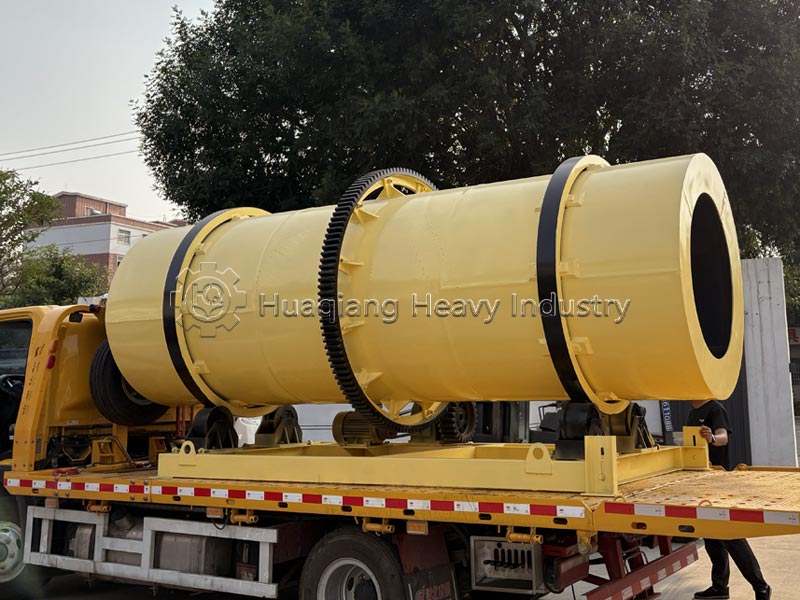
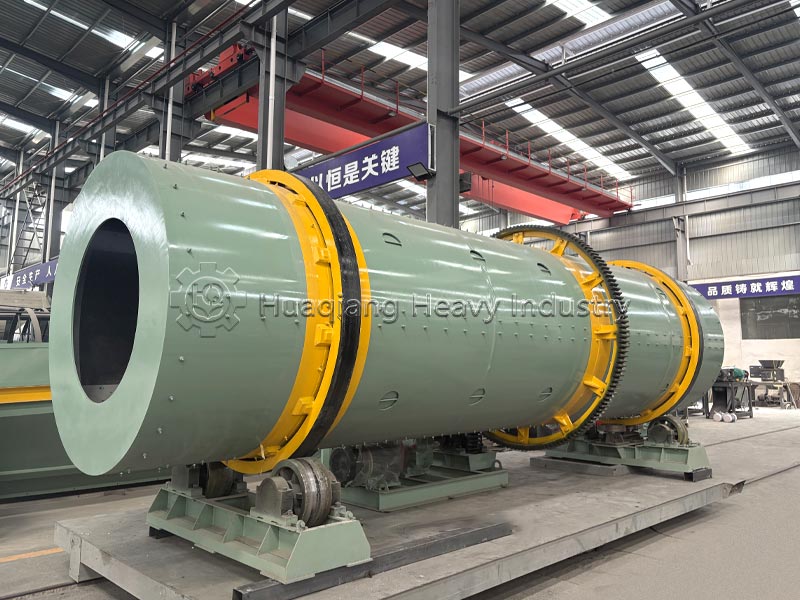
The rotary drum granulator, with its strong adaptability to various materials and high granulation rate, has become a core piece of equipment in organic fertilizer production lines. It can process organic materials from multiple sources, covering various fields such as livestock farming, agriculture, and industrial processing.
Livestock and poultry manure is the most common suitable material, including chicken manure, pig manure, cow manure, and sheep manure. These materials are rich in basic nutrients such as nitrogen, phosphorus, and potassium. After fermentation and composting, they have a loose texture and a certain viscosity, which meets the granulation requirements of the rotary drum granulator. The rotating agitation of the drum allows the manure material to be fully mixed with auxiliary materials, resulting in granules with moderate strength, effectively solving the problems of seedling burning and environmental pollution caused by the direct application of livestock and poultry manure.
Agricultural straw materials can also be processed by the rotary drum granulator, such as corn stalks, wheat stalks, and rice stalks. Straw is rich in cellulose and organic matter. After crushing and fermentation, it needs to be used in combination with viscous materials such as livestock and poultry manure. The rolling granulation of the drum allows the straw powder to be evenly coated and formed, which not only increases the organic matter content of the organic fertilizer but also realizes the resource utilization of agricultural waste.
In addition, the rotary drum granulator can also process industrial organic waste materials, such as distiller’s grains, vinegar residue, furfural residue, and pharmaceutical waste. These materials are rich in nutrients, but their composition is complex and their moisture content fluctuates greatly. The rotary drum granulator can adapt to the characteristics of different wastes by adjusting the rotation speed and material ratio, converting them into qualified organic fertilizer granules. At the same time, urban and rural organic waste such as kitchen waste and garden fallen leaves, after sorting and fermentation, can also be granulated and recycled through the rotary drum granulator.