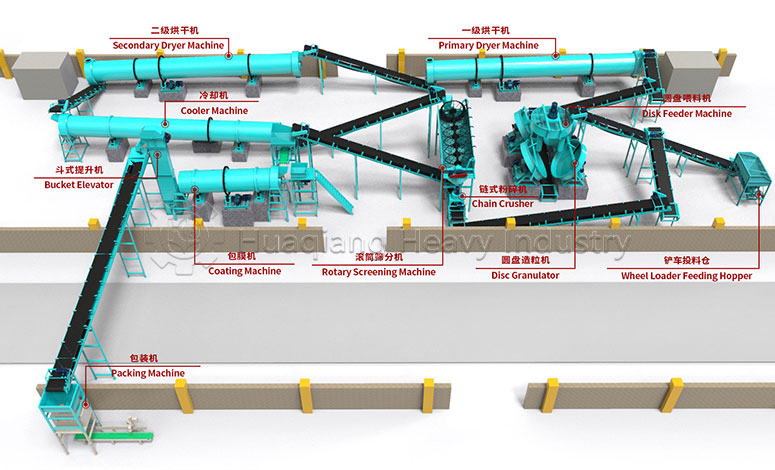
NPK compound fertilizers, widely used in modern agricultural production, undergo a precise and systematic industrial processing procedure. From basic chemical raw materials to uniformly shaped granules, this NPK fertilizer production line integrates chemical synthesis and physical processing technologies, forming a standardized manufacturing system.
Production begins with the precise measurement and synthesis reaction of raw materials. Different proportions of nitrogen, phosphorus, and potassium base materials undergo chemical reactions under controlled conditions to generate a complex containing the target nutrients. This chemical stage establishes the core nutrient content and ratio of the product.
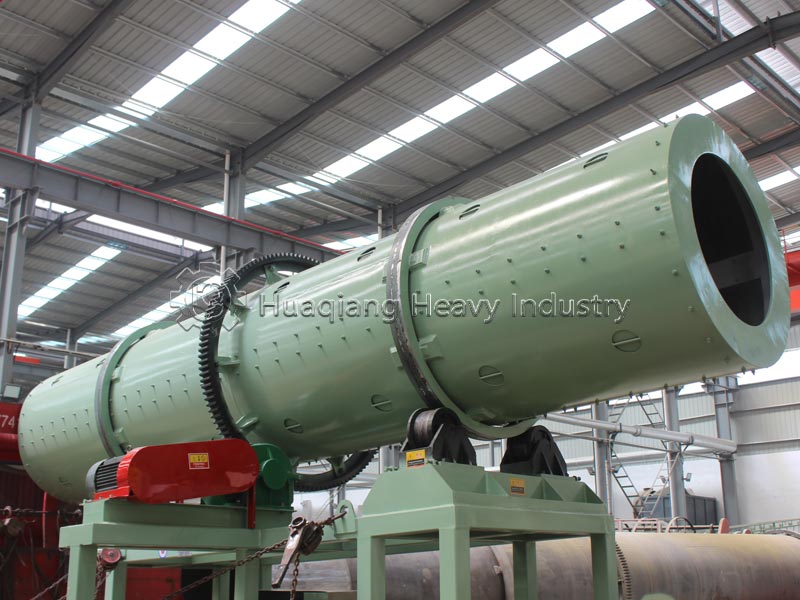
The synthesized slurry then enters the crucial physical molding stage. The rotary drum granulator plays a vital role in this process. By precisely controlling temperature and humidity, these granules achieve a stable physical morphology, preparing them for subsequent processing.
The newly generated granules require complete post-processing. After drying and cooling, the sieving process grades the granules according to their specifications. At this point, lumps with excessively large particle sizes are returned to the previous process, re-crushed in a fertilizer crusher, and then re-granulated. This cycle ensures high raw material utilization and uniform product particle size.
It is worth mentioning that some of the large-particle base fertilizers obtained after drying and screening can be used as raw materials to directly enter another flexible production path—through bulk blending fertilizer machines, they can be quickly and physically mixed with other single-element fertilizers or micronutrients according to actual field needs to produce customized blended fertilizers.
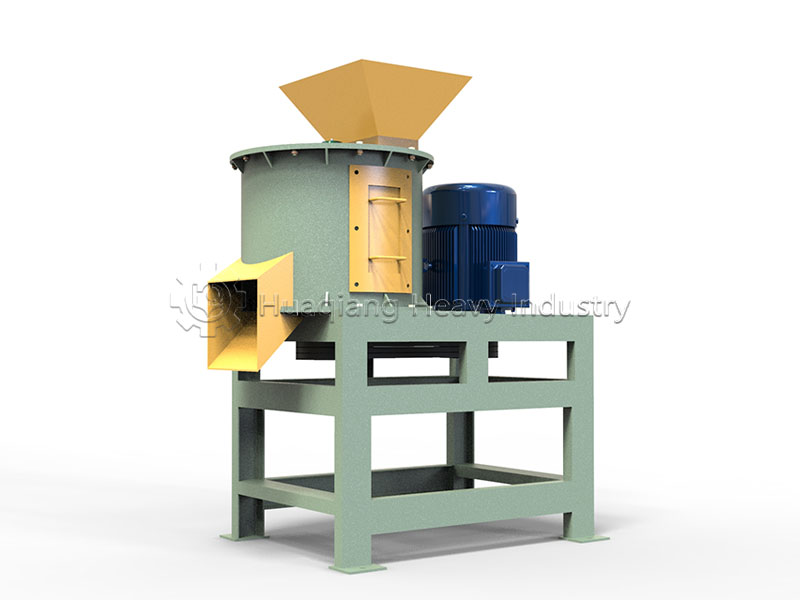
The combination of a cage crusher and a cyclone dust collector is a golden combination for the pretreatment of raw materials in fertilizer production. It achieves both fine crushing of large raw materials and efficient dust collection, purifying the production environment. It is widely applicable to the processing of raw materials for various fertilizers, including organic fertilizers and compound fertilizers, and is especially suitable for large-scale production scenarios requiring strict dust pollution control.
Core Equipment Functions and Synergistic Advantages
Cage Crusher: The Core Equipment for Precise Raw Material Crushing
Working Principle: Utilizing a “double-cage rotor collision + shearing” crushing mode, the inner and outer cage bars are driven by a motor to rotate at high speed (speed up to 1500-2000 r/min). After entering the chamber, the raw material is rapidly crushed through impact, shearing, and mutual collision between the cage bars. The particle size after crushing can be flexibly controlled between 0.5-3 mm.
Suitable Raw Materials: Perfectly processes inorganic fertilizer raw materials such as urea, monoammonium phosphate, and potassium chloride, as well as organic raw materials such as fermented livestock and poultry manure, straw charcoal, and mushroom residue. It can crush large materials with a particle size ≤80mm, with a crushing efficiency of 5-15 tons/hour (adjusted according to machine specifications).
Core Advantages: The cage bars are made of high-chromium wear-resistant alloy material, achieving a hardness of HRC60 or higher after quenching treatment, extending the service life to over 8000 hours; the equipment has a built-in grading screen, which can be replaced with different mesh sizes to ensure uniform output particle size; compact structure and low operating noise (≤75dB), suitable for compact production line layouts.
Cyclone Dust Collector: An Environmentally Friendly Solution for High-Efficiency Dust Purification
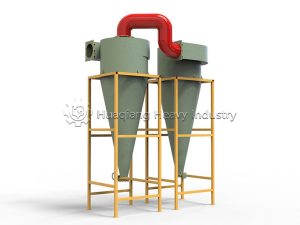
Working Principle: Utilizing centrifugal force to separate dust, dust-laden gas enters the dust collector chamber at high speed through the inlet, rotating along the inner wall. Dust particles are thrown against the wall by centrifugal force and slide down the cone wall to be collected in the ash hopper. The purified gas is discharged from the outlet, achieving a dust removal efficiency of 95%-98%.
Suitable Scenarios: Specifically designed for collecting dust generated during the operation of cage pulverizers, especially for dust particles with a diameter of 0.1-10μm in fertilizer production. It can control the dust concentration in the workshop to below 10mg/m³, meeting national environmental protection standards.
Core Advantages: Made of carbon steel or stainless steel, corrosion-resistant and easy to maintain; no need for filter cloths or other easily damaged parts, resulting in low operating costs; large air volume handling capacity (1000-5000m³/h), precisely matched to the dust generation of cage pulverizers, and can be directly connected to a fan for negative pressure dust removal.
III. Collaborative Workflow and Value
After the raw materials are crushed by the cage crusher, the resulting dust-laden gas is drawn into a cyclone dust collector under the negative pressure of a fan.
The dust is efficiently separated and collected, and the purified gas is discharged in compliance with standards. The collected dust is discharged through the ash hopper and can be recycled back to the production line for reuse, increasing material utilization by 3%-5%.
The entire system achieves integrated “crushing + dust removal” operations, ensuring that the raw material fineness meets standards, solving the dust pollution problem, reducing material waste, and lowering production losses.
Selection and Usage Precautions
Selection and Matching Key Points
Capacity Matching: Based on the hourly output of the cage crusher (e.g., 5 tons/hour, 10 tons/hour), select a cyclone dust collector with a corresponding air volume to ensure dust removal efficiency and avoid dust leakage due to insufficient air volume;
Material Compatibility: When handling corrosive raw materials (e.g., ammonium sulfate, monoammonium phosphate), the equipment should be made of stainless steel or have an anti-corrosion coating to extend its service life;
Installation Height: Sufficient installation height (usually ≥3 meters) should be reserved for the cyclone dust collector to ensure that dust settles smoothly into the ash hopper and avoids accumulation and blockage.
Daily Use and Maintenance Regularly check the wear of the cage bars in the cage crusher; replace them promptly if severely worn to avoid affecting crushing efficiency. Clean the screen regularly to prevent material from clogging the screen holes. Clean the dust collected in the cyclone dust collector’s hopper regularly to prevent excessive dust accumulation from affecting the dust removal effect. Check the air inlet and outlet for leaks to prevent a decrease in dust removal efficiency. Maintain the matching fan regularly to ensure stable negative pressure. Adjust the fan speed according to the amount of dust generated to balance dust removal efficiency and energy consumption.
A Foundational Step in the Production Chain
The cage crusher and cyclone dust collector system represents a critical early-stage process within a complete organic fertilizer manufacturing system. It ensures that raw organic materials are properly sized and cleaned before entering the core biological and shaping stages, setting the stage for high-quality final product manufacturing.
This preprocessing step is integral to an efficient organic fertilizer manufacturing operation. The crushed and cleaned material, often derived from compost processed by a chain compost turning machine using advanced fermentation composting turning technology, is ready for the organic fertilizer production granulation stage. Here, manufacturers can choose specialized equipment to shape the material. Options include a dedicated organic fertilizer disc granulation production line featuring an organic fertilizer disc granulation machine for uniform pellets, or a versatile organic fertilizer combined granulation production line that may incorporate a new type organic fertilizer granulator. This systematic integration, from efficient crushing to precise granulation, defines a modern, high-output organic fertilizer production line.Therefore, the value of the crushing and dust removal system extends far beyond its immediate function; it is an essential enabler of consistency, efficiency, and environmental compliance throughout the entire organic fertilizer production process.
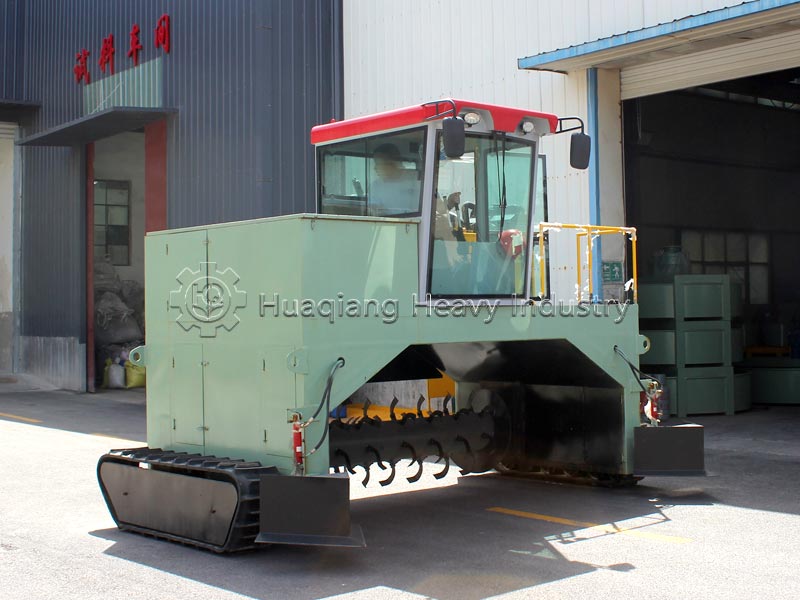
In the fermentation stage of bio-organic fertilizer production lines, the self-propelled compost turning machine is one of the core pieces of bio-organic fertilizer equipment. Compared to fixed composting equipment, its unique mobility and efficient turning capabilities allow it to easily handle complex sites and diverse pile requirements, helping to improve fermentation efficiency and organic fertilizer quality.
Flexible adaptation to complex sites is a core highlight of this bio-organic fertilizer equipment. Whether it’s scattered piles in small and medium-sized bio-organic fertilizer production lines or fermentation areas in rugged outdoor locations, its self-propelled design allows it to move freely without relying on tracks or level ground, significantly reducing site limitations. The working width can be adjusted according to the size of the compost pile, adapting to the fermentation needs of different scales of bio-organic fertilizer production lines.
Efficient turning is key to enabling high-quality fermentation in bio-organic fertilizer production lines. Through a powerful turning mechanism, it can penetrate deep into the compost pile for even turning, breaking up material compaction and ensuring ventilation, providing sufficient oxygen for microorganisms and accelerating organic matter decomposition; at the same time, it quickly dissipates heat, stabilizes the pile temperature, reduces nutrient loss, and improves the effectiveness and stability of the bio-organic fertilizer.
In addition, this bio-organic fertilizer equipment also boasts the advantages of convenient operation, environmental protection, and energy saving. It can provide customized fermentation solutions for bio-organic fertilizer production lines of different scales.
In NPK compound fertilizer production, although additives account for a small proportion of the total volume, they directly affect product quality, storage stability, and application effectiveness. Different types of additives need to be precisely matched to each stage of the NPK fertilizer production line. Scientific application can effectively solve problems such as caking, loose granules, and nutrient loss, thereby enhancing product competitiveness.
Anti-caking agents are a core category, mostly added during the raw material mixing stage in the fertilizer mixer machine or after granulation in the granulator. Common types include hydrophobic (mineral oil, silicones) and adsorbent (zeolite powder, diatomaceous earth). The former forms a protective film on the surface of the granules to isolate water and oxygen, while the latter adsorbs free moisture. Both can reduce the risk of caking, especially suitable for NPK fertilizers with high nitrogen and high humidity formulations.
Binding and conditioning agents are suitable for the granulation stage, ensuring molding quality. Binders (starch, lignin sulfonate) increase material viscosity, improving the molding rate of NPK fertilizer granulators and reducing powdering; conditioning agents optimize granule strength and smoothness, adapting to different granulation processes such as rotary drum granulator. The amount of additive needs to be adjusted according to the characteristics of the raw materials to avoid excessively hard granules or slow dissolution.
Nutrient efficiency enhancers need to be added during the mixing stage in the fertilizer mixer machine to improve fertilizer utilization. For example, urease inhibitors delay nitrogen volatilization, phosphorus activators reduce phosphorus fixation, and trace element chelating agents improve nutrient stability. Strict adherence to the formula ratio is necessary to ensure synergy with the main nutrients and avoid affecting fertilizer efficiency.
In summary, the core of additive application is “functional matching to the process stage and precise dosage.” Scientific selection based on raw materials and product requirements is essential to maximize their value and consistently produce high-quality NPK compound fertilizers.
The market competitiveness of NPK granular fertilizers hinges on granule strength, particle size uniformity, and nutrient stability. The progressive synergy of the fertilizer compaction machine, fertilizer screener machine, and NPK fertilizer granulator, from molding and strengthening to screening, builds a robust quality defense line at every stage.
The NPK fertilizer granulator is the first line of quality control. After precisely proportioned nitrogen, phosphorus, and potassium raw materials are fed into the equipment, they are formed into preliminary granules through wet rolling or dry pre-molding. This ensures that the multiple nutrients are evenly distributed within the granules, preventing stratification, and also initially controls the particle size range, laying the foundation for subsequent quality improvement.
The fertilizer compaction machine undertakes the mission of strengthening the granules. The initially formed granules lack sufficient strength and are prone to pulverization in subsequent stages. After precise extrusion, the internal structure of the granules becomes denser, significantly increasing strength and resulting in a more regular shape. Especially in dry granulation scenarios, the combination of these two machines can increase the granule formation rate to over 95%, meeting the needs of storage and transportation.
The fertilizer screener machine is the final quality control officer. The granules, after molding and strengthening, are graded by the multi-layer screens of the screening machine, removing oversized, undersized, and damaged unqualified products. Qualified products enter the packaging stage, while unqualified products are returned to the granulator for reprocessing, forming a closed loop that ensures uniform particle size and reduces raw material waste.
The synergy of these three pieces of equipment achieves controllable quality throughout the entire cycle of NPK granular fertilizer production, from molding to factory delivery. This not only improves the finished product qualification rate but also ensures stable fertilizer efficacy, precisely meeting the core needs of large-scale agriculture for high-quality fertilizers.
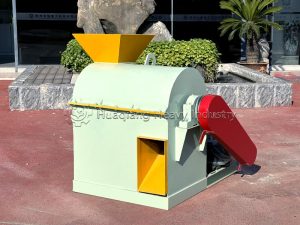
From agriculture to environmental protection, handling high-moisture materials has always been a challenge. Traditional dry crushers often suffer from clogging and low efficiency when processing wet materials, while the half-wet material crusher offers a targeted solution. This specialized equipment is designed specifically for processing materials with a certain level of moisture, revolutionizing the crushing process for wet straw, organic fertilizer, wet waste, and other similar materials in agriculture, food, chemical, and environmental protection industries.
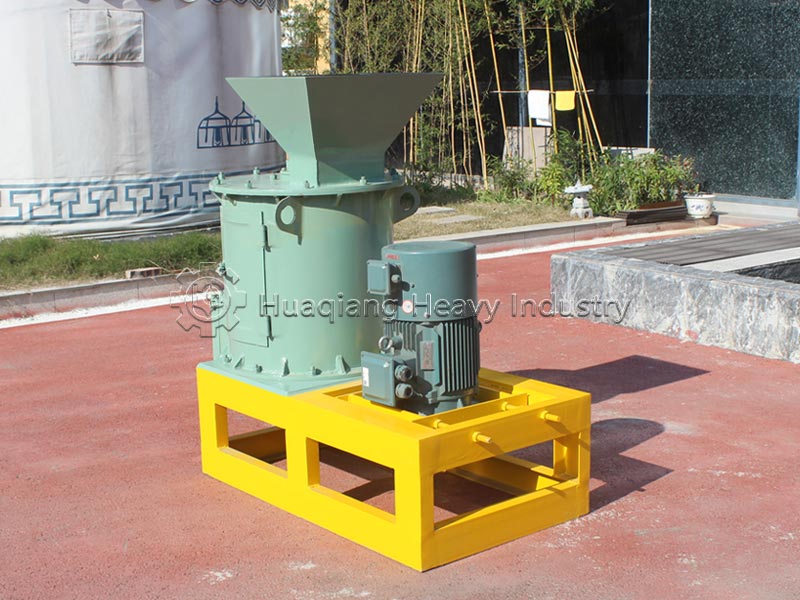
The half-wet material crusher boasts a scientifically designed and robust structure, the cornerstone of its reliable performance. Its core is the crushing chamber, a space specifically designed to accommodate wet materials and house key crushing components. These components, including blades, hammers, and toothed plates, are meticulously designed to withstand the adhesion and abrasion caused by wet materials. The feed inlet facilitates smooth material feeding, while the discharge outlet ensures efficient output of crushed products. The drive system, consisting of a motor and transmission device, provides stable power for the high-speed rotation of the crushing elements. Many models also offer optional screening systems for precise particle size control and are equipped with anti-clogging devices (such as reversing functions or specially structured crushing elements) to prevent material adhesion and clogging during operation.
The working principle of a semi-wet crusher is based on efficient mechanical action. Wet material first enters the crushing chamber through the feed inlet. Once inside, high-speed rotating crushing elements initiate the crushing process through cutting and grinding. Within the crushing chamber, the material undergoes intense collisions and friction with the crushing elements and other material particles, gradually breaking it down into smaller particles. The crushed material is then discharged through the discharge outlet. For models equipped with a screening system, any particles that do not meet the required particle size are intercepted by the screen and returned to the crushing chamber for secondary processing, ensuring uniform particle size. An integrated anti-clogging mechanism plays a crucial role in addressing the inherent adhesion problem of wet materials, ensuring continuous and efficient operation of the equipment.
With its numerous superior characteristics, the half-wet material crusher has become an indispensable tool in the field of wet material processing. Its excellent ability to handle wet materials is its main advantage, effectively avoiding the clogging problems common in traditional dry crushers. The high-speed rotating crushing elements ensure high crushing efficiency, quickly and uniformly crushing materials to the required particle size. This equipment also boasts wide adaptability, capable of processing various wet materials, including agricultural waste such as wet straw, organic fertilizer raw materials, and wet municipal waste. Its user-friendly design simplifies maintenance, facilitating the replacement of worn crushing parts and cleaning of the crushing chamber. Furthermore, particle size can be flexibly adjusted by changing the screen aperture size or modifying the crushing element configuration to meet the diverse application needs of different industries.
In the context of sustainable development, half-wet material crushers play a crucial role in promoting resource recycling. They efficiently process organic waste, transforming wet waste and agricultural residues into valuable resources for organic fertilizer production. By overcoming the technical bottlenecks in wet material crushing, it not only improves production efficiency but also contributes to environmental protection. As various industries increasingly emphasize green and efficient processing, half-wet material crushers will undoubtedly see wider application, driving innovation and progress in material processing across multiple fields.
A Foundational Step in the Organic Value Chain
The half-wet material crusher is a critical preprocessing unit in modern organic waste management. It specializes in the initial size reduction of high-moisture agricultural and green waste, making the material suitable for efficient decomposition in subsequent biological processes.
This crusher is an essential component within the broader equipments required for biofertilizer production. It works upstream of the key biological stage, which relies on advanced fermentation composting turning technology. Equipment like the large wheel compost turner, the chain compost turner, or a self propelled compost production machine is used in this stage as the primary agriculture waste compost fermentation machine to produce mature compost. The uniform, pre-crushed material from the half-wet crusher significantly enhances the efficiency of this fermentation. The resulting high-quality compost can then be processed into a marketable product on a disc granulation production line, completing the transformation from raw waste to a standardized organic fertilizer.Therefore, by solving the initial processing bottleneck for wet materials, the half-wet crusher enables the entire downstream chain, facilitating the efficient conversion of bulky, moist waste into a valuable and manageable resource for sustainable agriculture.
Diammonium Phosphate (DAP), a fertilizer rich in phosphorus (46% P₂O₅) and nitrogen (18% N), is widely recognized for its ability to boost root development and early plant growth. When it comes to the question “What plants benefit most from DAP?”, the answer centers on crops that rely heavily on robust root systems, vigorous early growth, and efficient flowering or fruiting. From staple cereals to root vegetables, and from young fruit trees to legumes, DAP proves particularly valuable as a starter fertilizer, laying a solid foundation for plant health and high yields. Understanding which plants gain the most from DAP and why is key to optimizing fertilizer use in agricultural and horticultural practices.
Cereal crops, including wheat, rice, and maize, are among the top beneficiaries of DAP. As the world’s most important staple foods, these crops require strong root establishment in their early growth stages to absorb water and nutrients efficiently. DAP’s high phosphorus content directly supports root development, while its ammonium nitrogen provides the necessary energy for early vegetative growth, ensuring the crops develop strong stalks and healthy foliage. For farmers, applying DAP as a starter fertilizer during sowing helps cereal crops establish quickly, resist early-stage stress, and ultimately improve yield potential—making it an indispensable input for large-scale cereal production.
Root and tuber crops, such as yams, cassava, potatoes, and sweet potatoes, also thrive with DAP application. The edible parts of these crops are underground roots or tubers, so a robust root system is critical for their growth and yield. DAP’s concentrated phosphorus supply stimulates the development of dense, healthy root networks, enabling the crops to better anchor themselves in the soil and absorb nutrients. This not only increases the size and quantity of tubers but also enhances their quality. Unlike some fertilizers that may prioritize leaf growth over root development, DAP’s nutrient ratio is perfectly tailored to the needs of root and tuber crops, making it a top choice for growers of these crops.
Vegetables like tomatoes, peppers, okra, and cabbage, as well as legumes such as soybeans, cowpeas, and other pulses, also benefit significantly from DAP. For vegetables, phosphorus is essential for flowering and fruiting—DAP ensures abundant blooms and reduces flower drop, leading to higher fruit set and better harvests. For legumes, even though they can fix nitrogen from the air through symbiotic bacteria, they still require phosphorus for strong root development. A healthy root system allows legumes to establish better symbiosis with nitrogen-fixing bacteria, improving overall growth and seed production. Additionally, young fruit trees (e.g., citrus, mango) and oilseeds (e.g., sunflower) rely on DAP during their early stages to establish strong roots and support future fruit or seed production, making DAP a crucial starter fertilizer for these crops.
The reason DAP works so well for these plants lies in its unique nutrient composition and properties. Its high phosphorus content drives root growth, energy transfer, and flowering, while the ammonium nitrogen supports early vegetative growth. As a versatile starter fertilizer, it can be applied during planting to give plants an immediate nutrient boost. Moreover, DAP has a slight alkaline effect, which helps balance acidic soils and improve nutrient uptake—further enhancing its effectiveness for a wide range of crops. In conclusion, DAP benefits most crops that require strong root systems and vigorous early growth, with cereals, root/tuber crops, vegetables, legumes, and young fruit trees being the top beneficiaries. By targeting these crops with DAP, growers can significantly improve plant health and yields.
Manufacturing the Precise Inputs for Targeted Nutrition
The targeted application of DAP for specific crops illustrates the broader need for precision in fertilizer formulation. This precision is achieved on a commercial scale through advanced manufacturing systems capable of producing a vast array of balanced and specialized fertilizers, including those containing DAP as a key component.
This industrial capability is embodied in modern npk fertilizer production technology and the npk fertilizer granulator machine equipment that forms its core. Within a complete npk fertilizer production line, raw materials like DAP are precisely measured and blended with other nutrients using an npk blending machine or npk bulk blending machine. This uniform blend is then shaped into granules using npk granulation machine technology, which may involve a fertilizer roller press machine for dry compaction or other granulation methods. The efficiency of this entire integrated system determines a factory’s total NPK compound fertilizer production capacity, enabling the reliable, large-scale supply of the tailored nutrient products that support specific crop strategies, from DAP-based starters to complex multi-nutrient blends.Thus, the strategic use of fertilizers in the field is underpinned by a sophisticated manufacturing sector that can precisely formulate and produce the specific nutrient combinations required by modern, crop-focused agriculture.
In 2025, Zhengzhou Huaqiang Heavy Industry Technology Co., Ltd. completed the full-process commissioning of a 10-unit extrusion granulation production line tailored for a customer in Guigang, Guangxi, officially entering a new stage of large-scale mass production. This production line focuses on the ultra-large-capacity production needs of compound fertilizers and organic fertilizers, integrating the entire chain of core processes including batching, crushing, mixing, granulation, screening, coating, and packaging. With its robust configuration of 10 granulation main units operating in parallel, highly automated process design, and stable and reliable operation, it has become a benchmark project for fertilizer production equipment in South China, injecting strong momentum into the upgrading of local agricultural industrialization.
Production Line Full-Chain Configuration and Core Equipment Analysis
The entire production line follows a closed-loop process of “precise batching – raw material pretreatment – efficient granulation – fine processing optimization – finished product output.” The equipment layout is compact and orderly, with seamless connections. Each unit works synergistically, ensuring both ultra-large capacity requirements and strict control over product quality stability.
Precision Batching and Raw Material Pretreatment Unit: Strengthening the Production Foundation
Multi-Compartment Collaborative Batching System: The production line starts with a 4-compartment automatic batching system. Each compartment is independently designed to store nitrogen, phosphorus, and potassium as main raw materials, as well as various additives. The total storage capacity meets the requirements of continuous 12-hour full-load production. Precision metering devices are installed at the bottom of the batching compartments. Combined with a PLC intelligent control system, the system automatically adjusts the amount of each raw material fed according to the preset formula, with a batching error of ≤1%, ensuring accurate fertilizer nutrient ratios.
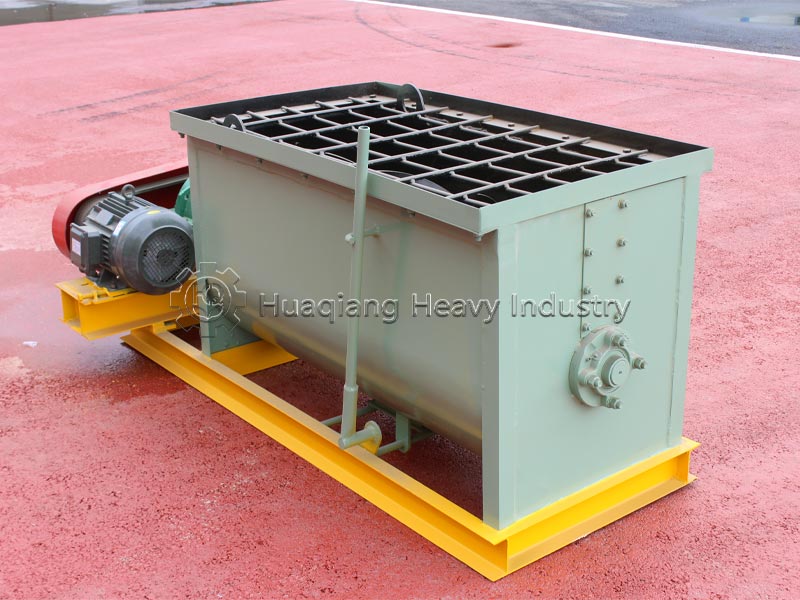
High-Efficiency Crushing and Uniform Mixing: Raw materials are conveyed to a 90-type horizontal semi-wet material crusher via 2.9-meter and 11-meter belt conveyors. This equipment is specifically designed for high-moisture raw materials, employing wear-resistant alloy cutter discs and a graded crushing structure. It can crush large, agglomerated raw materials (particle size ≤80mm) into uniform fine materials ≤2mm, achieving a crushing efficiency of 15 tons/hour, meeting the stringent requirements for raw material fineness in subsequent granulation. The pulverized material is transferred via a Y-shaped tee and a 14-meter belt conveyor to two 2200-type precision mixers (presumably “precision mixers”). These machines feature a dual-shaft counter-rotating design with wear-resistant coatings on the impellers. During mixing, the material forms a strong convection circulation, ensuring thorough mixing of different components with a mixing uniformity error of ≤2%, laying the foundation for high-quality granulation.
Core Granulation Unit: 10 Main Units Create Super Capacity
The mixed material is then diverted via a tee and evenly fed by two 2200-type disc feeders to ten extrusion granulators. The feeders employ variable frequency speed control and automatic material level control technology, allowing real-time adjustment of the feed rate based on the granulator’s operating status, preventing granulation quality fluctuations or equipment overload caused by uneven feeding.
The core highlight of the entire production line is the parallel operation of 10 extrusion granulators. Each machine has an hourly output of 3 tons, and their combined operation achieves a total capacity of 30 tons/hour and a daily capacity of 720 tons, far exceeding the capacity of conventional production lines. The granulators employ a high-strength roller extrusion design, with roller skins made of high-chromium alloy. After quenching treatment, the hardness reaches HRC62 or higher, exhibiting extremely high wear resistance and extending the service life to over 10,000 hours. The equipment is equipped with a hydraulic pressure regulation system, allowing precise control of the extrusion pressure within the range of 6-18 MPa to adapt to the granulation needs of raw materials with different moisture content and compositions. The granulation rate remains consistently above 93%, with uniform particle size controlled at 3-5 mm and particle strength reaching 2.8 MPa. The particles are not easily pulverized, meeting the requirements for long-distance transportation and long-term storage.
Screening and Coating Optimization: Granulated granules are transferred to a 15x60m drum screen (presumably a 1.5×6.0m standard size) via 7m and 11m belt conveyors. A double-layer screen design separates large, unqualified granules on the upper layer and selects qualified finished products on the lower layer, achieving a screening efficiency of 35 tons/hour. Unqualified granules are returned to the pre-processing unit via 8m and 5m return conveyors for reprocessing, achieving a material utilization rate of 99%. Qualified granules undergo anti-caking pre-treatment in a 16-type spiral duster, followed by a 1.5×6.0m coating machine. Atomized spraying technology evenly coats the granules with a coating agent, forming a dense protective film that effectively improves the fertilizer’s moisture resistance, stability, and slow-release nutrient effect.
Finished Product Storage and Automated Packaging: Wrapped finished products are conveyed to a finished product warehouse via a 12-meter belt conveyor for temporary storage. The warehouse is equipped with a material level monitoring system to provide real-time inventory status feedback. Finally, quantitative packaging is completed using an automatic packaging scale. The equipment supports rapid switching between multiple specifications such as 25kg, 40kg, and 50kg, with a measurement error ≤ ±0.2kg and a packaging speed of up to 200 bags/hour. Combined with a subsequent transfer system, it achieves rapid warehousing and shipment of finished products.
Core Advantages and Industry Value of the Production Line
Super Capacity Leading the Industry: The innovative configuration of 10 parallel granulation units breaks through the capacity bottleneck of conventional production lines, meeting the quantitative needs of large-scale fertilizer production enterprises and helping customers seize market share.
Intelligent, Efficient, Cost-Effective, and Inefficient: The entire process is integrated with a PLC intelligent control system, achieving automated control of batching, feeding, granulation, and screening, reducing manual intervention and labor intensity. The equipment’s energy consumption is 15% lower than that of conventional production lines with the same capacity, resulting in a significant reduction in overall production costs.
Stable, reliable, and highly adaptable: Core equipment adopts standardized and wear-resistant designs, key components are highly versatile, and maintenance is convenient. The production line can flexibly adapt to the production of various materials such as organic fertilizer, compound fertilizer, and bio-organic fertilizer, and supports product customization with different particle sizes and formulas, demonstrating extremely high adaptability.
The successful commissioning of 10 extrusion granulation production lines in Guigang, Guangxi, not only demonstrates Huaqiang Heavy Industry’s core strength in the R&D and integration of ultra-large capacity granulation equipment, but also provides efficient and stable equipment support for the modernization of agriculture in South China. In the future, Huaqiang Heavy Industry will continue to focus on customer needs, continuously optimize product performance and process solutions, and provide more competitive customized solutions for global fertilizer producers, contributing to the high-quality development of the agricultural industry.
Mastering High-Volume Dry Granulation
This groundbreaking 10-unit production line in Guangxi exemplifies the industrial-scale application of advanced fertilizer granulation technology. Its core innovation lies in the massive parallel deployment of extrusion granulators, a method that falls under the category of dry granulation processes.
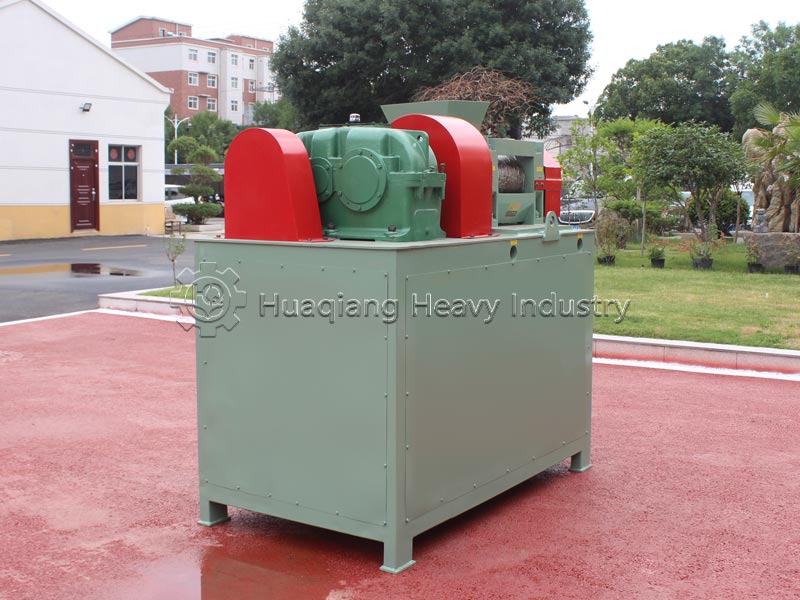
The line is a prime example of a roller press granulator production line, where each fertilizer compaction machine (or fertilizer compactor) performs fertilizer granules compaction through high-pressure extrusion. This method of fertilizer compaction is a key fertilizer granulation processes used within the broader npk manufacturing process for specific product types. It stands in contrast to alternative fertilizer processing machine technologies, such as drum granulation using a rotary drum granulator for wet agglomeration. The successful scaling to ten parallel units demonstrates a mastery of this particular fertilizer granulation technology, enabling unprecedented production volumes of dense, low-moisture fertilizer granules.Therefore, this project is not just about capacity; it is a testament to the precision engineering and process control required to reliably scale up dry granulation, providing a model for high-output fertilizer manufacturing that prioritizes product density and energy efficiency.
We warmly welcome people from all walks of life to visit, guide, and discuss business with us, and work together to create a new future for green agricultural development!
Rotary drum granulation production lines are widely used in organic and compound fertilizer production due to their wide adaptability and excellent molding effect. Their construction requires following a scientific process, considering both production capacity requirements and environmental standards.
Preliminary Planning: First, clarify the production raw materials (such as organic fertilizer fermentation materials, NPK compound fertilizer raw materials) and production capacity targets. Determine the process route based on local environmental policies, such as whether drying and dust removal equipment are needed. Simultaneously, conduct a cost assessment, covering core expenses such as equipment procurement, site construction, and energy consumption.
Equipment Selection and Matching: The core equipment, the rotary drum granulator, needs to be selected according to the characteristics of the raw materials, ensuring that parameters such as rotation speed and inclination angle meet the granulation requirements; supporting equipment needs to be precisely matched. The pre-treatment stage should include fertilizer crushers and screening machines to ensure the particle size of the raw materials. After granulation, dryers and coolers should be connected to optimize particle quality, and dust collection devices should be installed.
Site Layout and Installation: The site needs to accommodate sufficient spacing and operating space for the equipment. The ground should be treated with anti-slip and anti-corrosion coatings, and areas for raw material and finished product storage should be reserved; during installation, ensure the equipment’s levelness and sealing, especially the transmission system of the rotary drum granulator, to avoid vibration or leakage problems during operation. Also, rationally plan the pipeline layout to improve production efficiency.
Commissioning and Operation: First, conduct a no-load test run to check the stability of the equipment; then conduct a load test, optimizing the granulation effect by adjusting parameters such as raw material moisture and drum rotation speed. During the test run, record key data to establish a standardized production process and ensure stable mass production.
A high-efficiency, stable organic fertilizer production line begins with the meticulous pretreatment of raw materials. While the crushing stage is at the forefront of the entire organic fertilizer production equipment system, it fundamentally determines the quality of subsequent fermentation and the finished product.
Among these processes, the half-wet material crusher demonstrates a unique advantage in handling high-moisture raw materials. It effectively crushes sticky and moist materials such as fresh poultry and livestock manure, kitchen waste, and straw, solving the pain points of traditional crushers, such as easy clogging and low efficiency. Its special anti-stick design ensures that even high-moisture materials can be smoothly broken up, creating ideal physical conditions for subsequent uniform fermentation and rapid decomposition. This is a key link in improving the adaptability of raw materials in modern organic fertilizer production lines.
From the “coarse crushing” of raw waste by the half-wet material crusher to the “fine crushing” of fermented materials by the fertilizer crusher, these two types of equipment form a highly efficient pretreatment combination at the forefront of the organic fertilizer production line. Together, they transform raw materials of varying shapes and moisture levels into materials of uniform specifications that are easy to process, ensuring the smooth operation of the entire production line and the stable quality of the final product.
Therefore, when constructing a complete organic fertilizer production equipment system, paying attention to the crushing process and investing in specialized equipment are indispensable steps to achieve the resource utilization, large-scale, and high-value utilization of organic waste.


.jpg)
.jpg)