Double axis paddle mixers: A powerful mixing tool for efficient production across multiple industries

In production processes across industries such as chemicals, pharmaceuticals, food, and building materials, the uniformity and efficiency of material mixing directly impact the quality of the final product. Double axis paddle mixers, with their superior performance, have become the preferred equipment for many companies.

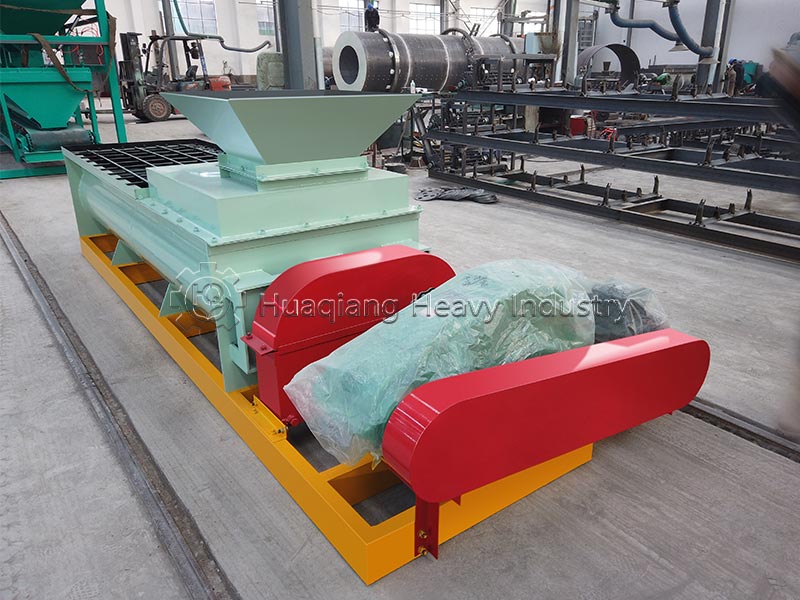
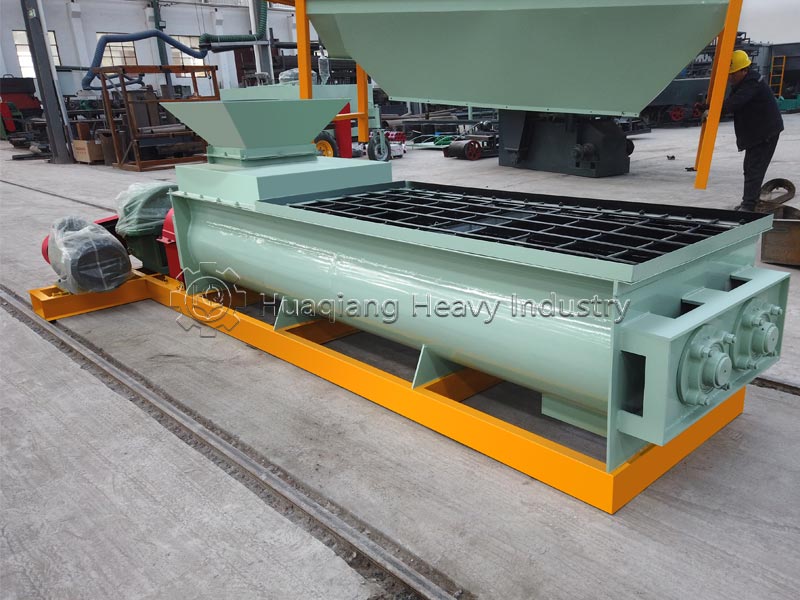
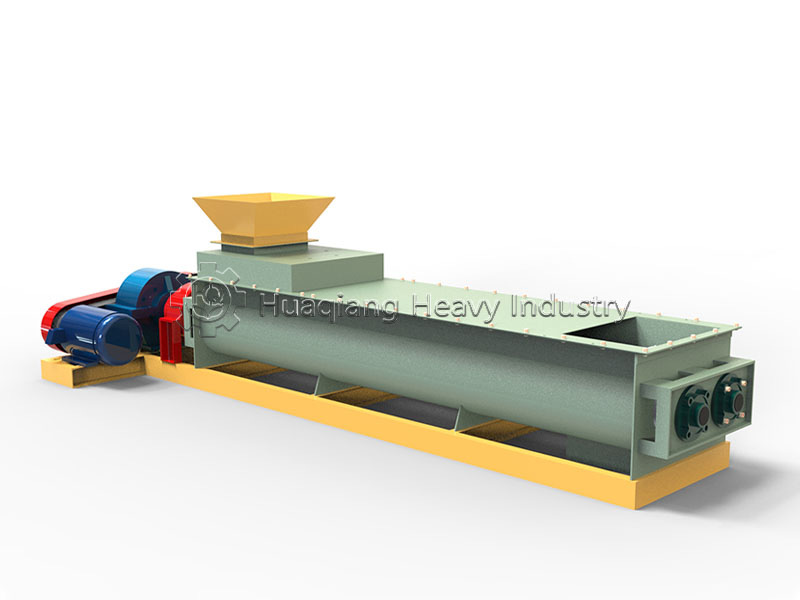
As a high-efficiency mixing device, it uses two independent, counter-rotating mixing shafts as its core. Through paddle-type or other types of mixing blades, it shears, crushes, and diffuses materials, easily achieving deep mixing. It is particularly suitable for scenarios requiring the mixing of high-viscosity materials and solid particles, solving the problems of uneven mixing and low efficiency associated with traditional mixing equipment.

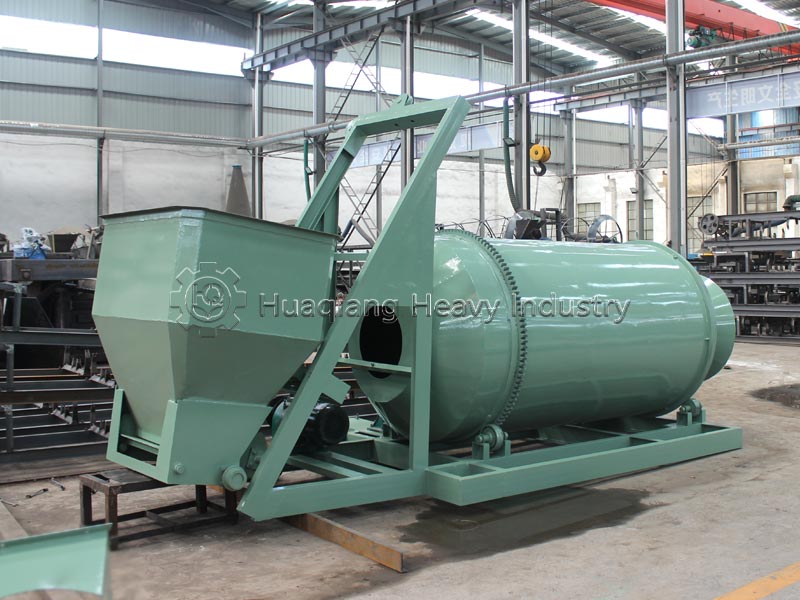
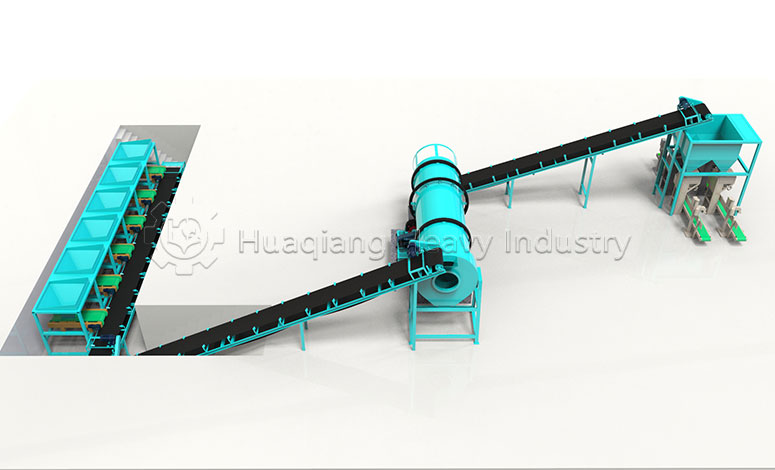
In the fertilizer production field, NPK fertilizer production lines have extremely high requirements for material mixing precision. NPK blending machine needs to uniformly mix raw materials such as nitrogen, phosphorus, and potassium. Double axis paddle mixers, with their stable mixing effect, ensure uniform distribution of raw materials, laying a good foundation for subsequent granulation, drying, and other processes, significantly improving the quality of fertilizer products. Furthermore, it is not only an important component of fertilizer mixer equipment but can also work in conjunction with fertilizer mixer machines and other equipment, adapting to the needs of different production lines such as organic fertilizers and bio-organic fertilizers.

Beyond industrial applications, double axis paddle mixers also play a crucial role in food additive mixing and pharmaceutical raw material pretreatment. For companies pursuing high-efficiency, high-quality production, selecting suitable high-efficiency mixing equipment is undoubtedly a key step in improving production efficiency and reducing costs, injecting strong momentum into the sustainable development of the industry.

Key equipment maintenance for NPK blending fertilizer production lines

The NPK blending fertilizer production line is the core of compound fertilizer production. The condition of its equipment directly affects product quality and production efficiency. Proper, science-based maintenance not only cuts unplanned downtime but also significantly extends equipment life and lowers production costs.

1.Raw Material Pretreatment System

Fertilizer crushers and screening equipment are the front-end critical units. Poor maintenance here causes problems later. Check hammer heads and screen mesh wear weekly. Replace them when wear reaches one-third of the original thickness. Clean out leftover material inside the equipment thoroughly after each day’s production to prevent caking and corrosion.

2.Mixing System

The double axis paddle mixer is the heart of blending. Pay special attention to paddle wear and shaft end seal condition. Measure the gap between paddles and the mixing chamber monthly. Adjust or replace paddles if the gap exceeds 5mm. Replace seals every six months to prevent lubricant leaks contaminating the product.

3.Packaging and Conveying Equipment

Automatic packing scales and belt conveyors directly impact packing accuracy and NPK blending fertilizer production line continuity. Calibrate packing scale sensors monthly using standard weights to keep weighing errors within ±0.2%. Check conveyor idler rollers quarterly for smooth rotation. Seized rollers significantly increase motor load.

Implementing these maintenance steps can greatly reduce equipment failure rates and boost the overall efficiency of the NPK blending fertilizer production line. This provides a solid foundation for stable product quality and controlled production costs.

Double axis paddle mixers: Precision mixing equipment in modern fertilizer production lines

In modern fertilizer production systems, double axis paddle mixers, with their superior mixing performance, have become indispensable key equipment in NPK blending fertilizer production lines and bio-organic fertilizer equipment.

In NPK blending fertilizer production lines, double axis paddle mixers play a crucial role. Their precise paddle arrangement and adjustable speed configuration ensure perfect mixing of raw materials with different specific gravities and particle sizes, such as nitrogen, phosphorus, and potassium. The staggered arrangement of the paddles on each shaft, rotating in opposite directions, forms a complex three-dimensional motion trajectory, completely eliminating mixing dead zones and ensuring that the nutrient uniformity of each batch meets process requirements.

Simultaneously, in bio-organic fertilizer equipment systems, double axis paddle mixers also demonstrate unique advantages. The equipment can gently and effectively process organic materials containing active microbial agents, ensuring uniform mixing while maximizing the protection of microbial activity. Its unique motion mode is particularly suitable for handling organic raw materials with large specific gravities and complex physical properties.

From a performance perspective, double axis paddle mixers exhibit excellent stability in NPK blending fertilizer production lines. Precision manufacturing processes and optimized power configurations ensure that the equipment can meet the stringent requirements of continuous production. In bio-organic fertilizer equipment systems, its excellent sealing performance and corrosion-resistant design effectively guarantee long-term stable operation in humid and corrosive environments.

As an important member of the fertilizer mixer machine family, the double axis paddle mixer, with its superior mixing accuracy and wide adaptability, is driving the technological upgrade of NPK blending fertilizer production lines and bio-organic fertilizer equipment systems, injecting new momentum into the refined development of the modern fertilizer industry.