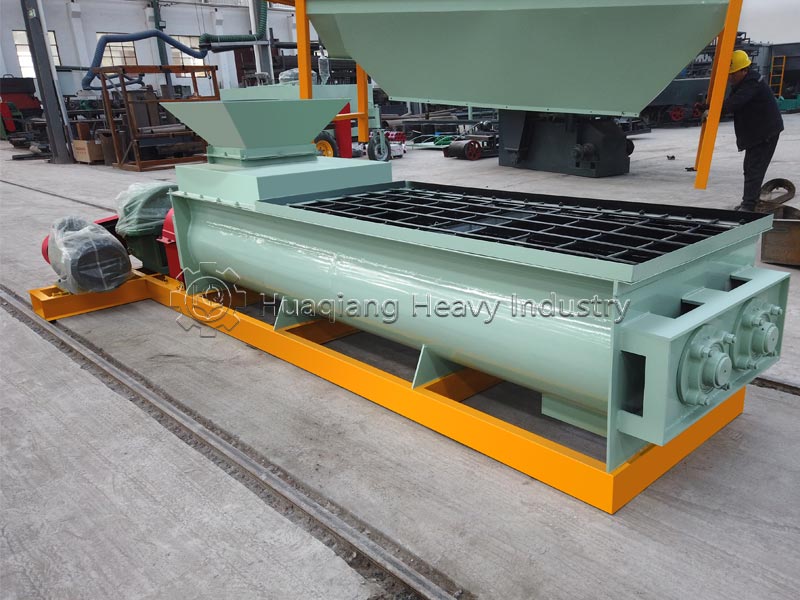
A comprehensive guide: What is an NPK blending fertilizer production line?
An NPK blending fertilizer production line is essentially a complete equipment system for processing bulk blended fertilizer (BB fertilizer). Its core function is to precisely and uniformly mix nitrogen, phosphorus, and potassium fertilizers with micronutrients according to a pre-set formula, producing customized blended fertilizers. It is a crucial production platform connecting raw materials with precise fertilization needs.
The production line operates through four core units. The raw material pretreatment unit is responsible for screening, crushing, and removing impurities from the single-element fertilizers, eliminating lumps and ensuring uniform particle size, laying the foundation for mixing. The metering and batching unit is the core, automatically adding materials according to the formula using precise weighing equipment, with an error controlled within ±1%, ensuring accurate nutrient ratios.
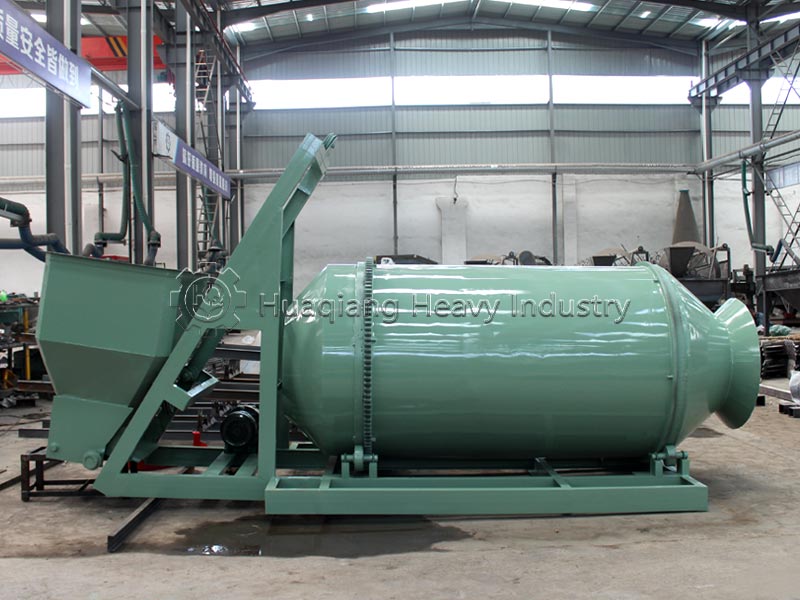
The mixing and finished product processing unit handles subsequent processes. The mixing process primarily utilizes double shaft paddle mixers or BB fertilizer mixers, employing strong convection principles to achieve rapid blending of raw materials, resulting in a nutrient variation coefficient of less than 3% and preventing localized nutrient enrichment. After screening to remove impurities, the finished product is packaged by fertilizer packaging machines or directly sent to bulk silos, adaptable to various storage and transportation scenarios.
Its core advantage lies in flexible production. Unlike the fixed formulas of compound fertilizer production lines, it can adjust the formula in real time based on soil data and crop nutrient requirements, quickly switching between different formulations. Furthermore, the level of automation in the production line can be configured as needed, catering to the production needs of both small and medium-sized workshops and large enterprises.
In summary, the NPK blending fertilizer production line is not a single piece of equipment, but a precise and flexible complete system. Through the collaborative efforts of its various units, it achieves integrated production, providing solid capacity support for precision fertilization in modern agriculture.