Comprehensive analysis of products processed by rotary drum granulators

With its advantages of stable granulation, wide adaptability, and suitability for large-scale production, the rotary drum granulator has become a core fertilizer granulation equipment in the fertilizer industry, capable of processing various types of granular fertilizers.

Organic Fertilizer Series: It can process raw materials such as livestock and poultry manure and straw into ordinary organic fertilizer granules. The finished product has uniform particle size and moderate strength, making it easy to store and transport; it can also process bio-organic fertilizers; in addition, organic-inorganic compound fertilizers can also be produced using rotary drum granulators by mixing organic materials with inorganic fertilizer raw materials for granulation.
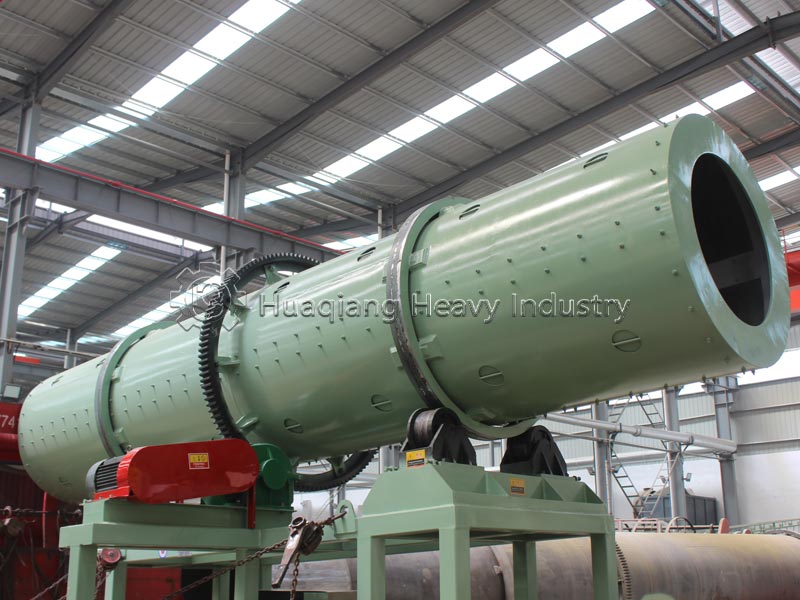
Compound Fertilizer Series: It can process nitrogen, phosphorus, and potassium compound fertilizers. By precisely proportioning raw materials such as urea, monoammonium phosphate, and potassium chloride, it can produce general-purpose or special-purpose compound fertilizers with different nutrient ratios to meet the needs of different crops; it can also process compound fertilizers containing trace elements by mixing magnesium sulfate, zinc sulfate, etc., into the basic fertilizer raw materials to achieve comprehensive nutrient supplementation and improve crop quality; it is also suitable for processing slow-release compound fertilizers.

In addition, the rotary drum granulator can also process some special fertilizers, such as fertilizers for flowers and seedlings. By adjusting the raw material ratio and granulation parameters, it can produce granular fertilizers that meet the growth needs of specific crops; it can also process industrial waste such as slag and fly ash into environmentally friendly fertilizers, achieving resource utilization.
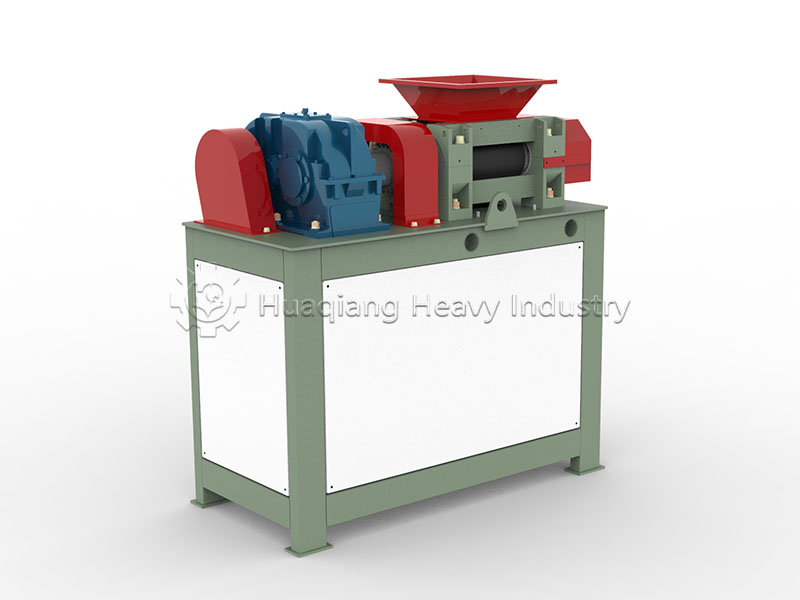
Overcoming the challenges of traditional granulation: Roller press granulation production lines drive industry upgrades

In the field of granular product manufacturing, traditional granulation often faces challenges such as insufficient particle strength, uneven particle size, high energy consumption, and failure to meet environmental standards. Roller press granulation production lines, with their optimized design, have become the preferred solution to these problems, widely adaptable to the granulation needs of various industries, including fertilizers, chemicals, and feed.

Traditional fertilizer granulation equipment suffers from limited raw material adaptability and low finished product yield. This is especially true for organic fertilizer granulation, where complex raw materials and fluctuating moisture levels can lead to sticking and clumping. The double roller press granulator utilizes a drying-free, room-temperature granulation technology, eliminating the drying process and resulting in lower energy consumption. It can handle a variety of powder raw materials with moisture content ranging from 8% to 20%, stably granulating both organic fertilizer fermentation materials and special chemical powders.

Balancing environmental protection and efficiency is its core advantage. The dust and noise pollution problems of traditional granulation can be solved by the fully enclosed structure and dust collection device of this production line, effectively controlling dust emissions. Combined with a variable frequency speed control motor and PLC intelligent control system, it enables automated continuous production, reducing manual intervention, improving efficiency, and minimizing operational errors.

Its industry adaptability is extensive: the fertilizer industry can produce organic-inorganic compound fertilizer granules, ensuring uniform nutrient distribution; the chemical industry can process heat-sensitive and corrosive raw materials, preventing deterioration; and the feed industry can produce high-strength granules of additives, preventing breakage during transportation.