Advantages and disadvantages of BB fertilizers: Value determined by suitability

BB fertilizers, or blended fertilizers, are made by mixing two or more single-element fertilizers or compound fertilizers in a specific ratio. They require no complex granulation process and their flexibility has secured them a place in agricultural production.

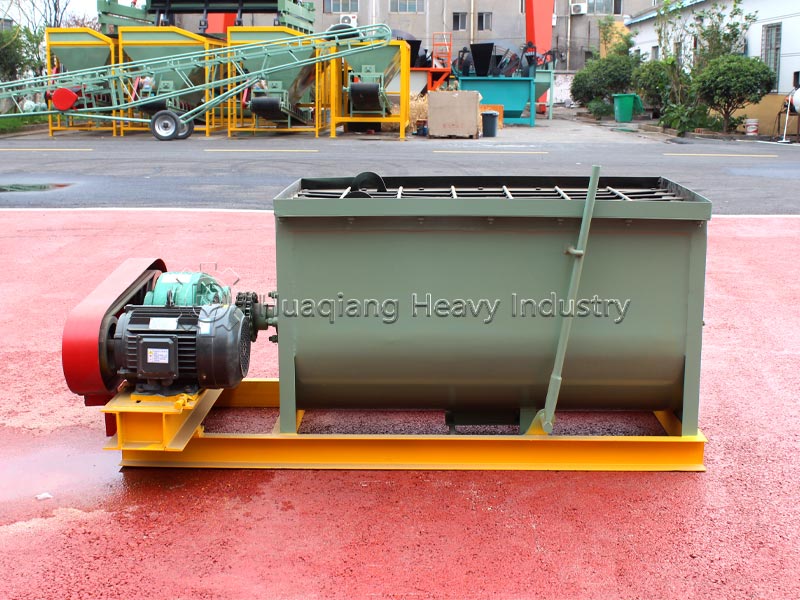
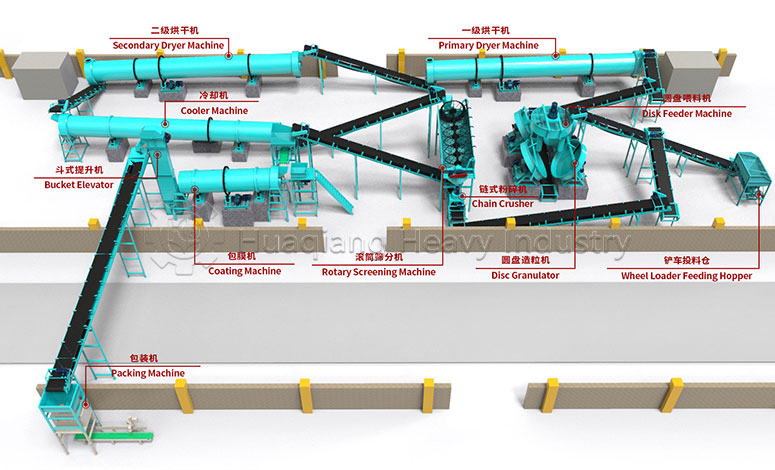
The core advantages of BB fertilizers are their flexibility and economy. Formulas can be customized to precisely suit different soil fertility levels and crop needs, adjusting the proportions of nitrogen, phosphorus, potassium, and trace elements. Their adaptability far exceeds that of fixed-ratio compound fertilizers, making them particularly suitable for specialty crops and regional soil improvement. The production process is simple; the core blending process can be completed using a BB fertilizer mixer, eliminating the need for complex granulation equipment and a complete NPK blending fertilizer production line. This significantly reduces processing costs and ensures high raw material utilization, minimizing nutrient waste.
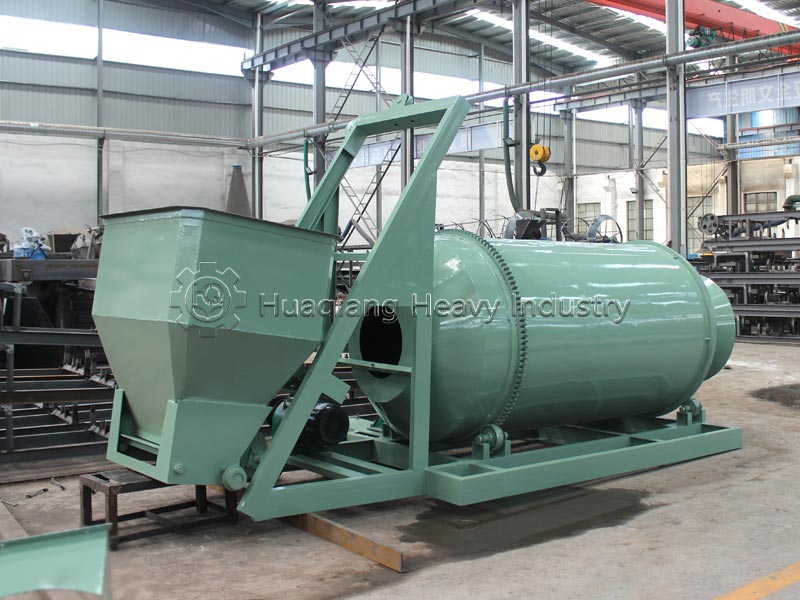
The disadvantages stem from the inherent limitations of their blending characteristics. They have poor physical stability; different raw materials have varying particle sizes and specific gravities. Even after being uniformly mixed in a BB fertilizer mixer, they are prone to stratification and clumping during transportation and storage, affecting the uniformity of fertilization and leading to uneven crop growth. Uncoordinated nutrient release and lack of synergistic slow-release effect can easily lead to partial nutrient loss and insufficient supply. It also requires high purity of raw materials and precise blending.

In summary, BB fertilizer is suitable for small-scale, personalized planting scenarios, accurately matching differentiated needs. In large-scale, standardized planting, it needs to be paired with professional fertilizer production equipment to control the precision of the ratio and to manage storage effectively in order to avoid shortcomings and maximize advantages.
The use of granular potassium fertilizer in agriculture offers several undeniable benefits

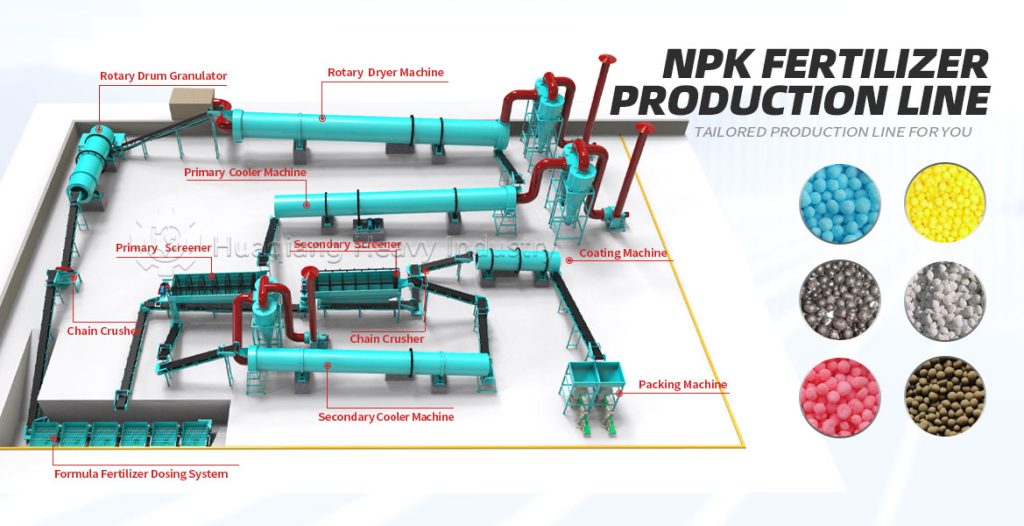
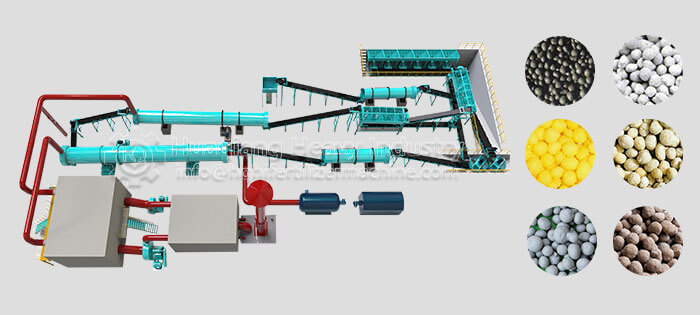
Potassium fertilizer is a vital element for crop growth. Granular potassium fertilizer, an important type of NPK fertilizer, is processed using NPK fertilizer production lines and fertilizer granulators. Compared to traditional powdered potassium fertilizer, its granular form optimizes application, improves fertilizer efficiency, and protects the soil.

Convenient storage and transportation. Granular potassium fertilizer processed by a granulator is compact and less prone to caking. Transportation is dust-free and prevents scattering, avoiding the waste associated with powdered potassium fertilizer that absorbs moisture, cakes, and disperses. Storage does not require complex moisture-proof measures; it remains loose even after long-term storage, making it easy for farmers to use and manage, reducing storage and transportation costs.

Precise application. The fertilizer granulator ensures uniform particle size, making it suitable for mechanized sowing and topdressing, eliminating the need for manual crushing, saving labor and effort. During application, it does not stick together and distributes evenly, preventing localized high concentrations that can burn seedlings, reducing nutrient volatilization, and allowing potassium to act precisely on the crop roots, improving application efficiency.

Long-lasting fertilizer effect. Granular potassium fertilizer dissolves gradually and releases potassium slowly, avoiding the drawbacks of rapid-acting potassium fertilizers and extending the fertilizer effect period. The granular form also reduces contact with the soil, reducing nutrient fixation and promoting gradual absorption by the roots, improving utilization efficiency.

Soil protection and wide applicability. It has minimal irritating effects on the soil, reduces soil compaction, and balances fertilizer efficiency with soil protection. Whether for field crops, cash crops, or fruit trees, it can be flexibly adapted, and supported by professional fertilizer production equipment, it contributes to green and efficient agricultural production.

Objectively viewing composting: These inherent drawbacks require attention

Composting, as a traditional method of organic waste resource utilization, while possessing environmental advantages, suffers from numerous inherent drawbacks due to technological limitations and environmental conditions. These shortcomings are particularly pronounced in large-scale, standardized production scenarios and must be addressed rationally based on actual needs.

1.Long Composting Cycle and High Environmental Impact

Natural composting typically requires 4-8 weeks to mature, and even high-temperature composting requires 2-4 weeks, far slower than the processing efficiency of professional fertilizer composting equipment. Furthermore, composting effectiveness depends on precise control of temperature, humidity, and carbon-to-nitrogen ratios. Low temperatures and high humidity environments can easily lead to incomplete maturation and the presence of residual pathogens and insect eggs.

2.Unbalanced Nutrients and Difficulty in Precise Control

The nutrient ratios of composting raw materials (straw, manure, etc.) are fixed, making it impossible to adjust the nitrogen, phosphorus, and potassium content according to crop needs. This can easily lead to nitrogen deficiency and phosphorus excess. Compared to compound fertilizers produced by NPK fertilizer production lines, compost has a lower nutrient concentration, requiring large-scale application to meet crop requirements.

3.Large Footprint and Significant Odor and Pollution Risks

Small-scale composting requires significant space, while large-scale composting, if improperly handled, can release odorous gases such as hydrogen sulfide and ammonia, impacting the surrounding environment. If the raw materials contain heavy metals, antibiotics, or other pollutants, the composting process cannot completely remove them, easily causing secondary soil pollution.

Applicable scenarios are limited. Composting cannot meet the standardized and efficient fertilizer requirements of large-scale, intensive farming. It needs to be combined with specialized fertilizer production equipment for secondary processing to broaden its application scenarios.

What are the typical signs of nutrient deficiencies in crops?

Nutrient deficiencies in crops gradually manifest through changes in the appearance of leaves, stems, and fruits, with different nutrient deficiencies showing distinct symptoms. Understanding these characteristics allows for timely fertilization to mitigate losses. Targeted fertilizers produced by equipment such as organic fertilizer production lines and NPK fertilizer production lines can be used for supplementation.

Nitrogen, phosphorus, and potassium deficiencies are the most common. Nitrogen deficiency causes older leaves to yellow first, spreading from the leaf tip to the petiole. The plants are stunted and weak, and the leaves are dull. High-nitrogen compound fertilizers produced by NPK fertilizer production lines can be used for supplementation. Phosphorus deficiency results in dark green or purplish-red leaves, which are more noticeable in new leaves. The root system is weak, the stems are thin, and the crops mature late with low fruit set. Potassium deficiency causes scorching and browning of the leaf margins, forming “scorched edges,” which are first seen in older leaves. Stems are prone to lodging, and fruit expansion is slow. Potassium fertilizers produced by specialized fertilizer production equipment can alleviate this.

Micronutrient deficiencies have specific symptoms. Iron deficiency causes new leaves to yellow first, with the veins remaining green, forming “green veins on yellow leaves,” commonly seen in acidic soils. Magnesium deficiency causes chlorosis between the veins of older leaves, resulting in patchy discoloration, followed by leaf shedding, affecting photosynthesis. Boron deficiency can lead to crops failing to set fruit, deformed fruits, and root tip necrosis, which is particularly significant for fruits and vegetables.

Diagnostic tips: First, observe the location of the deficiency (old leaves/new leaves), then observe the color changes, and make a comprehensive judgment based on the crop and soil conditions. It is important to note that nutrient deficiency symptoms can be easily confused with diseases, pests, and drought. Local fertilization and observation of growth can help confirm the diagnosis. Accurate fertilization requires professional equipment such as NPK fertilizer production lines to produce balanced fertilizers tailored to specific needs.

A comprehensive overview of the core raw materials for NPK compound fertilizer production

The core value of NPK compound fertilizer lies in the balanced supply of the three major nutrients: nitrogen (N), phosphorus (P), and potassium (K). The selection of raw materials directly determines its nutrient content, fertilizer efficiency, and applicable scenarios. Production requires an NPK fertilizer production line, precisely matching nitrogen, phosphorus, and potassium source raw materials and a small amount of auxiliary materials according to nutrient requirements.

Nitrogen source raw materials are diverse and highly adaptable. Urea has a nitrogen content of 46%, and its nutrients are pure and easily absorbed, making it the first choice for high-nitrogen compound fertilizers; ammonium chloride is low in cost, and ammonium sulfate can supplement sulfur, respectively suitable for chlorine-loving and sulfur-tolerant crops; calcium ammonium nitrate combines nitrogen and calcium supplementation functions, is safe to use, and is suitable for fruit and vegetable cultivation.

Phosphorus source raw materials mainly come from phosphate rock processing, requiring consideration of both effectiveness and stability. Monoammonium phosphate and diammonium phosphate are the mainstream options; the former has a high phosphorus content and good water solubility, while the latter has excellent nitrogen-phosphorus synergy; superphosphate and triple superphosphate are cost-effective, the former contains sulfur, and the latter has a higher phosphorus concentration, and can be selected according to cost and crop needs.

Potassium source raw materials are divided into chloride and sulfate types. Potassium chloride has a high potassium content and low cost, suitable for field crops, but prohibited for chlorine-sensitive crops; potassium sulfate is suitable for chlorine-sensitive crops and supplements sulfur, and is mostly used for fruits, vegetables, and cash crops; potassium nitrate combines nitrogen and potassium nutrients, acts quickly, and is suitable for critical growth stages of crops.

Auxiliary materials need to include binders and fillers to improve the molding and stability of the fertilizer. During processing, the main and auxiliary materials are thoroughly mixed using a fertilizer mixer, and specialized fertilizer production equipment is used to ensure uniformity.

A comprehensive analysis of the advantages and disadvantages of DAP fertilizer

Diammonium phosphate (DAP) is a high-concentration nitrogen-phosphorus compound fertilizer.  It is both an efficient source of phosphorus and an important raw material in NPK fertilizer production line. Thanks to its high nutrient density and direct fertilizing effect, it is widely used for crops and soils with high phosphorus requirements. However, due to limitations in its nutrient composition and soil adaptability, it has significant drawbacks and requires rational application based on specific circumstances.

Its core advantages are prominent. First, it is rich in nutrients and easily absorbed, containing 18% nitrogen and 46% phosphorus. The phosphorus exists in a water-soluble form, quickly meeting the phosphorus needs of crops during the seedling and flowering stages, promoting root development and flower bud differentiation. Second, it has broad applicability, performing well in alkaline and neutral soils, and can alleviate problems such as weak crop growth and low fruit setting rates caused by phosphorus deficiency. Third, it has excellent physical properties. After processing with professional fertilizer production equipment, the granules are uniform and strong, not easily absorbing moisture or clumping, facilitating storage, transportation, and mechanized application.

However, its disadvantages also need attention. First, the nutrients are limited, containing only nitrogen and phosphorus. Long-term single application can easily lead to potassium deficiency in the soil, causing nutrient imbalance in crops and affecting yield and quality. Second, its effectiveness is reduced in acidic soils, decreasing phosphorus availability and potentially exacerbating soil acidification. Furthermore, excessive application can lead to phosphorus accumulation, wasting resources and inhibiting the absorption of trace elements such as zinc and iron, resulting in excessive vegetative growth and reduced stress resistance in crops.

In summary, diammonium phosphate is an efficient phosphorus source fertilizer, with advantages in rapid phosphorus supplementation and strong adaptability. Due to its limited nutrient composition, in NPK fertilizer production lines, it needs to be thoroughly mixed with potassium fertilizer, organic fertilizer, etc., using a fertilizer mixer. In acidic soils, lime can be added for conditioning. Applying it as needed will maximize its fertilizing effect.

Why is urea considered the “King of Fertilizers”?

Among numerous types of fertilizers, urea is hailed as the “king of fertilizers” due to its comprehensive advantages. Supported by mature fertilizer production lines and specialized urea processing equipment, urea achieves large-scale, standardized production, making it an indispensable core fertilizer in modern agriculture.

Its high nutrient concentration and purity are its core competitive advantages. Urea contains up to 46% nitrogen, the highest nitrogen content among solid nitrogen fertilizers. Its nutrient supply capacity per unit weight far surpasses traditional nitrogen fertilizers such as ammonium bicarbonate. Its nutrients are pure, releasing only nitrogen and carbon dioxide after application, with no harmful residues. This precisely meets the nitrogen needs of crops, promoting photosynthesis and nutrient accumulation.

It boasts extremely wide applicability and strong compatibility. Urea is suitable for various crops, including field crops, fruits and vegetables, and flowers, as well as different soil environments. It can be used as a base fertilizer, top dressing, or diluted for foliar application, compatible with various methods such as broadcasting, furrow application, and drip irrigation, meeting the needs of crops at different growth stages. Its versatility far surpasses specialized fertilizers.

Its fertilizer effect is mild and long-lasting, and its application is safe. Urea needs to be converted into ammonium nitrogen by soil microorganisms before it can be absorbed by crops. This conversion process is gradual, avoiding problems such as seedling burn and excessive growth.  The long-lasting effect provides a stable supply of nitrogen, reducing the frequency of fertilization and labor costs.

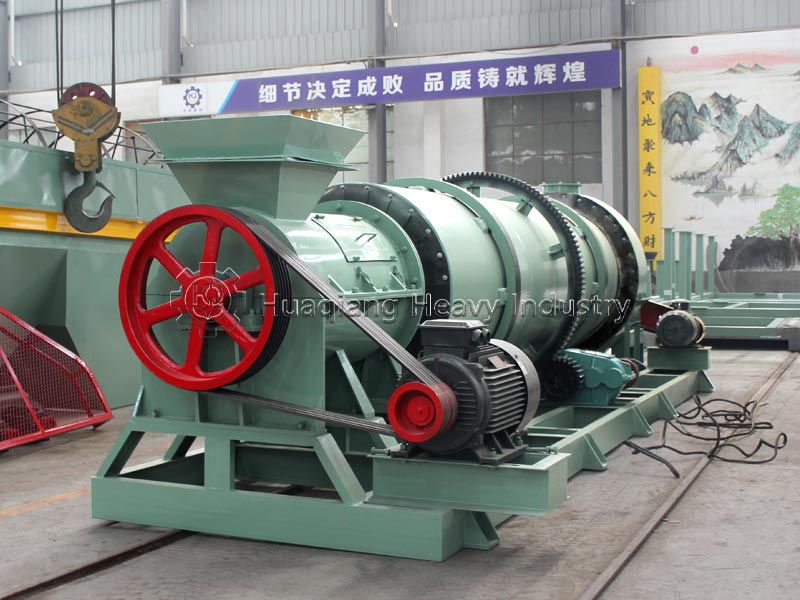
Its excellent industrial attributes and outstanding cost-effectiveness are inseparable from the support of fertilizer production equipment. Urea production technology is mature, and raw materials are readily available. Combined with specialized urea processing equipment and standardized fertilizer production lines, it can achieve efficient, large-scale production, significantly reducing costs. After processing with professional equipment, urea is more stable, easier to store and transport, and less prone to caking.

What does 20/20/20 on fertilizer mean?

The 20/20/20 on fertilizer packaging refers to the percentage by weight of nitrogen (N), phosphorus (P₂O₅), and potassium (K₂O). It means that every 100 kilograms of fertilizer contains 20 kilograms of each of these three elements, representing a classic, balanced, and general-purpose NPK fertilizer ratio. This precise ratio requires precise control during the NPK fertilizer production line to ensure nutrient levels meet standards and provide comprehensive and balanced nutrition for crops.

Each of the three elements plays a specific role and works synergistically to promote growth: nitrogen promotes lush foliage and chlorophyll synthesis, laying a solid foundation for growth; phosphorus aids root development, flower bud differentiation, and fruit enlargement, improving fruit quality; and potassium enhances crop resistance, regulates nutrient transport, and prevents lodging. Balanced supply avoids nutrient imbalances.

This ratio is widely applicable, especially during the crop growth period. It can be applied to the soil as a base fertilizer or diluted and sprayed on the leaves. It is suitable for home gardening, greenhouse cultivation, and other scenarios. Different forms of 20/20/20 fertilizer require specialized fertilizer production equipment for processing. Fertilizer granulators can process it into granules, improving storage and transportation convenience and ensuring even application.

Two common misconceptions should be avoided: firstly, it is not a panacea; crops require targeted fertilization during the reproductive stage (increased potassium fertilizer during fruit enlargement and emphasis on phosphorus fertilizer during flowering); secondly, it should not be used excessively, as this can easily lead to soil salinization and root burn. The concentration and frequency of application should be controlled according to crop needs.

In summary, 20/20/20 is a balanced and versatile ratio in NPK fertilizers, primarily providing balanced nutrients during the crop growth period. Scientific application can maximize fertilizer efficiency.

Granular or powdered fertilizer? Choosing the right option for your needs

There is no absolute superiority between granular and powdered fertilizers; the best choice depends on the planting scenario, crop requirements, and fertilization method. The two forms differ in nutrient release rate, ease of application, and storage stability. Identifying the most suitable scenario is key to maximizing fertilizer efficiency and avoiding resource waste.

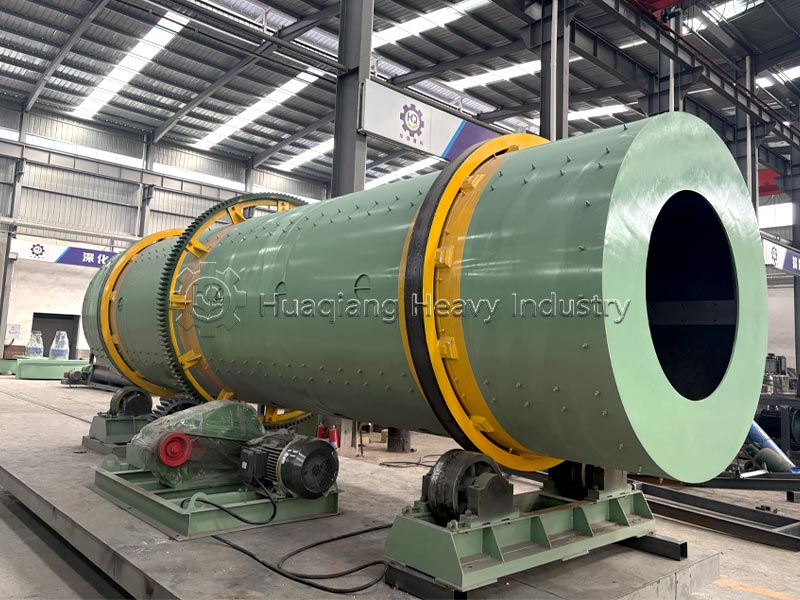
Granular fertilizers are processed on a fertilizer production line, shaped using core fertilizer production equipment such as fertilizer granulators. Their core advantages are “long-lasting, convenient, and stable.” The granular structure slows down nutrient release, providing a slow and steady supply of nutrients, which suits the needs of field crops (wheat, corn) throughout their entire growth cycle, reducing the need for frequent topdressing. They are less prone to dusting during application, making them suitable for mechanized sowing and fertilization, offering high efficiency and easy dosage control. They are also less likely to clump during storage and transportation, resulting in greater stability. However, a disadvantage is the slower initial nutrient release, making them unsuitable for the seedling stage when crops urgently need nutrients. Crushing the granules before use will destroy the slow-release structure.

Powdered fertilizers have a relatively simpler production process, requiring no granulation machine and can be produced using basic fertilizer production equipment. Their core advantages are “fast-acting, uniform, and flexible.” The fine particle size allows for a large contact area with the soil, enabling rapid dissolution and absorption of nutrients by the crops, making them suitable for the seedling and growth stages when crops urgently need nutrients. They can be evenly broadcast or dissolved in water for application, especially suitable for the precise cultivation of greenhouse fruits and vegetables. However, the disadvantages include easy dusting, difficulty in storage (prone to clumping during long-term storage), and difficulty in mechanized application. The rapid nutrient release also requires careful dosage control to avoid root burn and nutrient loss.