Drum screener machine—A grading expert in compound fertilizer production

In the compound fertilizer production process, separating finished products from recycled materials and achieving uniform grading are critical steps in ensuring quality. The drum screener machine is the core equipment in this process. Its unique design and stable performance have made it a key choice for many fertilizer manufacturers to improve production efficiency.

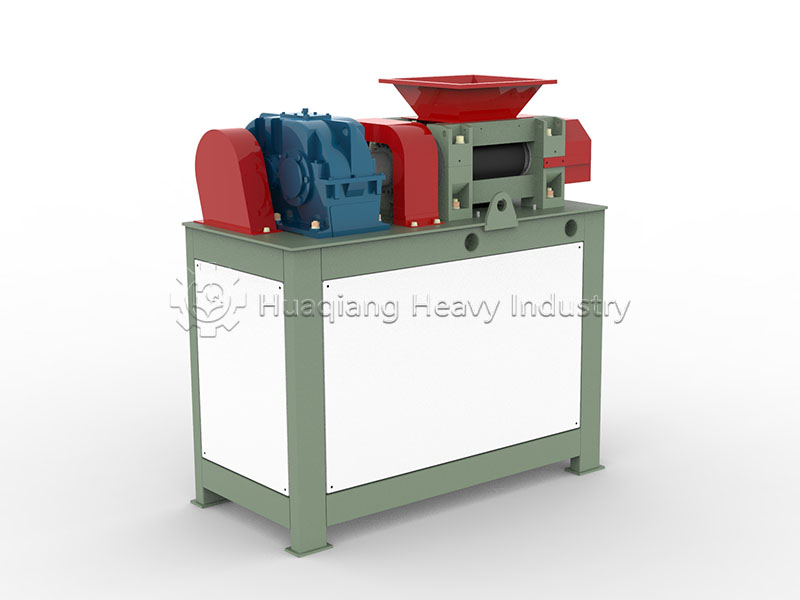
This drum screener machine utilizes a combined screen design, significantly simplifying routine maintenance and facilitating part replacement. It also allows for flexible adjustments based on the screening requirements of different materials, making it suitable for a variety of compound fertilizer production scenarios. During operation, material enters the drum through the feed inlet. The drive mechanism drives the drum to rotate smoothly, while the vibrating mechanism generates uniform vibrations, thoroughly tumbling and dispersing the material within the drum. Finer materials pass smoothly through the screen holes for separation, while coarser materials move along the drum’s inner wall to the discharge port, achieving efficient separation and precise grading.
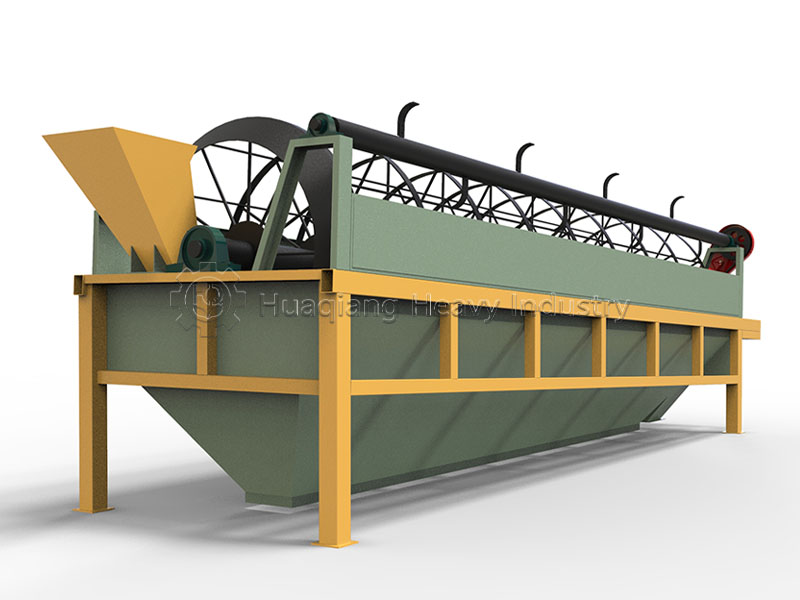
Its advantages are significant: screening efficiency far exceeds that of traditional equipment, and the processing capacity meets the high-intensity demands of continuous production, avoiding production interruptions. The equipment is also equipped with a specialized sealing device to effectively reduce dust leakage, complying with the environmental protection requirements of modern industrial production and creating a clean and safe working environment.

For compound fertilizer manufacturers, choosing a high-quality drum screener machine can ensure product particle uniformity from the source, enhance market competitiveness, reduce raw material waste due to substandard screening, and save production costs.
Practical maintenance tips for extending the life of a chain crusher

As a critical piece of equipment in a company’s production, the lifespan of a chain crusher directly impacts its return on investment. Proper routine maintenance can effectively extend its service life, reduce equipment replacement costs, and ensure smooth production.

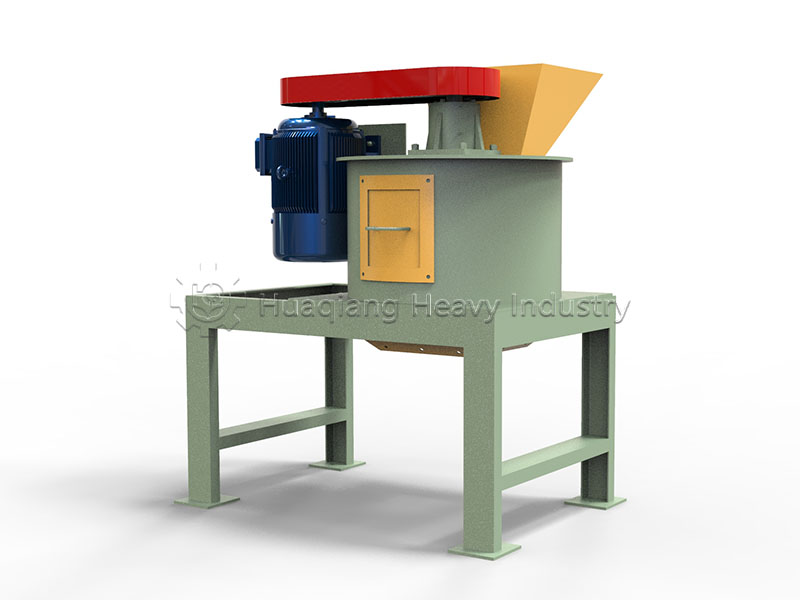
During daily use, it’s important to regularly inspect the condition of all components. Pay special attention to the wear of the chain and hammer heads, as these components are the heart of crushing. Severe wear can reduce crushing efficiency and should be promptly replaced to avoid impacting crushing efficiency and equipment stability.

Also, check the drive system, including the motor’s operating temperature and the tightness of the transmission belt, to ensure the motor and transmission are operating properly, without abnormal noise or overheating. Any problems identified should be addressed promptly to prevent further malfunctions.

Regular equipment cleaning is also crucial. During the crushing process, material dust easily adheres to the equipment’s interior and screen. Failure to clean the screen promptly can cause screen blockage, affecting crushing particle size and discharge efficiency, and accelerating component wear. When cleaning, first turn off the power to the equipment. Once the chain crusher has completely stopped, open the protective door and clean the interior. Use specialized tools to remove any residual material and dust, ensuring the equipment is free of residual material.

In addition, lubricating oil should be added regularly according to the equipment instructions to keep all moving parts (such as the main shaft, bearings, etc.) well lubricated, reduce friction loss between components, improve the smoothness of equipment operation, and further extend the service life of the equipment.

At the same time, the chain crusher should be regularly inspected and repaired to check for potential faults and hidden dangers to ensure that the equipment is always in good operating condition.

Why are BB fertilizer mixers the preferred choice for fertilizer production?

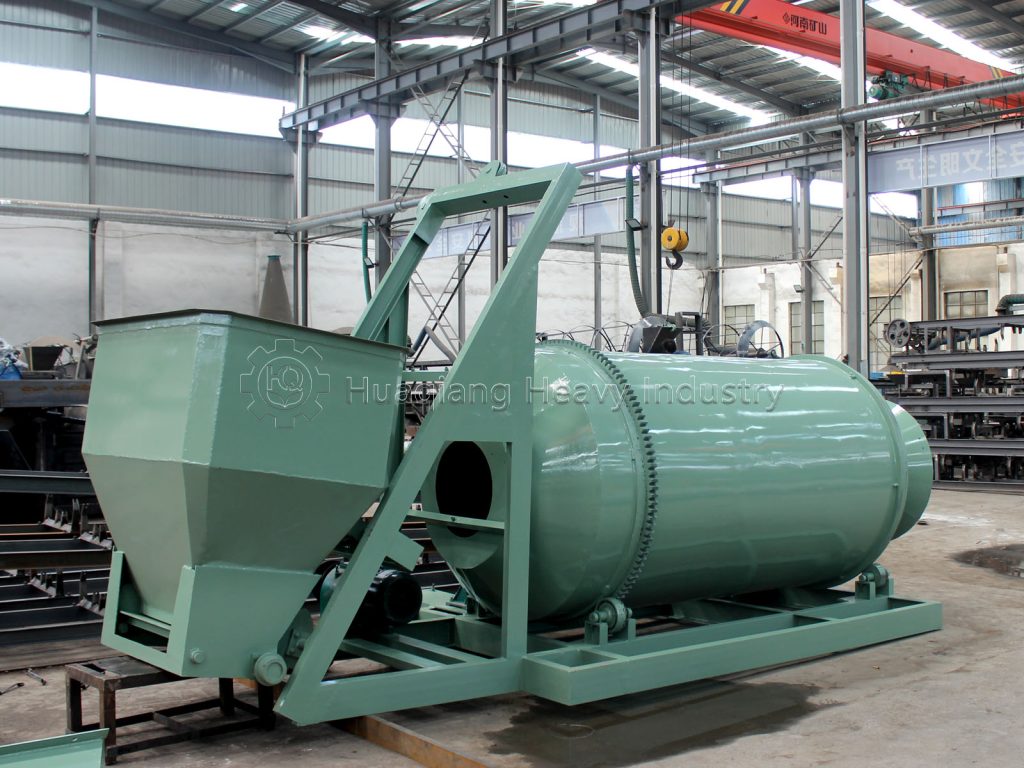
In the fertilizer production sector, BB fertilizer mixers, with their significant advantages, have become core equipment for many companies. They are primarily used to mix different types of fertilizer raw materials to produce bulk blended fertilizer (BB fertilizer).

Their most critical advantage is uniform mixing. A stirring mechanism within the mixing drum, coupled with paddle or spiral ribbon impellers, shears, tumbles, and disperses the raw materials, ensuring uniform distribution of nitrogen, phosphorus, potassium, and other components. This prevents nutritional imbalances caused by uneven mixing and ensures consistent product quality.

The machine’s high processing capacity is also a key advantage, meeting the needs of various production scales, from basic production capacity for small and medium-sized enterprises to batch production for large factories. This allows for efficient batch reduction and reduces time and cost.

Furthermore, BB fertilizer mixers feature a simple structure and easy operation. The control system accurately monitors parameters such as mixing speed and time, allowing workers to master the process with minimal training. Maintenance is also convenient, with easy access to core components, significantly reducing the probability of equipment failure.

In addition, the BB fertilizer mixer is highly adaptable and can process fertilizer raw materials of varying properties, including solid particles and powders. Its mixing drum and stirring mechanism are designed for easy cleaning, preventing cross-contamination between batches of raw materials. This meets the stringent hygiene and quality requirements of fertilizer production, providing strong support for companies producing diverse fertilizer products.

What factors determine the output of an organic fertilizer granules machine?

When selecting an organic fertilizer granules machine, production capacity is one of the most critical considerations for users. The actual output is influenced by a combination of various factors.

1.Raw Material Characteristics

Composition and Formulation: The proportion of fibrous content, organic matter, moisture, oils, and sticky substances in the raw materials directly affects the difficulty and speed of pellet formation.

Moisture Content: Excess moisture can cause clogging, reducing output or even halting production. Too little moisture makes shaping difficult, increases the proportion of returned material, and lowers effective output.

Fineness and Uniformity: Finer and more uniformly mixed raw materials — after crushing and fermentation — flow better and are more easily extruded into pellets.

2.Equipment Model and Process

Machine Type: Flat die granulators are suitable for small to medium outputs and producing small to medium-diameter pellets. Double roller press granulators offer high output and low energy consumption, making them ideal for producing flat spherical organic fertilizer pellets. Disc granulators, on the other hand, allow adjustment of tilt angle and rotation speed to control output and pellet size.

Mold Specifications: For flat die and ring die granulators, smaller apertures and thicker molds increase extrusion resistance, reducing output per unit of time. Conversely, molds with larger apertures yield higher output.

3.Power System

A more powerful motor provides stronger driving force for the extrusion process, enabling it to handle more complex raw materials and higher production loads. This ensures stable and high output.

In summary, the production capacity of an organic fertilizer granules machine is a comprehensive metric influenced by multiple factors, including raw materials, equipment, and power. When aiming for high output, it’s important to consider the specific raw material conditions and select the appropriate machine type.