Synergistic effect of rotary screener machines, compost turners, and fertilizer compaction machines

In the final stage of organic fertilizer production, the steady rotation of a rotary screener machine is always a common sight. Unlike the vigorous turning and tossing of the upstream fermentation equipment or the forceful extrusion of the downstream granulation equipment, it plays an indispensable role as a “quality inspector” in the entire organic fertilizer production line.

After thorough aerobic fermentation by the large wheel compost turning machine, the material becomes loose and uniform. Subsequently, these raw materials may be processed into granules of specific sizes by a fertilizer compaction machine. However, whether it’s powdered or granular fertilizer, it ultimately needs to undergo fine screening by a rotary drum screen.
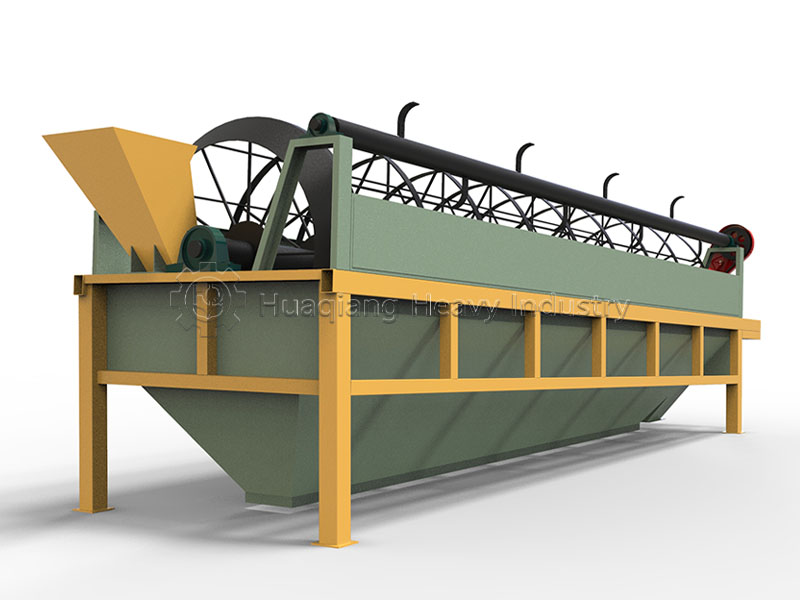
When the material enters the rotating drum, the separation process begins quietly. The screen mesh on the inner wall of the drum acts like a precise filter, automatically separating qualified products from substandard ones. Excessively fine powder falls from the lower screen, uniformly sized finished products are collected in the middle, while any excessively large lumps or impurities are directed to the outlet. The entire process is smooth and efficient, requiring no manual intervention yet achieving precise grading.

In the organic fertilizer production equipment system, the rotary screener machine ensures the purity and consistency of the final product, allowing the efforts of the fermentation process and the results of the granulation process to be perfectly presented. This simple and effective sorting method makes the final quality control of organic fertilizer production simple and reliable.
Fertilizer screener machines: A key step for high-quality organic fertilizer production

In organic fertilizer production, screening is a critical step to ensure product quality. Fertilizer screener machines precisely separate raw materials and finished products. They remove impurities, control particle size, and directly impact the fertilizer’s uniformity, application effectiveness, and market competitiveness.

1.Why Screening is Key for High-Quality Organic Fertilizer
Remove Impurities: Things like undecomposed coarse fibers, stones, or plastic debris harm fertilizer safety and effectiveness. Screeners efficiently separate these foreign objects.
Grade Particles: Different crops and application methods (like broadcast spreading or machine application) need different particle sizes. Screening ensures uniform particle size, improving usability.
Boost Market Appeal: Finely screened organic fertilizer has a neat, uniform appearance, making it more marketable and increasing its value.
2.Common Organic Fertilizer Screening Equipment and Features
Rotary Screener machine: Good for high-moisture material. Handles large volumes. Allows multi-stage screening.
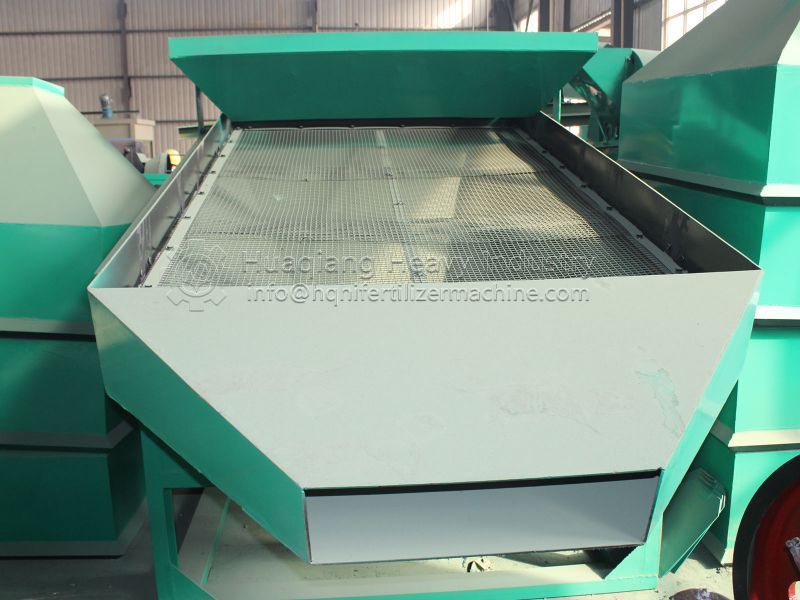
Vibration Screener machine: High screening precision. Best for fine grading of dry particles.

3.Key Points for Optimizing Screening
Choose the Right Screen Mesh Size: Match the mesh size (usually 2-6mm) to the fertilizer’s use (like base fertilizer or top dressing).
Control Feed Rate: Feed material evenly to avoid blockages and boost efficiency.
Regular Maintenance and Cleaning: Prevents material buildup on screens, which affects grading accuracy.

Precise screening – from raw material cleaning to finished product grading – significantly improves fertilizer efficiency, suitability for machinery, and commercial value.