Composting, a cornerstone of sustainable gardening and agriculture, converts organic waste into nutrient-rich humus that enhances soil health and reduces environmental pollution. However, successful composting is not merely a matter of piling up organic materials; it requires careful management to ensure efficient decomposition and high-quality end products. In 2026, agricultural experts highlight two critical mistakes that are frequently made during compost preparation—mistakes that can lead to foul odors, stalled decomposition, or even contaminated compost that harms plants and soil. Avoiding these errors is essential for anyone looking to create effective, safe compost for garden or farm use.
The first major mistake in compost preparation is the improper balance of “greens” and “browns,” which disrupts the critical carbon-to-nitrogen (C:N) ratio necessary for healthy microbial activity. Compost decomposition relies on microorganisms that break down organic matter, and these microbes require a balanced diet of carbon (from “browns”) for energy and nitrogen (from “greens”) for cell growth. A common error is adding too many “greens”—nitrogen-rich materials such as fresh food scraps, grass clippings, or manure. An overabundance of greens makes the compost pile soggy and slimy, creating anaerobic conditions that produce unpleasant odors, often resembling ammonia or rotten eggs. These odors not only make the composting process unpleasant but also indicate that nutrient loss (particularly nitrogen) is occurring, reducing the final compost’s fertility.
Conversely, relying too heavily on “browns”—carbon-rich materials like dry leaves, straw, cardboard, or sawdust—can equally hinder the composting process. Excess browns slow decomposition to a near standstill, as the lack of nitrogen limits microbial reproduction and activity. Such piles may remain dry and compacted for months, failing to break down into nutrient-rich humus. The solution, according to 2026 composting guidelines, is to maintain a roughly 3:1 volume ratio of browns to greens. This balance provides microbes with the ideal conditions to thrive, ensuring steady decomposition without odors. For example, adding three buckets of dry leaves to one bucket of food scraps or grass clippings helps achieve this ratio, though adjustments may be needed based on the specific moisture content of the materials.
The second critical mistake is adding inappropriate materials to the compost pile, which can attract pests, introduce harmful pathogens, or contaminate the final product. One category of materials to avoid is animal products, including meat, fish, dairy, grease, and bones. These items decompose very slowly, even in well-managed piles, and their putrid odors attract rodents, raccoons, flies, and other wildlife. Not only do these pests disrupt the compost pile, but they can also spread diseases around the garden or farm. Additionally, the slow decomposition of animal products means they may not fully break down by the time the compost is ready for use, leaving unsightly and potentially harmful residues.
Another group of problematic materials includes diseased plants and seedy weeds. Plants infected with diseases like tomato blight, powdery mildew, or rust can transfer pathogens to the compost pile. Most home compost piles do not reach the high temperatures (150°F–160°F) required to kill these pathogens, meaning they will survive and spread back into the garden when the compost is applied, infecting healthy plants. Similarly, weeds that have gone to seed can persist in the compost, as home piles rarely get hot enough to destroy weed seeds. This leads to increased weed growth in the garden, undermining the benefits of using compost. Finally, pet waste—particularly dog and cat feces—should never be added to compost intended for edible plants, as it can contain dangerous pathogens like E. coli, Salmonella, or parasites that pose health risks to humans.
In summary, avoiding the improper balance of greens and browns and the addition of inappropriate materials is fundamental to successful compost preparation. By maintaining the correct 3:1 brown-to-green ratio, gardeners and farmers ensure that microbial activity remains robust, driving efficient decomposition without odors. By excluding animal products, diseased plants, seedy weeds, and pet waste, they prevent pest infestations, pathogen contamination, and weed spread. As sustainable gardening practices gain prominence in 2026, mastering these basic composting principles not only produces high-quality compost but also contributes to a healthier, more environmentally friendly approach to waste management and soil fertility.
Scaling Up: Commercial Equipment for Efficient Decomposition and Value Addition
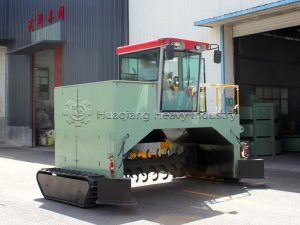
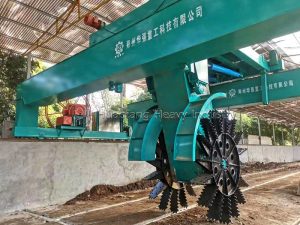
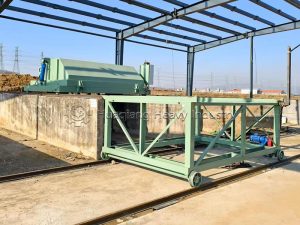
For operations seeking to scale these principles into large-volume production, specialized equipment is essential. Advanced fermentation composting turning technology ensures the correct C:N ratio is maintained and pathogens are eliminated by providing consistent aeration. In windrow systems, a robust windrow compost turner or chain compost turner moves along long piles, while a double screws compost turning machine offers efficient mixing. For controlled, trench-based operations, a trough-type compost turner or hydraulic trough compost turner provides powerful turning within contained channels. This entire system, from initial processing to turning, is often managed by a comprehensive agriculture waste compost fermentation machine or a versatile self propelled compost production machine.
The matured, stabilized compost produced can then be processed into a marketable product as part of the broader suite of equipments required for biofertilizer production. This often includes a disc granulation production line to shape the compost into uniform pellets. Alternatively, a rotary drum granulator can be used for larger-scale, continuous granulation. Whether using a large wheel compost turner for primary decomposition or a chain compost turning machine for intensive mixing, the goal is to produce a high-quality, pathogen-free organic base suitable for value-added processing.
This integrated approach transforms basic composting into a sophisticated, closed-loop system. It efficiently manages organic waste at scale while producing standardized, easy-to-apply fertilizers that enhance soil health and support sustainable agriculture.