In modern agriculture and horticulture, composting is a key technology for transforming organic waste into fertile soil amendments. Among the methods, layered composting and turned composting are two mainstream aerobic composting techniques. Both rely on microbial decomposition of organic matter, but they differ significantly in operational principles, process efficiency, and applicable scenarios. Understanding these differences helps growers choose the most suitable composting method based on their specific conditions.
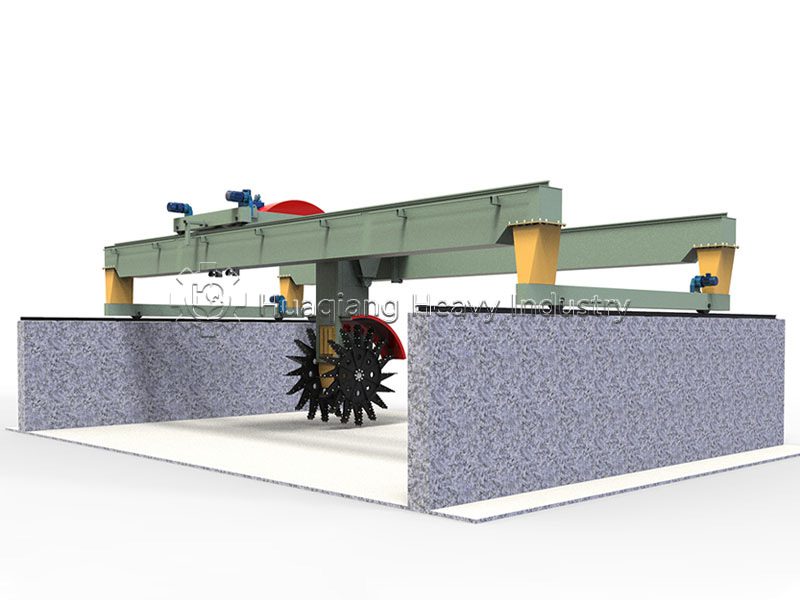
1. Fundamental Differences in Core Definitions and Operational Modes
Layered composting is essentially a static composting method. Its core concept is “layered stacking, natural fermentation.” During operation, materials are not mixed but are stacked in specific layers, much like making a layer cake. Typically, the bottom layer consists of coarse straw or small branches for aeration (about 10-15 cm thick) to ensure ventilation at the base. Above this, layers are alternated: high-carbon material layers (e.g., straw, sawdust, 15-20 cm thick), high-nitrogen material layers (e.g., livestock manure, kitchen waste, 5-10 cm thick), and a thin inoculation layer (mature compost or commercial microbial agents, 2-3 cm thick). This process is repeated until the pile reaches a height of about 1.2-1.5 meters, and is finally covered with a layer of soil or breathable film to retain heat and moisture. The entire process requires little to no turning, relying primarily on natural air convection and microbial diffusion within the pile structure to complete fermentation.
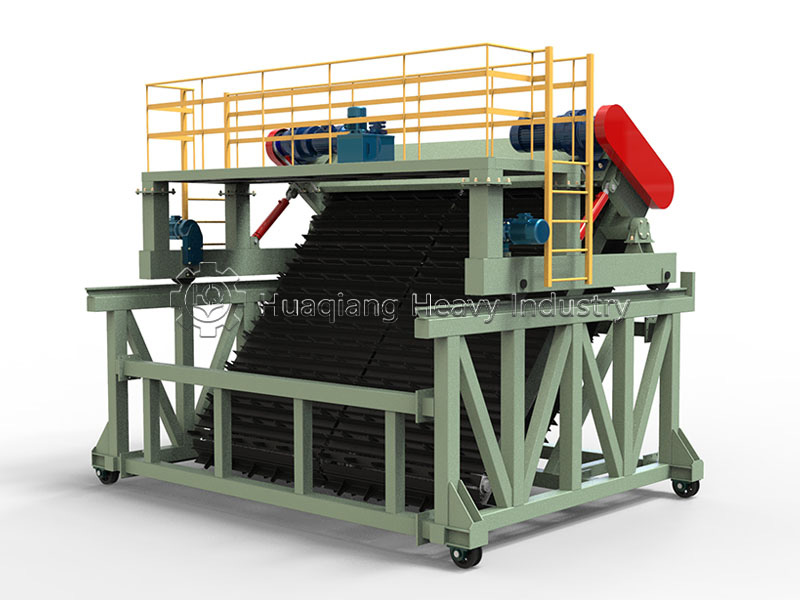
In sharp contrast, turned composting is a dynamic composting method. Its core lies in “thorough mixing and active aeration.” All raw materials are crushed and thoroughly mixed to achieve an ideal carbon-to-nitrogen ratio (typically 25:1 to 30:1) and moisture content (55%-60%) before piling. The mixed materials are then formed into long, windrow-shaped piles. Regular, mechanical turning is employed to force aeration. When the core temperature rises to the thermophilic stage of 55-65°C, the pile is turned every 2-3 days using a compost turner. This process moves the inner materials to the outside and the outer materials to the inside, ensuring even oxygen distribution, controlled temperature, and promoting uniform maturation throughout the pile.
2. Key Differences in Process and Outcomes
These distinct operational modes directly lead to several differences in the fermentation process and final results:
First, there is a notable difference in fermentation cycle and efficiency. Due to the relatively passive oxygen supply in layered composting, microbial activity is slower, resulting in a longer fermentation cycle, typically requiring 60 to 90 days for complete maturation. In contrast, turned composting continuously injects oxygen through active turning, greatly stimulating microbial activity. With the addition of efficient microbial inoculants, the cycle can be significantly shortened to 15 to 30 days, making it much more efficient.
Second, temperature control and sanitization effects also differ. The temperature rise inside a layered compost pile is slower and unevenly distributed. The thermophilic phase (above 55°C) may be short-lived or unstable, which limits the effectiveness of killing pathogens, weed seeds, and insect eggs. Turned composting, however, can quickly reach and maintain a stable thermophilic phase for 5-7 days, ensuring more thorough sanitization and a more reliable harmless outcome.
Furthermore, the uniformity of maturation and the requirements for labor and equipment are key points of contrast. In layered composting, the maturation progress often varies between the top, middle, and bottom layers. It’s possible for the bottom to be mature while the top still contains fresh materials. Its advantage, however, lies in requiring almost no specialized equipment; it can be managed manually at a low cost. Turned composting achieves highly uniform material maturation through frequent turning, resulting in stable product quality. But it heavily relies on equipment like shredders and compost turners, involving higher initial investment and operational costs.
3. How to Choose: A Guide to Applicable Scenarios
The choice between the two methods depends entirely on your scale, resources, and goals.
Layered composting is an ideal choice for small-scale, low-investment scenarios. It is perfectly suited for handling daily household kitchen waste, garden leaves, or scattered livestock manure on a small farm. This method is flexible in terms of space requirements (it can even be done in a compost bin), simple to learn and operate, making it an excellent way to recycle waste naturally.
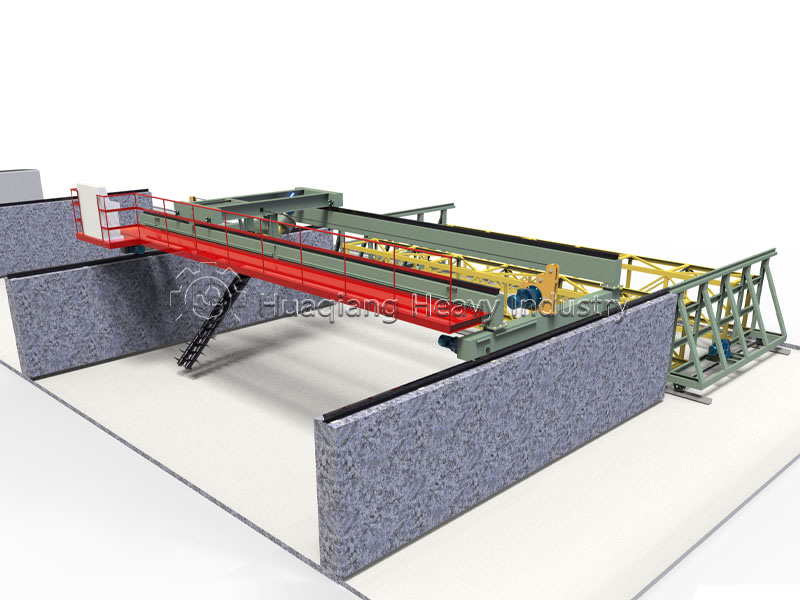
Turned composting, on the other hand, is the standard process for large-scale, commercial production. It is suitable for scenarios such as large-scale livestock farms needing to process thousands of tons of manure, or organic fertilizer factories converting crop residues and other waste into commercial fertilizer. Its high efficiency, uniformity, and excellent sanitization effects meet the demands of mass production and strict product quality standards.
4. Practical Tips and Summary
It’s worth noting that both methods can be slightly modified to optimize results. For example, in layered composting, manually turning the pile once after the temperature begins to drop (after about a month), swapping the upper and lower layers, can effectively shorten the cycle and improve uniformity. For turned composting, mastering the timing of turning is crucial: turning before the temperature reaches the desired range can cool the pile and delay fermentation, while turning is essential immediately if the temperature exceeds 70°C to prevent “overheating” and killing beneficial microbes.
In summary, layered composting and turned composting represent two philosophies of “stillness” and “motion” in the art of composting. The former is simple, economical, and follows a natural rhythm; the latter is efficient, uniform, and embodies industrial wisdom. Understanding their differences allows us to utilize resources more intelligently, whether nourishing a family vegetable garden or supporting an ecological farm.
Conclusion: From Small-Scale Practice to Industrial Production
In summary, the choice between layered and turned composting is a strategic decision based on scale, resources, and objectives. Layered composting offers a simple, low-cost entry point for recycling organic waste, while turned composting provides the efficiency and consistency required for commercial-scale production.
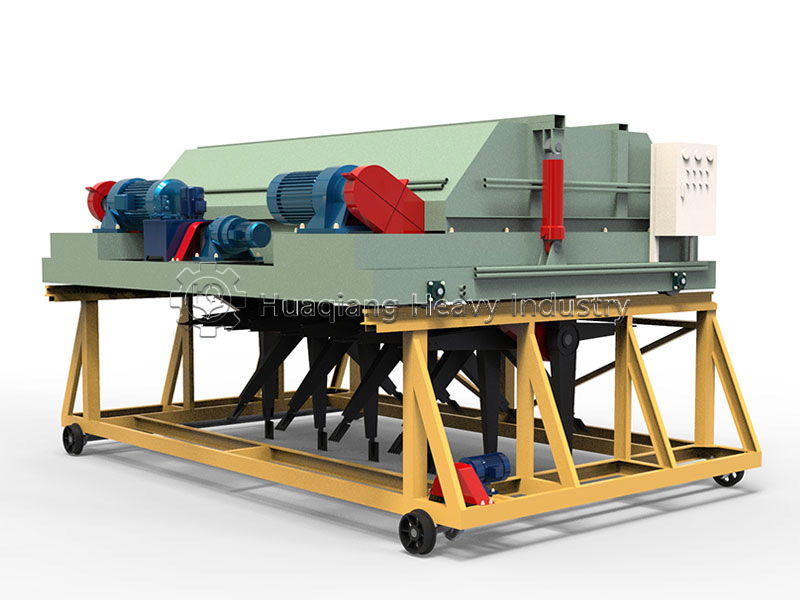
The dynamic fermentation composting technology for organic fertilizer exemplified by turned composting is the cornerstone of the modern organic fertilizer fermentation process. This fermentation composting turning technology relies on specialized equipment like the trough-type compost turner (for controlled trough-type aerobic fermentation composting technology), the large wheel compost turner, or the chain compost turning machine. These machines, along with necessary pre-composting processing equipment, form the essential equipments required for biofertilizer production. The resulting high-quality compost can then be further processed into uniform granules using a disc granulation production line, completing the transformation from raw waste to a market-ready soil amendment.
Ultimately, whether for a backyard garden or an industrial facility, understanding and selecting the appropriate composting method is fundamental to building a sustainable, closed-loop nutrient management system.
Tags: