Wet granulation is a key process in fertilizer production, transforming fine powders into uniform, stable pellets. This method not only improves the physical properties of fertilizers but also enhances their efficiency in storage, transportation, and application. For global agriculture, uniform granular fertilizers mean more precise fertilization and higher crop yields. Below, we explore step-by-step the specific workflow of wet granulation in fertilizer manufacturing.
Raw Material Pretreatment: Laying the Foundation
It all starts with preparing the raw materials. Common fine powder materials in fertilizer production, such as urea, phosphates, or potash salts, are first screened and weighed. Using vibrating screens or air-jet sieves, lumps and impurities are removed to ensure purity. Controlling initial moisture content is crucial—typically kept below 5% to prevent caking or degradation in subsequent steps. This stage sets a stable foundation for the entire granulation process.
Binder Preparation: Providing Cohesion
The binder acts as the “glue” in wet granulation, bonding powders together to form pellets. In the fertilizer industry, common binders include natural materials like starch or synthetic ones like polyvinyl alcohol. The binder is usually dissolved in water due to its low cost and environmental friendliness; for moisture-sensitive materials, organic solvents like ethanol may be used. Through heating and mixing in a stirrer, a uniform binder solution is formed and then cooled to room temperature. The concentration and viscosity of the binder directly affect pellet quality and strength.
Mixing and Granulation: Creating Pellets
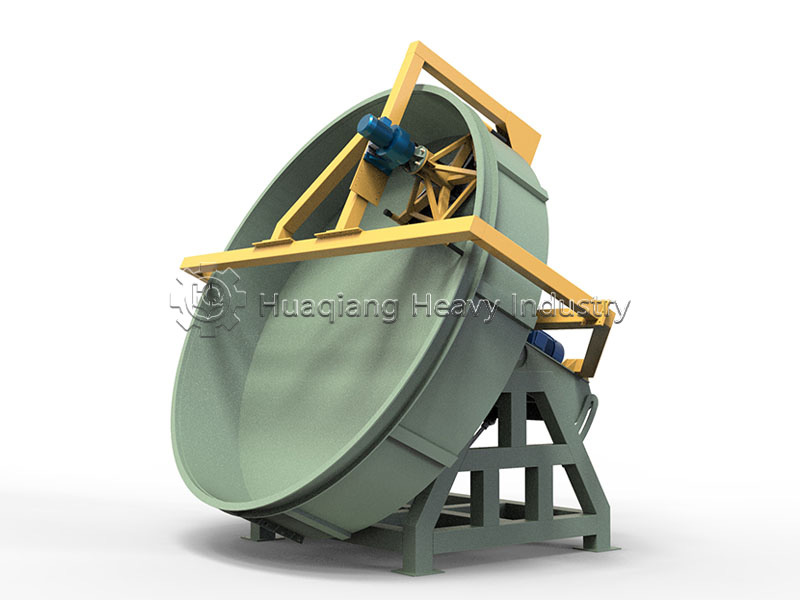
This is the core step where raw materials and binder come together. In large-scale rotary granulators or high-shear mixers, dry fertilizer powders are first briefly mixed to ensure homogeneity. Then, the binder solution is gradually added via a spraying system while the equipment continues to agitate. As the liquid wets the powder, fine particles begin to agglomerate into small pellets. Operators must closely monitor the process to avoid over-wetting (which can cause clumping) or under-wetting (leading to fragile pellets). In fertilizer production, this step often emphasizes efficiency and large-scale processing, resulting in preliminary wet granules.
Wet Screening: Ensuring Uniformity (Optional Step)
To achieve consistent pellet size, wet granules may be sieved through vibrating screens. This step breaks down oversized lumps and controls pellets within an ideal range (e.g., 10-20 mesh). It promotes more even drying and enhances the final product’s aesthetics and functionality. In small-scale production, manual sieving may also be used.
Drying: Solidifying Pellet Structure
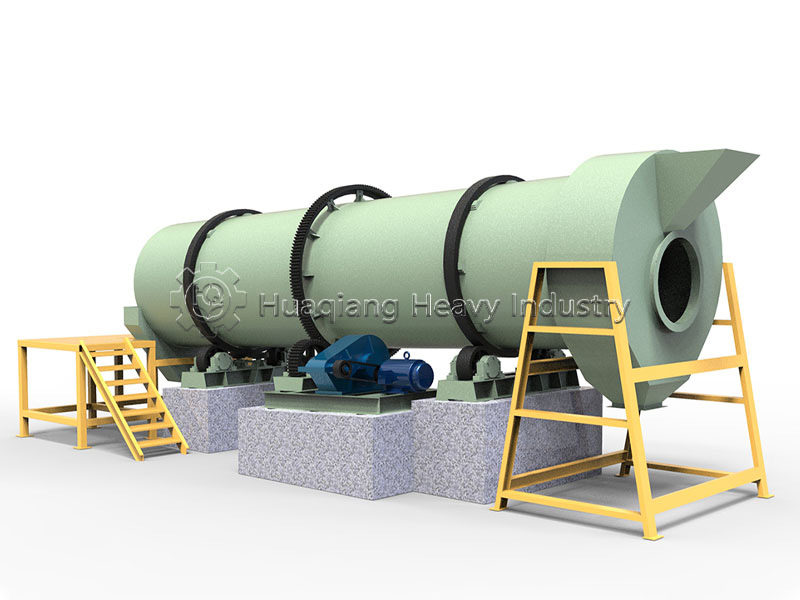
Wet granules contain significant moisture and need drying to solidify and stabilize them. In the fertilizer industry, fluidized bed dryers are commonly used, fluidizing pellets with hot air for rapid and uniform drying. Drying temperatures are typically controlled between 40-80°C to avoid thermal degradation of active ingredients (such as nitrogen). The goal is to reduce moisture content to 1-3%, ensuring pellet hardness and storage stability. Drying time and air velocity are adjusted based on pellet size and material properties.
Dry Screening and Milling: Refining the Final Product
Dried pellets undergo final sieving using 16-40 mesh screens to separate pellets that meet specifications. Oversized pellets can be crushed in hammer mills and re-sieved, while fine powder is recycled and mixed with new raw materials to re-enter the granulation process, minimizing waste. This step ensures uniform particle size distribution in the fertilizer, leading to more consistent coverage and dissolution during application.
Applications and Advantages
Fertilizers produced via wet granulation offer improved flowability for mechanical sowing, higher bulk density to save storage and shipping space, and controlled dissolution rates to suit different crop needs. Additionally, pellets reduce dust, making them more environmentally friendly and safe. From home gardening to large-scale agriculture, this process supports sustainable global food production.
In summary, wet granulation is both a science and an art in transforming fertilizer powders into efficient pellets. Through precise step control and parameter optimization, it delivers more powerful and reliable fertilizer products, driving global agriculture toward an efficient and green future.
Diverse Granulation Technologies in Modern Fertilizer Manufacturing
The detailed workflow of wet granulation processes represents one of the two primary pathways in modern fertilizer formation. In contrast, dry granulation processes rely on physical fertilizer granules compaction using specialized equipment like the fertilizer compaction machine, avoiding liquid binders entirely. Both methods are integral to different stages of the npk manufacturing process, with equipment selection depending on raw material properties and final product requirements.
Within a complete fertilizer production machine system, wet granulation often employs equipment like the rotary drum granulator for large-scale processing, while dry methods utilize a roller press granulator production line. Similarly, the organic fertilizer manufacturing process may use a disc granulation production line for shaping composted materials. The choice between these fertilizer processing machine technologies—whether utilizing fertilizer compaction or liquid binding—allows manufacturers to optimize for efficiency, product quality, and specific agricultural applications, ensuring a steady supply of effective and user-friendly fertilizers to support global food production.