When fertilizer meets extrusion: The art and science of granulation

In modern fertilizer production, fertilizer compaction machines and flat die pelleting machines are quietly changing the form and future of fertilizers. Unlike chemical reaction equipment, they don’t attract attention, but with their unique mechanical charm, they transform powdered fertilizer into uniform granules.

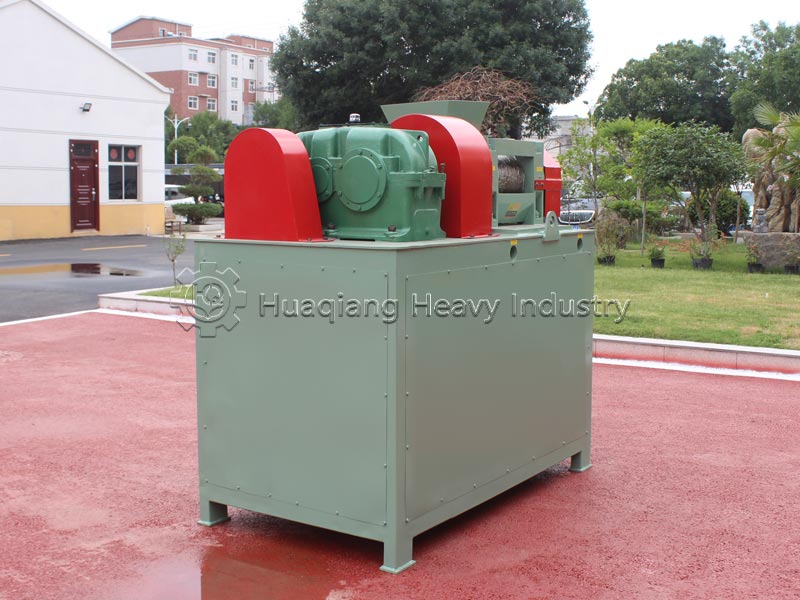
Stepping into the production workshop, you’ll see fertilizer compaction machines working steadily. They use powerful mechanical pressure to “compress” loose powdery raw materials into dense ribbons. This process involves no high temperatures and no binders.

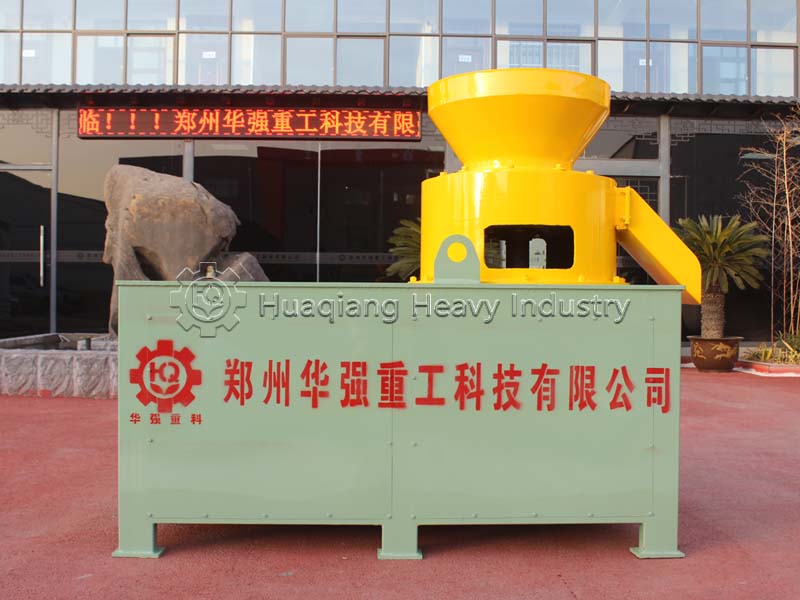
The flat die pelleting machine, on the other hand, showcases another kind of ingenuity. The horizontally placed die acts like a precision sieve; the material, under the pressure of the rollers, passes through the holes in the die, instantly becoming uniformly sized granules.

The combination of these two devices creates surprising possibilities. Powdered fertilizers that are prone to clumping become more fluid, easier to store and apply. Active ingredients are firmly locked inside the granules, reducing drift loss during use and making nutrient release more controllable.

More importantly, this physical granulation method has opened new doors for the development of specialty fertilizers. Whether it’s a compound fertilizer requiring the addition of trace elements or a special fertilizer for specific crops, it can all be achieved by adjusting the mold and process parameters. On the path to sustainable agricultural development, equipment like fertilizer compaction machines and flat die pelleting machines are playing a unique role.

Facilitating efficient organic fertilizer production and promoting green agricultural development

In the field of organic fertilizer production, a highly efficient and reliable granulation equipment is crucial, and the organic fertilizer disc granulator is a highly favored choice. As the core organic fertilizer granulation equipment, it can accurately convert fermented organic raw materials such as livestock and poultry manure and straw into granular organic fertilizer, injecting strong momentum into green agricultural development.

The organic fertilizer disc granulator offers significant advantages. Its granulation rate exceeds 95%, far surpassing ordinary granulation equipment. The main gear is treated with high-frequency quenching, doubling its service life and reducing equipment replacement costs. The equipment adopts an inclined disc design, coupled with adjustable rotation speed and inclination angle, allowing it to adapt to different types of organic raw materials. Whether the material is powdery or slightly viscous, it can be efficiently granulated, fully demonstrating its strong material adaptability.

From a workflow perspective, it is simple and scientific to operate. First, the organic raw materials are pre-processed, crushed to a particle size of 0.1-1mm and thoroughly mixed, and then evenly fed into the disc by the feeding device. At the same time, the water spraying device precisely sprays an appropriate amount of water to maintain the material’s moisture content at 10%-20%. As the disc rotates, the materials tumble and bond under the action of centrifugal force, friction, and gravity, gradually forming granules with a sphericity exceeding 80%. Finally, after screening, unqualified granules are returned for reprocessing, ensuring the quality of the finished product.

This equipment is not only suitable for small and medium-sized organic fertilizer production plants but can also be integrated into large-scale organic fertilizer disc granulation production lines, working in conjunction with supporting equipment such as fertilizer crushers, mixers, and dryers to build a complete organic fertilizer production equipment system. The resulting granular organic fertilizer has uniform nutrients, high strength, is easy to store and transport, and can also improve soil structure and enhance soil fertility.

Chain compost turning machines: An efficient tool for organic waste treatment

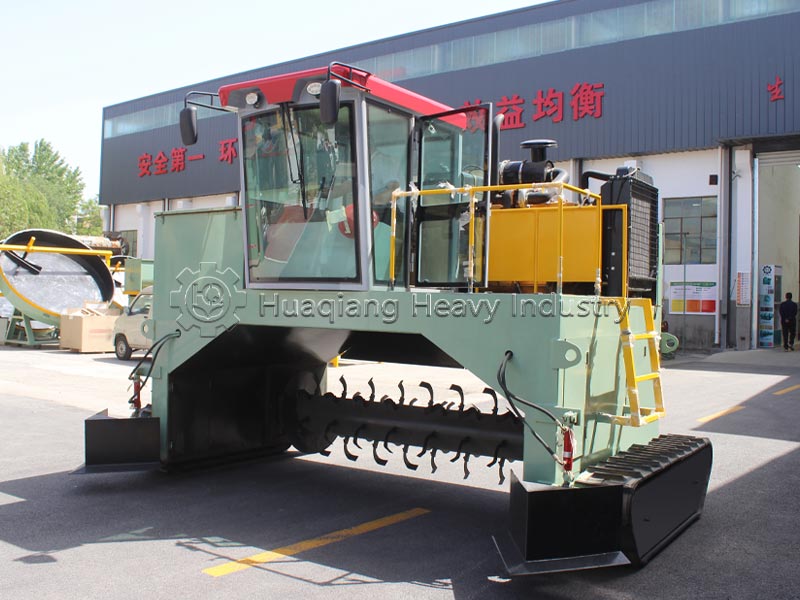
In the context of green agricultural development and the resource utilization of organic waste, the chain compost turning machine has become a core piece of equipment for large-scale organic fertilizer production plants and composting facilities, providing strong support for aerobic fermentation processes.

This equipment is specifically designed for processing organic waste such as livestock manure and crop straw, efficiently addressing the problems of low efficiency and long fermentation cycles associated with traditional composting methods. Compared to simple compost turning machines and hydraulic compost turning machines, the chain compost turning machine, with its unique chain-driven turning mechanism, can penetrate deep into the compost pile, achieving uniform material mixing and significantly improving oxygen supply efficiency, thus accelerating the decomposition and transformation of organic materials.

In bio-organic fertilizer production lines, the role of the chain compost turning machine is particularly crucial. Its automated control system can precisely adjust the turning frequency and depth, and with the optional oxygen supply system, it allows organic waste to ferment rapidly under suitable conditions, transforming into high-quality organic fertilizer in just a few weeks. The equipment is also highly adaptable, seamlessly integrating with organic fertilizer production lines and assisting in the environmentally friendly and large-scale operation of agricultural waste treatment projects, reducing pollution while creating economic value.

For companies pursuing efficient production, the advantages of the chain compost turning machine are significant: its durable chain structure is suitable for long-term, high-intensity operation, its flexible walking system can adapt to irregular sites, and its automated operation reduces labor costs. Whether used in conjunction with windrow compost turning machines for multi-scenario operations or independently in large-scale composting projects, it can drive the upgrading of the organic fertilizer industry with its stable performance, injecting momentum into the development of green agriculture.

Vibration screener machine: The core equipment for efficient screening in fertilizer production

In the fertilizer production process, material screening is a critical link that determines product quality. Vibration screener machines, with their high efficiency and precision, have become the equipment of choice for many manufacturers. As a core material screening device, it is not only suitable for the entire fertilizer production process but can also be widely used in mining, building materials, chemical industry, and other fields, providing solutions for material classification in multiple industries.

The core advantages of the vibration screener machine lie in its “efficiency” and “precision.” Its vibrating motor generates high-frequency vibrations, allowing materials to quickly complete projectile motion on the screen surface. Materials smaller than the screen mesh are precisely separated, achieving both classification and impurity removal, significantly improving production efficiency. Considering the specific requirements of fertilizer production, the equipment can be adjusted by changing the screen mesh size and vibration parameters to adapt to different materials, such as granular materials produced by fertilizer granulators and mixed materials after mixing in fertilizer mixers. The screening accuracy far exceeds that of traditional equipment.

At the same time, the sealed design of the equipment is also a significant advantage, effectively reducing dust leakage during fertilizer production, meeting environmental protection requirements and protecting the workshop environment. Its compact structure requires a small footprint and can be flexibly integrated with different production lines, such as NPK fertilizer production lines and organic fertilizer production lines, reducing the difficulty of workshop layout.

For fertilizer companies, choosing a high-quality vibration screener machine can not only improve product qualification rates but also reduce material waste, contributing to efficient production. Whether processing coarse materials after being processed by a fertilizer crusher or conveying qualified finished products to a packaging machine, the vibration screener machine, with its stable performance, is an indispensable key equipment in the fertilizer production chain.

NPK fertilizer production line: Scientific ratios help boost vegetable yield and quality

NPK fertilizer is a scientifically blended combination of the three core nutrients – Nitrogen (N), Phosphorus (P), and Potassium (K) – designed specifically to meet vegetable growth needs. Modern NPK fertilizer production lines use precise blending processes to create high-efficiency compound fertilizers. These fertilizers can significantly improve vegetable yield, quality, and disease resistance.

1.Promotes Rapid Vegetable Growth

Nitrogen is key for leaf and stem growth in vegetables. Adequate nitrogen fertilizer speeds up leaf development in leafy greens like spinach and lettuce, helping plants thrive with vibrant green color.

2.Boosts Root Development, Flowering, and Fruiting

Phosphorus encourages root growth. It’s especially vital for fruiting vegetables like tomatoes and cucumbers, improving fruit setting rates and shortening the ripening cycle.

3.Enhances Stress Tolerance and Quality

Potassium fertilizer strengthens a vegetable’s resistance to drought and disease. It also improves the sweetness and taste of fruits. Crops like peppers and eggplants develop brighter colors and better storage and transport tolerance after application.

The Technical Edge of NPK Fertilizer Production Lines

Modern NPK fertilizer production lines use computer-controlled dosing systems. This ensures precise ratios of nitrogen, phosphorus, and potassium (like 16-16-16 or 20-10-10) and allows for adding trace elements (such as calcium and magnesium). This meets the specific nutritional needs of different vegetable varieties. The granulation process creates slow-release fertilizer pellets, reducing nutrient loss.

Scientifically blended NPK fertilizer is key to high vegetable yields and quality. Modern production line technology further improves fertilizer efficiency, helping growers achieve both economic and ecological benefits.

Flat die pelleting machine: The key shaping machine in organic fertilizer production lines

As agriculture shifts from “pursuing yield” to “green sustainability,” organic fertilizer is no longer simply “waste recycling,” but plays a crucial role in protecting soil fertility. A production line capable of consistently producing high-quality organic fertilizer always relies on one key piece of equipment: the flat die pelleting machine.

The process of an organic fertilizer production line is actually quite clear: first, raw materials such as straw and livestock manure are collected, then crushed, mixed, and enter the fermentation stage. Once the materials are fully decomposed, the flat die pelleting machine comes into play. Using the principle of extrusion molding, the flat die pelleting machine compresses these “unformed” raw materials into uniformly sized granules, not only preserving nutrients such as nitrogen, phosphorus, and potassium in the organic fertilizer but also solving the problems of storage space and transportation losses.

More importantly, it has “adaptability.” The raw materials for organic fertilizer vary greatly from region to region; some are mainly composed of coarse-fiber straw, while others are mainly composed of fine-textured livestock manure. The flat die pelleting machine does not require frequent parameter adjustments and can adapt to various raw material ratios, allowing the production line to be free from the limitation of a single raw material source. This “material-insensitive” characteristic allows many small and medium-sized organic fertilizer production projects to flexibly utilize local resources and reduce initial investment.

In short, the production line provides a complete logic for “turning waste into treasure,” while the flat die pelleting machine translates this logic into a practical product that can be directly used in the fields.

Quality Control and Application of Organic Fertilizer

As an important support for sustainable agriculture, the quality control and scientific application of organic fertilizer directly affect agricultural production efficiency and ecological environment safety. With the implementation of the national standard NY525-2021 “Organic Fertilizers”, organic fertilizer production and application have entered a new phase of standardization and scientific management.

National Standards: Foundation of Quality Assurance

The current national standards establish clear quantitative indicators for organic fertilizer quality. Organic matter content must not be less than 45%, total nutrients (nitrogen, phosphorus, potassium) must reach above 5%, and moisture content must be controlled within 30%. These technical indicators ensure the nutritional value and application effectiveness of organic fertilizer. Simultaneously, strict limits on heavy metal content, ascaris egg mortality rate, and fecal coliform counts ensure environmental safety and hygiene standards of organic fertilizer.

Quality control runs through the entire production process. Starting from raw material testing, heavy metal-contaminated materials are excluded from the production line. During fermentation, temperature, moisture content, and pH values need monitoring to ensure thorough decomposition. Before leaving the factory, every batch of finished products requires comprehensive testing, with unqualified products strictly prohibited from entering the market. Proper storage conditions are equally important, as dry and ventilated environments effectively maintain fertilizer efficacy.

Scientific Application: Key to Maximizing Benefits

Organic fertilizer application needs adjustment according to different crops and soil conditions. For field crops like wheat and corn, base fertilizer application of 200-500 kilograms per mu combined with deep plowing yields good results. Economic crops like vegetables and fruits require higher application rates, typically 500-1000 kilograms per mu, with best results achieved when applied 15-20 days before planting.

The application of topdressing techniques is also important. Timely supplementation of organic fertilizer during crop growth periods can continuously supply nutrients. Foliar spraying of humic acid solutions is an effective method for rapidly supplementing organic nutrition. Scientific combination of organic and chemical fertilizers can both meet immediate crop nutrient needs and improve long-term soil fertility, avoiding soil degradation caused by exclusive chemical fertilizer use.

Precautions and Optimization Strategies

Applying undecomposed organic fertilizer can cause root burning and ammonia toxicity, so complete decomposition must be ensured. Different crops have significantly varying nutrient requirements – fertilizer-loving crops like watermelons and strawberries can appropriately increase application rates, while crops like lettuce and spinach need controlled application.

Soil condition considerations are equally important. Long-term organic fertilizer application in acidic soils may exacerbate acidification, requiring lime supplementation to adjust pH. Alkaline soils are suitable for humic acid-type organic fertilizers, helping improve soil structure. For saline-alkali and compacted soils, continuous organic fertilizer application for 2-3 years can significantly improve soil environment.

Technological Development Trends

The organic fertilizer industry is developing toward intelligence and functionality. Internet of Things technology applications make production processes more precise and controllable, while automated equipment improves production efficiency and product quality stability. Specialized organic fertilizers meet specific needs of different crops, and organic fertilizers with added functional microorganisms demonstrate better disease resistance and growth promotion effects.

Comprehensive resource utilization is becoming a new development direction. Using various organic wastes to produce organic fertilizer, combined with technologies like biogas power generation, achieves multi-level resource utilization. Improvement of green organic certification systems provides reliable guarantees for high-end agricultural product production, enhancing the added value and market competitiveness of organic fertilizers.

Organic Fertilizer Development from a Global Perspective

In the context of global agricultural sustainable development, the importance of organic fertilizer is becoming increasingly prominent. It not only provides nutrients needed for crop growth but, more importantly, improves soil ecosystems and promotes long-term healthy agricultural development. With technological advancements and standard improvements, organic fertilizer will play an increasingly important role in global agriculture.

Through scientific quality control systems, reasonable application techniques, and continuous innovation and research, organic fertilizer is becoming a key link connecting agricultural production, environmental protection, and resource recycling, making significant contributions to building more sustainable agricultural systems.

Integrated Fertilizer Production Systems for Modern Agriculture

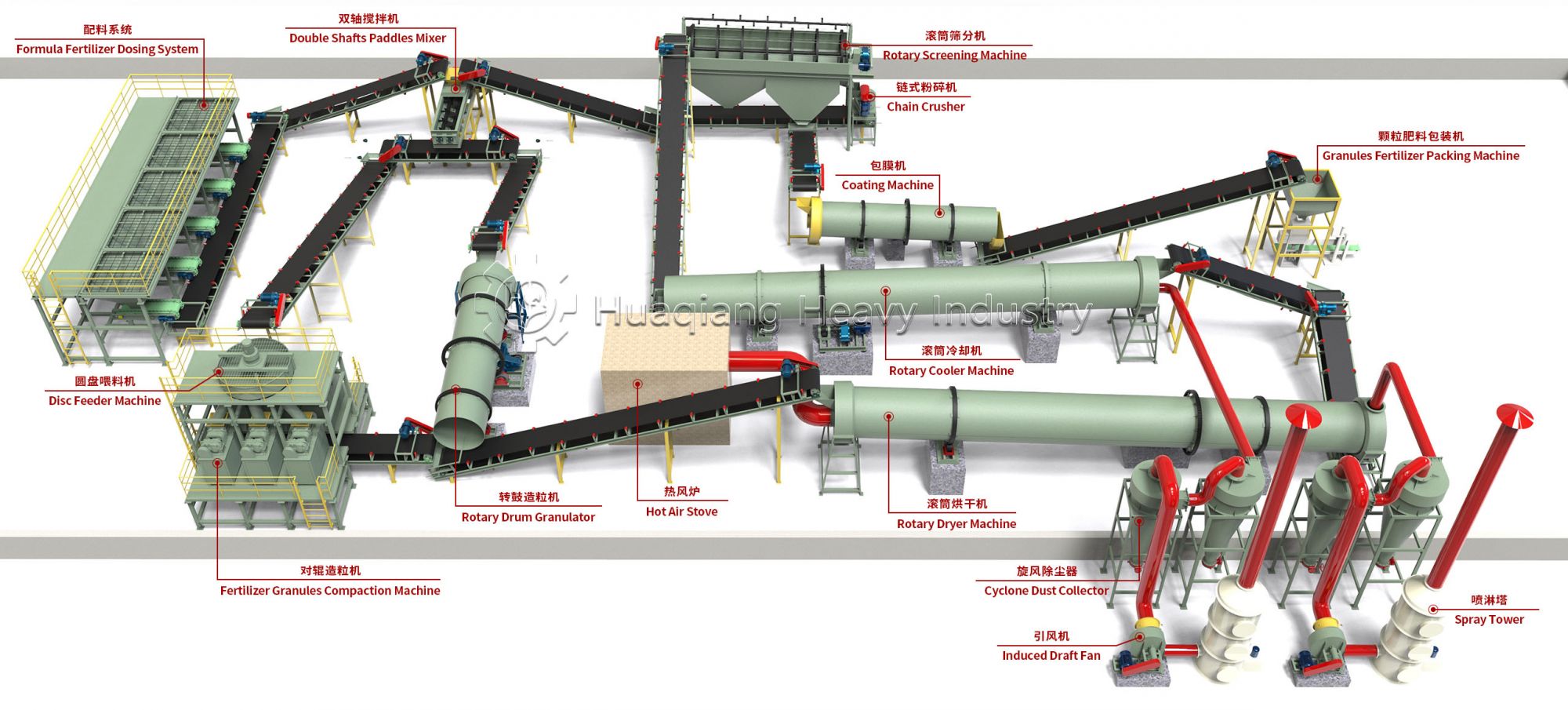
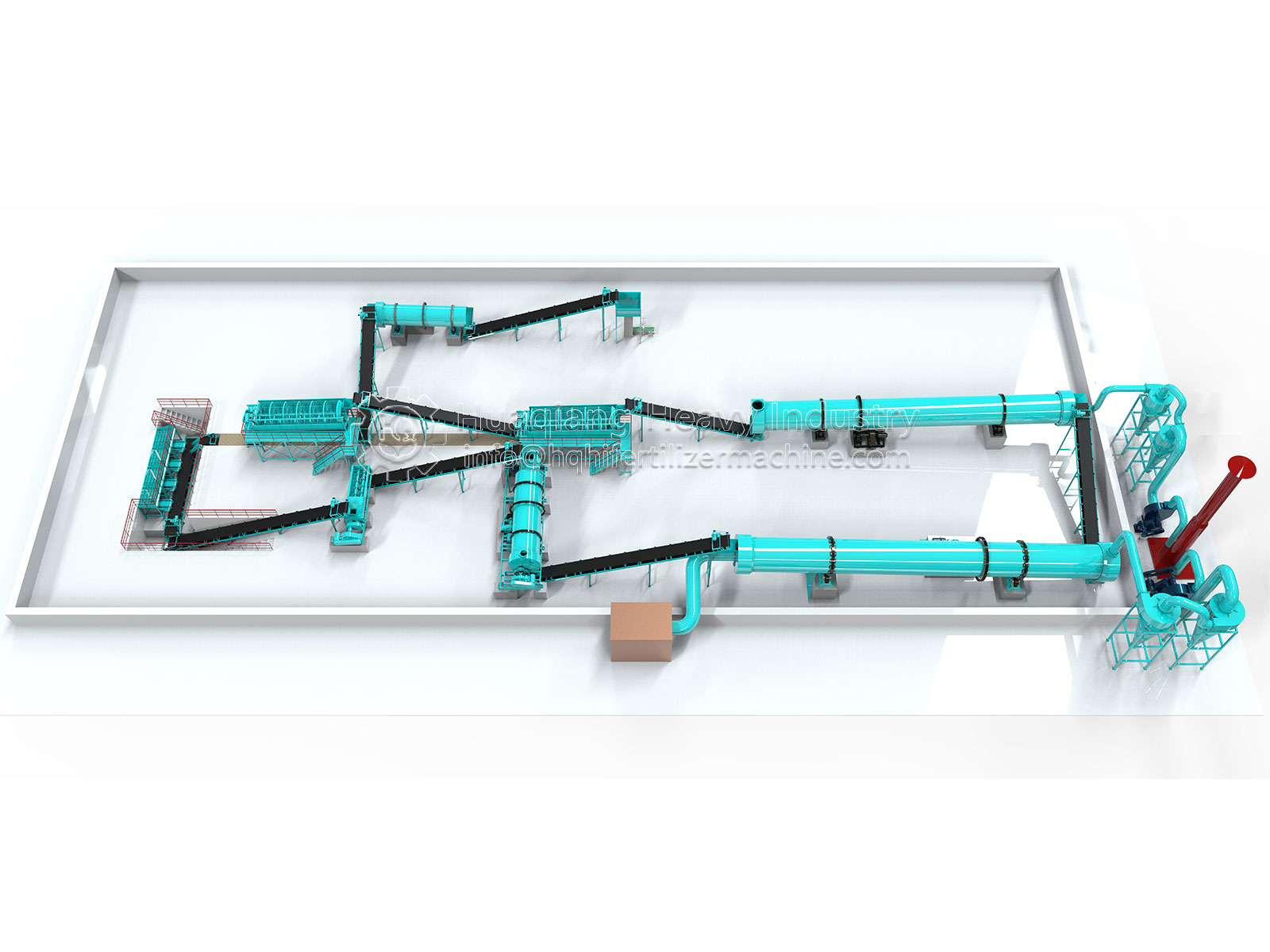
High-quality fertilizer production, whether organic or compound, relies on sophisticated industrial systems. The organic fertilizer production line often begins with biological processing using equipment like the windrow composting machine, followed by shaping in a disc granulator for shaping uniform pellets. Similarly, the complete npk fertilizer production line integrates precision equipment such as the npk blending machine with various fertilizer granulation processes to produce consistent compound fertilizers.

Granulation technology is central to both production streams. The disc granulator machine is a core component of many disc granulation production line setups, creating spherical granules. For specialized applications, alternative technologies are employed, such as the double roller press granulator in a roller press granulator production line for dry compaction. These diverse fertilizer granulator systems, whether within a bio organic fertilizer production line or a standard NPK line, ensure that final products meet stringent quality standards for effective and sustainable field application, supporting the scientific principles of soil health and crop nutrition.

The core driving force behind the upgrading of organic fertilizer production lines

In the modern field of organic waste resource utilization, new types organic fertilizer granulators are becoming key equipment for improving the technical level and product value of the entire organic fertilizer production line. Their technological innovation is reflected not only in the performance of individual machines but also in the comprehensive improvement of the synergistic capabilities of the entire organic fertilizer production equipment system, driving the industry towards standardization and high-value development.

As the core molding equipment in the organic fertilizer production line, modern new type organic fertilizer granulators demonstrate excellent system adaptability. They can achieve efficient connection with front-end fermentation equipment, crushing equipment, and back-end drying and cooling equipment, flexibly adjusting process parameters according to raw material characteristics and production capacity requirements. This system compatibility ensures the smooth conversion from raw materials to finished granules, greatly improving the operating efficiency and stability of the entire production line.

From the perspective of the overall configuration of organic fertilizer production equipment, the energy-saving characteristics of the new type organic fertilizer granulator are noteworthy. By optimizing the power transmission system and molding method, it effectively reduces unit energy consumption while ensuring product quality and output. This technological advancement not only conforms to the development concept of green manufacturing but also creates greater economic benefits for production enterprises.

In modern organic fertilizer production lines, the value of the new type organic fertilizer granulator has surpassed its simple molding function. Through intelligent cooperation with various organic fertilizer production equipment, it achieves precise control of the production process and stable improvement of product quality, becoming an important driving force for promoting technological upgrading and product transformation in the organic fertilizer industry.

OPEFB: Innovative Material for Organic Fertilizer

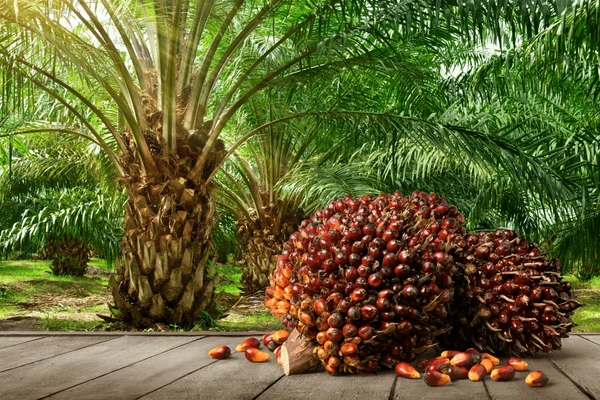
Oil palm empty fruit bunch (OPEFB), as a by-product of the palm oil industry, is increasingly becoming an important raw material for organic fertilizer production. Through scientific processing, this cellulose-rich agricultural waste not only addresses waste treatment challenges but also provides high-quality organic fertilizer for sustainable agriculture.

Innovative Breakthroughs in Pretreatment Technology

Due to OPEFB’s high cellulose content and carbon-nitrogen ratio characteristics, the pretreatment process requires special technical handling. First, heavy-duty crushers break the raw material into 2-5 millimeter particles, significantly increasing microbial contact area and creating conditions for subsequent fermentation. Carbon-nitrogen ratio adjustment is crucial, typically mixing OPEFB with high-nitrogen materials like chicken manure at a 7:3 ratio to ensure the raw material’s carbon-nitrogen ratio reaches the ideal range of 25-30:1.

Moisture regulation is equally important. By adding water or sawdust, the mixed raw material’s moisture content is controlled between 55-60%. This ideal humidity state both meets microbial activity requirements and ensures good compost structure. Large-scale production typically employs professional equipment like double-shaft shredders and drum screeners to ensure processing efficiency and product quality.

Optimization and Improvement of Fermentation Processes

Targeting OPEFB’s characteristics, aerobic composting fermentation becomes the most suitable choice. Through windrow or trough fermentation systems combined with regular turning operations, fermentation temperature is maintained within the ideal range of 55-65°C. This temperature not only accelerates organic matter decomposition but also effectively eliminates pathogens and weed seeds.

Adding specialized microbial agents is key to improving fermentation efficiency. The addition of cellulose-decomposing bacteria and complex fermentation bacteria, controlled at 0.3-0.5% of dry material weight, significantly accelerates lignocellulose degradation. Although OPEFB’s fermentation cycle is about 5-10 days longer than conventional organic fertilizer, after 25-35 days of thorough fermentation, the final product can meet high-quality organic fertilizer standards.

Product Development and Market Applications

After drying, the fermented material’s moisture content is reduced below 15%, facilitating long-term storage and transportation. Through extrusion granulation or disc granulation technology, granular products with 2-5 millimeter particle sizes are produced, better suited for mechanized fertilization operations. Targeting the special needs of tropical crops, specialized organic fertilizer products are developed by adding appropriate potassium elements and functional microorganisms, significantly improving crop stress resistance and yield.

Beyond serving as organic fertilizer raw material, OPEFB demonstrates diversified high-value utilization potential. Multiple technological pathways including biomass energy conversion, biochar production, cellulosic ethanol extraction, artificial board manufacturing, and feed raw material development provide broad prospects for OPEFB’s comprehensive utilization. This diversified utilization model not only improves resource utilization efficiency but also creates new economic value for related industries.

Significant Contributions to Sustainable Development

The application of OPEFB in the organic fertilizer field represents important progress in agricultural waste resource utilization. Through technological innovation and process optimization, by-products that could become environmental burdens are transformed into valuable resources that improve soil health and promote agricultural sustainable development.

With increasing global emphasis on sustainable agriculture and circular economy, OPEFB application technologies will continue to develop and improve. In the future, more efficient processing technologies and more targeted product development will enable OPEFB to play greater value in organic fertilizer and other related fields, making significant contributions to achieving agricultural sustainable development goals.

Integrating OPEFB into Advanced Organic Fertilizer Systems

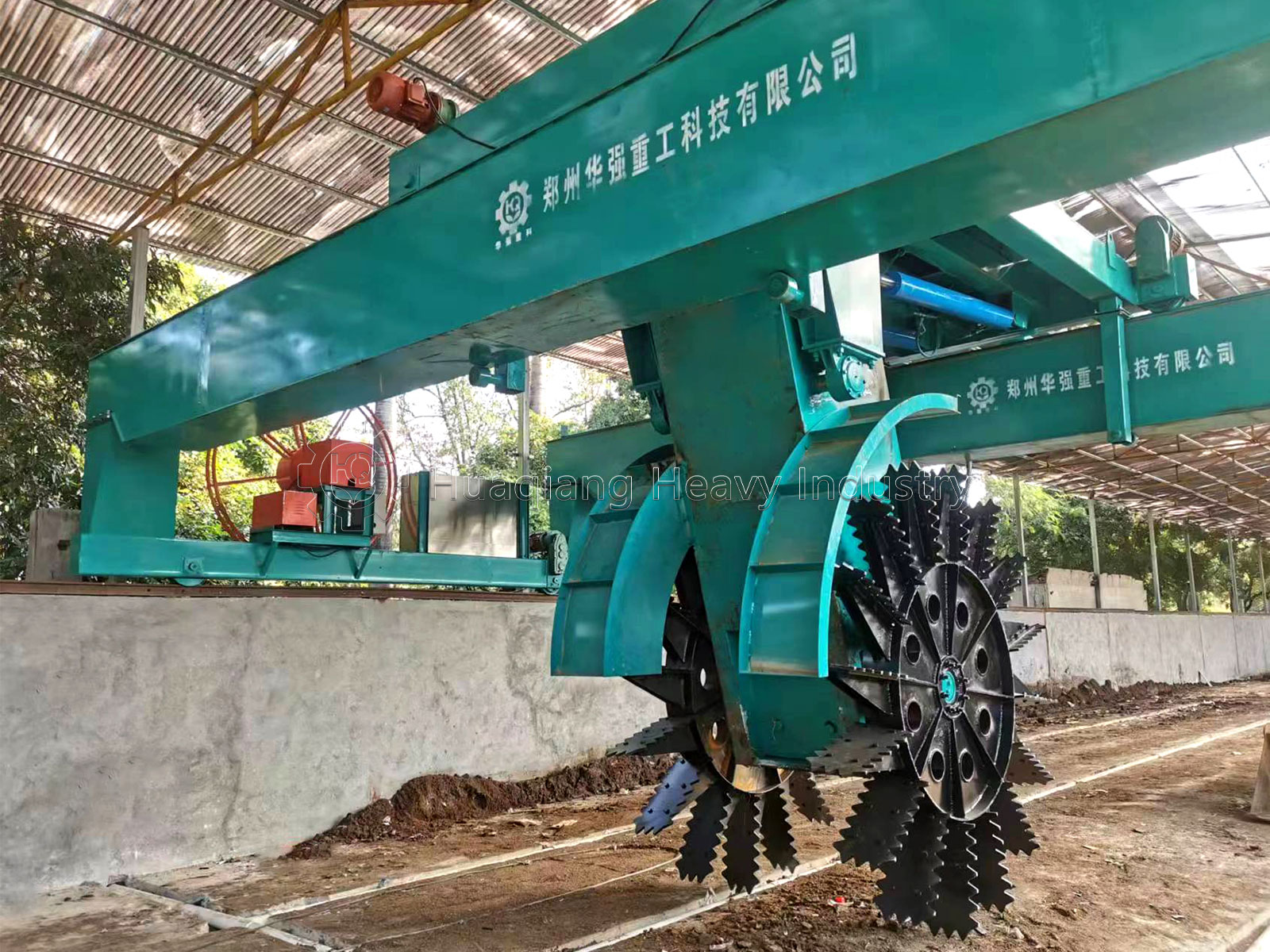
The transformation of Oil palm empty fruit bunch (OPEFB) into valuable fertilizer is a prime example of advanced organic fertilizer manufacturing. The process leverages the unique oil palm empty fruit bunch composition, rich in lignocellulose, within a specialized organic fertilizer fermentation process. Efficient fermentation composting technology for organic fertilizer is applied, often utilizing equipment like the large wheel compost turning machine to ensure proper aeration and temperature control during the critical decomposition phase.

Following successful fermentation, the stabilized material is integrated into a complete organic fertilizer production line. Here, a new type organic fertilizer granulator transforms the compost into uniform, market-ready granules. This integrated approach demonstrates the practical uses of oil palm empty fruit bunch, closing the waste loop and creating a sustainable soil amendment. The synergy between specialized fermentation composting turning technology and modern granulation equipment showcases how agricultural by-products can be efficiently converted into high-quality organic fertilizers, supporting soil health and sustainable crop production while addressing waste management challenges.

Core Technology of Core Technology of Double Spiral Groove Flipping Machine

In modern organic fertilizer production, the double spiral groove flipping machine is becoming a key piece of equipment in the fermentation process, driving efficient resource utilization of organic waste through its exceptional turning efficiency and uniform mixing capabilities. This equipment creates ideal conditions for organic material fermentation through innovative double spiral design, significantly improving organic fertilizer production efficiency and quality.

Innovative Design Principle

The core of the double spiral groove flipping machine lies in its unique dual-spiral shaft collaborative working mechanism. Compared with traditional single-spiral equipment, this design significantly expands the turning range and eliminates operational dead zones. When the equipment operates, the two spiral shafts rotate collaboratively at speeds of 30-60 revolutions per minute, lifting materials from the bottom upward and dispersing them sideways, creating comprehensive turning effects.

This design not only improves turning efficiency but, more importantly, ensures uniform material mixing. During the turning process, materials fully contact air, with oxygen content increasing to 18%-21%, creating ideal conditions for aerobic microbial activity. Simultaneously, the turning process helps regulate material temperature and humidity, promoting rapid organic matter decomposition.

Wide Range of Material Adaptability

The double spiral groove flipping machine demonstrates strong adaptability to various organic raw materials. Whether dealing with high-moisture livestock manure, cellulose-rich crop straw, or industrial organic waste, all can be effectively processed through this equipment. The device can transform various raw materials with moisture content between 40%-70% into high-quality organic fertilizer.

For materials with different characteristics, the equipment optimizes operations through adjustable working parameters. The height and spacing of spiral shafts can be adjusted according to material pile height and characteristics, ensuring optimal turning effects under various conditions. This flexibility enables the equipment to adapt to diverse production needs.

High Production Performance

The double spiral groove flipping machine demonstrates outstanding performance in improving production efficiency. A single unit can process 50-200 tons of material per hour, with efficiency increased 10-20 times compared to traditional methods. Fermentation cycles can be shortened from 3-6 months of natural composting to 15-30 days, significantly accelerating organic fertilizer production speed.

The equipment features high automation levels, requiring only one operator to complete the entire operation process. Intelligent control systems can monitor temperature and humidity parameters in real-time during fermentation, automatically adjusting equipment operation status as needed. This intelligent operation not only reduces labor intensity but also ensures stability and controllability of the fermentation process.

Environmental and Economic Benefits

Using double spiral groove flipping machines brings significant environmental and economic benefits. Environmentally, the equipment effectively eliminates pathogens and weed seeds through high-temperature fermentation processes, removes odors, and reduces environmental pollution from organic waste. Simultaneously, frequency conversion control system applications reduce equipment energy consumption by 15%-20% compared to traditional equipment.

Economically, high-efficiency production capacity reduces unit product costs, while high-quality products enhance market competitiveness. The equipment’s durable design reduces maintenance requirements and extends service life, further improving return on investment.

Maintenance and Operational Essentials

To ensure long-term stable equipment operation, proper maintenance is crucial. Regular lubrication, wear inspection, and cleaning work can effectively extend equipment lifespan. During operation, attention must be paid to adjusting working parameters according to material characteristics while closely monitoring key indicators of the fermentation process.

With continuous development of the organic fertilizer industry, double spiral groove flipping machines will continue playing important roles. Technological innovation will further improve equipment intelligence levels and energy efficiency, providing more efficient and reliable solutions for global resource utilization of organic waste. This technology not only promotes the development of the organic fertilizer industry but also makes significant contributions to sustainable agriculture and environmental protection.

Innovative Composting Systems for Sustainable Fertilizer Manufacturing

The double screws compost turning machine, also known as a double spiral groove flipping machine, represents a significant advancement in modern fermentation composting turning technology. As a core component of fermentation composting technology for organic fertilizer, this equipment is essential within the trough-type aerobic fermentation composting technology framework. Its efficient operation directly optimizes the organic fertilizer fermentation process, ensuring rapid decomposition and uniform mixing of organic materials.

This specialized turning machine is a key piece among the equipments required for biofertilizer production. Following efficient fermentation, the matured compost is integrated into a complete bio organic fertilizer production line, which includes various fertilizer making machine units for drying, crushing, and granulation. The synergy between high-performance turning technology and downstream processing equipment enables the efficient conversion of organic waste into high-value bio-fertilizers, supporting sustainable agriculture by improving soil health and closing nutrient loops within agricultural systems.