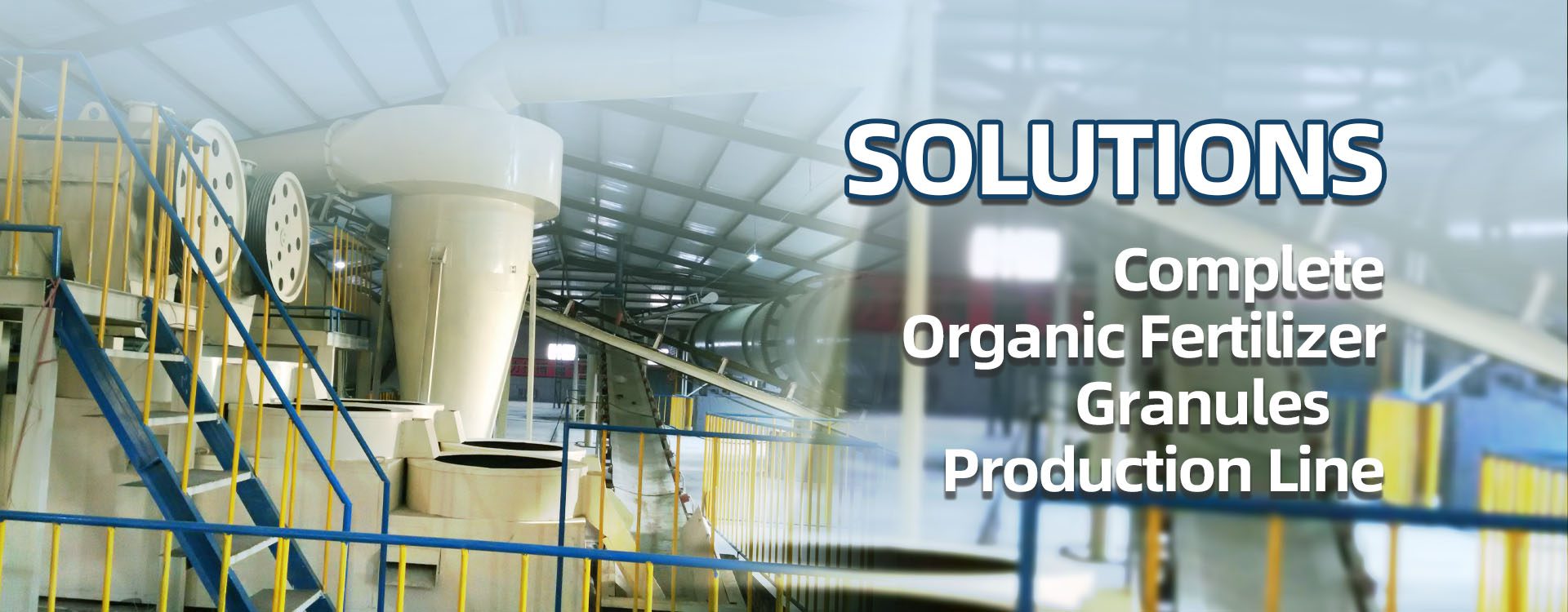
Organic Fertilizer Production Granulation: Shaping Efficient and Sustainable Agriculture

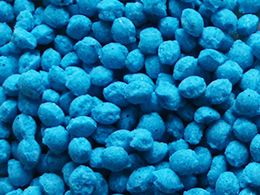
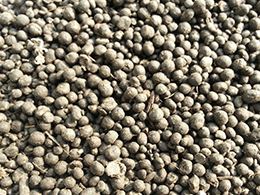
As the global focus on sustainable agriculture intensifies, organic fertilizer production has gained unprecedented attention, and granulation stands as a pivotal link in this process. Granulation transforms loose, powdery organic compost—derived from agricultural waste, livestock manure, and biodegradable materials—into uniform granules. This critical step not only enhances the practicality and storage stability of organic fertilizers but also optimizes nutrient release, laying a solid foundation for eco-friendly farming and soil health improvement. With diverse technologies adapting to different production scales, granulation has become a core driver in upgrading the organic fertilizer industry.

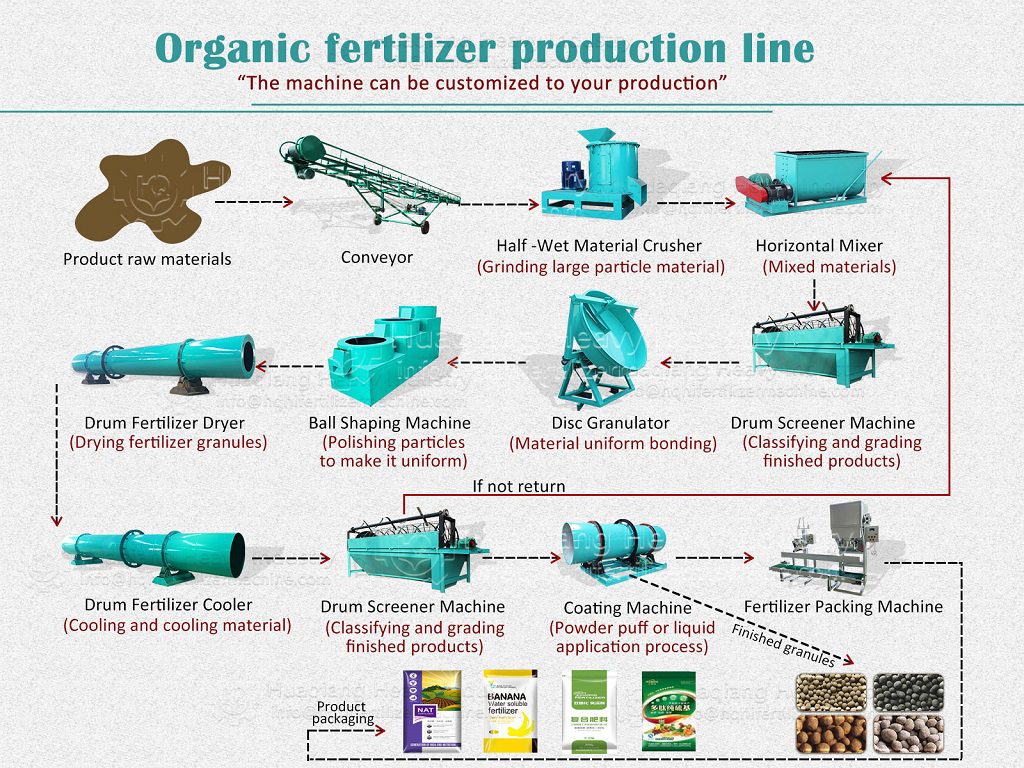
The granulation process is tailored to the characteristics of organic materials, which are often low in cohesion and high in moisture. Unlike chemical fertilizers, organic fertilizer granulation requires balancing material viscosity, moisture content, and nutrient preservation to ensure granule strength and uniformity. The pre-treatment stage is essential: fermented compost is crushed, screened, and adjusted for moisture (typically 20%-30%) to meet granulation requirements. Impurities such as stones and large particles are removed to protect equipment and improve product quality, making pre-treatment a prerequisite for smooth granulation.

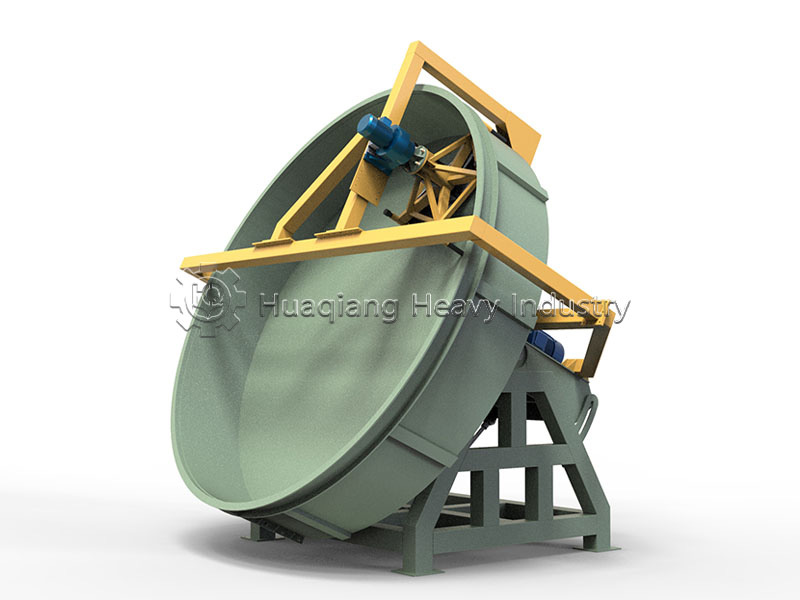
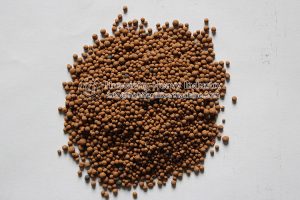
Various granulation technologies cater to different production needs, with three mainstream methods dominating the industry. The disc granulator, a cost-effective option for small to medium-scale facilities, uses a rotating disc to agglomerate materials into granules under the action of binding agents (such as molasses or bentonite). Its simple structure, easy operation, and low energy consumption make it widely adopted by family farms and local fertilizer plants.

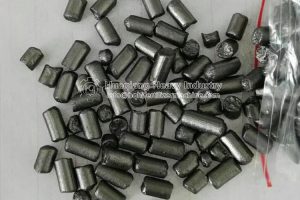
For large-scale industrial production, extrusion granulators are preferred. They press mixed materials through molds under high pressure to form cylindrical granules, eliminating the need for drying and reducing energy consumption. This technology excels in handling high-fiber organic materials and ensures consistent granule density, suitable for large agricultural enterprises and commercial fertilizer manufacturers. Meanwhile, drum granulators, which combine mixing, granulation, and drying in one drum, offer high production efficiency and uniform product size, ideal for large-batch production lines.

Post-granulation processing is equally crucial to ensure product quality. Granules undergo drying to reduce moisture content to below 10%, preventing caking and mold growth during storage. Cooling stabilizes the granules’ structure, while screening separates unqualified particles for reprocessing, ensuring uniform particle size. Coating technology can also be applied to slow nutrient release, extending the fertilizer’s effectiveness and reducing nutrient loss.

Granulated organic fertilizers offer numerous advantages over powdery counterparts. Their uniform size facilitates mechanical application, improving spreading accuracy and reducing labor intensity. The dense structure minimizes nutrient leaching and volatilization, enhancing fertilizer utilization rate. Additionally, granulation inhibits odor emission and reduces dust pollution, aligning with environmental protection standards. For soil health, granulated organic fertilizers gradually decompose, releasing nutrients and improving soil structure, fertility, and water retention capacity.

Organic fertilizer production granulation is more than a processing step—it is a bridge between organic waste recycling and sustainable agriculture. By upgrading the quality and usability of organic fertilizers, it promotes the circular economy in agriculture, reduces chemical fertilizer dependence, and safeguards ecological balance. As technology advances, granulation will continue to evolve toward higher efficiency, lower energy consumption, and smarter operation, fueling the development of a greener agricultural future.

System Integration: From Composting to Granulation

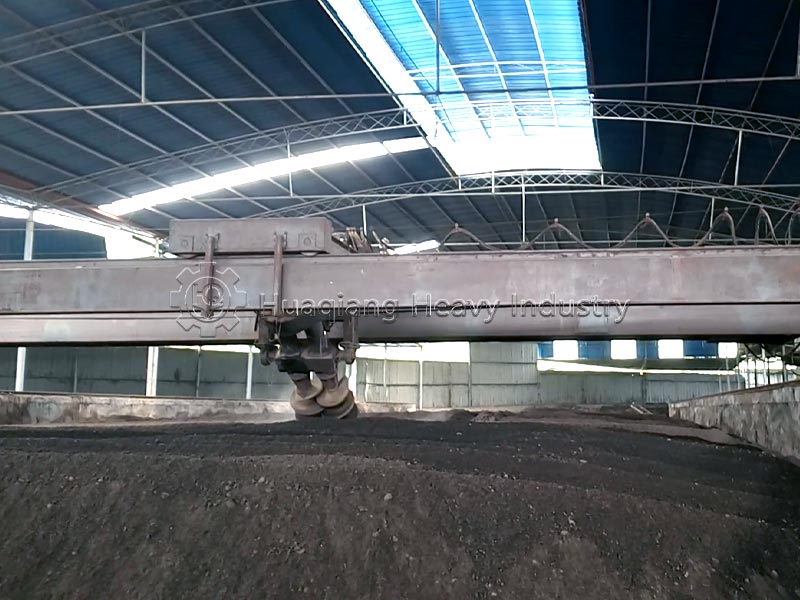
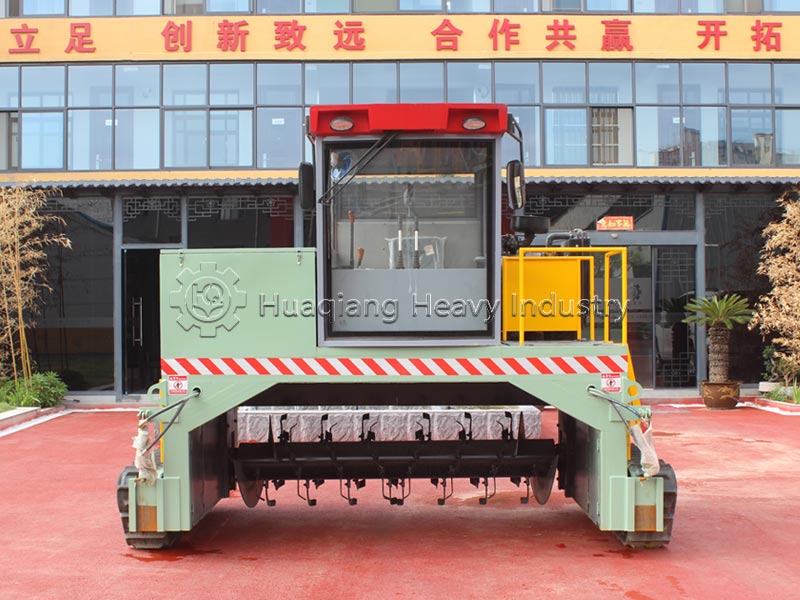
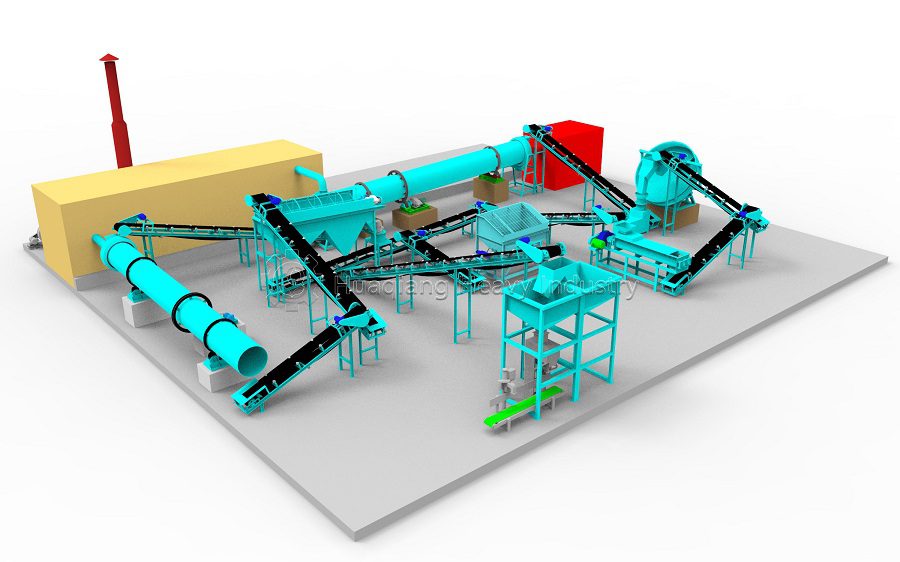
To realize this complete value chain, an integrated organic fertilizer manufacturing system is required. This system begins with efficient aerobic fermentation, often managed by equipment like a large wheel compost turning machine for windrows or a chain compost turning machine for thorough mixing. The cured compost then feeds a dedicated organic fertilizer production line. For granulation, multiple technologies are available. A traditional and effective method is the organic fertilizer disc granulation production line, which forms spherical pellets via a tumbling pan.

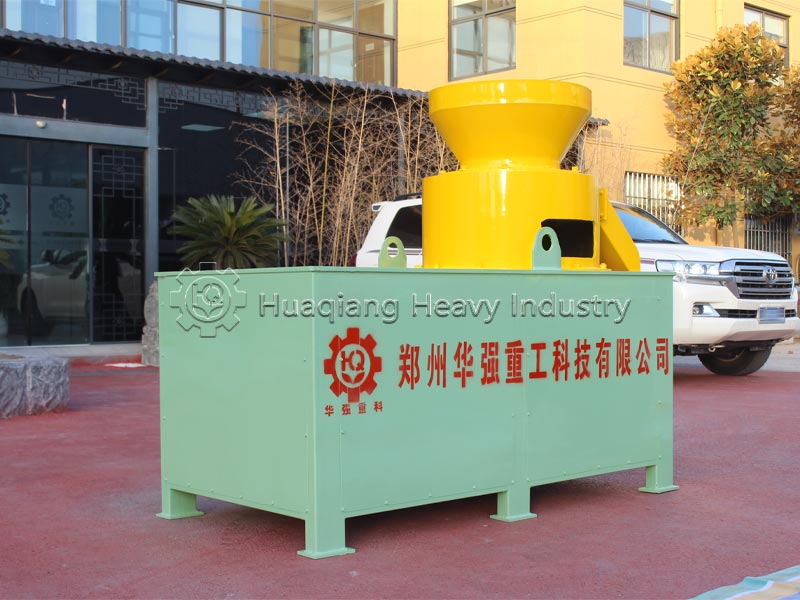
For operations seeking space efficiency, a new type two in one organic fertilizer granulator that combines mixing and granulation is an innovative solution. For producing dense, cylindrical pellets, a flat die press pellet machine for sale offers a robust extrusion option. When the process is designed to incorporate specific beneficial microbes post-fermentation, the system evolves into a sophisticated bio organic fertilizer production line, where gentle granulation is critical to preserving microbial viability.

This holistic approach ensures that organic waste is systematically transformed into a standardized, easy-to-apply product. The seamless connection between composting, processing, and granulation technologies is what enables the large-scale, commercial production of high-quality organic fertilizers that support sustainable soil management.

Roller press granulation technology: A reliable choice for improving the strength and uniformity of fertilizer granules

The strength and uniformity of fertilizer granules directly affect their transportation and storage stability and application effectiveness, making them a core indicator of high-quality fertilizers. Roller press granulation technology, with its unique principle of “dry extrusion and die-hole molding,” can precisely control particle characteristics from the molding source, effectively improving strength uniformity.

Roller press granulation uses the synchronized pressure rollers of a fertilizer compaction machine to apply constant pressure to dry powder raw materials that have been mixed by a fertilizer mixer and screened by a fertilizer screener machine. The raw materials are then extruded and molded through die holes. The fertilizer compaction machine’s pressure control is precise, and the roller speed and pressure are constant, ensuring that each granule receives the same extrusion pressure, thus preventing strength differences caused by uneven pressure from the source.

This technology has wide raw material adaptability; NPK compound fertilizers and other materials, after pretreatment, can be stably granulated through the fertilizer compaction machine. At the same time, the precise feeding system of the fertilizer compaction machine can stabilize the raw material supply speed, avoiding local pressure changes caused by feeding fluctuations; secondary screening after molding removes irregular particles, further improving the consistency of finished product particle size and strength.

In practical applications, fertilizer granules produced by roller press granulation have a coefficient of variation in strength of ≤5%, far superior to traditional processes, with a transportation pulverization rate of less than 2%. This meets the high requirements for particle stability in large-scale planting, reducing fertilizer waste and ensuring uniform application. In summary, roller press granulation technology, through precise pressure control and process optimization, can significantly improve the strength and uniformity of fertilizer granules, providing strong support for the production of high-quality fertilizers.

What are the core differences between blended fertilizers and compound fertilizers?

Blended fertilizers and compound fertilizers are often confused, but they differ significantly in core dimensions such as production process and nutrient uniformity. Precise differentiation is necessary when choosing between them, based on specific planting needs. The core difference lies in: compound fertilizers are “synthesized first, then formed,” while blended fertilizers are “formed first, then mixed.” This fundamental difference determines their fertilizer efficacy characteristics and applicable scenarios.

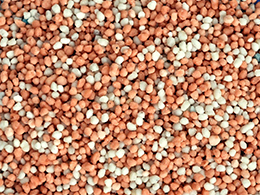
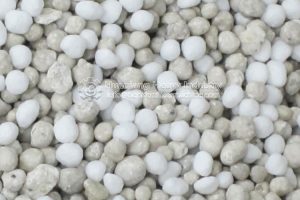
Different production processes and nutrient uniformity: Compound fertilizers require a dedicated NPK fertilizer production line. Nitrogen, phosphorus, potassium, and other raw materials undergo chemical synthesis reactions to form new compounds, which are then shaped by a fertilizer granulator. Nutrients are evenly distributed in each granule, with precise and controllable content. Blended fertilizers do not require chemical synthesis; they only need to be mixed evenly using a fertilizer mixer machine with two or more single fertilizers or compound fertilizers. The production process is simpler, but due to limitations in mixing accuracy, there may be localized uneven nutrient distribution.

Different fertilizer release and application scenarios: Due to the high degree of nutrient integration, compound fertilizers have a stable and long-lasting effect, suitable for the entire growth period of field crops such as wheat and corn, reducing the need for frequent topdressing. Blended fertilizers allow for flexible adjustment of nutrient ratios according to the specific growth stage of the crop. For example, a high-potassium blended fertilizer can be used during the fruit-swelling stage of fruits and vegetables for rapid nutrient replenishment. However, the fertilizer release is relatively scattered, and application timing needs to be controlled to avoid nutrient loss.Selection recommendations: For precise and long-lasting nutrient supply, suitable for large-scale mechanized planting, choose compound fertilizers; for flexible nutrient adjustment, targeted fertilization at specific crop stages, or small-scale planting scenarios, choose blended fertilizers.

Synergy of Trough-Type Aerobic Fermentation, and Fertilizer Production Machinery

In the modern organic fertilizer production chain, the integration of fermentation composting turning technology, trough-type aerobic fermentation composting technology, and advanced fertilizer production machine technology forms an efficient, eco-friendly workflow. These core technologies complement each other, transforming agricultural waste, livestock manure, and biodegradable materials into high-quality organic fertilizer while ensuring environmental compliance and production efficiency. As the demand for sustainable agriculture grows, their coordinated application has become a benchmark for upgrading the organic fertilizer industry.

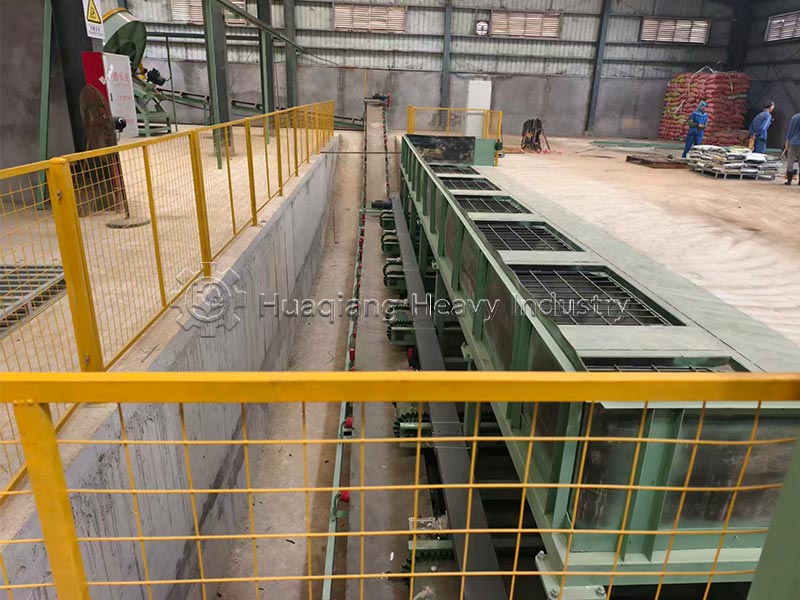
Trough-type aerobic fermentation composting technology serves as the foundation of organic fertilizer fermentation, providing a controlled environment for microbial decomposition. This technology utilizes enclosed or semi-enclosed troughs to hold raw materials, with systematic aeration systems delivering oxygen to aerobic microbes—key drivers of organic matter breakdown. The trough design enables centralized management of fermentation parameters, including temperature (maintained at 55-65°C), moisture (50%-60%), and oxygen content, effectively killing pathogens and weed seeds while accelerating decomposition. Compared to open-pile fermentation, trough-type systems reduce odor emission, minimize land occupation, and ensure consistent compost quality, making them suitable for large-scale industrial production.

Fermentation composting turning technology is indispensable for optimizing trough-type aerobic fermentation. Turning machinery, such as trough-type compost turners, agitates and flips raw materials in the troughs at regular intervals. This process enhances oxygen penetration, breaks up caking, and homogenizes temperature and moisture distribution, preventing anaerobic fermentation that generates harmful gases and reduces compost quality. Modern turning equipment is equipped with adjustable speed and turning depth, adapting to different material properties and fermentation stages. Some intelligent models integrate sensors to automatically adjust turning frequency based on real-time temperature and oxygen data, realizing precise process control.

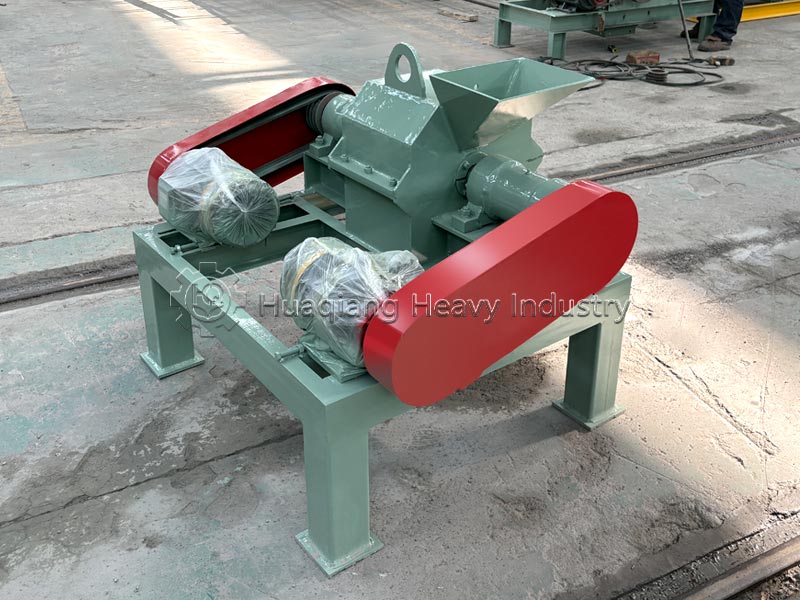
Fertilizer production machine technology bridges the gap between fermented compost and finished organic fertilizer, upgrading raw compost into marketable products. After fermentation, specialized machinery processes the mature compost through crushing, screening, mixing, and granulation. Crushers grind bulky compost into fine powder, while screening equipment removes impurities to improve product uniformity. Mixers blend compost with auxiliary nutrients to adjust nutrient ratios, and granulators (such as disc or extrusion models) convert powder into granular fertilizer, enhancing storage stability and application convenience. Advanced production lines integrate these machines with automated control systems, realizing continuous operation and reducing labor costs.

The synergy of these three technologies delivers remarkable environmental and economic benefits. Trough-type aerobic fermentation and turning technology ensure thorough decomposition of organic waste, reducing environmental pollution from waste disposal. Fertilizer production machinery maximizes the value of fermented compost, producing nutrient-dense organic fertilizer that improves soil structure and reduces chemical fertilizer dependence. Energy-saving designs in modern machinery, such as heat recovery systems in fermentation troughs and low-power turning equipment, further lower production costs and carbon emissions.

Technological innovation continues to enhance the performance of these systems. Intelligent trough-type fermentation systems now feature remote monitoring and automatic aeration adjustment, while turning machinery adopts wear-resistant materials to extend service life. Fertilizer production machines integrate more precise nutrient detection and blending functions, supporting the production of customized specialty fertilizers. These advancements strengthen the role of the technology trio in promoting circular agriculture.

The integration of fermentation composting turning technology, trough-type aerobic fermentation, and fertilizer production machine technology represents the future of organic fertilizer production. By optimizing each link of the production chain, they realize the sustainable utilization of organic waste, produce high-quality fertilizers, and contribute to the development of greener, more efficient agriculture.

How to Apply Granular Fertilizer to Soil Effectively

Applying granular fertilizer to soil is a systematic process that requires careful preparation, targeted application methods, and proper post-application care to ensure nutrients are absorbed efficiently while avoiding harm to plants. The key to success lies in tailoring the approach to the growing scenario—whether treating a large lawn or specific plants in a garden bed—and following scientific steps to maximize fertilizer effectiveness. Below is a comprehensive guide to mastering granular fertilizer application.

Adequate preparation lays the foundation for effective fertilization. First and foremost, conduct a soil test to identify the specific nutrient needs of your soil. This step prevents over-fertilization or nutrient imbalance, ensuring you select the right type of granular fertilizer. Next, calculate the required quantity by measuring the target area. For instance, a standard 12-pound bag of granular fertilizer typically covers around 4,000 square feet, so accurate measurement helps avoid waste or insufficient coverage. Additionally, never apply fertilizer when plants are wet. Wet foliage causes granules to stick, which can lead to “leaf burn” and damage plant tissue.

Choosing the appropriate application method based on the planting type is crucial for uniform nutrient distribution. For lawns or large empty beds, broadcasting is the optimal choice. Use a broadcast or drop spreader and walk at a consistent pace of approximately 3.5 mph, moving in straight, overlapping lines to ensure no area is missed or over-fertilized. For established garden plants, top-dressing works best: sprinkle granules around the base of each plant, extending to the drip line—the edge of the furthest branches—where most feeder roots are located.

For row crops such as vegetables, banding (or side-dressing) is recommended. Dig a small trench 2–3 inches to the side of the plant row and 1–2 inches deep, place the fertilizer in the trench, and cover it with soil immediately to prevent nutrient loss. When planting new specimens, base application is ideal: mix the granular fertilizer directly into the soil at the bottom of the planting hole before placing the plant, ensuring young roots can access nutrients as they grow.

Post-application steps are essential to activate the fertilizer and protect plants. In garden beds, use a hand rake or cultivator to scratch the granules into the top 1–3 inches of soil, promoting contact with moisture and roots. Regardless of the application method, water the area thoroughly right after fertilizing. This step breaks down the granules, activating the nutrients and allowing them to seep into the root zone, while also preventing chemical burns on grass or foliage. Finally, sweep any stray granules from driveways or sidewalks back into the soil to avoid nutrient runoff into storm drains, which harms the environment.

By following these structured steps—thorough preparation, scenario-specific application, and diligent post-application care—you can apply granular fertilizer to soil effectively. This approach ensures that plants receive the right nutrients in the right amounts, fostering healthy growth while minimizing waste and environmental impact. Whether tending to a sprawling lawn or a intimate garden bed, mastering these techniques makes granular fertilization a simple and rewarding part of garden maintenance.

Industrial Production: Creating the Granules for the Field

The uniform, high-quality granules applied by farmers and gardeners are the end product of sophisticated industrial processes. The ability to produce a wide range of specific NPK formulations begins with advanced npk fertilizer production technology. In the npk fertilizer manufacturing process, raw materials are first precisely proportioned and homogenized. This can be done using a npk blending machine or a fertilizer mixer machine for integrated production, or a npk bulk blending machine (a type of bulk blending fertilizer machine) for physical mixing of pre-granulated materials.

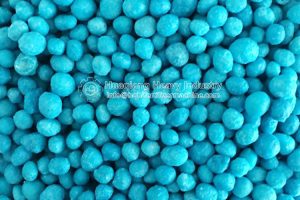
The core of the npk fertilizer production line is the granulation unit. Here, an npk granulation machine applies specific npk granulation machine technology, such as rotary drum agglomeration with a liquid binder, to form the dense, spherical granules ideal for broadcast or banding application. This entire suite of npk fertilizer granulator machine equipment—including the granulator, dryers, and coolers—is designed to produce granules with consistent size, hardness, and nutrient content, ensuring predictable breakdown and nutrient release once applied to the soil.

Therefore, the precision achieved in field application is fundamentally enabled by the precision engineered into the npk fertilizer machine during manufacturing. The industrial process ensures that every bag of fertilizer contains granules that will perform reliably, supporting the scientific soil management practices outlined for end-users.

Professional Fertilizer Manufacturing Equipment: Advancing Dry Granulation Processes and Granulation Technology

Professional fertilizer manufacturing equipment is the cornerstone of modern fertilizer production, with granulation technology standing as its core component. Among various granulation methods, dry granulation processes have gained widespread recognition for their energy-saving, eco-friendly advantages, becoming a pivotal direction in the upgrading of fertilizer granulation technology. These equipment and technologies work in tandem to convert processed raw materials into high-quality granular fertilizers, balancing production efficiency, product performance, and environmental sustainability, and powering the transformation of the global fertilizer industry.

Dry granulation processes distinguish themselves by eliminating the need for drying and wetting agents, relying on mechanical pressure or thermal action to agglomerate dry powder materials into granules. This characteristic not only reduces energy consumption by 30%-50% compared to wet granulation but also avoids nutrient loss caused by high-temperature drying, making it ideal for heat-sensitive organic and compound fertilizers. Professional dry granulation equipment, such as double-roller extrusion granulators and flat-die pellet mills, are designed to handle diverse raw materials—from inorganic compounds like urea and phosphate rock to organic powders derived from agricultural waste compost.

Key professional equipment drives the stability and efficiency of dry granulation processes. Double-roller extrusion granulators exert high pressure on raw material powders through counter-rotating rollers, compressing them into dense flakes that are then crushed and screened into uniform granules. This equipment excels in processing low-moisture (≤10%) materials, with adjustable roller pressure and granule size to meet different product requirements. For small to medium-scale production, flat-die pellet mills offer cost-effectiveness and flexibility, using rotating rollers to press materials through die holes and form cylindrical granules, suitable for organic fertilizer production by family farms and small enterprises.

Fertilizer granulation technology has evolved with the advancement of professional equipment, integrating intelligence and precision. Modern dry granulation systems are equipped with automated control modules that monitor material moisture, particle size, and pressure in real time, enabling dynamic adjustments to ensure consistent granule quality. Advanced pretreatment equipment, such as high-precision grinders and mixers, cooperates with granulators to optimize raw material fineness and uniformity—critical factors for improving granulation rate and granule strength.

The synergy of professional equipment, dry granulation processes, and advanced granulation technology delivers multiple benefits. Dry granulation avoids wastewater discharge and reduces carbon emissions, aligning with environmental regulations. Granular fertilizers produced via these technologies have higher bulk density and better flowability, facilitating mechanical application and reducing nutrient leaching. For compound fertilizers, dry granulation enables precise blending of multiple nutrients, ensuring uniform nutrient distribution in each granule, which enhances fertilizer utilization and crop yield.

Continuous innovation in fertilizer granulation technology is driving the upgrading of professional manufacturing equipment. New materials like wear-resistant alloys extend equipment lifespan, while integrated production lines combine pretreatment, granulation, screening, and coating into a seamless workflow, boosting production efficiency. Moreover, the adaptability of dry granulation processes is expanding—they now handle mixed organic-inorganic raw materials, supporting the development of high-value-added specialty fertilizers.

Professional fertilizer manufacturing equipment, coupled with advanced dry granulation processes and granulation technology, is reshaping the fertilizer industry. By prioritizing efficiency, sustainability, and product quality, they enable the production of high-performance fertilizers that meet the demands of modern agriculture, contributing to soil health, food security, and the global pursuit of green development.

Granulation Pathways: Dry Compaction vs. Wet Agglomeration

As described, dry granulation via equipment like a roller press granulator production line is a cornerstone of modern fertilizer production machine technology. This method is centered on fertilizer granules compaction, where a fertilizer compactor applies high mechanical pressure to form dense granules without added moisture. This approach is highly efficient within the manufacturing of npk fertilizer, especially for certain raw material blends. In contrast, the conventional npk fertilizer manufacturing process often employs wet agglomeration, typically using a rotary drum granulator where a liquid binder facilitates granule formation.

The choice between these core fertilizer processing machine types fundamentally shapes the production line. A dry fertilizer production machine line omits energy-intensive dryers, while a wet line includes them. Similarly, in organic production, while dry compaction is used, an organic fertilizer disc granulation production line represents a wetter alternative for shaping moist compost. Each technology within the broader npk manufacturing process offers distinct trade-offs in energy use, granule shape, and suitability for specific raw materials.

Therefore, a professional fertilizer equipment portfolio must encompass both dry and wet granulation technologies. This allows for the design of optimized production systems that match the precise physical and chemical characteristics of the intended fertilizer product, whether it’s a high-analysis NPK blend or a soil-building organic amendment.

Core Drying Equipment for Multiple Industries: Rotary Drum Dryer

In numerous industries such as chemical synthesis, mining, food processing, agricultural production, and building materials manufacturing, material drying is a crucial process for ensuring product quality, extending shelf life, and improving subsequent processing efficiency. The rotary drum dryer (also known as a rotary press dryer) is a widely used material drying equipment, becoming an essential piece of equipment for material drying in various industries due to its core advantages of large capacity, high efficiency, and strong adaptability. It achieves moisture evaporation through direct contact between high-temperature hot air and the material, accurately completing the material drying operation and providing a solid back-end guarantee for large-scale production.

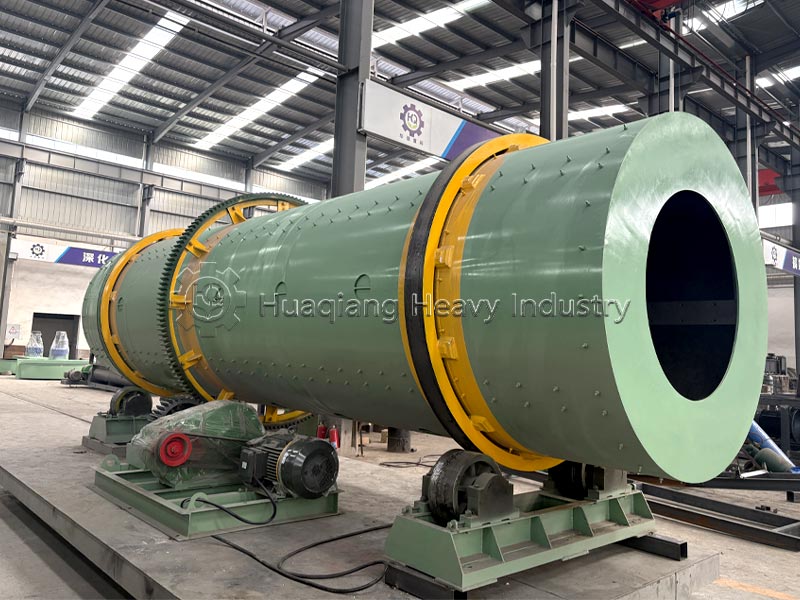
The stable and efficient operation of the rotary drum dryer relies on a scientifically sound structural design, with each core component working in tandem to form a complete drying system. The drum itself, the core of the equipment, is made of heat-resistant materials, capable of withstanding high-temperature drying environments. The internal lifting plates are key components for improving drying efficiency—they repeatedly lift and sprinkle the material as the drum rotates, significantly increasing the contact area between the material and the hot air. The transmission device, composed of a motor, reducer, gears, and rollers, provides stable rotational power to the drum, ensuring uniform drum speed and consistent material drying. The inlet and outlet respectively handle the entry of materials to be dried and the discharge of dried materials, ensuring smooth material flow. The heat source device provides high-temperature hot air for the drying operation, offering multiple options to choose from, such as coal, fuel oil, natural gas, or electric heating, flexibly adapting to different energy supply scenarios based on actual production conditions. The support device uses a combination of rollers and support wheels to stably support the drum body, reducing frictional losses during rotation and ensuring long-term stable operation of the equipment. The sealing device effectively prevents hot air and material leakage, avoiding energy waste and improving thermal efficiency. Furthermore, the control system ensures a stable and controllable drying process through precise regulation of parameters such as temperature and rotation speed.

The working principle of the drum dryer is based on efficient heat exchange, with a clear and easily controllable process. When the material to be dried enters the drum body through the inlet, the transmission device drives the drum to rotate slowly. During rotation, the lifting plates inside the drum continuously lift the material to a certain height before scattering it, forming a uniform material curtain and keeping the material in a tumbling state. Meanwhile, the heat source continuously supplies high-temperature hot air into the drum, allowing the material and hot air to come into full contact and undergo direct heat exchange—the moisture or solvent in the material is rapidly evaporated, thus achieving the drying goal. The dried material is discharged from the outlet under the driving force of the rotating drum; the hot air carrying moisture is discharged through the exhaust gas treatment system. The entire process is continuous and efficient, meeting the drying needs of large-scale materials.

The unique structure and working principle give the drum dryer many significant features, enabling it to adapt to the complex drying needs of multiple industries. High drying efficiency is its core competitiveness. Through direct contact between hot air and material, it achieves high thermal efficiency and fast drying speed, while also possessing a large throughput advantage, easily handling the drying tasks of large batches of materials. It is highly adaptable, capable of processing various materials of different particle sizes and shapes, whether chemical raw materials, mine tailings, food raw materials, agricultural straw, or building material clinker, achieving stable drying. The equipment structure is relatively simple, with a reasonable layout of core components, convenient operation, and low maintenance costs, significantly reducing the operational and maintenance pressure on enterprises. The availability of multiple heat sources further enhances its flexibility, allowing for flexible switching based on regional energy conditions and cost budgets to adapt to different production scenarios. Furthermore, the equipment offers high operational flexibility; by adjusting parameters such as drum speed and hot air temperature, the degree of drying can be precisely controlled to meet the drying standards of different materials. It is important to note that this equipment is characterized by high energy consumption, which is significant when processing large quantities of materials, a factor that enterprises need to consider carefully during application.

From raw material drying in the chemical industry to finished product dehydration in the food industry, from tailings treatment in the mining industry to straw solidification in the agricultural sector, the drum dryer, with its core advantages of high efficiency, stability, and flexibility, provides strong support for the smooth operation of production processes in various industries. Against the backdrop of industrial production transforming towards large-scale and intensive operations, this versatile drying equipment, through continuous optimization and upgrades, adapts to new production demands, becoming one of the important pieces of equipment driving high-quality industrial development.

Integrated Process: Drying in Fertilizer Manufacturing Lines

The rotary drum dryer is a vital component in comprehensive fertilizer production systems, particularly within the npk fertilizer production process and organic fertilizer lines. In an npk fertilizer production line, raw materials are first precisely proportioned using a npk blending machine or npk bulk blending machine before granulation. If a wet granulation method, such as a disc granulation production line utilizing a disc granulator for shaping, is employed, the resulting moist granules must be dried to achieve storage stability. This is where the drum dryer becomes essential, removing excess moisture after the disc granulator machine or similar equipment.

The need for drying varies by technology. In a roller press granulator production line that uses a double roller press granulator for dry compaction, the dryer may be omitted, as the process requires low-moisture feedstock. Conversely, in an organic fertilizer production line or bio organic fertilizer production line, the feedstock often comes from a windrow composting machine (or windrow machine). If subsequent granulation adds moisture, drying is again necessary. Therefore, the integration of a dryer is a strategic decision based on the chosen granulation technology within the overall npk fertilizer line or organic system.

This highlights the interconnectedness of equipment in fertilizer manufacturing. The dryer is not a standalone unit but a critical link that ensures the product from the granulator meets market standards for moisture content, durability, and shelf life.

Oil Palm Empty Fruit Bunch (OPEFB): Unlocking the Value of a Versatile Agricultural Byproduct

As a major byproduct of the palm oil industry, Oil Palm Empty Fruit Bunch (OPEFB) was once regarded as a cumbersome waste, with millions of tons generated annually worldwide. Composed of lignocellulosic biomass—cellulose, hemicellulose, and lignin—along with essential nutrients, OPEFB has evolved from an environmental burden to a high-value resource. Its diverse applications span bioenergy, chemical synthesis, agriculture, and environmental remediation, embodying the principles of circular economy and sustainable development in the palm oil industry.

Bioenergy production stands as one of the most mature and widely adopted uses of OPEFB. After briquetting to enhance fuel properties like moisture content and heating value, OPEFB can be gasified in fluidized bed gasifiers to produce bio-syngas, a mixture of hydrogen, carbon monoxide, and methane with a heating value of 4-8 MJ/Nm³. This bio-syngas serves as a clean alternative to fossil fuels for power generation and heating. Additionally, OPEFB gasification concurrently yields high-quality biochar, which further expands its energy and agricultural utility, creating a dual-output energy solution.

In the chemical industry, OPEFB’s lignocellulosic composition makes it a promising feedstock for high-value compounds. Cellulose in OPEFB can be converted into levulinic acid, a versatile precursor for biofuels, plastics, pharmaceuticals, and food additives. Hemicellulose, on the other hand, transforms into furfural, a key building block for synthesizing chemicals and a solvent in industrial processes. Studies show that ammonia expansion pretreatment of OPEFB for such conversions achieves a 28.62% internal rate of return and a 2.56-year payback period, demonstrating strong economic viability.

Agriculture benefits from OPEFB’s nutrient-rich nature, particularly in organic fertilizer production. OPEFB fiber waste, when blended with molasses, noni fruit, and cattle urine, undergoes anaerobic incubation to produce liquid organic fertilizer (LOF) rich in nitrogen, phosphorus, and potassium. Optimal formulations can deliver up to 485 ppm nitrogen and 1007 ppm potassium, significantly boosting plant growth and soil health while replacing harmful inorganic fertilizers. This application closes the nutrient loop in agriculture, turning waste into a soil enhancer.

OPEFB also excels in environmental remediation, especially as a filtration medium for water treatment. Its fibrous structure makes it ideal for purifying urban stormwater; a 50:50 mix of OPEFB and river sand removes 94% of ammoniacal nitrogen, 84% of biochemical oxygen demand (BOD), and 59% of chemical oxygen demand (COD). Post-water washing and backwashing, this dual-medium filter can upgrade stormwater quality from Class III to Class I, making it suitable for water supply and ecological conservation.

The multifaceted uses of OPEFB not only mitigate the environmental impact of palm oil production but also create new economic opportunities. By valorizing this abundant byproduct, the industry reduces waste disposal costs, lessens reliance on fossil fuels, and promotes sustainable practices. As technology advances in pretreatment and conversion processes, OPEFB’s potential will continue to expand, solidifying its role as a cornerstone of a greener, more circular palm oil industry.

Industrial Processing of OPEFB into Granular Fertilizer

To transform the nutrient-rich compost derived from Oil palm empty fruit bunch (OPEFB) into a commercial-grade product, integration into a formal organic fertilizer manufacturing system is essential. The processed and composted OPEFB fibers are a primary feedstock for a dedicated organic fertilizer production line. The final stage of this line involves granulation to create uniform, market-ready pellets. This is typically achieved using specialized shaping equipment.

A common and effective method is the organic fertilizer disc granulation production line, where the moist, compost-based mixture is fed onto a rotating inclined disc. As the disc turns, the material agglomerates into spherical granules through a tumbling and layering action. The specific organic fertilizer granulator machine selected—whether a disc, drum, or extruder—determines the final granule’s density, size, and application properties, adding significant value to the recycled palm biomass.

This systematic approach closes the loop on palm oil waste, demonstrating how agricultural by-products can be efficiently channeled through industrial processes to create sustainable, high-value organic fertilizers that support soil health and circular economy goals.

Fermentation Composting Machines: Driving Sustainable Fertilizer Production

In the pursuit of sustainable agriculture, farm waste management has become a critical task, and agricultural waste composting and fermentation machines have emerged as game-changers. These innovative devices efficiently transform agricultural by-products such as manure and crop residues into nutrient-rich compost, revolutionizing how farmers handle waste while promoting environmentally friendly fertilizer production. By precisely controlling temperature, humidity, and oxygen levels, they shorten the decomposition cycle from months to weeks, addressing environmental concerns, reducing labor costs, and offering scalable solutions suitable for both small farms and large-scale industrial operations.

Various types of machines and technologies cater to different agricultural needs, each with its unique advantages. Vertical or enclosed fermentation tanks utilize enclosed vessels with forced ventilation and heat recovery systems to create optimal fermentation conditions. This enclosed design prevents contamination, retains heat, and accelerates the fermentation process to just 7-15 days, making it ideal for operations focused on efficiency and environmental compliance. Windrow and forklift-type compost turning machines are designed for large-scale production; they mechanically turn long rows of organic material, ensuring even aeration and mixing, laying the foundation for thorough decomposition.

Fermentation film winding machines offer a practical solution for open-air compost piles, especially in colder climates. By covering the compost piles with a layer of nanofilm, they retain heat, preserve moisture, and suppress odors, effectively accelerating fermentation even in low temperatures. Together, these technologies form a comprehensive toolkit for transforming agricultural waste into valuable resources.

The key features of these machines deliver tangible benefits to farmers and the environment. Speed ​​is a prominent advantage—reducing composting time from months to 7-15 days significantly increases production efficiency. Enclosed systems and specialized films minimize odors and pests, helping to meet stringent environmental standards. During the fermentation process, temperatures in the thermophilic phase reach 60-80°C, killing pathogens and producing high-quality, nutrient-rich organic fertilizer, thereby improving soil health. Automated operation and corrosion-resistant stainless steel construction reduce labor requirements and extend machine lifespan, while its versatility allows it to handle a variety of waste materials, including manure, sludge, straw, and food waste. This flexibility makes it indispensable in diverse agricultural and waste management scenarios.

The general workflow of these machines follows a simplified sequence. Waste is first automatically loaded into the equipment, then an aeration system (sometimes using heated air) and mixing blades ensure sufficient oxygen is provided to the aerobic microorganisms, which are the key drivers of the decomposition process. Microbial activity generates heat, initiating a high-temperature phase that kills pathogens. After the initial rapid fermentation, a secondary cooling and maturation phase completes the decomposition of organic matter. Finally, the finished compost is discharged, ready for direct use or packaging.

Agricultural waste composting and fermentation equipment bridges the gap between waste management and sustainable agriculture. They transform potential pollutants into valuable fertilizers, reducing environmental impact and increasing agricultural efficiency, paving the way for a greener and more productive agricultural future.

From Composting to Commercial Fertilizer Product

The matured compost produced by these machines is the foundational raw material for a complete organic fertilizer fermentation process. To commercialize this compost, it must be integrated into a broader production system. The cured material from a windrow composting machine, a large wheel compost turning machine, or a more advanced trough-type aerobic fermentation composting technology system (collectively representing advanced fermentation composting turning technology) becomes the feedstock for value addition.

This compost then feeds into the comprehensive suite of equipments required for biofertilizer production. For shaping the material into a marketable form, a disc granulation production line is commonly used to create spherical granules. Alternatively, a flat die press pellet machine for sale can produce dense cylindrical pellets via extrusion. The entire system, from initial decomposition in an agriculture waste compost fermentation machine or a self propelled compost production machine to final granulation, exemplifies modern fermentation composting technology for organic fertilizer, closing the loop from waste to valuable agricultural input.

This integrated approach ensures that farm waste is not merely processed but systematically upgraded into a standardized, easy-to-handle fertilizer product, maximizing resource recovery and supporting a circular economy in agriculture.

Disc granulator: A key equipment for effectively optimizing organic fertilizer production

The disc granulator, with its adaptability to organic fertilizer materials and process advantages, can optimize the production process from multiple dimensions, including efficiency, quality, and cost. It is the preferred equipment for small and medium-sized organic fertilizer production lines, and its optimizing effect spans the entire granulation process.

Optimized molding efficiency and raw material utilization. Organic fertilizer raw materials are mostly fermented and decomposed animal manure and crop residues, which are loose in texture and have uneven viscosity. The disc granulator allows the materials to quickly roll and aggregate into granules, with a molding rate of over 85%. It does not require a large amount of binder, reducing the impact of exogenous additives on the purity of organic fertilizer, while reducing raw material waste and improving production continuity.

Significantly improved quality of finished organic fertilizer. The finished granules produced by the disc granulator are uniform, round, and have moderate strength, avoiding the problems of easy breakage and dust generation during transportation, and ensuring even nutrient release during application. In addition, trace elements can be mixed simultaneously during the granulation process, making the organic fertilizer more comprehensive in nutrients.

Adaptable to the flexibility and cost control needs of organic fertilizer production. Its equipment structure is simple and easy to operate, and parameters can be quickly adjusted to adapt to different organic fertilizer raw materials. It can efficiently process both pure organic materials and organic-inorganic mixed materials. Furthermore, the equipment occupies a small area and has low energy consumption, making it suitable for small and medium-sized production lines and effectively reducing initial investment and subsequent operating costs.

In summary, the disc granulator can accurately match the characteristics of organic fertilizer production, achieving synergistic optimization of efficiency, quality, and cost, providing reliable support for organic fertilizer production.