Is Bokashi Better Than Composting?

In the realm of home composting, a frequent question arises: “Is Bokashi better than traditional composting?” The answer is not a simple “yes” or “no.” Rather than viewing them as competitors, it’s more helpful to see them as complementary tools designed for different needs and scenarios. Understanding their respective strengths and limitations is key to choosing the best method for you.

Core Difference: Process and Principle
The fundamental distinction lies in their core processes:

Bokashi Composting is a two-stage anaerobic fermentation process. First, kitchen waste is mixed with inoculated bran containing Effective Microorganisms (EM) in an airtight bucket. Over about 2-4 weeks, it undergoes lactic acid fermentation, transforming into “pre-compost” and a liquid fertilizer called “Bokashi tea.” Second, this pre-compost must be buried in soil or added to a traditional compost pile for an additional 2-4 weeks of aerobic decomposition before it becomes usable compost for plants.

Traditional (Aerobic) Composting is a direct, single-stage oxidation process. Organic matter (like yard waste and vegetable peels) decomposes through the action of oxygen, moisture, and microbes, resulting directly in finished compost ready for the garden.

The Distinct Advantages of Bokashi
The Bokashi method excels in several areas, making it particularly suited to modern urban living:

Unmatched Waste Scope: It can safely and odorlessly process almost all kitchen scraps, including meat, fish, dairy, cooked foods, and bones—materials that are problematic in traditional compost—enabling true kitchen “zero waste.”

Indoor-Friendly, Clean and Fast: The entire fermentation stage occurs in a sealed bucket, producing no foul odors or attracting pests, making it ideal for apartments, kitchens, or small balconies. The initial conversion is also quicker (2-4 weeks).

Dual Outputs: Beyond the final soil amendment, it produces Bokashi tea—a valuable byproduct that, when diluted, serves as a potent liquid fertilizer or natural cleaner.

Superior Environmental Benefits: Its closed anaerobic process is more effective at minimizing greenhouse gas emissions (like methane), resulting in a lower carbon footprint compared to open-air traditional piles or landfills.

The Irreplaceable Strengths of Traditional Composting
However, traditional composting remains vital due to its simplicity and reliability:

Direct Process, One-Step Result: The compost is ready to use immediately upon completion, requiring no secondary processing. For gardeners, this is the most straightforward recycling method.

Low Cost, Easy Start-Up: It requires almost no ongoing purchase of specialized additives (like Bokashi bran) beyond a compost bin or a dedicated pile, relying primarily on naturally occurring microbes.

Excellent for Bulk “Browns”: A traditional compost pile is the most economical and effective way to handle large volumes of “brown” (carbon-rich) materials like yard trimmings, weeds, and fallen leaves.

Higher Fault Tolerance: It doesn’t demand an airtight seal. Even with less meticulous management (e.g., infrequent turning), the material will eventually break down, albeit more slowly.
How to Choose? The Key is Your “Context”
Therefore, determining which method is “better” depends entirely on your specific situation:

Choose Bokashi Composting if you: Live in an urban apartment with limited outdoor space; regularly generate mixed kitchen waste containing meat and leftovers; desire a fast, clean, indoor solution; and have a way to complete the second step (e.g., a garden bed, planter for burying, or access to a community composting system).

Choose Traditional Composting if you: Have a yard or ample outdoor space; your waste primarily consists of plant-based garden debris and fresh fruit/vegetable scraps; and you want the lowest-cost, simplest process to obtain compost.

The Best Strategy: Combining Strengths
In fact, many experienced gardeners adopt a hybrid strategy to maximize the benefits of both: Use a Bokashi bucket to process all tricky kitchen wet waste (especially animal products), then add the resulting pre-compost and Bokashi tea to a traditional compost pile. The pre-compost acts as a powerful “fermentation starter” and nitrogen source, significantly accelerating the decomposition and enhancing the fertility of the traditional pile. This approach solves the problem of sorting kitchen waste while producing large quantities of high-quality compost—a true win-win.
Bokashi composting is not an “upgraded replacement” for traditional composting but rather a powerful complementary and pre-treatment technology. It expands the boundaries of home composting, making food scrap recycling more comprehensive and convenient. By assessing your space, waste stream, and lifestyle, you might find that the best answer isn’t an either/or choice, but a clever way to let both methods work in synergy, building a more sustainable waste-cycle system together.

Conclusion: Integrating Composting Methods for Maximum Impact

Ultimately, the choice between Bokashi and traditional composting isn’t about superiority but about strategic integration. The hybrid approach—using Bokashi for kitchen waste pre-treatment followed by traditional aerobic decomposition—represents the pinnacle of home-scale fermentation composting technology for organic fertilizer. This synergistic method creates a complete waste-to-resource cycle that is both efficient and environmentally robust.

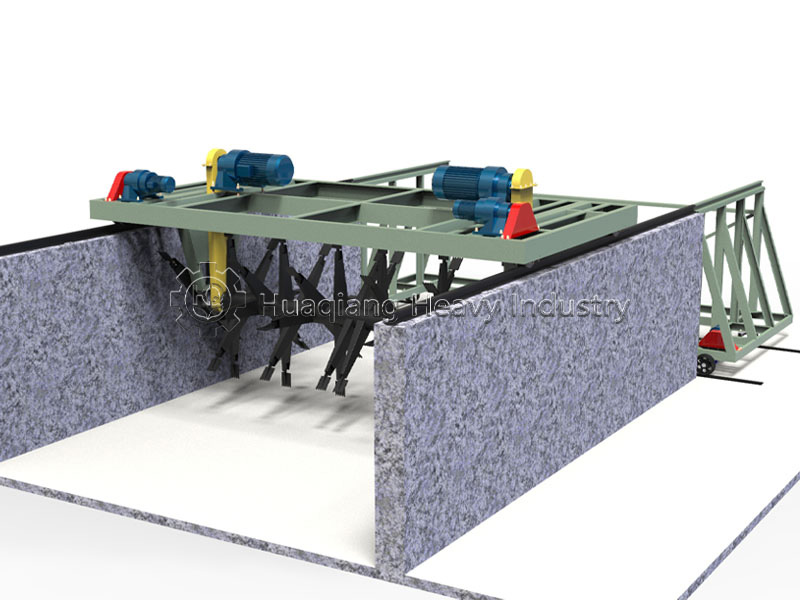
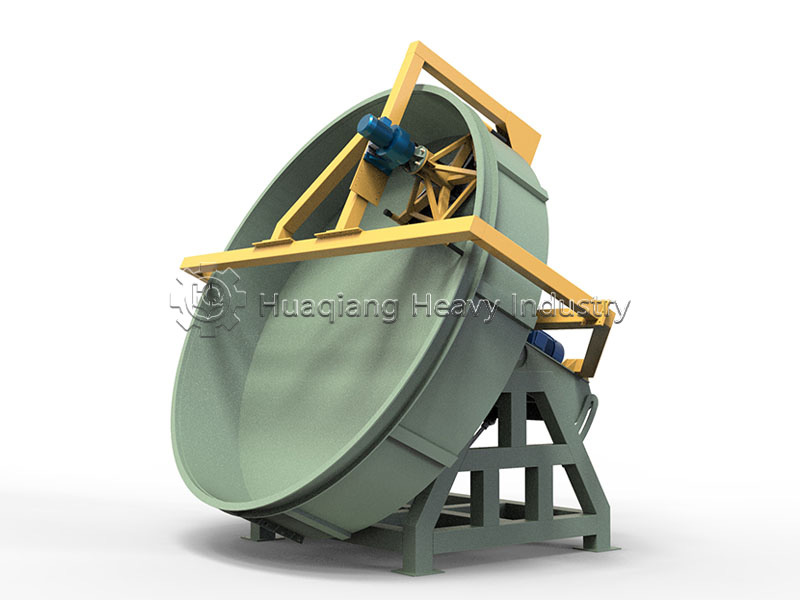
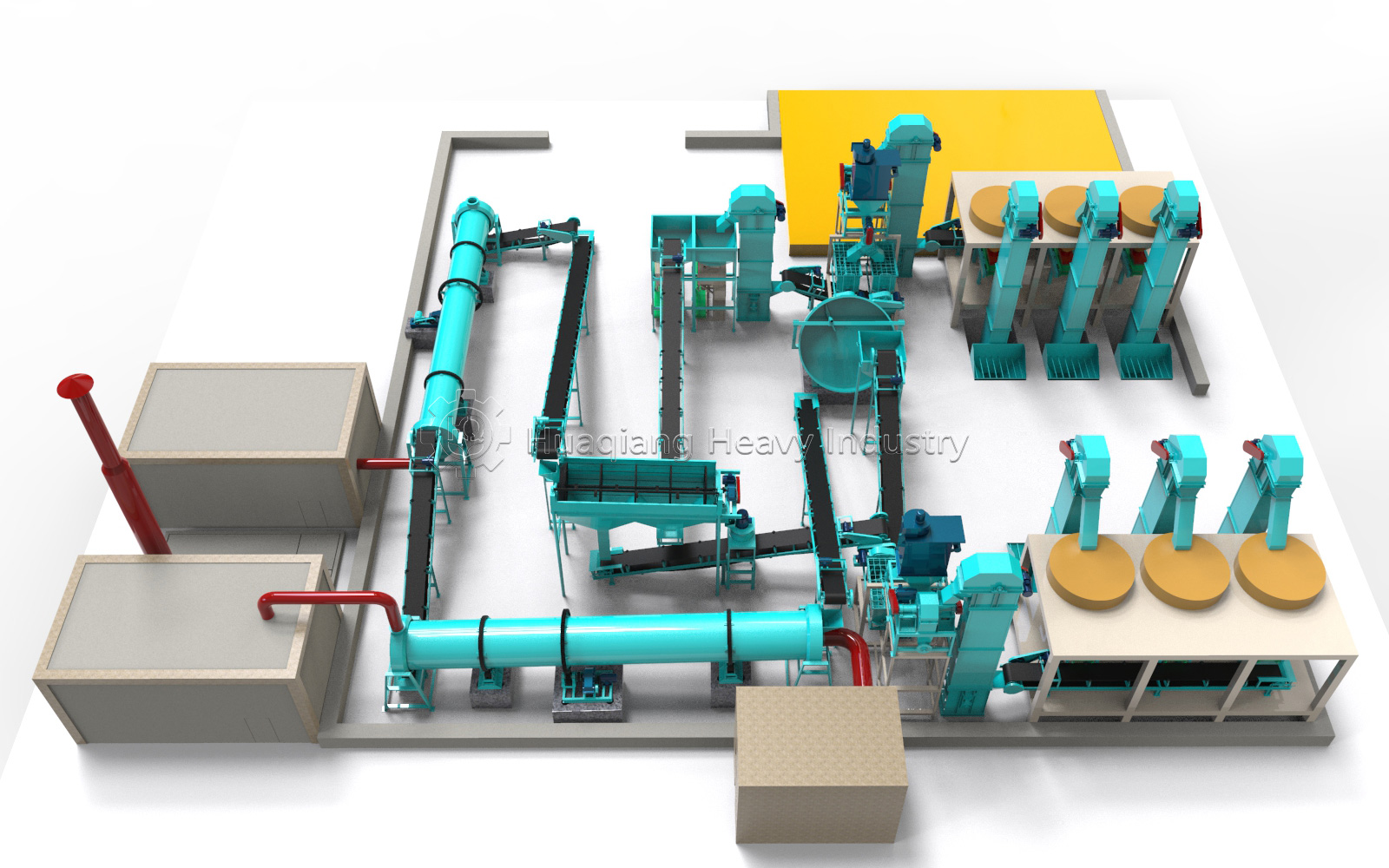
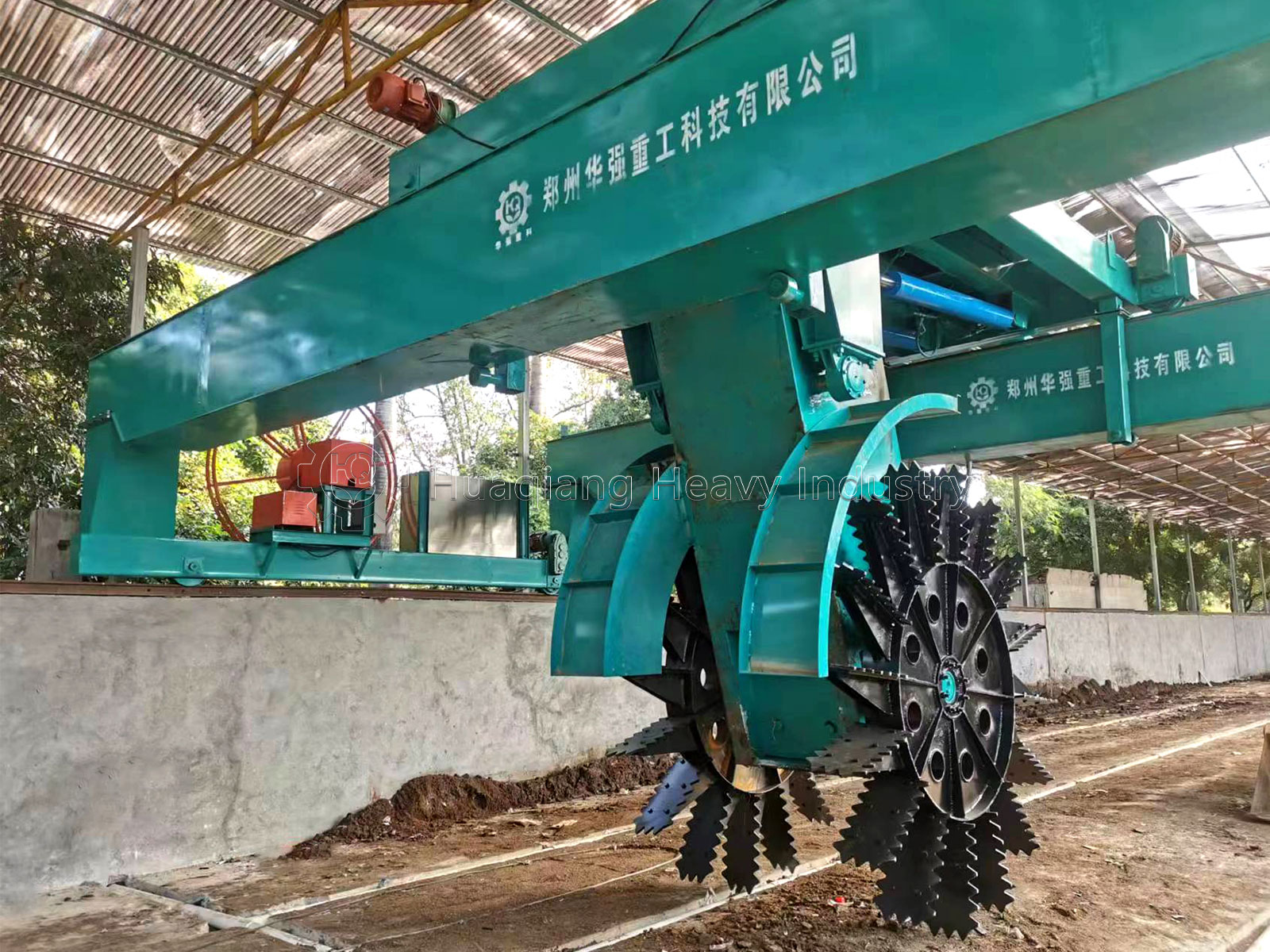
For larger-scale operations or community gardens, this integration can be enhanced with professional fertilizer making machine equipment. The pre-compost from Bokashi fermentation can be efficiently processed in a traditional windrow system using a windrow compost turner, trough-type compost turner, or large wheel compost turning machine to optimize the fermentation composting turning technology. For those looking to produce commercial organic fertilizers, the resulting compost can be further refined using a drum organic fertilizer dryer and shaped into uniform pellets with a disc granulator for shaping as part of a complete disc granulation production line.

This comprehensive approach leverages the strengths of both methods while incorporating advanced fertilizer granulation technology. Whether at home with simple buckets or at scale with industrial equipments required for biofertilizer production, the combination of anaerobic pre-treatment and aerobic finishing creates superior soil amendments, closing the nutrient loop sustainably and effectively.

Integrated Technologies: trough-type compost turner, large wheel compost turner, chain compost turner, disc granulation production line, equipments required for biofertilizer production, large wheel compost turning machine, fertilizer granulator, drum organic fertilizer dryer, fertilizer making machine, fermentation composting technology for organic fertilizer, fermentation composting turning technology, windrow compost turner, multiple silos single weigh static batching system, fertilizer granulation technology, disc granulator for shaping.

Intelligent Regulation and Adsorption: A Green Revolution in Nitrogen Fertilizer Use

 Introduction: From Extensive Application to Intelligent Supply

Nitrogen is a key element for crop growth, but the global average utilization rate of traditional nitrogen fertilizers is only 30%-50%. A large proportion of unused nitrogen is lost through ammonia volatilization, nitrate leaching, or greenhouse gas emissions, causing significant resource waste and severe environmental pollution. The core solution to this problem lies in achieving precise spatiotemporal matching between nitrogen supply and crop demand. Smart/stabilized fertilizers, centered on intelligent nitrogen regulation and adsorption technologies, are leading a profound agricultural technology revolution. They are no longer simple nutrient carriers but integrated “intelligent nutrient management systems” incorporating multidisciplinary wisdom from materials science, information sensing, and microbiology. Their aim is to maximize fertilizer benefits while minimizing environmental footprints, providing key technological support for the green and sustainable development of agriculture.

I. Intelligent Nitrogen Regulation: Making Fertilizers “Think”

The goal of intelligent regulation technology is to achieve on-demand, timely, and precise release of nitrogen, with its core lying in “sensing” and “responding” to environmental or biological signals.

1. Responsive Slow-Release Regulation: This is an outstanding application of materials science. By designing ingenious coating or carrier materials, fertilizers can be made to “understand” the “language” of crops. For example, urea encapsulated in nanoparticles made of polylactic-co-glycolic acid has a degradation rate regulated by the concentration of specific organic acids (like citric acid) secreted by roots. When root growth is active and nitrogen demand is high, increased citric acid secretion triggers accelerated degradation of the capsule wall, precisely releasing nitrogen. Field trials on corn show this technology can increase the synchronization rate between the nitrogen release curve and the root absorption peak to 92%. Similarly, pH-sensitive hydrogel coating materials can sense micro-changes in rhizosphere pH caused by crop ion uptake and automatically disintegrate when the pH drops to a specific threshold, making them particularly suitable for crops like rapeseed that strongly secrete H⁺ from their roots.

2. Intelligent Monitoring and Regulation: This represents the integration of digital agriculture and precision fertilization. By deploying IoT devices such as optical sensors and soil solution samplers in fields, real-time monitoring of soil nitrogen dynamics and crop nitrogen nutritional status is achieved. This data is fed into models for soil nitrogen transport and crop nutrient diagnosis, forming prediction and early warning systems. Ultimately, an intelligent decision-making system drives fertigation equipment to implement “prescription-based” variable rate fertilization. Trials in Tianjin showed that this technology system reduced nitrogen fertilizer input by over 30% while maintaining vegetable yields, achieving synergy between water/fertilizer saving and yield increase.

3. Microbial Regulation: This method utilizes natural forces for intelligent regulation. It involves inoculating beneficial microorganisms, such as arbuscular mycorrhizal fungi, to establish a symbiotic relationship with crop roots. Their vast hyphal network acts like an “internet” within the soil, greatly expanding the root system’s absorption range. The glomalin-related proteins secreted by the hyphae not only stabilize soil aggregates but also strongly adsorb ammonium nitrogen, significantly reducing gaseous nitrogen loss (by up to 48%), and slowly transferring the captured nitrogen to the host plant, thereby achieving efficient and stable biological nitrogen fixation and supply.

II. Nitrogen Adsorption Technology: Adding a “Safety Lock” to Leaching Nitrogen

While regulating release, how to “lock in” nitrogen that has been released but not yet timely absorbed by roots to prevent its loss is another critical technological challenge. Adsorption technology provides a solution.

Modified Carbon Materials as the Main Force: Materials like activated carbon and biochar possess enormous specific surface areas and rich pore structures, making them naturally excellent adsorbents. Impregnation modification with chemicals like boric acid and potassium sulfate can further enhance their targeted adsorption capacity for ammonia or nitrate. For instance, using modified activated carbon compounded with diatomaceous earth to create a fertilizer coating can convert volatilized ammonia in situ into more stable ammonium nitrogen, reducing losses to the atmosphere. Mixing modified biochar with bentonite to create a deep-layer barrier material placed in the soil profile can efficiently intercept nitrate leaching with water, with an adsorption capacity of up to 35 mg/g, minimizing the risk of deep leaching.

Composite Matrices Constructing Synergistic Defenses: Single materials have limited performance; compositing is the trend. Scientifically combining materials such as biochar, humic acid, diatomaceous earth, and activated clay can construct functionally complementary “sponge plow layers” or fertilizer coatings. This structure can not only physically adsorb and chemically bind various forms of nitrogen but also improve soil structure and enhance overall water and nutrient retention capacity, achieving a win-win for “loss control” and “soil improvement.”

III. Synergistic Application: The Birth of Smart/Stabilized Fertilizers

Intelligent regulation and adsorption technologies do not exist in isolation; their organic combination has given rise to a new generation of smart/controlled-release fertilizers. For example, a 16-16-16 compound fertilizer might use fast-acting nutrients as its core, first coated with a layer of modified biochar to adsorb prematurely released nitrogen, and then covered with a pH-responsive smart coating to control nutrient release time. Another design involves directly embedding microbial agents (e.g., plant growth-promoting rhizobacteria) compounded with biochar into the fertilizer granules, simultaneously exerting biological regulatory effects to enhance nutrient absorption and preventing nutrient loss through physical adsorption.

Field application data demonstrates their superior performance: compared to traditional fertilizers, these smart fertilizers can reduce nitrogen leaching by 56.9%-78.7%, reduce ammonia volatilization by more than 35%, and increase nitrogen fertilizer utilization efficiency by more than 20 percentage points. These fertilizer granules also possess better physical strength (e.g., compressive strength reaching 3.8 MPa), facilitating mechanical application and storage.

Conclusion: The Era of Intelligent Fertilizer Design

The advancement of intelligent nitrogen regulation and adsorption technologies signifies a transformative shift in fertilizer science—from conventional formulation to precision intelligent design. These innovations transform fertilizers from passive nutrient carriers into active management systems that respond dynamically to crop needs and environmental conditions.

This evolution is fundamentally reshaping the npk fertilizer manufacturing process. Modern npk fertilizer production line systems now integrate intelligent materials with advanced fertilizer granulation equipment. Key technologies like the fertilizer roller press machine and npk granulation machine technology enable precise control over nutrient release profiles within the manufacturing of npk fertilizer.

Such innovations in npk fertilizer production technology support both agricultural efficiency and environmental sustainability. As these technologies mature through integration with materials science and biotechnology, they will drive the development of smarter, more responsive npk fertilizer machine equipment, contributing significantly to sustainable agriculture and ecological balance.

Integrated Technologies: npk fertilizer granulator machine, npk bulk blending machine, npk fertilizer granulator, npk granulation machine technology, npk fertilizer manufacturing process, npk fertilizer production line, fertilizer granulation, npk fertilizer machine, bulk blending fertilizer machine, manufacturing of npk fertilizer, npk fertilizer production technology, fertilizer roller press machine, npk fertilizer granulator machine equipment

The Dual Meaning and Impact of Fertilizer Compaction

In the agricultural field, the term “fertilizer compaction” encompasses two distinctly different concepts: one is a beneficial process in fertilizer manufacturing—compaction granulation—and the other is a negative environmental problem caused by long-term fertilization—soil compaction. Although the names are similar, their principles, effects, and countermeasures are vastly different.

Fertilizer Compaction Granulation: A Manufacturing Process to Enhance Efficiency

Fertilizer compaction granulation is a production technology that transforms powdered fertilizer raw materials into dense, uniform granules through high-pressure physical action. This process is a core component of modern compound fertilizer (such as NPK fertilizer) production.

The process mainly consists of three steps: First, powdered raw materials such as nitrogen, phosphorus, and potassium are thoroughly mixed according to the formula to ensure uniform nutrient distribution. Next, the mixed powder is fed between a pair of counter-rotating rollers, where it is compressed into solid sheets under high pressure without additional heating or humidification. Finally, these sheets are crushed and then sieved through vibrating screens of different mesh sizes to obtain finished fertilizers with uniform particle size.

This technology has multiple core advantages. The granular fertilizers produced have a high nutrient concentration, significantly increasing the effective nutrient content per unit mass. The granular form also greatly reduces dust pollution during production, transportation, and application. At the same time, the uniform particle size helps achieve precise and uniform fertilization, improving crop absorption efficiency. From an environmental perspective, the entire process does not require heating or humidification equipment, reducing energy consumption and carbon emissions. In addition, the formula can be flexibly adjusted according to the needs of different crops and soils, enabling “customized” fertilizer production.

Soil Compaction Caused by Fertilization: An Ecological Problem Requiring Urgent Attention

On the other hand, soil compaction refers to the negative phenomenon caused by long-term application of chemical fertilizers, resulting in the accumulation of mineral salts in the soil, leading to reduced soil porosity, increased density, and hardened soil structure.

Its formation stems from two key processes: first, the accumulation of mineral salts. A large number of mineral ions in chemical fertilizers (such as ammonium ions, sulfate ions, and chloride ions) remain in the soil after being absorbed by crops. Second, soil colloid aggregation occurs. These ions react with soil colloids, disrupting the soil’s aggregate structure, causing soil particles to compact tightly, drastically reducing the number of large pores, and ultimately forming a hard, compacted layer.

Soil compaction has far-reaching consequences. It hinders the normal circulation of air and water, leading to poor soil aeration and permeability, affecting crop root respiration. Hardened soil also restricts root growth, resulting in shallow roots and weakening the crop’s ability to absorb water and nutrients. Furthermore, microbial activity is inhibited in compacted soil, affecting the transformation of organic matter and slow-release nutrients, leading to low fertilizer utilization efficiency and ultimately destroying the soil ecosystem composed of earthworms, beneficial bacteria, and other organisms.

Comprehensive Strategies to Address Soil Compaction

Solving soil compaction requires comprehensive improvement measures. On the one hand, specialized soil improvement products can be used, such as some lawn care products, which typically contain biostimulants and surfactants. Biostimulants promote the reproduction of beneficial microorganisms and decompose compacted soil aggregates; surfactants reduce the surface tension of water, improving the penetration of water and nutrients in compacted soil. These products are more effective when applied in moist soil environments.

On the other hand, improving agricultural management practices is crucial. This includes promoting the combined application of organic and chemical fertilizers, supplementing organic matter through the application of compost (such as oil palm empty fruit bunch compost) and farmyard manure to improve soil structure. Adopting reduced tillage or no-till techniques can reduce mechanical damage to the soil structure, protecting soil pores and the microbial environment. Implementing crop rotation and planting green manure crops (such as clover and vetch, which are legumes) can both fix nitrogen and improve soil structure through root growth.

In summary, “fertilizer compaction” has a dual nature in agricultural production. As a manufacturing process, compaction granulation is a positive technology that improves fertilizer performance and promotes clean production. However, as an environmental problem, soil compaction is an ecological challenge caused by over-reliance on chemical fertilizers, requiring scientific improvement and sustainable agricultural practices to address it. Clearly distinguishing between these two aspects is crucial for promoting the development of agriculture towards efficiency and environmental protection.

Conclusion: Bridging Production Technology with Soil Health

The dual meaning of “fertilizer compaction” encapsulates modern agriculture’s central challenge: producing nutrients efficiently while preserving soil ecosystems. Industrial fertilizer compaction via specialized equipment like a fertilizer compaction machine or roller press granulator production line is fundamental to the npk manufacturing process. This fertilizer production machine technology—whether utilizing a drum granulator for drum granulation or a fertilizer compactor for dry fertilizer granules compaction—enables precise, dust-free manufacturing of npk fertilizer. Such npk fertilizer production technology enhances nutrient delivery and minimizes environmental footprint during production.

Conversely, preventing soil compaction requires integrating organic solutions. Equipment like a chain compost turning machine or large wheel compost turning machine becomes essential for producing compost to rebuild soil structure, complementing the output from fertilizer processing machine lines. Thus, the synergy between advanced granulation technologies (like the rotary drum granulator) and organic matter management creates a balanced system—where high-efficiency production supports, rather than undermines, long-term soil vitality and sustainable crop yields.

Integrated Technologies: fertilizer granules compaction, fertilizer compaction machine, npk manufacturing process, rotary drum granulator, roller press granulator production line, drum granulator, npk fertilizer production technology, drum granulation, fertilizer compaction, fertilizer compactor, chain compost turning machine, fertilizer production machine, manufacturing of npk fertilizer, fertilizer processing machine, large wheel compost turning machine.

Functional/Specialty Fertilizers: A Quick Guide

Functional/specialty fertilizers are a category of fertilizers that combine nutrient supply with specific physiological functions. Their core is based on macro- and micro-elements like nitrogen, phosphorus, and potassium, with the addition of functional components such as humic acid, seaweed extract, biochar, and silicon, or modified using special processes like magnetization and activation. This achieves the dual goals of “fertilization + solving specific production problems,” meeting the needs of modern agriculture for enhancing crop resistance, improving soil quality, and optimizing agricultural product quality.

Core Categories and Mechanisms of Action

The function of functional/specialty fertilizers is strongly correlated with their added core components. Different categories address different production pain points. Common types include:

Humic Acid-Containing Fertilizers

Core Components: Humic acid (mainly fulvic acid and brown humic acid) extracted from peat, lignite, and weathered coal.

Dual Functions

Nutrient Supply: Can be combined with nitrogen, phosphorus, and potassium to create humic acid compound fertilizer, providing essential nutrients for crop growth.

Soil Improvement + Growth Stimulation: The functional groups of humic acid can adsorb heavy metal ions in the soil, reducing the risk of soil pollution; it also promotes the formation of soil aggregates, improving soil permeability and water and fertilizer retention capacity; and it stimulates root cell division, enhancing root absorption capacity and strengthening crop drought and cold resistance.

Applicable Scenarios: Improvement of saline-alkali land and compacted soil; base fertilizer or top dressing for field crops and fruit trees.

Contains Alginic Acid Fertilizer

Core Ingredients: Natural bioactive substances (algal polysaccharides, amino acids, cytokinins, etc.) extracted from seaweed such as kelp and algae. Dual Functions

Nutrient Supply: Seaweed itself contains nitrogen, phosphorus, potassium, and trace elements such as zinc and boron, which can directly supplement crops with nutrients.

Stress Resistance and Yield Promotion + Quality Improvement: The bioactive substances in alginic acid can activate the crop’s own defense system, enhancing resistance to pests and diseases, lodging resistance; promoting fruit enlargement and coloring, increasing fruit sugar and vitamin content, and improving the flavor of agricultural products.

Applicable Scenarios: Foliar spraying or fertigation for cash crops such as fruits, vegetables, and flowers; restorative fertilization during periods of crop stress (drought, low temperature).

Silicon Fertilizer

Core Components: Soluble silicon compounds such as monosilicic acid, potassium silicate, and calcium silicate (distinct from the insoluble silicon in traditional silicon ores).

Dual Functions

Nutrient Supply: Silicon is a “beneficial element” for crops (especially important for silicon-loving crops like rice, wheat, and sugarcane), participating in cell wall synthesis;

Stress and Disease Resistance + Lodging Resistance: Silicon deposits in crop epidermal cells, forming hard “silicified cells,” enhancing stem toughness and reducing the risk of lodging; it also blocks pathogen invasion, reducing the occurrence of diseases such as rice blast and wheat powdery mildew; and it can reduce fruit deformities and cracking rates in fruits and vegetables.

Applicable Scenarios: Rice, wheat, corn, and other gramineous crops; cucumbers, tomatoes, and other greenhouse vegetables.

Biochar-Based Fertilizer

Core Components: Biochar, produced by high-temperature pyrolysis of biomass (straw, sawdust, livestock manure, etc.) under anaerobic conditions, combined with organic or chemical fertilizers.

Dual Functions

Nutrient Supply: Biochar’s pores adsorb and fix nutrients such as nitrogen, phosphorus, and potassium, slowly releasing them for crop absorption.

Carbon Fixation and Soil Improvement + Fertilizer Retention and Efficiency Enhancement: Biochar’s porous structure improves soil permeability, adsorbs soil salts, and alleviates secondary salinization in greenhouse agriculture soils; it also fixes atmospheric carbon, achieving “carbon sequestration and emission reduction”; and promotes the reproduction of beneficial soil microorganisms, improving soil fertility.

Applicable Scenarios: Soil improvement in greenhouses; fertility enhancement in barren and sandy soils.

Magnetized Fertilizer

Core Technology: Ordinary fertilizers (urea, compound fertilizer) are magnetized using a magnetization device.

Dual Functions

Nutrient Supply: Retains the original fertilizer’s nutrient content, meeting the basic needs of crops.

Nutrient Activation + Enhanced Absorption: The magnetic field alters the form of nutrients in the soil, converting insoluble phosphorus and potassium into soluble forms; it also stimulates root enzyme activity, accelerating nutrient absorption and improving fertilizer utilization.

Applicable Scenarios: Base fertilizer for field crops; areas with severe soil nutrient fixation.

Core Advantages

Multiple Effects in One Application, Solving Specific Production Pain Points

Unlike ordinary fertilizers that only provide nutrients, functional fertilizers can simultaneously achieve “nutrient supplementation + soil improvement + stress resistance + quality improvement and yield increase.” For example, humic acid compound fertilizer can both fertilize and improve compacted soil, saving the cost of applying soil conditioners separately.

Enhancing Crop Stress Resistance and Reducing Pesticide Use

Silicon fertilizers, seaweed extract fertilizers, etc., can enhance the crop’s own disease and stress resistance, reduce the incidence of pests and diseases, and reduce the use of chemical pesticides, aligning with the development direction of green agriculture.

Adapting to Precision Planting Needs

Customized functions for different crops and different soil problems. For example, biochar-based fertilizers are used in greenhouses to improve saline-alkali soils, and seaweed extract fertilizers are used in fruit and vegetable cultivation to improve fruit quality, meeting the differentiated planting needs of modern agriculture.

III. Precautions for Use

Targeted Selection, Avoid Blind Application

Fertilizers should be selected based on soil conditions and crop needs. For example, humic acid fertilizers are preferred for saline-alkali soils, while silicon fertilizers are preferred for paddy fields. Do not blindly pursue “multi-functionality” while neglecting targeted application.

Use in conjunction with conventional fertilizers

Most functional fertilizers have lower levels of macronutrients than ordinary compound fertilizers and must be used in conjunction with conventional fertilizers to meet the nutrient needs of crops throughout their entire growth cycle.

Strictly control the application dosage

Excessive application of some functional ingredients (such as humic acid) can lead to soil microbial imbalance. Follow the dosage instructions on the product packaging to avoid adverse effects.

Conclusion: Integrating Functional Fertilizers into Modern Agriculture

In summary, functional/specialty fertilizers represent a significant advancement in agricultural inputs, moving beyond mere nutrient supply to address specific challenges like soil degradation, crop stress, and quality optimization. Their targeted application—whether humic acid for saline soils or silicon for gramineous crops—enables precise, sustainable crop management.

To fully leverage these advanced formulations, professional fertilizer production machine technology is essential. For instance, a versatile NPK fertilizer production line can be adapted to incorporate functional additives. Critical equipment includes:

  • Disc granulatorsor double roller press granulators for shaping uniform, high-integrity granules that encapsulate both macro-elements and functional components.
  • NPK blending machinesfor homogeneously mixing base nutrients with additives like biochar or seaweed extract.
  • Specialized lines, such as a bio organic fertilizer production linefor humic-acid or biochar-based products, often integrated with windrow composting machines for pre-treatment of organic matter.

Choosing the correct fertilizer granulation processes ensures product stability and efficacy. A roller press granulator production line is ideal for moisture-sensitive materials, while a disc granulator for shaping offers flexibility for organic-inorganic blends.

Ultimately, the synergy between innovative functional fertilizers and professional fertilizer manufacturing equipment paves the way for more resilient, efficient, and sustainable farming systems. By selecting the right fertilizer type and employing precise manufacturing technology, producers can deliver solutions that truly meet the dual goals of nourishment and problem-solving in modern agriculture.

What Is the Production Process of Organic Fertilizer?

Organic fertilizer is a natural product made from decomposing organic materials such as animal and plant residues, livestock manure, and industrial organic waste through microbial fermentation. The process focuses on harmless treatment and nutrient activation, ensuring safety and efficiency. Below is a detailed overview of the complete production process from raw materials to finished products.

1. Raw Material Pretreatment: Laying the Foundation for Fermentation

Pretreatment is the first step, aiming to remove impurities and adjust material properties to create ideal conditions for microbial activity. Raw materials come from diverse sources, including livestock manure, crop straw, and food processing waste. These materials are screened to remove plastics and metals, then crushed into 5-10 mm particles to increase microbial contact area. Moisture content is adjusted to 55%-60% (a state where material holds together when squeezed but breaks apart easily), and the carbon-to-nitrogen ratio is balanced to 25:1-30:1 (e.g., by mixing chicken manure with straw), while pH is maintained at 6.5-7.5. To speed up fermentation, 0.1%-0.5% microbial inoculants like Bacillus subtilis can be added, shortening the cycle and reducing odors.

2. Microbial Fermentation and Decomposition: The Core Harmless Process

Fermentation is the heart of organic fertilizer production, where microbial decomposition achieves harmless treatment and nutrient conversion. Pretreated materials are piled into long rows (2-3 meters wide, 1.2-1.5 meters high) and covered with breathable film for insulation and ventilation. Within 2-3 days, the pile temperature rises to 55-65°C, entering a high-temperature phase that lasts 5-7 days, effectively killing pathogens, insect eggs, and weed seeds. Regular turning (typically 4-6 times) is required to add oxygen, distribute heat evenly, and prevent temperatures from exceeding 70°C, which could harm microbes. After the high-temperature phase, the pile cools to ambient temperature over 7-10 days, with organic matter further converting into stable humus. Completion is indicated by dark brown color, no foul odor, loose texture, and compliance with hygiene standards (e.g., roundworm egg mortality ≥95%).

3. Post-Processing and Refinement: Enhancing Product Quality

Decomposed coarse fertilizer undergoes refinement to meet commercial standards. It is first crushed and sieved to control particle size to 2-5 mm, ensuring uniformity. Then, tests are conducted for heavy metals, pathogens, and nutrient content (organic matter ≥30%, total nutrients ≥5%), which must comply with national standards. Depending on needs, granulation can be applied to produce pelletized fertilizer for easier storage and mechanical application, or additives like humic acid and micronutrients can be incorporated to enhance functionality. If the product has high moisture or odors, drying and deodorizing processes are used to reduce moisture to ≤15%.

4. Packaging and Storage: Ensuring Product Stability

Processed organic fertilizer is weighed and packaged, with common sizes being 25-50 kg bags (for agriculture) or small packages (for home gardening). Labels must clearly show product information, including composition, standards, and production date. Finished products are stored in dry, ventilated warehouses away from chemicals, with stacking height limited to 10 layers to prevent moisture clumping. The entire production process also emphasizes environmental protection, such as treating exhaust gases, leachate, and dust, ensuring sustainable development.

In summary, organic fertilizer production is a systematic bioengineering process, where each step from pretreatment to storage interconnects, ultimately yielding safe and efficient fertilizer to support green agriculture.

Conclusion: The Integrated System of Organic Fertilizer Manufacturing

In summary, organic fertilizer production constitutes a sophisticated, interconnected system where each phase—from initial organic fertilizer fermentation to final packaging—is critical for producing safe, high-quality products. The entire organic fertilizer production line or bio organic fertilizer production line is designed to transform raw organic waste into a stable agricultural resource efficiently. The core fermentation stage relies on advanced fermentation composting turning technology, implemented by robust equipment such as the chain compost turning machine or large wheel compost turning machine, to ensure effective aeration and decomposition.

Subsequent refinement often involves granulation to improve handling and application properties. Here, machinery like the versatile new type two in one organic fertilizer granulator or the high-capacity rotary drum granulator (also referred to as a drum granulator) plays a pivotal role in shaping the final product. Ultimately, the success of organic fertilizer manufacturing hinges on integrating these specialized technologies—from turning machines for decomposition to the appropriate organic fertilizer granulator—into a seamless, environmentally conscious process that supports sustainable agriculture.

How ring die pelleting machines empower the upgrade of organic fertilizer production lines?

Large-scale organic fertilizer production often faces three major challenges: insufficient production capacity to meet market demand, unstable granule quality, and a narrow range of suitable raw materials. The ring die pelleting machine, as a core piece of organic fertilizer production equipment, effectively addresses these problems, becoming a key factor in upgrading organic fertilizer production lines. Its performance advantages are particularly outstanding among fertilizer granulators.

Many organic fertilizer production lines encounter difficulties in raw material processing and low granulation efficiency when scaling up. The emergence of the ring die pelleting machine breaks this deadlock: it can directly process diverse raw materials pre-treated by organic fertilizer production equipment, whether high-fiber straw fermentation materials, high-moisture livestock and poultry manure, or organic-inorganic mixed raw materials. Through the precise interlocking and extrusion of the internal ring die and pressure rollers, it stably forms uniform granules without frequent parameter adjustments, significantly reducing operational difficulty.

Furthermore, the ring die pelleting machine offers superior adaptability within the production line. It seamlessly integrates with automatic batching systems, intelligent temperature-controlled dryers, and grading and screening machines, forming a fully automated operation chain—from raw materials entering the granulation stage to the output of qualified granules, requiring minimal manual intervention. This not only increases hourly production capacity but also avoids quality fluctuations caused by manual operation.

For organic fertilizer companies pursuing standardized production, the ring die pelleting machine is not just a simple fertilizer granulator, but a “core empowering equipment” for the organic fertilizer production line. It solves the efficiency and quality problems in large-scale production and broadens the range of raw materials that can be reused, allowing agricultural waste and industrial organic waste to be efficiently converted into high-quality organic fertilizer.

What is The Main Problem With Bokashi Composting?

Bokashi composting, a popular method for household kitchen waste management, is favored for its speed, odor-free process, and ability to handle a wide variety of organic waste, including small amounts of meat and dairy. However, this method is not without its flaws. A deeper understanding of its main challenges is crucial for determining whether it suits your household and living environment.

  1. The “Pre-Compost” Nature: Incomplete Decomposition
    The most critical and often misunderstood aspect of the bokashi process is that the step completed in the bucket is not the final decomposition. After about two weeks of anaerobic fermentation, what you obtain is a “pre-compost” material. This matter may look similar to the original food scraps but has been pre-fermented by effective microorganisms (EM) like lactic acid bacteria and yeast.

This characteristic means the fermented product cannot be directly used as fertilizer or soil amendment for plants. It must undergo a second crucial step: either be buried in garden soil for at least 2-4 weeks, allowing soil microbes to complete the final breakdown, or be incorporated into a traditional aerobic compost bin/pile to further decompose as a microbe-rich “activator.” Skipping this step and applying the unfinished material directly to plant roots can harm plants due to its high acidity and active decomposition process, potentially “burning” roots and producing unpleasant odors in the soil.

  1. Space Requirements: Not Apartment-Friendly
    The necessity of this second step directly limits the applicability of bokashi composting in certain living situations. For urban dwellers in apartments without private gardens, or even without large soil-filled planters, the instruction to “bury the pre-compost in soil” becomes exceptionally difficult.

While some individuals experiment with large pots or community gardens as a solution, this is not universally feasible. Without an appropriate site for final processing, the entire cycle cannot be completed. This makes bokashi composting better suited for homes with yards, vegetable plots, or easy access to community composting facilities, thereby restricting its widespread adoption in highly urbanized areas.

  1. Process Risks: Potential for Anaerobic Putrefaction
    The success of bokashi relies on creating strict anaerobic conditions within a sealed container to promote the dominance of beneficial microbes like lactic acid bacteria. This process demands careful operation. After each addition of kitchen waste, the scraps must be firmly compressed to minimize air pockets, and the lid must be closed tightly immediately.

If the container is not airtight, if food residue is left on the seal, or if the lid is left open frequently for extended periods, air (oxygen) can enter. This can lead to the growth of harmful anaerobic putrefying bacteria (e.g., those producing hydrogen sulfide), causing the contents to rot and emit a pungent stench reminiscent of rotten eggs or decaying garbage, signaling a failed fermentation. Therefore, it requires users to maintain a degree of operational consistency and diligence.

  1. Ongoing Costs: Dependence on Specialized Bran
    Unlike traditional composting, which relies on naturally occurring microbes, bokashi composting requires a special inoculant: bokashi bran (or bokashi spray). This bran is typically made from rice bran, molasses, and a specific mixture of effective microorganisms (EM), and it is essential for initiating and maintaining the fermentation process.

Users need to sprinkle a layer of bran each time they add waste, making it a continuous consumable that incurs long-term costs. Although it’s possible to make it at home, the process can be somewhat complex for many beginners. Furthermore, in some regions, commercial bokashi bran can be relatively expensive or difficult to obtain, adding to the barrier of entry and uncertainty.In summary, the main problems with bokashi composting can be outlined as follows: It is a two-step process, not a one-stop solution; it imposes requirements for final processing space; its success depends on strict operation to avoid putrefaction; and it necessitates ongoing access to a specialized fermenting inoculant.

Recognizing these issues is not to negate the method’s value—for households that can properly manage the second step and seek a fast way to process kitchen waste while recycling a broader range of food scraps, it remains an excellent choice. The key is to thoroughly assess whether you have the conditions and willingness to complete the entire process before adopting the bokashi method, thereby making the most sustainable choice tailored to your lifestyle.

Conclusion: Bokashi in the Organic Waste Management Ecosystem

While bokashi composting presents specific challenges for household implementation—primarily its two-stage nature and space requirements—it represents an important initial processing method within the broader organic waste management hierarchy. The fermented “pre-compost” it produces requires subsequent aerobic treatment to become stable fertilizer, which is where industrial-scale systems excel.

In commercial operations, the secondary processing stage that bokashi necessitates is efficiently handled by industrial fermentation composting technology for organic fertilizer. Systems utilizing specialized equipment like the windrow compost turning machine, trough-type compost turner, or large wheel compost turner apply advanced fermentation composting turning technology to rapidly complete decomposition. These machines, core to the equipments required for biofertilizer production, ensure proper aeration, temperature control, and homogeneous breakdown, transforming pre-fermented material into consistent, high-quality compost that can be further processed through a disc granulation production line if granular products are desired.

Thus, bokashi’s limitations at the household level highlight the complementary relationship between small-scale pre-processing and industrial-scale finishing technologies. For municipalities or farms integrating diverse waste streams, bokashi fermentation could serve as an effective pre-treatment stage before material enters centralized facilities employing robust turning technologies for final stabilization and product manufacturing.

Sulfur-Coated Urea: A Dual-Action Slow-Release Fertilizer

Sulfur-coated urea (SCU) is a matrix-based composite controlled-release fertilizer. Its core feature is a thin film of sulfur coated on the surface of urea granules. Some products also have an additional wax or resin sealing layer. By controlling the decomposition rate of the coating, nitrogen release is slowed down, while simultaneously supplementing crops with essential sulfur. It possesses the dual functions of “nitrogen control and sulfur supply,” making it a commonly used low-cost slow-release fertilizer for field crops and cash crops.

I. Core Preparation Process

The core of sulfur-coated urea production is precise coating spraying technology. Strict control of temperature and spraying rate is required to ensure uniform coating thickness. The specific process is as follows:

Urea Pretreatment:Urea granules with uniform particle size are preheated to a specific temperature to enhance the adhesion between the granules and molten sulfur.

Molten Spraying:Sulfur is heated to a molten state and evenly sprayed onto the surface of the preheated urea granules in a rotating drum. Depending on the product’s release cycle requirements, an additional layer of wax or resin can be sprayed as a sealing layer to improve coating stability.

Cooling and Shaping: After spraying, the granules cool and solidify, forming a two- or three-layer structure of “urea core + sulfur coating (optional wax/resin sealing layer)”.

Thickness Control: The coating thickness is controlled by adjusting the sulfur melting temperature, spraying rate, and roller speed—a thin coating corresponds to rapid release (suitable for short-term growing crops), while a thick coating corresponds to long-term release (suitable for perennial crops or field basal fertilizer).

II. Nutrient Release Mechanism: The release of nitrogen and sulfur from sulfur-coated urea relies on the natural decomposition process in the soil environment. The release process is highly compatible with the crop’s nutrient requirements and consists of two simultaneous stages:

Coating Decomposition Stage: Water vapor in the soil permeates the coating, while soil microorganisms (such as sulfur-oxidizing bacteria) gradually decompose the sulfur coating. If a wax/resin sealing layer is present, it will first break down under microbial or physical action, initiating the decomposition of the sulfur layer.

Nutrient Release Stages

Nitrogen Release: As the coating develops pores, soil moisture enters the granules, dissolving the urea. Nitrogen slowly diffuses into the soil through these pores, with a release cycle controllable within 8-12 weeks, avoiding the problem of “one-time release and massive loss” common with ordinary urea.

Sulfur Release: Decomposed sulfur is converted into sulfate, which is absorbed and utilized by crops. Sulfur is a key medium-element for protein synthesis and enzyme activity activation, promoting crop metabolism and improving the quality of agricultural products.

III. Core Advantages

Extended Nitrogen Supply Cycle, Improved Utilization Rate

Ordinary urea releases a large amount of nitrogen within 1-2 weeks after application, with a utilization rate of only 30%-40%. Sulfur-coated urea releases nitrogen slowly, increasing the utilization rate to over 50%, reducing nitrogen loss due to leaching and volatilization, and continuously supplying the crop’s needs throughout its entire growth period.

Dual-purpose fertilizer, supplementing sulfur

Unlike polymer-coated controlled-release fertilizers, sulfur-coated urea’s coating itself is a sulfur source, effectively addressing sulfur deficiency-related issues such as leaf yellowing and weakened growth in crops. It is particularly suitable for sulfur-deficient soils (such as sandy soils and fields where sulfur-required crops are grown long-term).

Reduced fertilization costs, saving labor and time

The long-lasting nitrogen release allows for single-application as base fertilizer, eliminating the need for multiple topdressings. This significantly reduces labor and fuel inputs, meeting the needs of large-scale mechanized planting of field crops such as wheat, corn, and cotton.

Environmentally friendly, meeting regulatory requirements

The slow-release nitrogen minimizes farmland runoff pollution and ammonia volatilization, reducing the impact on eutrophication of water bodies and the atmospheric environment, aligning with agricultural policies aimed at reducing fertilizer use and increasing efficiency.

IV. Production and Quality Control Key Points

Key control parameters: During production, precise control of the sulfur melting temperature (ensuring complete melting without decomposition), spray uniformity (avoiding excessively thick or thin coatings in certain areas), and cooling rate (preventing coating cracking) is crucial.

Customized Release Curves: By adjusting the coating thickness and sealing layer type, different nutrient release curves can be customized. For example, thin-coated products are suitable for topdressing crops, while thick-coated products are suitable for base fertilizer of perennial crops such as fruit trees and seedlings.

V. Precautions for Use

Impact of Soil Acidity: Long-term, large-scale application of sulfur-coated urea will lower the soil pH due to the decomposition of sulfates, leading to soil acidification. It is recommended to use it in acidic soils in conjunction with alkaline materials such as quicklime or wood ash, or to alternate it with alkaline fertilizers to maintain soil acid-base balance.

Application Method: Trench or hole application is required; avoid surface spreading—high temperature and drought on the surface will accelerate coating damage and impair the controlled-release effect. Also, do not crush it before use, otherwise the coating structure will be destroyed, and the controlled-release function will be lost.

Suitable Crops: Prioritized for field crops such as wheat, corn, and rice, as well as crops with high nitrogen requirements and sulfur needs such as fruit trees and lawns. Not suitable for aquatic crops (such as lotus root), as rapid decomposition of the coating will lead to nitrogen loss.

Conclusion: Integrating SCU into Modern Fertilizer Production Systems

In conclusion, sulfur-coated urea represents a significant advancement in controlled-release fertilizer technology, offering an economical solution for sustainable nutrient management. Its successful npk fertilizer manufacturing process can be integrated into broader npk fertilizer production lines to create specialized formulations. While SCU production primarily employs drum coating, other key technologies like the double roller press granulator are essential in modern npk fertilizer production technology. For NPK compound fertilizers, dry granulation processes using a fertilizer roller press machine offer an alternative for heat-sensitive materials, with the npk bulk blending machine enabling precise nutrient ratio customization.

The scalability of SCU production complements the high NPK compound fertilizer production capacity demanded by global agriculture. When evaluating the NPK fertilizer production price, the long-term agronomic benefits and reduced environmental impact of controlled-release products like SCU justify the investment. Ultimately, integrating SCU technology with npk fertilizer granulator machine equipment and npk granulation machine technology creates versatile production systems capable of manufacturing a spectrum of products—from specialized controlled-release fertilizers to blended NPK formulations—supporting efficient, precise, and sustainable agriculture worldwide.

Disc Granulator: Efficient Production of Organo-Mineral Coated Fertilizers

 Introduction: Coating Technology Innovation for Enhanced Fertilizer Efficiency

In the context of global agriculture’s pursuit of sustainability and high efficiency, improving fertilizer use efficiency, reducing nutrient loss, and simultaneously enhancing soil health have become core objectives of fertilizer technology innovation. Traditional single-nutrient chemical fertilizers often face challenges like leaching and volatilization, while organic fertilizers, though beneficial for soil fertility, may lack immediacy. Organo-mineral fertilizers (OMFs), a novel type integrating organic matter with mineral nutrients, hold promise for combining the strengths of both. This article focuses on a new method for efficiently producing high-performance OMFs using a disc (pan) granulator through innovative coating technology. It explores the complete technical pathway from formulation design and equipment calculation to structural characterization, providing scientific insights for developing next-generation intelligent and environmentally friendly fertilizers.

I. Core Innovation: Functional Coating Shell Formulation

The key breakthrough of this research lies in the design and validation of a specialized coating shell formulation for encapsulating nitrogen fertilizers (e.g., urea). This shell is not merely a physical barrier but an intelligent material composed of an organic binder, functional minerals, and organic matter. Its design serves a dual purpose: first, to regulate the release rate of the core nitrogen, aligning it better with crop growth demands and reducing losses from premature release; second, the shell material itself possesses soil-improving potential.

A literature review underpins the scientific selection of formulation components: The organic binder (such as modified lignin, humic acid, or biopolymers) provides film-forming properties and certain slow-release characteristics, while itself being an excellent soil conditioner. Adding specific mineral components (e.g., diatomaceous earth, bentonite, or phosphate rock powder) can enhance the shell’s mechanical strength, adsorption capacity, and supply secondary and micronutrients. This “organic-inorganic” composite shell degrades gradually in the soil. While releasing nutrients, its organic portion helps increase the soil organic carbon pool and improve aggregate structure, thereby tangibly enhancing soil fertility and achieving the integration of “fertilizing” and “nurturing the soil.”

II. Core Equipment: Advantages of the Disc Granulator Application

The selection of the disc (pan) granulator as the core equipment for this coating process is based on its unique working principle and process compatibility. The disc granulator utilizes the rotational motion of an inclined pan to induce rolling of the material under the combined effects of gravity, centrifugal force, and friction. This characteristic makes it particularly suitable for a layering coating granulation process.

In the described process, nitrogen fertilizer particles (the core) are continuously fed into the rotating disc. Subsequently, the prepared coating slurry (containing organic binder, fine mineral powder, etc.) is uniformly applied to the surface of the rolling core particles via spraying or dripping. Under the continuous, gentle tumbling action provided by the disc, the water in the slurry gradually evaporates or solidifies via the binder, and a uniform composite shell layer gradually deposits and coats the core surface, forming composite particles with a “core-shell” structure. The advantages of the disc granulator include its intuitive operation, ease of controlling particle size, suitability for small to medium-scale flexible production, and, compared to some high-pressure granulation methods, greater friendliness to temperature-sensitive bioactive organic components.

III. System Design and Calculation: An Engineering Path from Process to Equipment

To ensure the scalability and economic viability of this technology, the study proposes a complete algorithm for the calculation and design of the granulation unit. This algorithm is a systematic engineering framework comprising four main stages:

1. Coating Process Calculation: Based on the target nutrient release profile and the properties of the core and shell materials, determine key process parameters such as coating slurry solid content, spray rate, disc rotation speed, inclination angle, and drying conditions.

2. Constructive Calculation of the Disc Granulator: According to the processing capacity, target particle size, and material properties, calculate and determine the key dimensions of the granulation disc (diameter, rim height, inclination angle), drive power, and structural strength.

3. Optimization Calculation of the Granulation Unit: Simulate and optimize the granulator together with upstream (batching, mixing) and downstream (drying, cooling, screening) equipment as an integrated unit to achieve minimum energy consumption, maximum output, and highest product qualification rate.

4. Design Stage of the Granulation Unit: Complete the detailed layout of mechanical equipment, design of the automated control system, and plant layout planning, providing a blueprint for actual production line construction.

IV. Structural Characterization and Efficacy Evaluation

To verify the coating effectiveness and product quality, the study conducted in-depth characterization of the produced “core-shell” structured granules. X-ray diffraction (XRD) was used to analyze the crystal structure of the granule shell, confirming the presence and distribution of functional minerals. Scanning electron microscopy (SEM) coupled with energy-dispersive X-ray spectroscopy (EDX) was employed to observe the micromorphology and cross-sectional structure of the granules and determine their elemental composition, visually confirming the formation of a uniform, dense coating layer and a clear interface between the core and shell.

These characterization results, combined with agronomic data from laboratory and pot experiments, provide solid evidence for evaluating the effectiveness of this new method for producing organo-mineral fertilizers. Preliminary results indicate that, compared to uncoated controls, the coated fertilizer can significantly reduce nitrogen leaching, extend the fertilizer effect duration, and, while maintaining equal or slightly higher crop yield in the current season, produce positive residual effects on soil organic matter content and microbial activity.

This study systematically elaborates on a method for efficiently producing high-performance organo-mineral fertilizers using a disc granulator based on innovative composite coating technology. From the design of the functional shell formulation and the selection and calculation of core equipment to the characterization of the granule structure, a complete technical scheme is formed. This technology not only provides an effective engineering solution for improving nitrogen use efficiency and reducing non-point source pollution but also extends mere nutrient supply to soil improvement through the introduction of the organic-inorganic composite shell, aligning with the long-term needs of green and sustainable agricultural development. In the future, through further large-scale field validation and cost-benefit analysis, this technology holds promise for contributing significantly to the upgrading of the fertilizer industry and the development of precision agriculture.

Conclusion: Integrating Granulation Technologies for Sustainable Fertilizer Production

In summary, this research presents a comprehensive methodology for producing high-performance organo-mineral fertilizers through innovative fertilizer granulation technology. Utilizing a disc granulation production line for coating applications offers a versatile and efficient approach to creating “core-shell” structured products. While the disc granulator excels in layering coating processes, it’s important to recognize that other npk manufacturing process technologies, such as rotary drum granulation or fertilizer compaction via roller press granulator production lines, may be better suited for different formulations or scales of production within a complete npk production line.

Future integration of this coating technology with existing npk fertilizer production technology infrastructure, including rotary screener units for precise classification, could further optimize system efficiency. The choice between drum granulation, disc granulation, and fertilizer granules compaction methods should be guided by specific product requirements and operational objectives. This work underscores that advancing fertilizer granulation technology is not a one-size-fits-all endeavor but rather a strategic selection and integration of processes. By combining functional coating science with appropriate engineering solutions like the fertilizer compaction machine or granulation lines, we can develop next-generation fertilizers that truly synergize enhanced nutrient efficiency with tangible soil health benefits, paving the way for more sustainable and productive agricultural systems globally.

From Slurry to Fertilizer Pellets: How Wood Ash Transforms Waste into Treasure

Introduction: A New Approach to Farm Waste Management

Imagine a medium-sized dairy farm producing thousands of tons of liquid manure each year. This nutrient-rich “slurry,” if not properly managed, not only emits unpleasant odors but can also contaminate groundwater and rivers. However, these seemingly troublesome wastes actually hold immense value. Recently, scientists have discovered a clever method: mixing wood combustion ash with these organic slurries to create an efficient, environmentally friendly granular fertilizer. This is not only a model of waste utilization but also a vivid practice of circular agriculture.

I. The Core Problem: Why Process Organic Slurry?

Organic slurries, including animal manure and anaerobic digestate, are rich in essential plant nutrients like nitrogen, phosphorus, and potassium. However, using them directly presents several challenges: First, the high moisture content (typically over 95%) makes transportation and storage extremely costly. Second, nutrients are easily lost—nitrogen can volatilize as ammonia into the air, causing waste and air pollution. Third, liquid fertilizers are inconvenient to apply and difficult to dose precisely.

Traditional treatment methods like anaerobic digestion can produce biogas energy, but the remaining digestate still requires handling. Simple drying can reduce volume but often requires significant energy and does not solve the nutrient loss problem.

II. The Magic of Wood Ash: Natural Adsorbent and Hardening Agent

Wood ash, this seemingly ordinary combustion byproduct, is actually the “secret weapon” for treating organic slurries. Its magic lies mainly in three aspects:

1. Natural Adsorbent

Wood ash is rich in calcium compounds (mainly calcium oxide and hydroxide), which have strong adsorption capacity. When wood ash mixes with organic slurry, calcium ions can bind with ammonium nitrogen in the slurry, forming stable compounds that effectively “lock in” volatile ammonia. Studies show this adsorption can reduce nitrogen loss by up to 48%.

2. Self-Hardening Effect

When wood ash and organic slurry are mixed in an appropriate ratio and the moisture is reduced to about 20%, the mixture naturally hardens. This occurs because calcium compounds react with water to form calcium hydroxide, which then reacts with atmospheric carbon dioxide to create a calcium carbonate network structure, much like cement curing. This self-hardening effect turns the loose mixture into solid pellets.

3. Nutrient Supplement

Wood ash itself contains various secondary and micronutrients like potassium, phosphorus, and magnesium, which are needed by many crops. Combining wood ash with organic slurry essentially creates a “complete nutrition” compound fertilizer.

III. Innovative Process: Integrated Fluidized Bed Drying and Granulation

Researchers designed an ingenious system that combines drying, adsorption, and granulation into one process. The core is a fluidized bed reactor, and its workflow is as follows:

  1. Energy Source:The system uses hot flue gas from wood pellet combustion as a heat source, providing both the heat needed for drying and the required wood ash.
  2. Simultaneous Treatment:Hot flue gas (approx. 250°C) is introduced into the fluidized bed reactor, directly contacting the organic slurry. The high temperature rapidly evaporates moisture, while wood ash particles in the flue gas thoroughly mix with the slurry.
  3. Adsorption and Solidification:Under suitable temperature and humidity conditions, the wood ash begins adsorbing nutrients from the slurry and initiates the self-hardening process.
  4. Pellet Formation:In the turbulent environment of the fluidized bed, the mixture gradually forms small pellets. Larger pellets remain in the bed to continue growing, while finer particles are carried by the gas stream to a cyclone separator for recovery.

The clever aspect of this system is the circular use of energy: burning wood pellets provides both heat and the adsorbent (wood ash), achieving “two birds with one stone.”

IV. Dual Benefits: Economic and Environmental

Economic Benefits

Compared to traditional treatment methods, this new technology has clear cost advantages:

  • Significant Volume Reduction:Processing 1 ton of organic slurry with 95% moisture content yields only about 51 kg of granular fertilizer (3% moisture), reducing volume by over 95%. This means storage and transportation costs are drastically lowered.
  • Controllable Operating Costs:Treating each ton of slurry requires about 180 kg of wood pellets and a small amount of electricity, totaling approximately £50. In contrast, merely transporting untreated slurry 10 miles costs £4-10 per ton with traditional methods.
  • Product Value Addition:The produced granular fertilizer is easy to store, transport, and apply, with higher market value than the original slurry.

Environmental Benefits

  • Reduced Nutrient Loss:Through adsorption, nitrogen volatilization is reduced by 35-48%.
  • Slow-Release Properties:The formed granular fertilizer has a slow-release effect, with nutrient release better matching crop demand, reducing leaching risks.
  • Carbon Sequestration:Carbon in the wood ash and organic carbon in the slurry are partially fixed in the soil, aiding carbon sequestration.
  • Waste Resource Recovery:Two types of agricultural and forestry wastes are treated simultaneously, achieving a true circular economy.

V. Application Prospects and Challenges

This technology is particularly suitable for small to medium-sized farms. A system with a processing capacity of 100 kg of slurry (dry matter basis) per hour requires an initial investment of about £20,000 and can be installed directly on the farm. Subsidies available in countries like the UK through agricultural transition plans can further lower the investment threshold.

Of course, technology promotion also faces challenges: wood ash may contain heavy metals, requiring controlled usage ratios; simpler, lower-cost prototype systems need development; and more field trials are needed to verify fertilizer efficacy under different soil and crop conditions.

Industrializing a Circular Solution: The Production Pathway

The innovative combination of wood ash and organic slurry represents a novel input for organic fertilizer fermentation. To scale this concept into a market-ready product, the stabilized mixture must be integrated into a complete organic fertilizer production line. Efficient decomposition at scale is achieved through advanced fermentation composting turning technology, utilizing specialized equipment such as the chain compost turning machine (or chain compost turner) and the large wheel compost turning machine (or large wheel compost turner) to ensure optimal aerobic conditions.

Following complete maturation, the material proceeds to the shaping stage. Here, an organic fertilizer granulator is employed; innovative designs like the new type two in one organic fertilizer granulator combine mixing and pelletizing for enhanced efficiency. This entire process can be configured as a bio organic fertilizer production line to add beneficial microbial consortia. This systematic approach transforms a locally sourced, waste-derived mixture into a standardized, high-value soil amendment, demonstrating a practical and scalable model for circular agriculture that turns potential environmental liabilities into productive agricultural assets.