What can windmills be used for? What are the pitfalls of windmill composting?

Core Value of Windrow Composting

Windrow composting, also known as window composting, is a traditional method of organic waste decomposition through natural ventilation and regular turning. This composting approach not only transforms agricultural waste, livestock manure, and kitchen waste into high-quality organic fertilizer rich in humus, but also generates high temperatures during the fermentation process that effectively eliminate pathogens and weed seeds.

The final product of windrow composting can significantly improve soil structure, enhance water retention and aeration, and reduce dependence on chemical fertilizers. This method of recycling organic waste provides important support for sustainable agricultural development.

Limitations of Windrow Composting

Although windrow composting offers advantages of simple operation and low investment costs, it also has some obvious limitations. This method requires relatively large, flat land areas and is susceptible to weather conditions.

During rainy seasons, the piles are prone to waterlogging, leading to anaerobic fermentation and odor production. In dry seasons, frequent watering is necessary to prevent the piles from becoming too dry. Additionally, uneven natural ventilation often results in the outer layers of the pile maturing while the inner portions remain incompletely fermented.

Windrow composting typically requires a fermentation period of 2-3 months, which is longer compared to other composting methods. Open-air storage can also lead to nitrogen loss through volatilization or leaching, affecting the final product’s fertilizer efficiency.

Selecting Appropriate Turning Tools

Choosing the right turning tools according to the composting scale is crucial. For home gardens and small composting projects, manual tools like three-prong rakes and wide-head shovels are both flexible and practical. For reduced labor intensity, small push-type compost turners are a good choice.

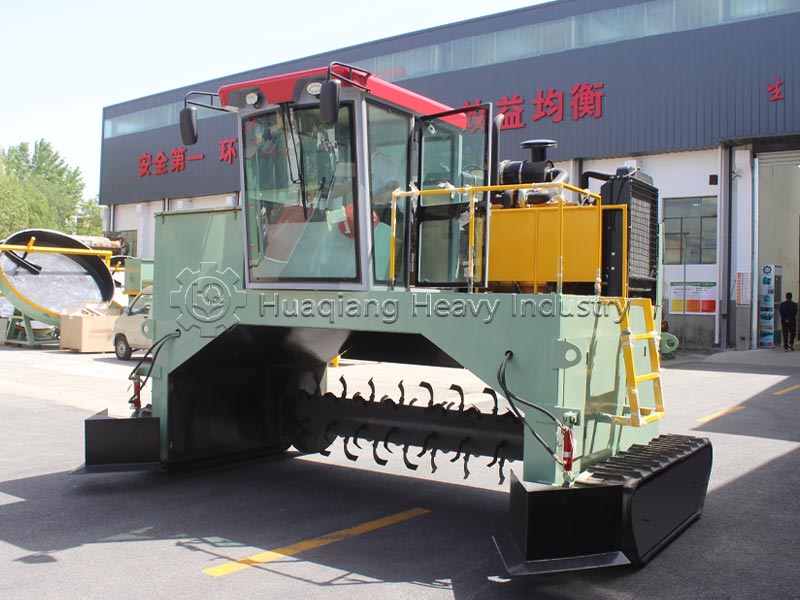
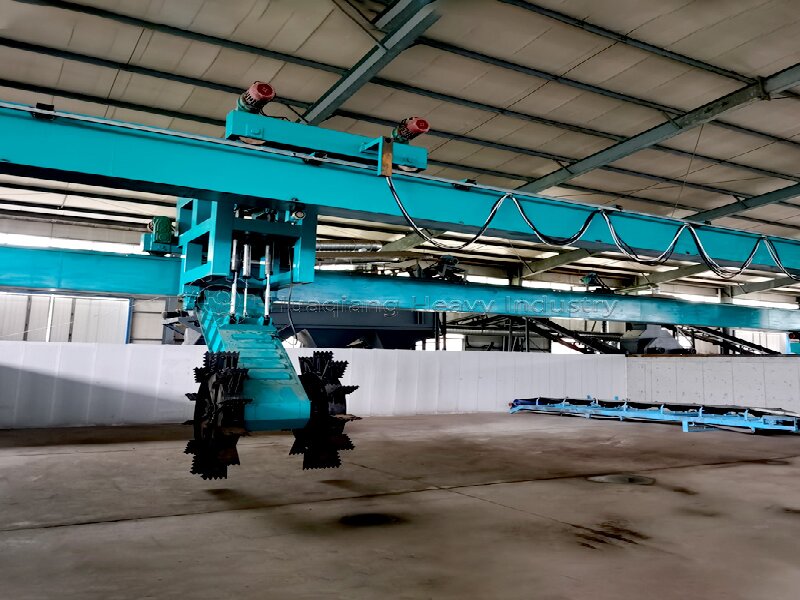
For small to medium-sized farms, gasoline or electric-powered compost turners can significantly improve work efficiency, with turning depths reaching 50-80 cm and efficiency five times higher than manual labor. Large composting sites require professional windrow turners that not only have large processing capacities but also effectively break up clumps to ensure compost quality.

Key Techniques for Windrow Construction

Site Selection and Preparation

Choose sites with higher elevation and good drainage, with a base layer of gravel or straw as insulation, which both prevents water accumulation and reduces nutrient loss.

Material Ratio Control

Maintain a carbon to nitrogen ratio between 25-30:1, with carbon materials (such as straw, leaves) accounting for 70%-80% and nitrogen materials (such as manure, kitchen waste) accounting for 20%-30%. Proper ratio is the foundation for efficient fermentation.

Pile Dimension Management

Ideal piles should be trapezoidal or rectangular in shape, 2-3 meters wide, 1.2-1.5 meters high, with length adjusted according to the site but not exceeding 20 meters. These dimensions ensure proper ventilation while preventing excessive water loss.

Moisture and Aeration Control

Material moisture content should be maintained between 55%-60%. Internal ventilation can be enhanced by inserting ventilation pipes or corn stalk bundles into the pile. Appropriate covering materials can prevent rainwater erosion and nutrient volatilization.

Optimization Recommendations

To improve the efficiency and quality of windrow composting, regularly monitor pile temperature and turn the pile promptly when temperatures exceed 65°C. Simultaneously, observe changes in pile odor – foul odors indicate insufficient ventilation and require increased turning frequency.

Through scientific management and appropriate tool selection, windrow composting can become an effective method for processing organic waste and producing high-quality organic fertilizer, contributing to ecological agriculture and sustainable development.

Advanced Composting Technology Integration

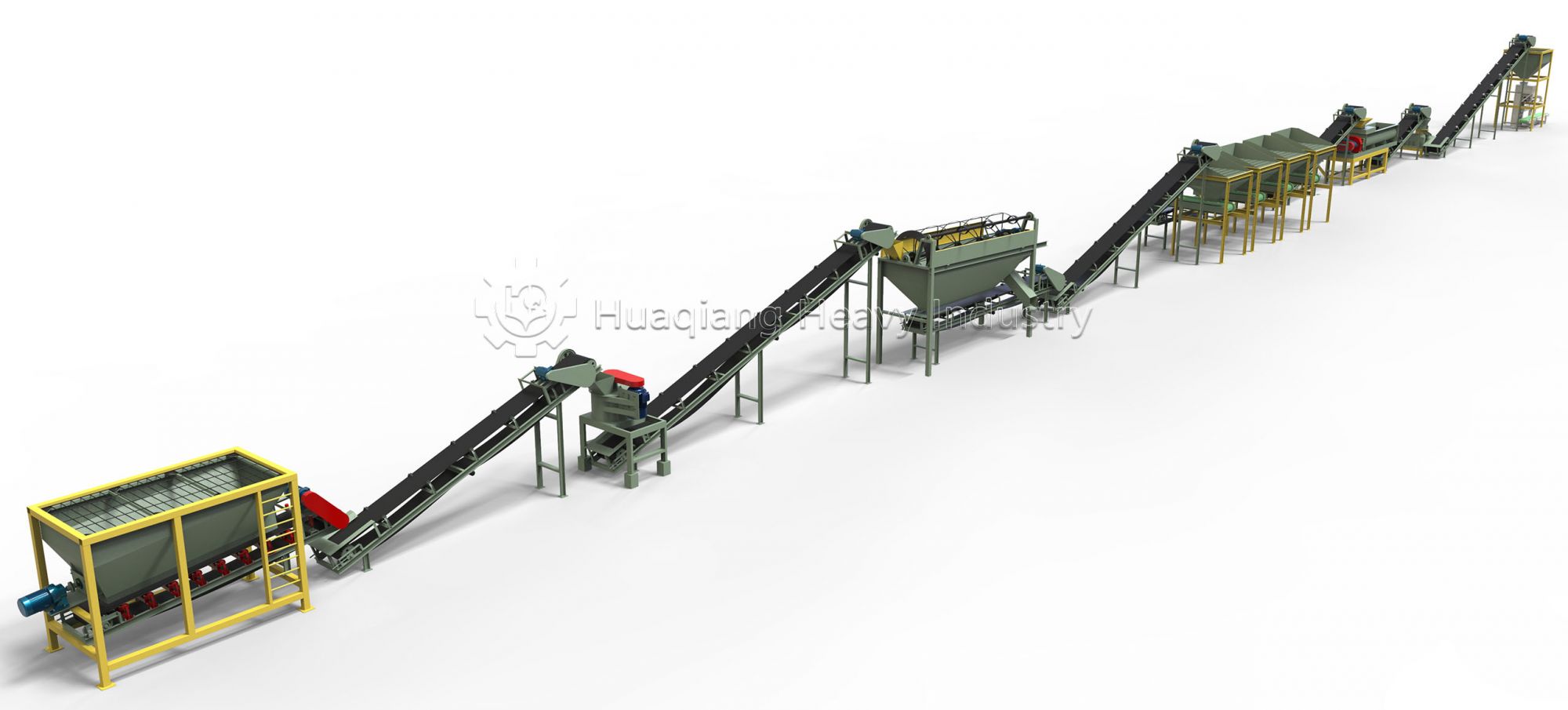
To optimize the organic fertilizer fermentation process, modern composting operations increasingly integrate specialized fertilizer production machine systems. The selection between a large wheel compost turner for extensive windrows or a chain compost turner for heavier materials represents crucial decisions in configuring the complete organic fertilizer production line. Advanced fermentation composting technology for organic fertilizer utilizes these windrow compost turning machine options to create optimal aerobic conditions, significantly enhancing decomposition efficiency. For operations targeting premium products, upgrading to a bio organic fertilizer production line requires additional equipments required for biofertilizer production such as precise temperature monitors and microbial inoculation systems. Each compost fertilizer machine must be strategically selected to match operational scale and product specifications, ensuring the transformation of raw organic materials into high-value fertilizers through scientifically managed decomposition pathways.

From powder to granules: The core strength of organic fertilizer disc granulators

On the organic fertilizer production line, disc granulation transforms fermented and pulverized organic raw materials into uniform, plump granules, achieving a leap in product value.

This granulation method of disc granulation offers significant advantages. It boasts a high granulation rate, producing granules with regular shape and moderate strength, making them less prone to breakage and facilitating the slow release of nutrients in the soil. More importantly, the process typically eliminates the need for high-temperature heating, maximizing the preservation of active and beneficial components in the organic matter.

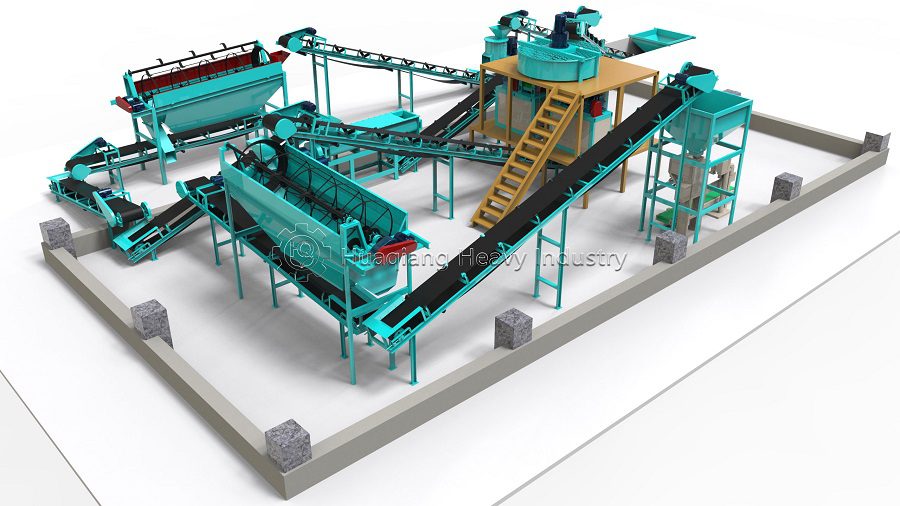
Of course, the organic fertilizer disc granulator does not operate in isolation. It is a core component of the entire organic fertilizer production equipment system. Its front end requires an efficient crushing and precise mixing system to provide qualified raw materials for granulation; its back end connects to drying, cooling, screening, and automatic packaging equipment, forming a continuous and automated production line.

The development of modern organic fertilizer production equipment is moving towards intelligence and green technology. A central control system allows for precise monitoring and adjustment of the entire process, including key parameters of disc granulation, ensuring stable product quality while significantly improving energy efficiency.

From agricultural waste to high-value commercial organic fertilizer, disc granulators and their supporting equipment play a crucial role. They not only complete the physical transformation but also promote the recycling of nutrients, providing a solid equipment foundation for the development of sustainable agriculture.

Which granulation method is best?

No One-Size-Fits-All Solution

In fertilizer granulation processes, there is no universally “best” granulation method. Selecting the most suitable solution requires comprehensive consideration of multiple factors including raw material characteristics, product requirements, production scale, and cost budget. Different fertilizer production machines each have their unique advantages and applicable scenarios, and wise choices come from deep understanding of various technologies.

Comparison of Mainstream Granulation Technologies

Rotary drum granulation dominates large-scale NPK fertilizer production with its high capacity and stable particle quality. This type of fertilizer production machine is particularly suitable for producing balanced fertilizers like 20-20-20 formulations, ensuring particle uniformity and nutrient distribution consistency. However, this method is relatively sensitive to raw material moisture and has higher energy consumption.

Disc granulation, with its simple structure and low investment cost, is widely popular in small and medium-sized fertilizer plants. This NPK fertilizer granulator offers flexible operation and excellent particle roundness, making it particularly suitable for products with small batch sizes or frequent formulation adjustments. For companies new to the industry, this represents a relatively safe choice.

Special Considerations for Organic Fertilizer Production

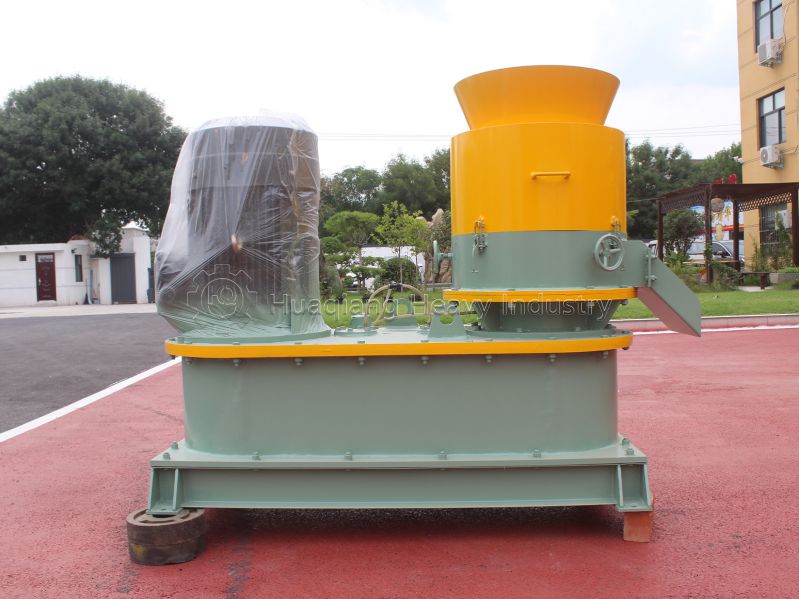
In the organic fertilizer production sector, the choice of organic fertilizer granulator is more diverse. Extrusion granulation has become the preferred method for organic fertilizer production as it requires no binder addition and produces high-strength granules. This method effectively handles viscous raw materials and produces high-quality granules that meet organic agriculture standards.

Decisive Factors in Technology Selection

Raw material characteristics are the primary consideration when choosing fertilizer granulation processes. Powdered materials suit rotary drum or disc granulation, while slurries or viscous materials are more suitable for extrusion granulation. Production capacity requirements are equally crucial – large fertilizer plants with annual outputs exceeding 10,000 tons should prioritize rotary drum granulation, while small and medium-sized enterprises with thousand-ton capacity can choose disc or extrusion granulation.

Specific product requirements cannot be ignored. If producing fast-dissolving water-soluble fertilizers, spray granulation technology might be more appropriate; while for organic fertilizer production requiring high-strength granules, extrusion granulation technology should be selected. In fertilizer granulation processes, these technical decisions directly affect the final product’s market competitiveness and user satisfaction.

Comprehensive Evaluation of Return on Investment

Cost budget plays an important role in technology selection. Enterprises with limited initial investment can consider disc or extrusion granulation equipment, as these fertilizer production machines are relatively affordable. For large enterprises pursuing long-term scale benefits, while rotary drum granulation equipment requires larger upfront investment, it offers advantages in long-term operating costs.

Recommended Typical Application Scenarios

For large-scale NPK fertilizer production, rotary drum granulation provides the best balance in terms of capacity, stability, and particle quality. Small and medium-sized organic fertilizer plants are better suited for disc granulation, whose cost advantages and operational flexibility better meet the needs of such enterprises. High-end products like water-soluble fertilizers can consider spray granulation technology – although equipment investment is larger, product added value is higher.

Conclusion

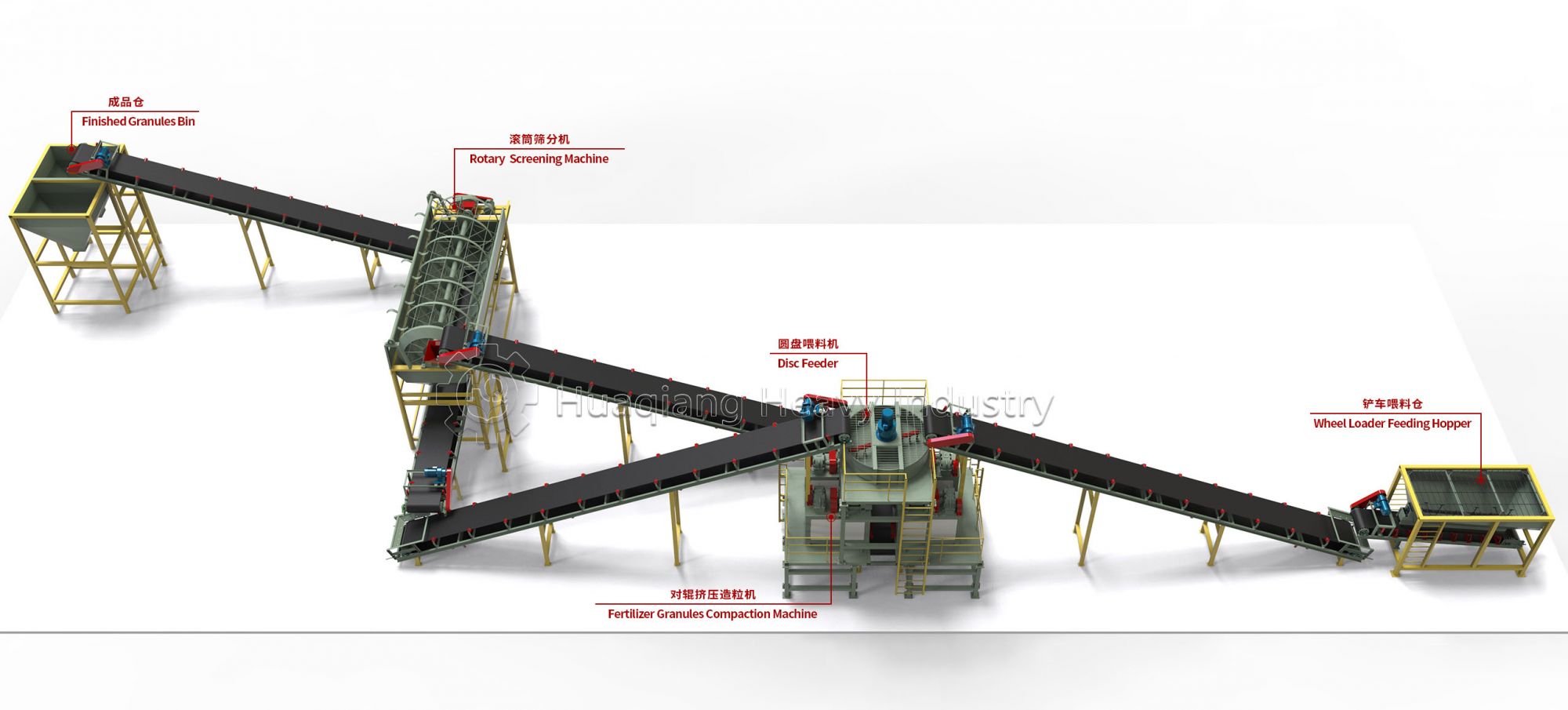
Selecting optimal granulation technology requires strategic decision-making that aligns with specific production requirements. For NPK fertilizer production technology, operators must evaluate multiple approaches including drum granulation using rotary drum granulator systems, disc granulator applications, and fertilizer granules compaction through roller press granulator production line solutions. The complete NPK production line integration depends on understanding distinct process advantages – whether implementing drum granulator systems for high-volume output or specialized fertilizer compaction machine configurations for concentrated formulations. By holistically analyzing the NPK manufacturing process requirements against equipment capabilities, producers can develop competitive advantages through optimized operational efficiency, product quality, and cost-effectiveness in dynamic market conditions.

From manure to “Golden Granules”: The modern transformation of organic fertilizer

Once upon a time, organic fertilizer processing was synonymous with “piles of manure, relying on the heavens to decompose.” Today, this traditional industry is undergoing a silent technological revolution, transforming polluted agricultural waste into uniformly sized, consistently effective black “golden granules.”

This transformation begins with highly efficient bio-organic fertilizer equipment. These systems constitute an intelligent “fermentation workshop.” Through precisely controlled turning, ventilation, and temperature control systems, these devices create the ideal breeding environment for microbial communities.

However, powdered organic fertilizer still faces problems such as large volume, easy dust generation, and inconvenience in application. This is where the core step in the process—fertilizer granules compaction—comes in. This process is like “shaping” the fertilizer, using powerful mechanical pressure to tightly compress loose powdery raw materials into uniformly sized solid granules.

Fertilizer granules compaction is far more than simple physical molding. The ingenious use of pressure creates an appropriate compactness within the granules, ensuring they are not easily broken during transportation and storage, while also guaranteeing that they will moderately disintegrate upon contact with water after being applied to the soil, slowly releasing nutrients.

From fermentation using modern bio-organic fertilizer equipment to achieving its ideal physical form through precise fertilizer granules compaction, organic fertilizer has finally completed a remarkable transformation from a crude raw material to a standardized commodity.

Detailed explanation of the mixing process in an NPK blending fertilizer production line

In the production of NPK blended fertilizer, the mixing process is the core link that determines the quality of the final product. Its goal is to uniformly blend basic fertilizers such as nitrogen (N), phosphorus (P), and potassium (K) from different sources, ensuring that each fertilizer particle has a consistent nutrient ratio.

1.Raw Material Pretreatment is Fundamental

The physical properties of the raw materials are crucial before they enter the fertilizer mixer machine. The particle size of each elemental fertilizer must be highly matched; this is a prerequisite for achieving uniform mixing and preventing nutrient separation (segregation) during subsequent transportation and use. Moisture content also needs to be strictly controlled to prevent material agglomeration.

2.Efficient Mixing is Key

The core equipment is a double axis paddle mixer. When the material enters, two shafts rotating at specific angles and speeds drive the paddles, causing the material to undergo multi-dimensional composite motion within the machine. This includes both radial circular motion and axial lateral movement. This intense convection, shearing, and diffusion action can thoroughly interweave the various raw materials in a very short time (usually 2-4 minutes).

3.Precise Control as a Guarantee

The entire mixing process is precisely controlled by an automated system. Parameters such as feeding sequence, mixing time, and main unit load are monitored and recorded in real time. This precise control eliminates human error, ensuring the stability and reproducibility of each batch of product.

In short, the seemingly simple mixing process is actually the culmination of science, technology, and experience. It ensures that the NPK blending fertilizer production line can accurately deliver its nutrient formula, laying a solid foundation for balanced crop nutrition.

Three Processes for Aerobic Fermentation of Poultry Manure

Aerobic composting is currently the mainstream process for manure treatment. By introducing oxygen into the manure, it promotes the rapid reproduction of aerobic microorganisms, achieving harmless treatment and maturation under high-temperature conditions. This method not only effectively eliminates pathogens but also converts organic matter into stable humus, making it a crucial step in producing high-quality organic fertilizers. Depending on production scale and site conditions, the process is mainly divided into three techniques: windrow, trough, and in-vessel composting.

Windrow Composting: An Economical and Practical Choice

Windrow composting is the most basic form of aerobic composting, particularly suitable for small to medium-scale production. During operation, pre-treated manure is piled into long windrows 2-3 meters wide and 1.2-1.5 meters high, with turners used for regular turning. During the turning process, oxygen fully penetrates the pile, allowing microorganisms to multiply rapidly and raising the temperature to 55°C-70°C, which is maintained for 5-7 days. This high-temperature environment effectively kills over 90% of pathogens, insect eggs, and weed seeds.

When the pile temperature drops to ambient levels, the material turns dark brown, loses its odor, and emits an earthy fragrance, indicating that maturation is complete. At this stage, the material volume typically shrinks by 30%-50%. The advantages of this method include low equipment investment, requiring only a turner for operation. The drawbacks are its susceptibility to weather conditions, requiring coverage during rainy days, and a relatively long fermentation cycle of 15-25 days.

Trough Composting: Higher Automation

Trough composting is suitable for medium to large-scale production and is conducted in enclosed or semi-enclosed fermentation tanks, which are 3-5 meters wide and 10-50 meters long. The system is equipped with rail-mounted turners for automatic turning of materials, and some devices also integrate temperature control and ventilation systems. By precisely controlling oxygen supply and pile temperature, the system can maintain a stable high temperature of 60°C-70°C for 7-10 days, effectively eliminating harmful organisms and breaking down hazardous substances such as antibiotic residues.

Compared to windrow composting, trough composting achieves higher material uniformity, with no partially uncomposted areas. The fermentation cycle is shortened to 10-18 days, and the process is unaffected by weather conditions. However, this technique requires higher equipment and infrastructure investment, making it more suitable for continuous production needs.

In-Vessel Composting: The Preferred Choice for Environmental Requirements

In-vessel composting employs a sealed design, making it particularly suitable for scenarios with strict environmental requirements. Materials are loaded into vertical or horizontal sealed fermentation tanks, with forced aeration provided by fans and equipped with exhaust gas collection and treatment systems to effectively prevent the leakage of ammonia and odors. During the fermentation process, the temperature inside the tank can be precisely controlled at 55°C-65°C for 8-12 days.

In addition to achieving thorough harmless treatment, in-vessel composting can also reduce the activity of heavy metals in manure through microbial action, such as converting soluble cadmium into insoluble forms. The matured material has a moisture content of less than 20%, a loose texture, and stable organic matter. This technique offers excellent environmental performance and a small footprint but comes with high equipment costs, limited processing capacity per tank, and the need for batch operations.

These three aerobic composting techniques each offer distinct advantages for various scales of organic fertilizer fermentation, providing flexible solutions for different operational requirements. From the economical windrow method to advanced automated systems, these technologies form the foundation of modern organic fertilizer factory operations.

The selection of appropriate fermentation composting technology directly influences the organic fertilizer machinery price and overall efficiency. For large-scale operations, equipment like the large wheel compost turner offers efficient processing, while the chain compost turner provides reliable performance in various configurations within the complete organic fertilizer production line.

Following the organic fertilizer fermentation process, the material typically progresses to granulation using specialized equipment such as an organic fertilizer granulator or multi-purpose fertilizer granulator. This integrated approach ensures seamless transition from raw material processing to finished product manufacturing.

These diverse composting methods are revolutionizing manure management worldwide, enabling harmless treatment and resource recovery while supporting sustainable agriculture. The advancement in fermentation composting technology continues to drive efficiency improvements across the entire organic fertilizer production line, making organic fertilizer production more accessible and economically viable for operations of all sizes.

Key technology paths for low-energy retrofitting of NPK fertilizer production lines

To achieve the goal of efficient fertilizer production, low-energy retrofitting of NPK fertilizer production lines has become an industry imperative, with key improvements focused on optimizing technologies in high-energy-consuming processes.

In the raw material pretreatment stage, a waste heat recovery system is used to redirect 80-120°C exhaust gases generated during the drying process into the pulverization process, reducing energy consumption by 18%-22% and simultaneously reducing thermal emissions.

In the granulation process, a core energy consumer, traditional steam heating is gradually being replaced by electromagnetic heating, increasing heating speed by 50% and boosting thermal efficiency from 65% to over 90%. This reduces energy consumption per ton of product by approximately 80 kWh.

A closed-loop cooling system is introduced in the cooling process, increasing water reuse from 30% to 95% while minimizing the impact of circulating water on the surrounding environment.

In addition, the NPK fertilizer production line has achieved refined management and control through motor frequency conversion and an intelligent energy consumption monitoring platform. This platform monitors power changes across each device in real time, allowing for timely adjustment of operating parameters and avoiding idle energy consumption. Data shows that after systematic low-energy consumption upgrades, the NPK fertilizer production line can reduce overall energy consumption per ton of NPK fertilizer by 25%-30%, achieving both environmental and economic benefits.

Horizontal crushers: A reliable helper for fertilizer companies to reduce energy consumption

Electricity costs can account for 15%-20% of fertilizer production costs. As a high-energy-consuming component, controlling the energy consumption of pulverizing equipment directly impacts a company’s cost-saving efforts. Many companies overlook the potential for energy optimization in horizontal crushers. In fact, through structural and operational logic design, these pulverizers can be a reliable tool for reducing energy consumption.

1.Load Adaptation of Variable Frequency Motors

Traditional pulverizing equipment often uses fixed-speed motors, operating at full capacity regardless of the hardness or moisture content of the raw material. This results in a “big horse pulling a small cart” pattern of energy waste. Horizontal crushers equipped with variable frequency motors, however, can adjust their speed based on raw material characteristics, reducing motor energy consumption by an average of 15%-20%.

2.Resistance Optimization of Blade Structure

The optimized horizontal crusher reduces air resistance. The staggered blade arrangement allows the material to enter the shear zone more smoothly, avoiding ineffective impacts. This allows more electrical energy to be converted into crushing kinetic energy rather than resistance losses, reducing energy consumption by an additional 8%-10%.

3.Load balancing reduces energy consumption fluctuations

Uneven feeding of the crusher can cause the motor load to fluctuate (a sudden surge in current during an overload), increasing overall energy consumption over time. A horizontal crusher can be equipped with an “intelligent feed controller” that monitors the motor’s load current in real time and automatically adjusts the feed speed to avoid additional energy consumption caused by load fluctuations.

Potassium Fertilizer Production: From Minerals to Food Security

In global agricultural production, potassium fertilizer, as one of the three major nutrients, plays a vital role in crop growth and food security. The core process of potassium fertilizer production revolves around “raw material mining/pretreatment → conversion and enrichment → purification and separation → forming and packaging,” transforming natural potassium-containing minerals into efficient fertilizer products.

Soluble Potash Ore: Mainstream Production Process

Over 90% of the world’s potassium fertilizer comes from soluble potash ores, such as sylvinite and carnallite. These ores are typically obtained through open-pit mining or underground solution mining. The mined ore needs to be crushed and screened to process the raw material to a particle size below 10 millimeters for subsequent dissolution and separation. In dissolution tanks, the ore is mixed with water or recycled mother liquor to form a mixed solution containing potassium chloride, sodium chloride, and other components.

Flotation separation is a key technological step in potash fertilizer production. By adding special flotation agents, the difference in surface properties between potassium chloride and sodium chloride is utilized to cause potassium chloride particles to adhere to air bubbles and float to the liquid surface, thus achieving effective separation. This process can yield crude potash concentrate with a purity of 85%–90%. Subsequently, recrystallization further removes residual impurities such as sodium chloride and magnesium sulfate, increasing the product purity to over 95%.

Conversion and Utilization of Insoluble Potassium Ores

For insoluble potassium ores like potassium feldspar, or industrial by-products such as seawater and salt lake bittern, more complex extraction processes are required. Potassium feldspar usually needs to be crushed to a fineness of 200 mesh or above, and iron, titanium, and other impurities are removed through magnetic separation. The high-temperature roasting method is a commonly used conversion technique, where potassium feldspar is reacted with limestone and gypsum at 1100-1300°C to convert insoluble potassium into soluble potassium salts.

Potassium extraction from seawater employs advanced solvent extraction technology, using special extractants like crown ethers to selectively extract potassium ions from seawater. These innovative technologies significantly expand the raw material sources for potassium fertilizer production, providing new possibilities for the sustainable development of the potassium fertilizer industry.

Refining and Finished Product Preparation

Regardless of the raw material route, subsequent drying and forming processes are crucial. Crystallized potassium chloride needs to undergo centrifugal dewatering and drying to control moisture below 2%. Depending on the application, the product can be processed into powder or granular form. Granular potassium fertilizer is prepared through extrusion granulation or disc granulation technology, with granule strength required to be no less than 20N to ensure integrity during transportation and application.

Practical Case of Large-Scale Production

Taking a large potassium chloride production enterprise with a daily capacity of 1,000 tons as an example, the company adopts an advanced flotation-crystallization combined process, processing 5,000 tons of sylvinite ore daily. Through precise process control, an 85% raw material conversion rate is achieved. During production, flotation wastewater is recycled through a comprehensive treatment system, and drying exhaust gas is treated with desulfurization and dust removal before being discharged up to standard, reflecting the environmental protection concept of modern industrial production.

The final products are divided into agricultural grade and industrial grade specifications. Agricultural-grade powdered potassium chloride has a potassium oxide content of no less than 62%, while industrial-grade granular potassium chloride reaches over 63% potassium oxide content. A strict quality control system ensures that the products meet relevant national and international standards.

With the growth of the global population and increasing food demand, innovation and development in potassium fertilizer production technology are particularly important. From traditional mineral mining to emerging seawater potassium extraction technology, the potassium fertilizer industry is developing towards greater efficiency and environmental friendliness, providing solid support for global food security.

Building upon potassium chloride production, the subsequent NPK fertilizer manufacturing process integrates multiple critical stages within a complete NPK fertilizer production line. The heart of this operation lies in the fertilizer granulation phase, where specialized equipment transforms raw materials into uniform, nutrient-balanced fertilizers.

The manufacturing of NPK fertilizer typically begins with precise ingredient blending using a high-capacity fertilizer mixer machine. Following mixing, the NPK production process advances to granulation, where operators can choose between various technologies. While some facilities utilize a disc granulator for certain applications, modern plants increasingly favor advanced NPK granulation machine technology for superior efficiency and product quality.

The core NPK fertilizer production process relies heavily on the NPK fertilizer granulator machine to create consistent, durable granules that ensure optimal nutrient delivery. For specific market requirements, some production lines may incorporate an NPK bulk blending machine to create customized fertilizer blends. Each NPK fertilizer machine in the production sequence plays a vital role in maintaining the integrity of the final product.

Through continuous innovation in fertilizer granulation methods and NPK granulation machine designs, modern NPK fertilizer production line operations achieve remarkable efficiency while meeting stringent environmental standards. This comprehensive approach to the NPK fertilizer manufacturing process ensures the agricultural sector receives high-quality fertilizers essential for global food security.

Double roller press granulators enhance the adaptability of organic fertilizer production lines

In the trend of upgrading organic fertilizer production lines towards “high efficiency, flexibility, and ecology,” double roller press granulators, with their unique physical shaping logic, have become a “core node” in the production line, adaptable to diverse raw materials.

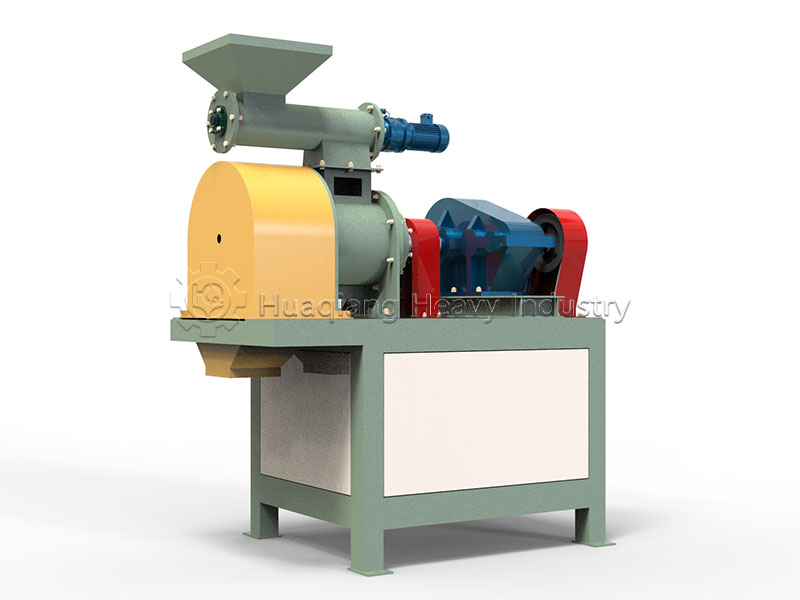
The core of an organic fertilizer production line is the transformation of organic waste into standardized fertilizer, and the granulation process is crucial in determining the fertilizer’s form and usability. Double roller press granulators precisely address this need, using only the high pressure generated by two relatively rotating rollers to extrude loose organic powder into granules. This dry material forming process is perfectly suited for organic raw materials such as straw and livestock manure, which have low moisture content and insufficient viscosity after fermentation.

In the entire organic fertilizer production line, the double roller press granulator plays a “flexible connecting” role. It can handle organic substrates of different textures after previous crushing. Whether it’s fermented straw with high coarse fiber content or fine livestock manure powder, it can achieve efficient granulation through pressure shaping. Meanwhile, its simple structure allows for easy integration with subsequent stages of the production line, such as screening, cooling, and packaging, without the need for complex process adjustments, significantly shortening the production cycle.

The double roller press granulator gives organic fertilizer production lines a greater ecological advantage: the absence of chemical additives ensures the purity of the organic fertilizer, dry material forming reduces energy consumption and pollution, and the formed granules have moderate hardness, facilitating storage and transportation while allowing for the slow release of nutrients after application. This dual advantage of “adaptability + ecological benefits” allows organic fertilizer production lines to better handle diverse organic waste.