High-efficiency fermentation solutions in modern organic fertilizer production lines

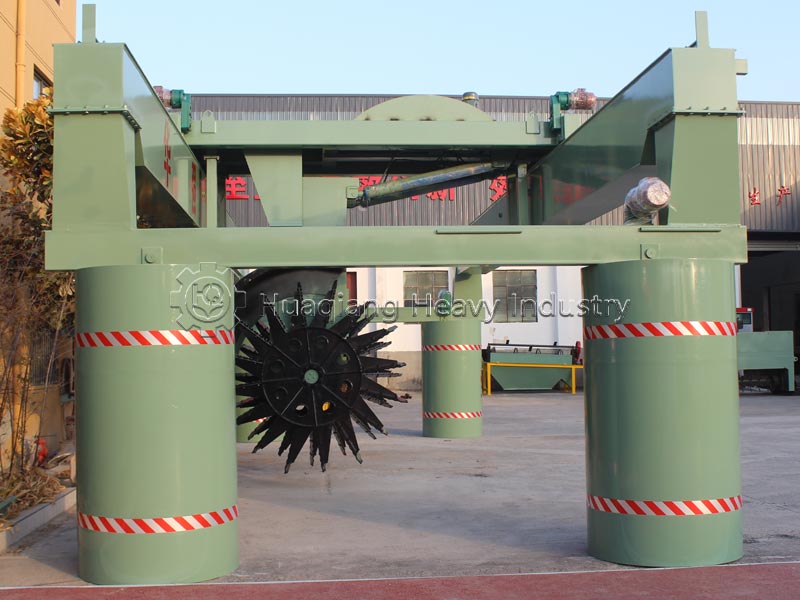
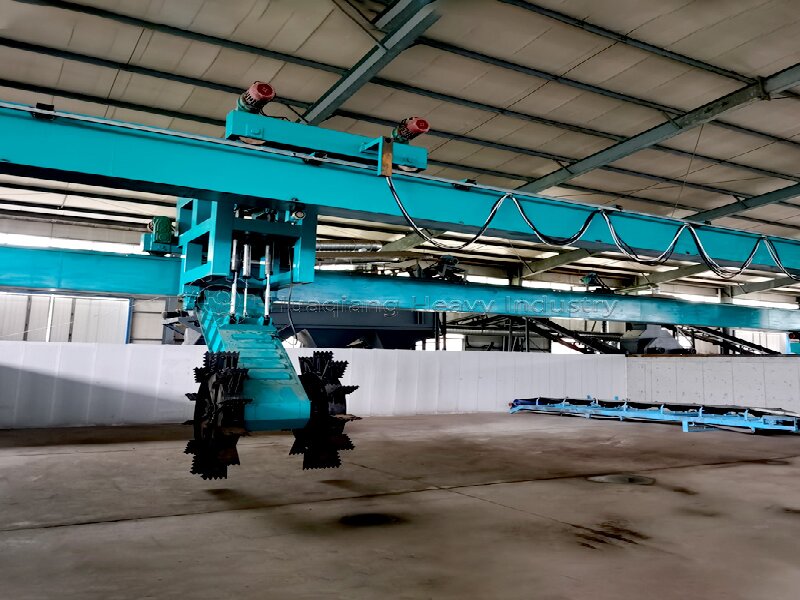
In modern organic fertilizer production lines, the double screws compost turning machine, as a crucial piece of equipment, provides a professional and reliable solution for the aerobic fermentation stage. This equipment complements the common large wheel compost turning machine, together forming a complete material handling system.

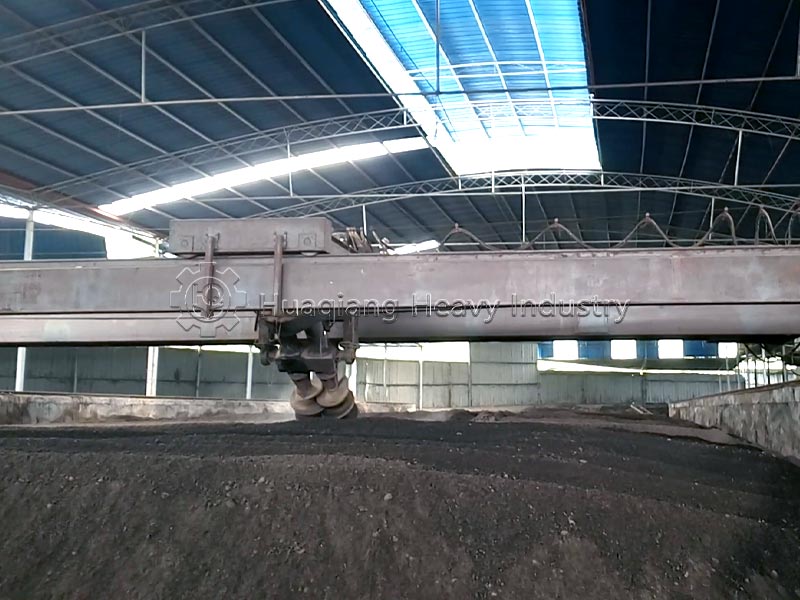
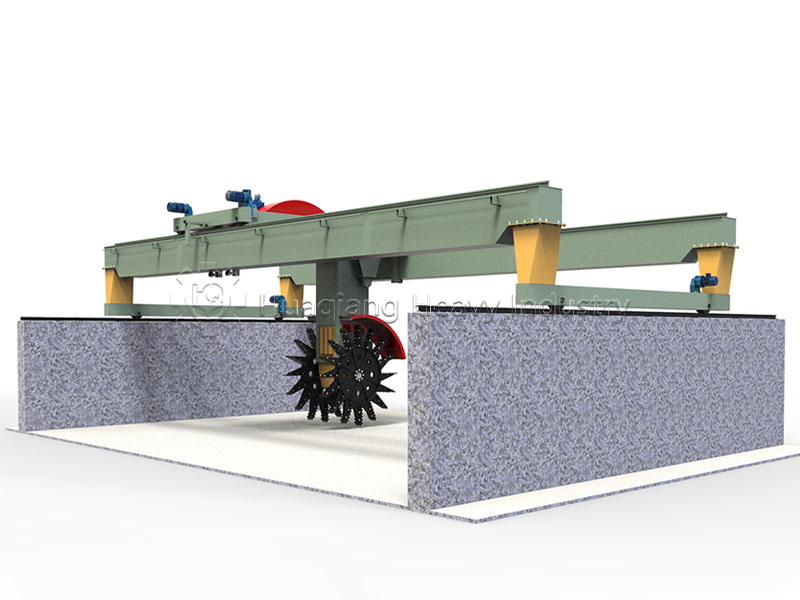
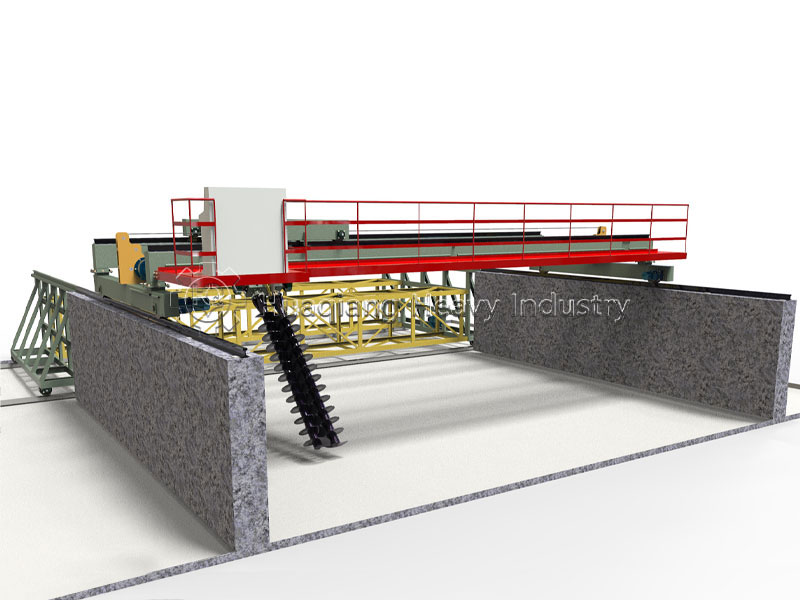
As a key piece of equipment in organic fertilizer production lines, the double screws compost turning machine’s design is characterized by its unique double-helix structure. Two parallel spiral shafts work in tandem under power drive, enabling deep turning of the material within the fermentation tank. This design not only ensures thorough turning but also significantly improves processing efficiency, making it an important member of the modern organic fertilizer production equipment system.

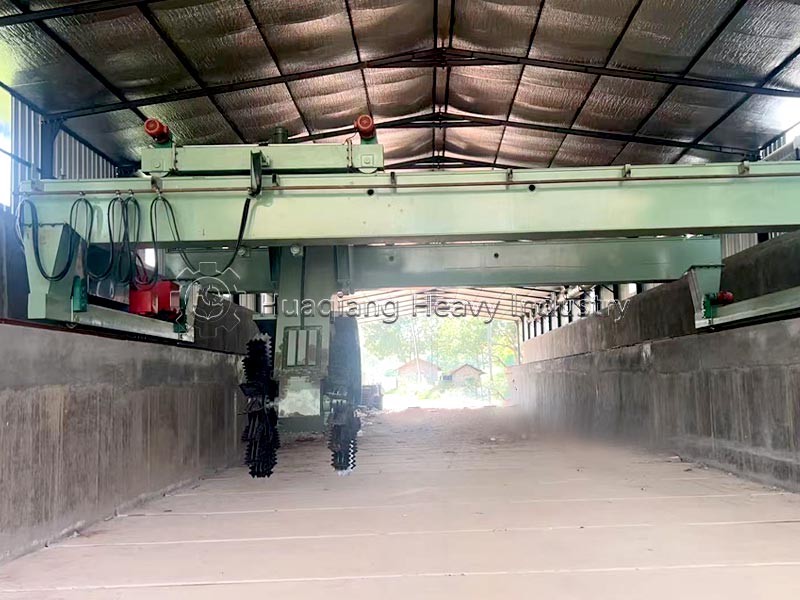
In practical applications, the double screws compost turning machine works perfectly with trough fermentation processes. Its processing depth typically reaches over two meters, effectively breaking up the compacted layer formed during fermentation and ensuring uniform oxygen distribution in the material. Compared to large wheel compost turning machines, this equipment is more suitable for operation within fixed fermentation tanks, demonstrating unique environmental adaptability.

In the configuration of organic fertilizer production lines, the double screws compost turning machine and the large wheel compost turning machine each have their own advantages. Large wheel compost turning machines are typically suitable for windrow fermentation in open areas, while double screws compost turning machines excel in trough fermentation processes. This combination of equipment provides organic fertilizer producers with more flexible and diverse process options, meeting the needs of different site conditions and production scales.

With the continuous development of the organic fertilizer industry, double-helix compost turning technology is also constantly innovating. These technological advancements not only improve equipment performance but also drive the entire organic fertilizer production equipment system towards greater efficiency and intelligence.

Organic fertilizer production equipment: Solutions for diverse raw materials

Faced with complex organic waste, modern organic fertilizer production equipment demonstrates exceptional adaptability. From livestock manure to crop straw, from kitchen waste to food industry byproducts, these machines achieve efficient conversion of various raw materials through targeted process adjustments.

In the raw material pretreatment stage, the large wheel compost turning machine, with its unique operating method, becomes the core equipment in the fermentation process. This equipment, combined with an intelligent ventilation and temperature control system, can automatically adjust operating parameters based on real-time monitoring data, ensuring that different raw materials achieve ideal composting results.

The equipment configuration in the granulation stage exhibits diverse characteristics. The rotary drum granulator, with its gentle agglomeration granulation method, demonstrates unique advantages in processing organic raw materials. The ring die pelleting machine, through the precise coordination of the die and pressure rollers, produces granules with higher density and greater strength. For processing special raw materials, fertilizer compaction machines offer another reliable option; their dry forming process is particularly suitable for materials with high fiber content.

In the post-processing stage, intelligent drying and cooling systems work perfectly in conjunction with the front-end granulation equipment. Whether producing spherical granules from a rotary drum granulator or cylindrical granules from a ring die pelleting machine or fertilizer compaction machine, all can achieve ideal physical states through a precise temperature control system.

With the deepening of the concept of resource recycling, modern organic fertilizer production equipment is continuously improving its environmental performance. The new generation of equipment, through the integration of advanced sensing technology and intelligent control systems, achieves more precise processing of complex raw materials, opening up broader prospects for the resource utilization of organic waste.

Analysis of key factors for efficient operation of disc granulation production lines

The efficient and stable operation of a disc granulation production line hinges on the precise coordination of equipment at each stage. The large-diameter large wheel compost turning machine, double axis paddle mixer, and disc granulator form the core linkage chain, directly determining the quality of raw material composting, mixing uniformity, and granule formation. These are crucial for increasing production capacity and product quality.

The large wheel compost turning machine lays the foundation for high-quality raw materials in the production line. During the raw material pretreatment stage, its efficient turning and mixing allow the raw materials to fully contact the air, rapidly increasing the fermentation temperature and inhibiting harmful bacteria, ensuring uniform composting and stable nutrient content. Insufficient turning can lead to incomplete composting, resulting in problems such as loose granules and uneven nutrient distribution.

The double axis paddle mixer builds upon the pretreatment results, achieving precise material conditioning. After the composted raw materials, auxiliary materials, and microbial agents are added in proportion, its dual-shaft structure allows for rapid and thorough mixing of materials. It can also adjust moisture content and particle size according to granulation requirements, forming high-quality material suitable for the disc granulator. Compared to ordinary mixers, it offers higher mixing efficiency and better uniformity, significantly improving the subsequent granulation and molding rate.

The synergistic operation of these three components ultimately ensures the efficient operation of the production line, reduces material waste, and improves granule uniformity and strength. Therefore, controlling the operating quality of the large wheel compost turning machine and the double axis paddle mixer is essential for maximizing the efficiency of the disc granulation production line.

Large wheel compost turning machine: A high-efficiency pretreatment solution for fertilizer granulation production

In modern fertilizer production systems, the large wheel compost turning machine plays a crucial pretreatment role. Although not directly involved in the final granulation stage, this equipment is key to ensuring the efficient operation of subsequent granulation equipment.

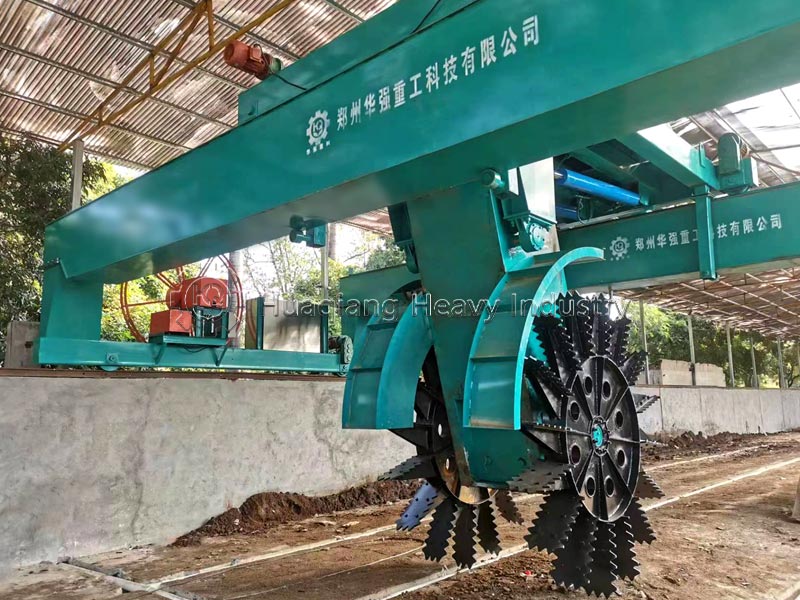
As the large wheel compost turning machine slowly moves through the fermentation field, it is creating the ideal raw material foundation for the entire production line. The massive disc rotates steadily, evenly turning the fermented material. This seemingly simple action actually determines the success or failure of the subsequent granulation process. Raw materials carefully processed by it exhibit better plasticity and forming rate, whether fed into a rotary drum granulator for agglomeration or a flat die pelleting machine for pressing.

In modern fertilizer production lines, the value of the large wheel compost turning machine is increasingly prominent. It provides stable, uniformly moist raw materials for the new type two in one organic fertilizer granulator, allowing this multi-functional equipment to fully utilize its technological advantages. Similarly, for equipment like ring die pelleting machines that have high requirements for raw materials, the raw materials thoroughly fermented and mixed by the large wheel compost turning machine can effectively extend the die’s lifespan and improve production efficiency.

The unique feature of this equipment is its ability to tailor raw materials to the characteristics of different granulation equipment. Whether it’s raw materials with specific particle sizes required by fertilizer compaction machines or physical property parameters needed by other granulation equipment, the large wheel compost turning machine can prepare them for subsequent processes through precise fermentation control. This pretreatment is becoming increasingly important throughout the entire production line.

Key aspects of synergistic operation of core equipment in bio-organic fertilizer production

The production of high-quality bio-organic fertilizer relies on the efficient synergy of a complete set of bio-organic fertilizer equipment. From raw material composting to finished product molding, each stage is supported by dedicated core equipment.

In the raw material fermentation stage, the large wheel compost turning machine plays a crucial role. Through the rotation and turning of the large wheel, it effectively breaks up the raw material piles, allowing the material to fully contact the air. This not only rapidly increases the fermentation temperature and inhibits the growth of harmful bacteria, but also ensures uniform composting of the raw materials, laying a high-quality foundation for subsequent production. Insufficient turning can easily lead to insufficient composting of raw materials, directly affecting the subsequent mixing and granulation effects.

The composted raw materials need to be precisely mixed by a fertilizer mixer machine. At this stage, the composted raw materials, beneficial microbial agents, and auxiliary materials are added to the equipment in proportion. Mixing ensures the even distribution of each component, preventing localized nutrient enrichment or deficiency. Uniform material mixing is an important prerequisite for ensuring the quality of subsequent granulation and a key step in improving the effectiveness of bio-organic fertilizer.

In the granulation stage, the fertilizer granulator is the core equipment, and the flat die pelleting machine, due to its strong adaptability, is a commonly used type in bio-organic fertilizer production. The flat die pelleting machine produces high-strength, uniformly sized granular products through mold extrusion. During operation, the pressure and speed of the flat die pelleting machine need to be precisely adjusted according to the moisture content and particle size of the mixed materials to ensure stable granule formation and reduce material waste.

Synergistic effect of rotary screener machines, compost turners, and fertilizer compaction machines

In the final stage of organic fertilizer production, the steady rotation of a rotary screener machine is always a common sight. Unlike the vigorous turning and tossing of the upstream fermentation equipment or the forceful extrusion of the downstream granulation equipment, it plays an indispensable role as a “quality inspector” in the entire organic fertilizer production line.

After thorough aerobic fermentation by the large wheel compost turning machine, the material becomes loose and uniform. Subsequently, these raw materials may be processed into granules of specific sizes by a fertilizer compaction machine. However, whether it’s powdered or granular fertilizer, it ultimately needs to undergo fine screening by a rotary drum screen.

When the material enters the rotating drum, the separation process begins quietly. The screen mesh on the inner wall of the drum acts like a precise filter, automatically separating qualified products from substandard ones. Excessively fine powder falls from the lower screen, uniformly sized finished products are collected in the middle, while any excessively large lumps or impurities are directed to the outlet. The entire process is smooth and efficient, requiring no manual intervention yet achieving precise grading.

In the organic fertilizer production equipment system, the rotary screener machine ensures the purity and consistency of the final product, allowing the efforts of the fermentation process and the results of the granulation process to be perfectly presented. This simple and effective sorting method makes the final quality control of organic fertilizer production simple and reliable.

Highly efficient and stable windrow compost turners safeguard the production of high-quality organic fertilizer

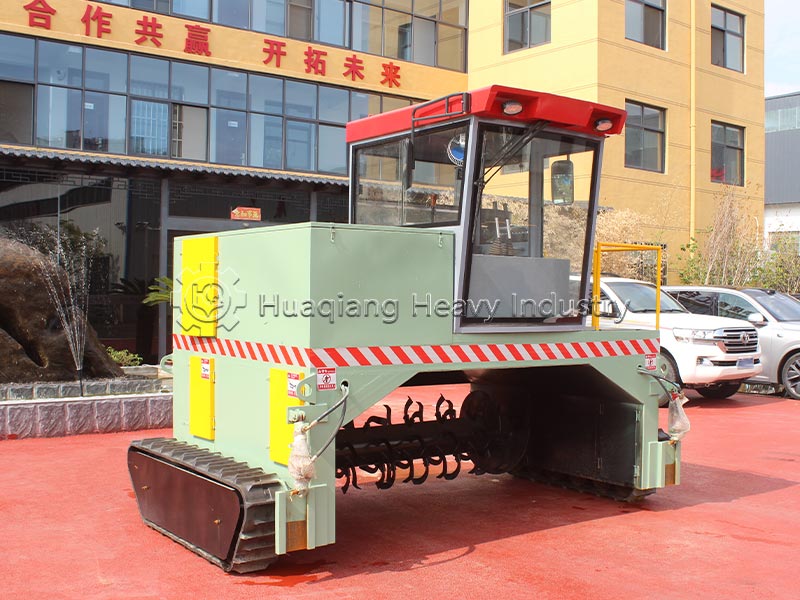
In a modern organic fertilizer fermentation plant, one of the most striking scenes is a windrow compost turner steadily moving between raw material piles. This is the starting point for the efficient and coordinated operation of organic fertilizer production equipment.

The significant advantage of the tracked design lies in its superior stability and maneuverability. Whether on soft piles or slightly muddy ground, the wide tracks effectively distribute pressure, preventing the equipment from sinking and ensuring continuous operation. This adaptability to complex environments makes it a reliable and solid foundation in organic fertilizer production lines.

In the family of compost turning equipment, in addition to windrow compost turners, there are also various other types, such as large wheel compost turners. Large wheel compost turning machines, with their unique rotating disc structure, also perform excellently in material mixing and crushing. The choice of equipment usually depends on the production scale, site layout, and raw material characteristics.

After the material has completed fermentation and maturation under the action of the windrow compost turner, the next step is for the organic fertilizer granulator to take over. These loose, powdery fertilizers are transformed into regular, compact granules in the granulator, greatly facilitating subsequent storage, transportation, and application.

From the turning and composting by the windrow compost turner to the shaping and granulation by the organic fertilizer granulator, each piece of equipment is an indispensable part of a modern fertilizer production system.

A brief discussion of the large wheel compost turner: A key driver for fertile soil regeneration

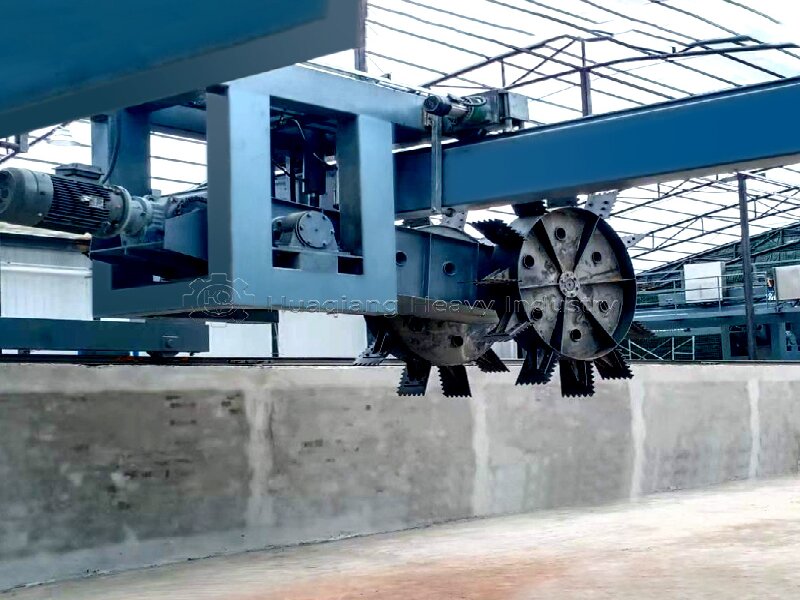
Upon entering a composting site, the large wheel compost turner often immediately catches the eye. Moving slowly and steadily, its massive rotating disc churns and scatters the material layer by layer, like a tireless dancer endlessly circling the composting stage.

The unique feature of this machine lies in its processing method—it completes the turning and scattering operation without needing to transfer the material elsewhere. As the disc rotates, air is naturally delivered deep into the material, and moisture evaporates evenly, creating an ideal living environment for microorganisms. This is a crucial step in the composting process, directly affecting the quality of subsequent granulation.

Speaking of granulation, different processes have their advantages and disadvantages. In organic fertilizer production, flat die pelleting machines are favored for their compact structure, suitable for small to medium-sized production lines. Ring die pelleting machines, on the other hand, occupy a place in large-scale production due to their stable granule quality and high output. For processing fertilizers with special formulations, the unique tumbling action of the rotary drum granulator can achieve even better granulation results.

These granulation devices each have their own strengths, but they all rely on thorough fermentation treatment in the early stages. The large wheel compost turner plays a crucial role in this preparation stage, and its uniform mixing lays a solid foundation for subsequent processes.

As the rotary discs turn, the art of fertilizer formation unfolds

At large-scale fertilizer production sites, the large wheel compost turning machine is undoubtedly a unique sight. Unlike precision granulation equipment that focuses on shaping each individual particle, it silently plays a fundamental yet crucial role with its massive scale and repetitive rotation.

Its working scene is full of power. The huge rotating discs penetrate deep into the material pile, slowly but powerfully mixing, crushing, and oxygenating the fermenting raw materials through slow, forceful turning. This process, seemingly rough, actually lays a solid foundation for subsequent fine processing.

Once the raw materials have completed this “warm-up,” they undergo a transformation. At this point, the rotary drum granulator begins to display its charm. Inside the inclined drum, the material is continuously lifted and scattered as the drum rotates, gently tumbling and colliding, and then coagulating into round granules through its own hydration force.

For scenarios requiring specific shapes or more complex formulations, the flat die pelleting machine offers another approach. It uses a die to forcefully compress the material, producing cylindrical granules with uniform particle size. This method is highly adaptable to various materials and produces high-density finished products, making it possible to meet diverse agronomic needs.

From the macroscopic preparation by the large wheel compost turning machine, to the dynamic pelletizing by the rotary drum granulator, and then to the precise shaping by the flat die pelleting machine, this is not simply a list of equipment, but a tightly linked process chain. Each component performs its specific function, working together to transform raw powder or waste into granules of commercial organic fertilizer that are easy to transport, store, and apply.

Why is the large wheel compost turning machine considered an “accelerator” for efficient organic fertilizer production?

In today’s pursuit of efficient production, the large wheel compost turning machine, with its superior performance, has become an “accelerator” for organic fertilizer manufacturers. Its efficiency advantages are reflected in multiple aspects.

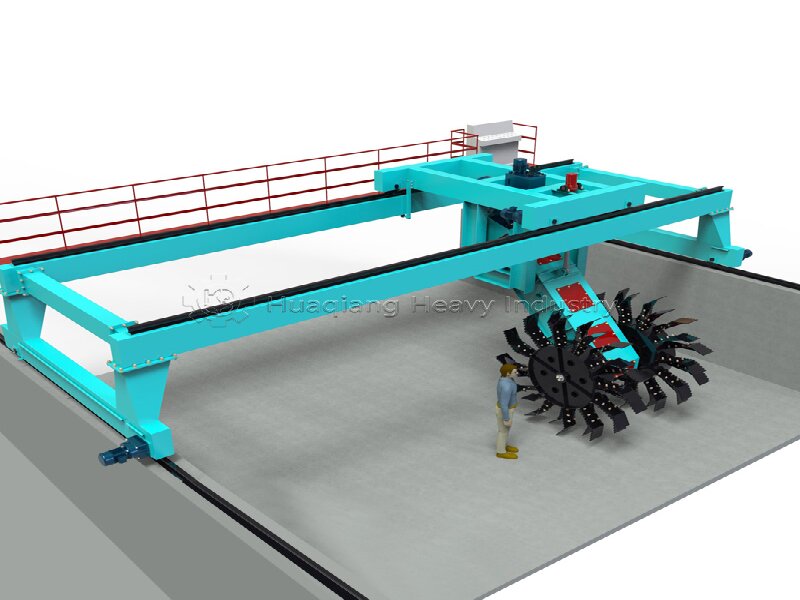
In terms of processing capacity, the equipment utilizes a large wheel structure with a main wheel diameter of 5-10 meters, providing a wide turning coverage area in a single turn. It can process 100-200 tons of material per hour, 3-5 times the capacity of traditional windrow compost turning machines. For example, a base with an annual production capacity of 10,000 tons of organic fertilizer, which previously required multiple units, can now be met by a single large wheel compost turner, significantly improving production efficiency.

In terms of fermentation efficiency, it uses centrifugal force to thoroughly turn the material to a depth of 1.5-2 meters, evenly mixing the upper and lower layers of the material, and maintaining a temperature distribution difference of ≤2°C, thus avoiding uneven fermentation. The equipment also accelerates the contact between materials and air, regulates temperature and humidity, and shortens the fermentation cycle to 20-30 days, nearly half the time of traditional equipment.

Furthermore, the equipment boasts a high degree of automation, with an electronic control system and touchscreen operation, allowing one or two people to operate it, reducing labor input. For organic fertilizer companies seeking efficient production, the large wheel compost turning machine is undoubtedly an ideal choice for enhancing competitiveness.