Classification and application of organic fertilizers

In the wave of sustainable agricultural development, organic fertilizers are playing an increasingly important role as a crucial link connecting waste resource utilization and soil health. Understanding the classification system of organic fertilizers is essential for scientific selection and application.

Raw Materials: Diverse Resource Foundation

The raw material sources for organic fertilizers are extremely diverse, primarily categorized into four major types. Livestock manure organic fertilizers are the most common type, including chicken manure, cattle manure, and pig manure. These materials have balanced nitrogen, phosphorus, and potassium content, with organic matter accounting for 25%-40%, making them ideal for improving various soil types. Straw-based organic fertilizers use crop residues as raw materials, rich in cellulose and lignin, with organic matter content as high as 50%-70%, significantly improving soil permeability and water retention capacity. Food waste organic fertilizers achieve resource recycling through the recovery of kitchen waste, but require strict quality control. Industrial byproduct organic fertilizers include distillers’ grains, vinegar residues, and other industrial wastes, offering unique nutritional components and improvement effects.

Modern organic fertilizer production plants typically select the most economical and sustainable raw material combinations based on local resource advantages, maximizing the value of waste resource utilization.

Production Processes: Technology Determines Quality

From the perspective of production processes, organic fertilizers can be divided into three major types. Fermented and matured organic fertilizers are the mainstream products in the market, using aerobic or anaerobic fermentation processes to completely eliminate pathogens and insect eggs, ensuring product safety and reliability. Bio-organic fertilizers add functional microorganisms, such as Bacillus subtilis and phosphorus-potassium solubilizing bacteria, on the basis of fermentation, combining the dual benefits of organic and microbial fertilizers. Organic-inorganic compound fertilizers scientifically blend organic fertilizers with chemical fertilizers, maintaining the soil improvement advantages of organic fertilizers while possessing the quick-acting characteristics of chemical fertilizers.

Usage Classification: Key to Precision Fertilization

Based on different applications, organic fertilizers can be divided into two major categories: general-purpose and specialized. General-purpose organic fertilizers have balanced nutrients and are suitable for most crops, serving as the basic fertilizer for organic agriculture. Specialized organic fertilizers are formulated according to the nutritional needs of specific crops – for example, vegetable-specific fertilizers focus on nitrogen supply, fruit tree-specific fertilizers emphasize potassium elements, while flower-specific fertilizers highlight organic matter content. This precise product classification enables growers to select the most suitable fertilizer products based on specific crops and growth stages.

With the continuous development of the organic fertilizer industry, the product classification system is also constantly improving. From raw material selection to production processes, from basic functions to specialized applications, the diversification of organic fertilizers provides strong support for sustainable agriculture. In the future, with technological advancements and changing market demands, the classification system of organic fertilizers will continue to optimize, contributing more power to the green development of global agriculture.

Modern Organic Fertilizer Manufacturing: From Classification to Production

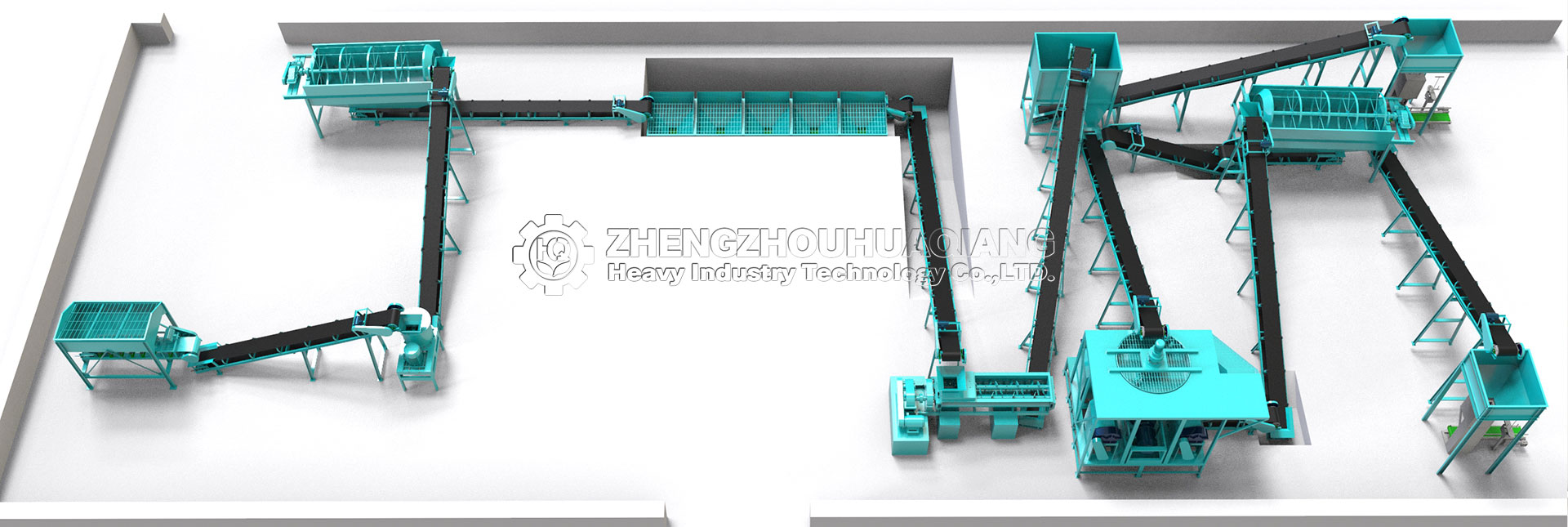
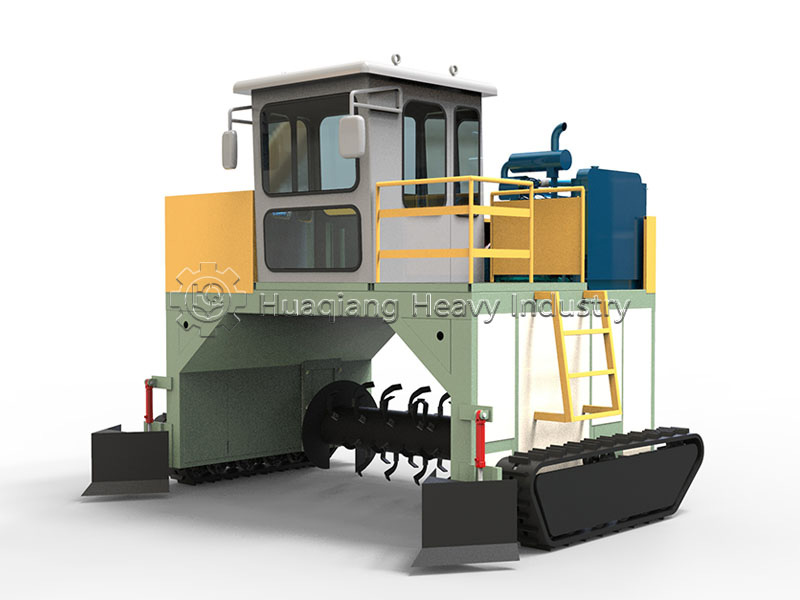
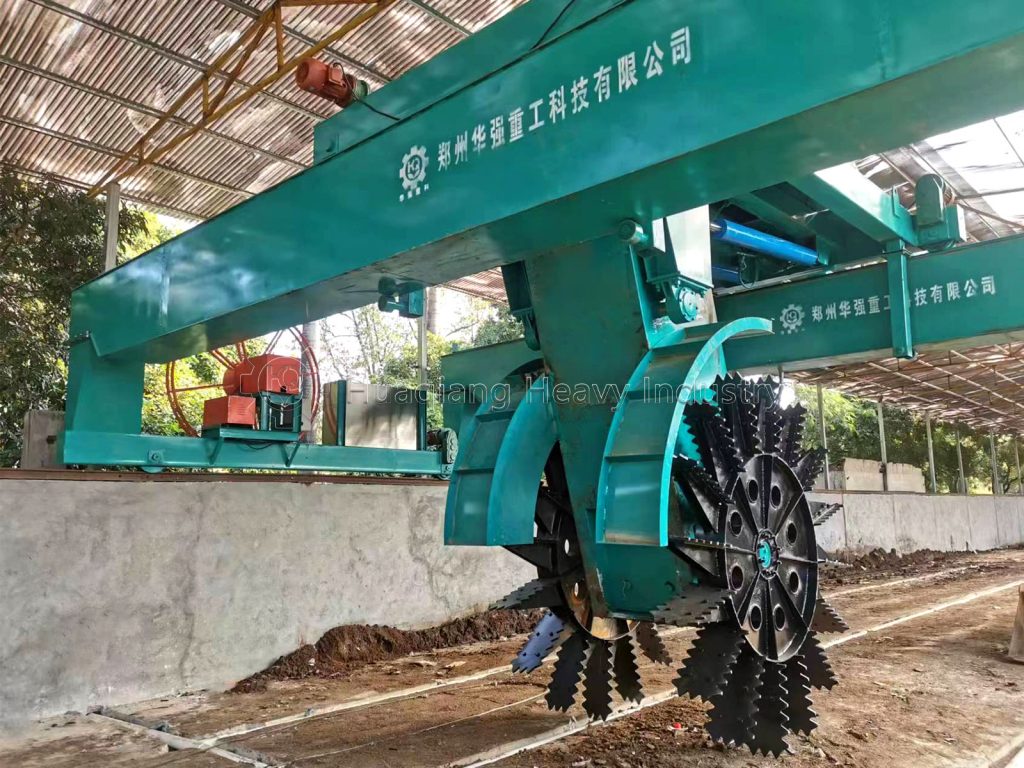
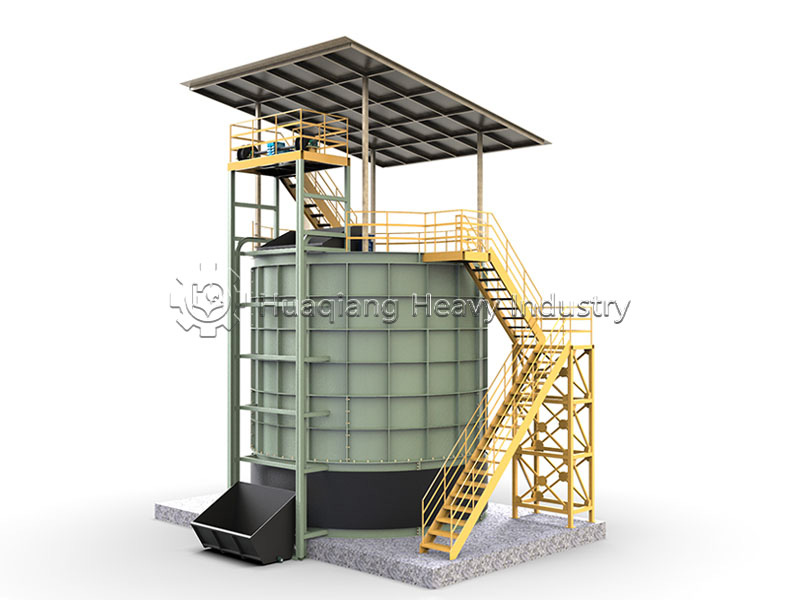
The diverse classification of organic fertilizers is supported by sophisticated manufacturing systems that transform raw materials into specialized products. Modern organic fertilizer manufacturing utilizes complete organic fertilizer production line systems that integrate various specialized equipment. The process begins with efficient organic fertilizer fermentation equipment, including the large wheel compost turning machine for large-scale operations, which ensures proper aeration and temperature control during the critical decomposition phase.

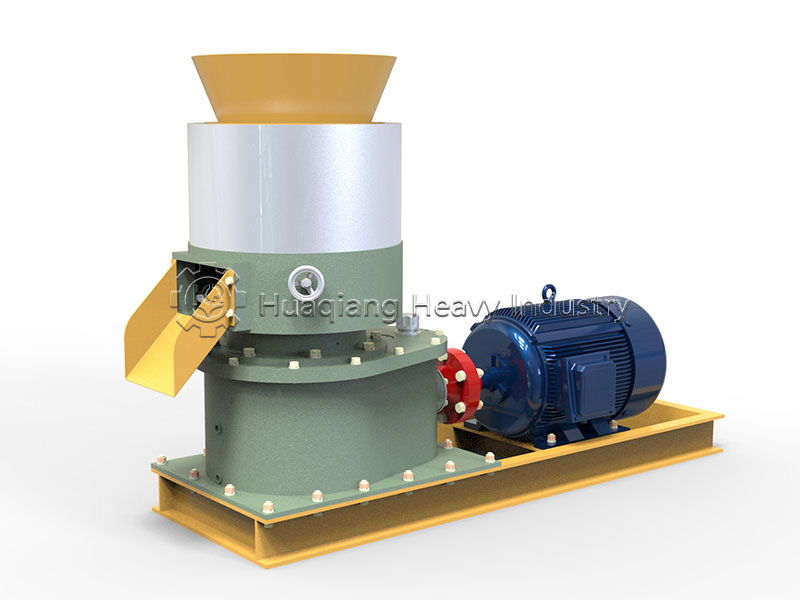
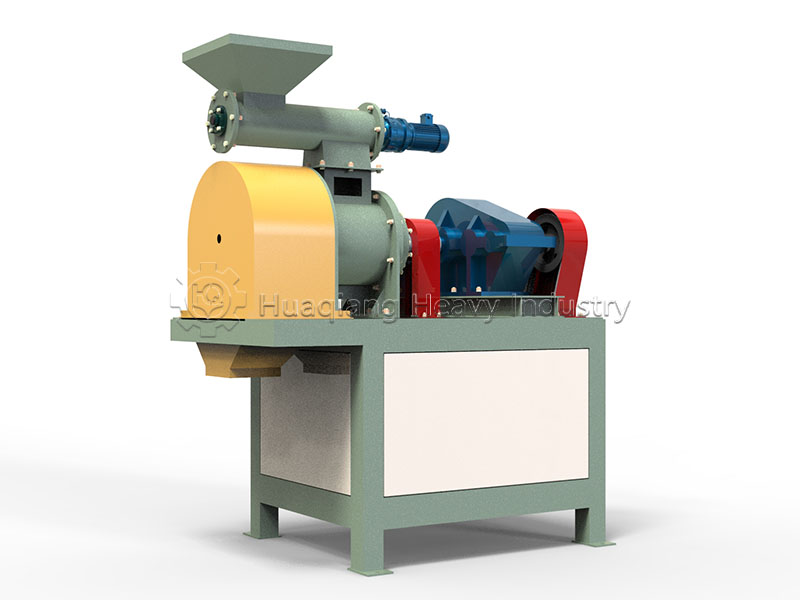
Following fermentation, the material proceeds to the organic fertilizer granulator for shaping into uniform, market-ready pellets. For specialized products, the bio organic fertilizer production line incorporates additional microbial inoculation stages to create fertilizers enriched with beneficial microorganisms. This integrated approach to organic fertilizer manufacturing enables the production of diverse fertilizer types – from general-purpose to crop-specific formulations – while maintaining quality consistency and maximizing the nutritional value derived from various organic waste sources. The continuous advancement of these production technologies supports the growing demand for sustainable fertilization solutions in modern agriculture.

The Principle of a Compost Turning Machine

In modern agriculture and environmental protection, compost turners have become indispensable equipment for organic waste processing. Through scientific turning operations, this innovative machinery efficiently transforms livestock manure, crop straw, food waste, and other organic materials into high-quality organic fertilizer, achieving the dual goals of resource recycling and environmental protection.

Working Principle: Creating Ideal Conditions for Microorganisms

The core function of compost turners is to create optimal living conditions for microorganisms that decompose organic matter. First, mechanical turning provides adequate oxygen to the compost pile, which is crucial for successful aerobic fermentation. When the pile becomes compacted with poor ventilation, anaerobic conditions develop, leading not only to inefficient fermentation but also to the release of harmful gases like hydrogen sulfide.

Using specialized blades or spiral structures, compost turners lift and break up the pile from the bottom, allowing air to fully penetrate the compost mass. This oxygen optimization ensures that aerobic microorganisms receive sufficient oxygen to maintain their efficient metabolic activities.

Secondly, by mixing materials from different temperature zones, compost turners maintain the entire pile within the ideal fermentation temperature range of 55-65°C. This temperature range effectively eliminates pathogens and weed seeds while protecting beneficial microorganisms from damage. Meanwhile, the mixing function ensures even distribution of moisture, carbon-nitrogen ratio, and microorganisms, preventing localized incomplete fermentation.

Multiple Benefits: Dual Improvement in Efficiency and Quality

Using compost turners can significantly reduce the traditional composting period from 3-6 months to just 15-45 days. This efficiency improvement not only speeds up organic fertilizer production but, more importantly, significantly enhances product quality. Organic fertilizer that undergoes uniform turning and thorough fermentation contains higher humus content, more balanced nutrient distribution, and is completely free from odors and harmful substances.

Environmentally, compost turners help solve the challenge of organic waste treatment. Livestock manure, food waste, and other organic materials achieve resource utilization through composting fermentation, with each ton of livestock manure producing 0.6-0.8 tons of high-quality organic fertilizer, reducing environmental pollution while creating economic value.

Agricultural Value: Promoting Sustainable Agriculture

Organic fertilizer produced using compost turners has significant effects on improving soil quality. Long-term application of organic fertilizer increases soil organic matter content, improves soil aggregate structure, and enhances soil water and nutrient retention capacity. This is particularly important for alleviating soil compaction problems caused by long-term chemical fertilizer use.

Beneficial microorganisms in organic fertilizer can regulate soil microecological balance and promote crop root development. This eco-friendly fertilization method aligns with the development trend of green agriculture, helping to reduce the use of chemical fertilizers and pesticides while promoting sustainable agricultural development.

Economic Benefits: Smart Choice for Large-Scale Production

Compared to traditional manual turning, compost turners offer clear advantages in economic benefits. A medium-sized compost turner can process the same volume of material as 50-100 laborers in a day, while ensuring better turning uniformity. This efficiency improvement makes large-scale organic fertilizer production feasible, providing economically viable solutions for livestock farms, organic fertilizer plants, and environmental treatment stations.

As global emphasis on sustainable agriculture and environmental protection continues to grow, compost turner technology is also continuously innovating and developing. In the future, intelligent and automated turning equipment will further optimize the composting process, making greater contributions to global organic waste treatment and resource recycling.

Advanced Composting Technology: Integrating Equipment and Process Optimization

Modern fermentation composting turning technology has revolutionized the organic fertilizer fermentation process, with specialized equipment playing a crucial role in optimizing biological transformation. The trough-type compost turner and hydraulic trough compost turner provide precise control for indoor operations, while the large wheel compost turner and windrow compost turner handle large-scale outdoor composting with exceptional efficiency. For challenging materials, the chain compost turning machine offers robust performance in breaking down dense organic matter.

These essential equipments required for biofertilizer production work in harmony to implement sophisticated fermentation composting technology for organic fertilizer, maintaining optimal temperature, aeration, and moisture levels throughout the composting cycle. The integration of these specialized turning machines with comprehensive fermentation management systems ensures efficient decomposition while preserving valuable nutrients and beneficial microorganisms. This technological synergy not only accelerates the transformation of organic waste into high-quality fertilizer but also supports the principles of circular economy and sustainable agriculture, creating a closed-loop system where waste becomes valuable resources for soil health and crop productivity.

What is the industrial production process for NPK fertilizer?

Industrial Production Overview

The industrial production of NPK compound fertilizer is a highly automated and standardized process designed to precisely control the ratio of nitrogen, phosphorus, and potassium nutrients while ensuring the product’s physical properties and chemical stability. Modern NPK fertilizer production plants employ continuous production lines where each step, from raw material processing to final packaging, is carefully designed and strictly controlled.

The core advantage of industrial production lies in its ability to achieve large-scale, high-efficiency manufacturing while ensuring product quality consistency and stability. Through automated control systems and strict quality management systems, modern NPK fertilizer plants can produce various formula products that meet the needs of different crops.

Core Production Process

Raw Material Preparation and Batching Mixing

The production process begins with precise proportioning of raw materials. Basic materials such as urea, monoammonium phosphate, and potassium chloride require strict quality testing to ensure nutrient content meets requirements. Automated batching systems use precision measuring equipment to transport various raw materials to mixing equipment according to preset formula ratios. Efficient mixing processes ensure thorough and uniform mixing of all raw materials, laying the foundation for subsequent granulation processes.

Granulation Process

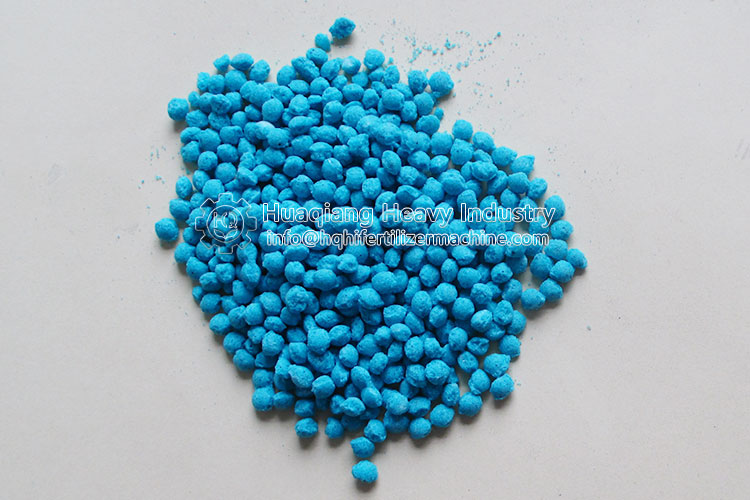
Granulation is the core link in NPK compound fertilizer production. Drum granulation is currently the most mainstream process, where powdered raw materials gradually agglomerate into uniform particles through rotating drums and precisely controlled steam and binder addition. The pelletizing method is more suitable for producing products containing trace elements or special additives. Regardless of the process used, precise control of granulation temperature, humidity, and rotation speed is key to ensuring particle quality.

Drying, Cooling, and Screening

Wet particles after granulation need to undergo a drying process to reduce moisture content, preventing product caking or mold during storage. Strict control of drying temperature is crucial, as excessive temperatures can cause nutrient loss. The cooling process ensures product temperature drops to ambient levels, avoiding quality issues after packaging. The screening process classifies products by particle size through multi-layer vibrating screens, ensuring the final product has uniform particle size.

Quality Control and Post-treatment

Anti-caking Treatment

To prevent product caking during storage and transportation, NPK compound fertilizers require anti-caking treatment. By spraying special anti-caking agents on particle surfaces, a protective film is formed that effectively prevents adhesion between particles. This process is crucial for maintaining product flowability and ease of use.

Quality Testing System

Industrial production establishes comprehensive quality testing systems, including online detection and laboratory analysis. Advanced equipment such as near-infrared spectrometers can monitor product nutrient content and moisture in real-time, ensuring each batch of products meets national standards and customer requirements. Strict testing procedures guarantee product quality stability and reliability.

Environmental Protection and Automation

Modern NPK fertilizer plants place high importance on environmental protection, equipped with complete exhaust gas and wastewater treatment systems. Automated control systems not only improve production efficiency but also reduce human operational errors, ensuring production process stability and product consistency. From raw material input to finished product packaging, the entire production process achieves a high degree of automation.

Advantages and Challenges of Industrial Production

The industrial production of NPK compound fertilizer has obvious scale advantages, enabling the production of high-quality products at lower costs. However, this also places higher demands on enterprises’ technical capabilities and management levels. Large equipment investments, complex process control, and strict environmental requirements are all challenges that production enterprises must face.

With the continuous development of agricultural technology and increasingly stringent environmental requirements, NPK compound fertilizer production processes are also continuously improving and innovating. In the future, more energy-efficient, environmentally friendly, and intelligent production processes will become the mainstream direction of industry development, providing higher quality and more efficient fertilizer products for global agricultural production.

Integrated Production Systems in Modern NPK Fertilizer Manufacturing

The complete npk fertilizer production line represents a sophisticated integration of specialized equipment designed for precision and efficiency. The process begins with the npk blending machine and npk bulk blending machine, which ensure accurate formulation ratios, while the fertilizer mixer machine guarantees homogeneous distribution of all components. This precise blending forms the critical foundation for the subsequent npk fertilizer manufacturing process.

At the heart of the production system lies advanced npk granulation machine technology, where equipment like the npk fertilizer granulator machine and disc granulator machine transform mixed powders into uniform granules. These npk granulation machine systems work in concert with drying, cooling, and screening equipment to produce consistent, high-quality fertilizer products. The evolution of npk fertilizer granulator technology continues to drive improvements in production efficiency, product quality, and environmental performance, supporting the global agricultural sector’s need for reliable, precisely formulated fertilizers that meet the specific nutritional requirements of diverse crops and growing conditions.

Drum Granulator: Core of Particle Manufacturing

Fundamental Principles of Granulation Technology

Granulators are essential equipment that transform powdered, lump, or molten raw materials into uniform particles. Their core working principle is based on three fundamental processes: “agglomeration, bonding, and forming.” Through external forces such as mechanical motion or fluid impact, raw material particles are brought closer together, and with the help of binding media, liquid bridges form on particle surfaces, ultimately resulting in stable granular products after drying and solidification.

The universal granulation process includes three basic steps: First, mixing and pretreatment, where powdered raw materials are uniformly mixed with binders; followed by the particle formation stage, where mechanical action causes the moistened raw materials to agglomerate into nuclei and gradually grow; finally, solidification and screening through drying and sieving to obtain qualified products.

Working Mechanism of Drum Granulators

In NPK compound fertilizer production, drum granulators have become the preferred equipment due to their outstanding performance, occupying over 60% of the market share. This equipment utilizes the rotational motion of an inclined drum to achieve continuous mixing, agglomeration, and granulation processes.

Material Feeding and Initial Mixing

Powdered raw materials such as urea powder, monoammonium phosphate powder, and potassium chloride powder are continuously fed into the drum inclined at 3-6 degrees after precise measurement. Simultaneously, 50%-70% concentration urea solution or other binders are evenly sprayed onto the material surface through atomizing nozzles, providing appropriate moisture to the powder.

Nuclei Formation and Particle Growth

Moistened powder begins to collide and adhere under the combined action of centrifugal force, gravity, and friction generated by drum rotation. Initially, microscopic nuclei approximately 0.5 mm in diameter form, which then continuously adsorb surrounding powder like rolling snowballs, gradually growing to the target particle size of 2-4 mm.

Particle Shaping and Strength Enhancement

During continuous rolling and collision within the drum, the internal structure of particles becomes more compact, and surfaces become smoother. Binders form solid bridges inside particles, significantly enhancing particle strength. Compound fertilizer particles typically need to achieve compressive strength of 15 Newtons per particle or more to ensure they don’t break during transportation.

Key Process Parameter Control

Successful granulation requires precise control of multiple key parameters. The drum inclination angle directly affects material movement speed – larger angles result in shorter residence times and smaller particles, while smaller angles allow longer granulation times and larger particle formation.

Drum rotation speed is another critical factor, typically maintained in the range of 15-30 rpm. Excessive speed causes materials to adhere to the drum wall due to centrifugal force, preventing effective rolling agglomeration; insufficient speed reduces particle collision frequency, affecting granulation efficiency.

Material moisture content must be strictly controlled between 8%-15%. Insufficient moisture results in inadequate viscosity, preventing stable particle formation; excessive moisture causes materials to form large lumps, affecting product quality and production continuity.

Technical Advantages and Application Prospects

The design of drum granulators perfectly aligns with the modern fertilizer industry’s requirements for large-scale, continuous production. Single production line capacity can reach 200,000-600,000 tons annually, with simple operation and maintenance, and excellent particle uniformity. Although there are certain requirements for raw material particle size (over 90% of powder must pass through an 80-mesh sieve), their outstanding comprehensive performance makes them the ideal choice for NPK compound fertilizer production.

With the growing global agricultural demand for efficient fertilizers, drum granulation technology will continue to play a central role in fertilizer production processes, providing reliable technical support for world food security.

Integrated Granulation Systems in Modern Fertilizer Manufacturing

The rotary drum granulator represents a cornerstone technology within the comprehensive npk manufacturing process, perfectly adapted for large-scale continuous production. This equipment’s efficiency is maximized when integrated with complementary machinery like the rotary screener, which ensures precise particle size classification and returns off-spec material for reprocessing. Together, they form a critical subsystem within the broader npk fertilizer production process.

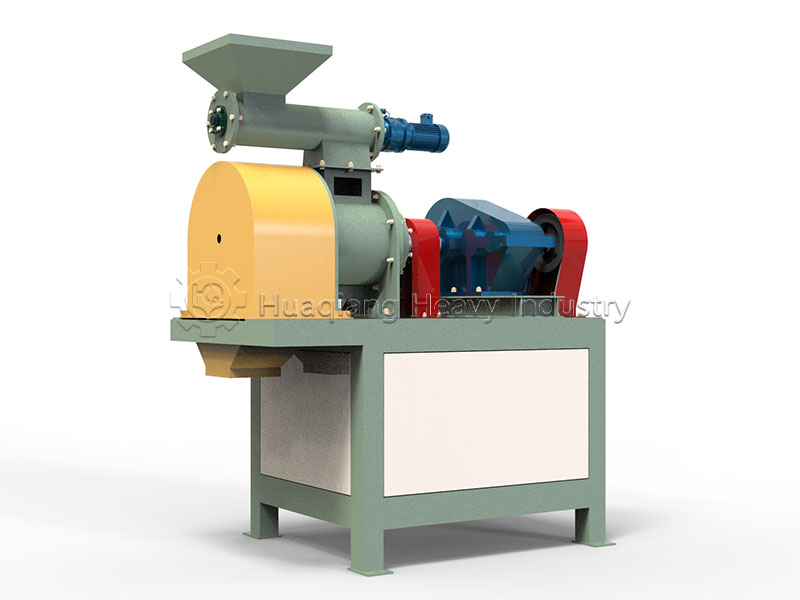
While the drum granulator excels with specific raw materials, alternative technologies like the fertilizer compaction machine offer dry granulation solutions for different production needs. The ongoing advancement of npk fertilizer production technology continues to optimize these integrated systems, enhancing granulation efficiency, product quality, and overall sustainability in the global fertilizer industry to meet rising agricultural demands.