Fallen leaves become a source of fertilizer! A practical guide to large-scale composting

The accumulation of fallen leaves in late autumn, often considered a nuisance, has become a valuable, low-cost raw material for organic fertilizer plants. Utilizing fallen leaves for composting not only solves the environmental problem of leaf disposal but also enriches the supply of organic fertilizer raw materials and reduces production costs.

Step 1: Raw Material Collection and Pre-treatment.

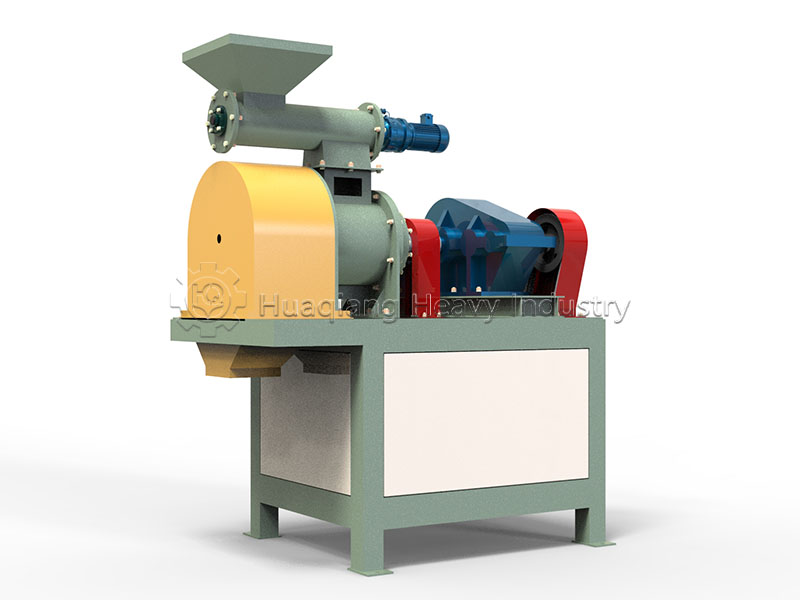
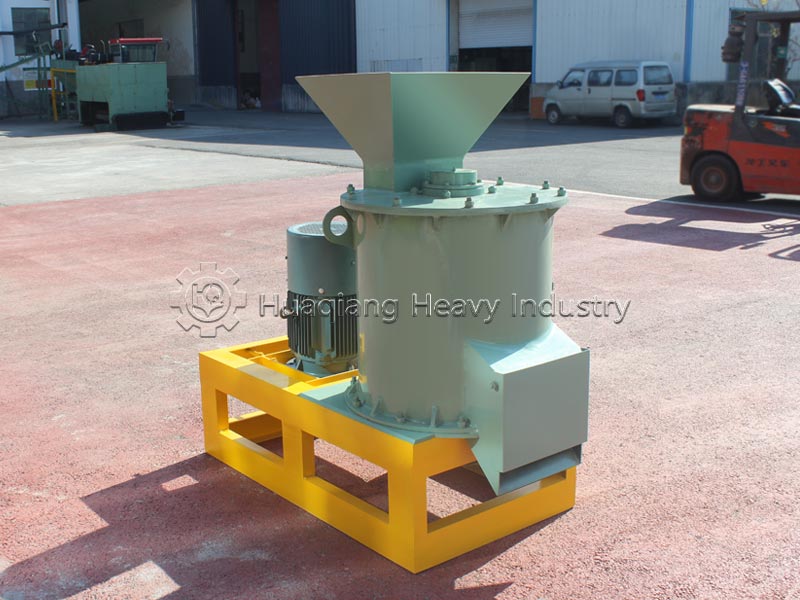
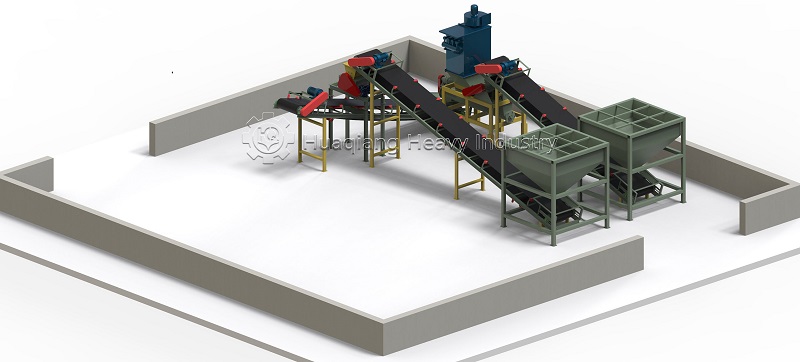
Organic fertilizer plants need to collect healthy fallen leaves in bulk from gardens, scenic spots, and other locations, avoiding diseased, moldy, or oil-contaminated leaves. The leaves are transported to the pre-treatment workshop via conveyor belts. Screening equipment is used to remove stones, branches, and other impurities, and then a fertilizer crusher is used to shred the leaves to a particle size of 2-3 centimeters to increase the surface area and accelerate the decomposition process.

Step 2: Scientific Proportioning and Mixing.

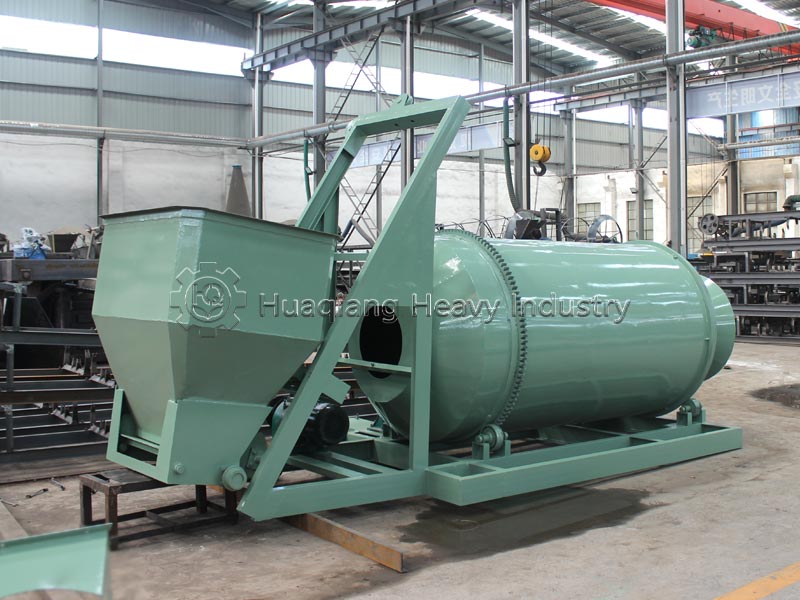
Fallen leaves are a carbon source material and need to be combined with nitrogen source materials such as livestock and poultry manure and fermentation agents at a carbon-to-nitrogen ratio of 25:1-30:1. A fertilizer mixer machine is used to uniformly mix the shredded leaves, nitrogen sources, and an appropriate amount of composting microorganisms. Water is sprayed to adjust the moisture content to 55%-60%, providing a suitable environment for microbial fermentation.

Step 3: Large-Scale Fermentation and Management.

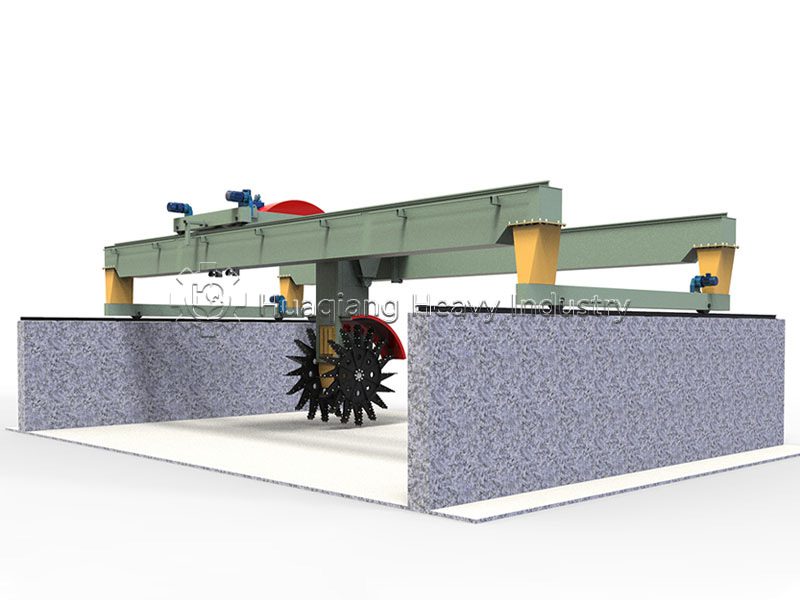
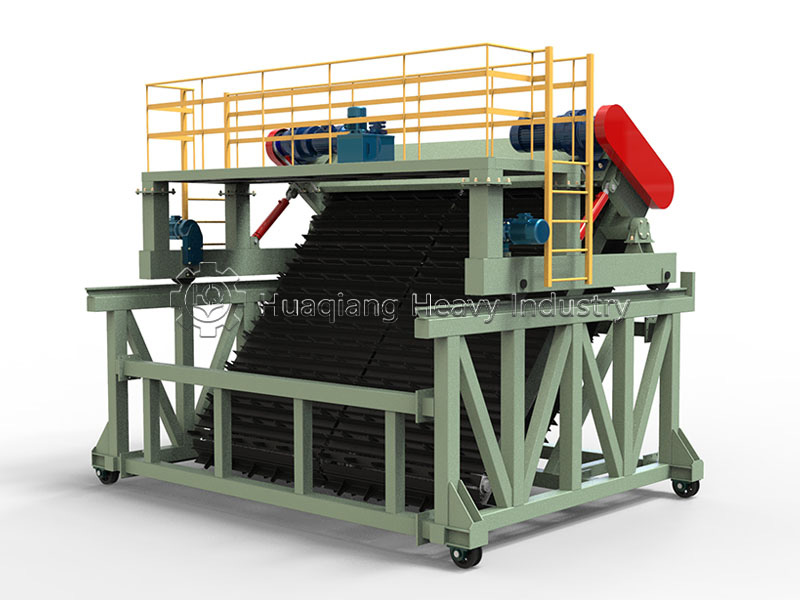
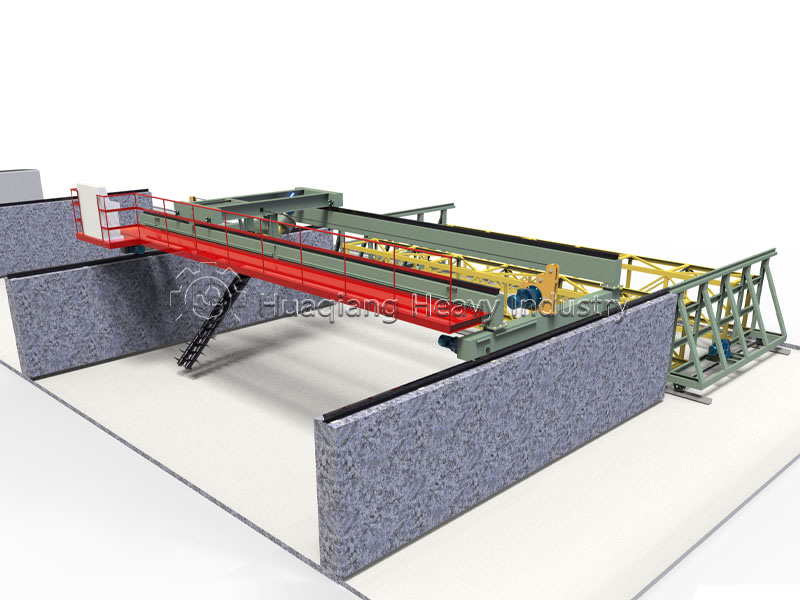
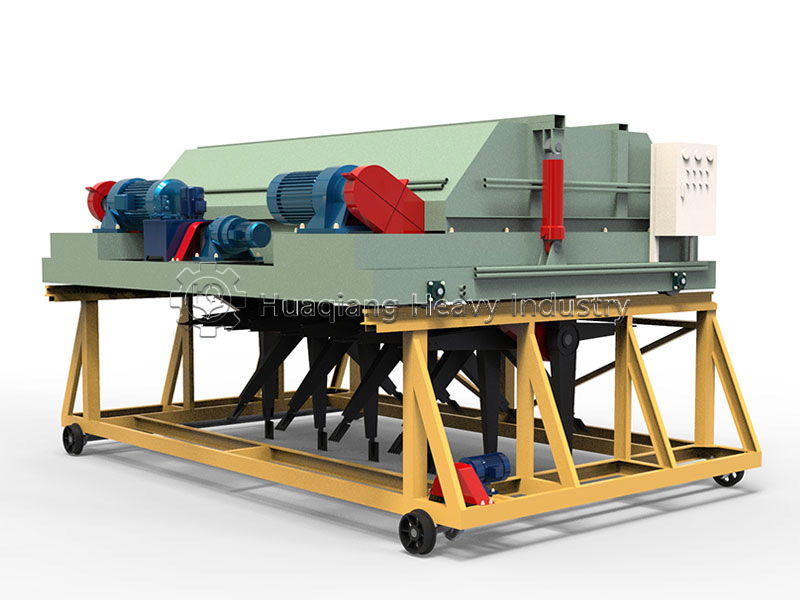
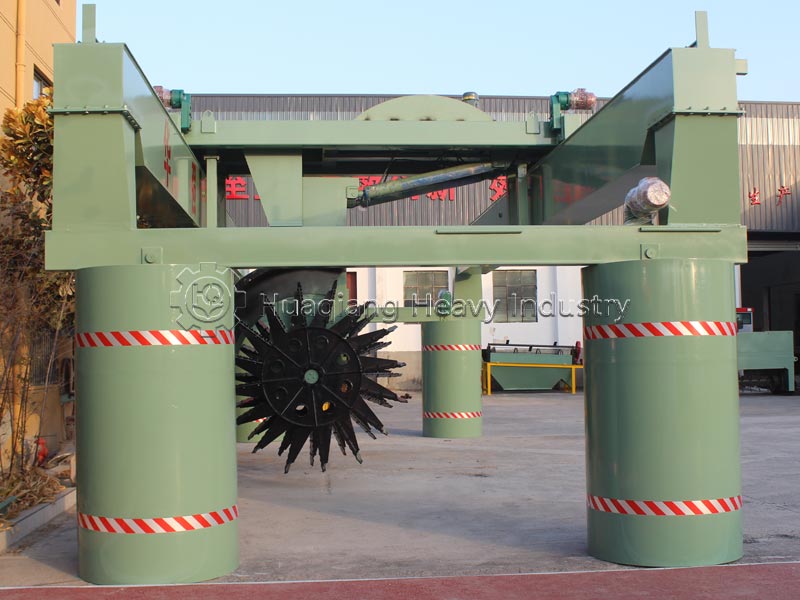
The mixed materials are transferred to fermentation tanks, using either windrow or trench composting methods. An organic compost turning machine is used for regular turning to ensure proper aeration of the compost pile. The pile temperature is monitored throughout the process, maintaining a high temperature of 55-65°C for 15-20 days. This kills pathogens and insect eggs while promoting the decomposition of organic matter.

Step 4: Post-Composting Processing.

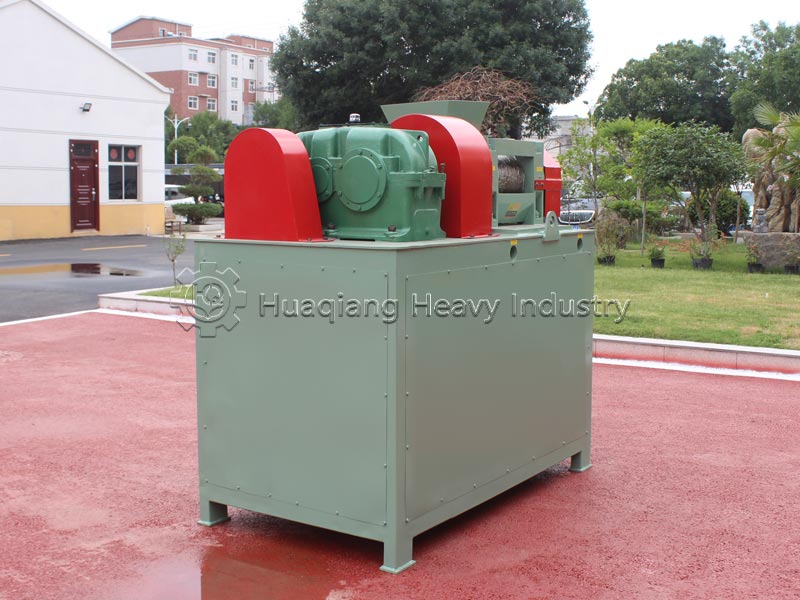
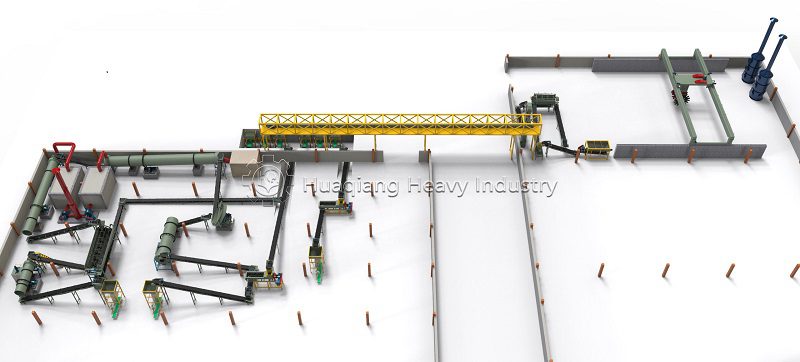
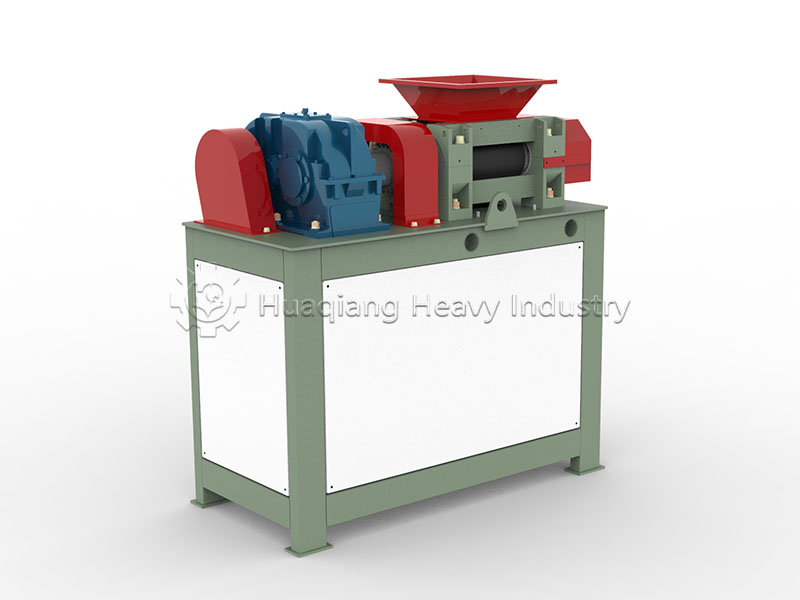
Once the compost turns dark brown, becomes loose in texture, and has no odor, the composting process is complete. After screening to remove undecomposed impurities, the compost can be mixed with other nutrient materials according to market demand. A organic fertilizer granulator is used to produce granular organic fertilizer, which is then dried, cooled, and packaged before being stored in the warehouse as a qualified commercial organic fertilizer.

Technical Details of the Single Silo Single Weight Automatic Batching System

The single silo single weight automatic batching system is an automated equipment used for precise metering and mixing of multiple materials.  With its core advantages of high precision and high automation, it is widely used in various industrial fields such as chemical, pharmaceutical, food, and building materials. This system precisely measures each material through independent weighing units and then mixes them according to preset formula ratios, fundamentally ensuring the stability of product quality and significantly improving the efficiency of the production process. It is a key equipment for achieving refined batching in modern industrial production.

Equipment Structure and Composition

The single silo single weight automatic batching system adopts a modular design, with each component working together to achieve precise batching. Its core structure mainly consists of the following six parts:

  1. Material Bins (Raw Material Storage Unit)

As the core component for raw material storage, the material bins adopt an independent design, with each bin corresponding to one type of raw material, effectively preventing cross-contamination of different materials. The bin material can be selected from stainless steel, carbon steel, etc., depending on the characteristics of the raw materials. In some special scenarios (such as food and pharmaceuticals), polished stainless steel is used to ensure compliance with industry hygiene standards. The top of the bin is usually equipped with a dust cover and a level gauge to monitor the raw material inventory in the bin in real time, preventing material shortages or overflows.

  1. Weighing Unit (Core of Precise Measurement)

The weighing unit is crucial for ensuring batching accuracy. Each material bin is equipped with an independent high-precision electronic scale, whose range and accuracy can be customized according to batching requirements (the conventional accuracy range is ±0.1% to ±0.5%). The electronic scale adopts a suspended installation structure to reduce the impact of equipment vibration on measurement accuracy. It is also equipped with a weighing sensor and a data acquisition module, which can transmit weight data to the control system in real time, enabling dynamic weighing monitoring. 3. Conveying Device (Material Transfer Hub)

Responsible for transferring materials from the storage silo to the weighing unit or subsequent mixing equipment.  The appropriate conveying method is selected based on the material form (powder, granules, liquid) and conveying distance:

Screw conveyor: Suitable for powder and fine granular materials; its enclosed structure reduces dust leakage, and it offers stable conveying efficiency;

Belt conveyor: Suitable for larger granular or bulk materials; it has adjustable conveying speed and low maintenance costs;

Pneumatic conveying system: For materials that are easily airborne and require high precision (such as pharmaceutical raw materials), a closed pneumatic conveying system is used to avoid material loss and contamination.

  1. Mixer (Material Homogenization Equipment)

Used to uniformly mix multiple materials according to the formula ratio after precise weighing. Different types of mixing equipment can be selected based on material characteristics, such as ribbon mixers (suitable for powder and granular mixing), paddle mixers (suitable for high-viscosity materials), and V-type mixers (suitable for high-precision mixing scenarios in pharmaceuticals, food, etc.). The mixer is equipped with time control and speed adjustment functions to ensure that the mixing uniformity meets production requirements.

  1. Control System (Equipment Operation Hub)

Using a PLC (Programmable Logic Controller) or microcomputer control system, this is the “brain” of the entire batching system. The system has the following core functions:

Formula management: Can store hundreds of different formulas, supporting quick formula recall and modification;

Process control: Automatically controls all process actions such as material conveying, weighing, mixing, and unloading, enabling unmanned operation;

Data monitoring: Real-time display of the operating status of each link, material weight, formula execution progress, and other data, supporting data recording and traceability;

Fault alarm: When there is a shortage of materials, overweight, equipment failure, etc., it will promptly issue an audible and visual alarm and display the cause of the fault.

The control system is equipped with a user-friendly human-machine interface (HMI), using a touch screen for operation. Parameter settings are simple and intuitive, making it easy for operators to use.

6. Safety Protection System (Ensuring Operational Safety)

To ensure the safety of equipment and operators, the system is equipped with comprehensive safety protection devices:

Overload protection: When the weight of the weighing unit exceeds the rated range, the power supply to the conveying device is automatically cut off to prevent equipment damage;

Emergency stop device: Emergency stop buttons are installed at critical positions of the equipment for quick shutdown in case of emergencies;

Dustproof and explosion-proof design: For flammable and explosive environments such as chemical and pharmaceutical industries, explosion-proof motors and sealed structures are used, meeting explosion-proof rating requirements;

Protective barriers and warning signs: Protective barriers are installed for moving parts, and operation warning signs are posted at critical positions of the equipment.

Working Principle

The single-bin automatic weighing and batching system achieves automated batching through a closed-loop process of “preset formula → precise metering → coordinated conveying → uniform mixing → automatic unloading”. The specific working steps are as follows:

Formula parameter setting: The operator inputs the types of materials required for production, the proportion of each material, and the total batching amount through the human-machine interface. The system stores the parameters and generates a production task order;

Material conveying and weighing: After the system starts, it controls the opening of the discharge valve of the corresponding material bin according to the formula sequence, and the material enters the independent weighing unit through the conveying device. The electronic scale collects material weight data in real time and feeds it back to the control system. When the weight reaches the preset value, the control system precisely closes the discharge valve, completing the metering of that material;

Multi-material coordinated metering: Following the above steps, the independent weighing of all formula materials is completed in sequence, ensuring that the weight error of each material is controlled within the allowable range;

Mixing and unloading: After all materials are metered, the control system controls the opening of the discharge door of the weighing unit, and the materials enter the mixer. The mixer operates according to the preset time and speed. After the materials are uniformly mixed, the mixed materials are automatically unloaded to the subsequent process (such as packaging machine, granulator, etc.);

Cyclic operation: After one batching is completed, the system automatically cleans the residual materials in the weighing unit (some equipment is equipped with an automatic blowing function), and executes the next batching task according to the production plan, achieving continuous production. III. Core Features of the Equipment

The single silo single weight automatic batching system demonstrates significant performance characteristics in industrial production thanks to its advanced design and technological advantages:

  1. High Batching Accuracy, Ensuring Stable Product Quality

The independent weighing design of “one bin, one scale” avoids the problem of material interference in traditional mixed weighing.  Combined with high-precision electronic scales and dynamic weighing algorithms, it ensures that the batching error for each material is controlled within ±0.1% to ±0.5%. Precise batching ratios effectively prevent product quality fluctuations caused by deviations in raw material ratios, improving the product pass rate.

  1. High Degree of Automation, Improving Production Efficiency

The entire process, from formula setting, material conveying, weighing, mixing to unloading, is automatically controlled, requiring no manual intervention, significantly reducing the intensity of manual labor. Compared with traditional manual batching, production efficiency is increased by 30% to 50%, while avoiding human errors in the manual batching process (such as weighing errors, incorrect batching sequence, etc.), making it suitable for large-scale continuous production.

  1. Strong Adaptability, Meeting the Needs of Multiple Scenarios

It can flexibly adapt to different forms of materials (powder, granules, liquids, blocks, etc.), supports rapid switching of multiple formulas, and meets the production needs of different industries such as chemical, pharmaceutical, food, and building materials. The equipment’s weighing range, conveying speed, mixing time, and other parameters can be customized according to actual production needs, providing strong scalability.

  1. Convenient Operation and Low Maintenance Costs

The user-friendly human-machine interface makes parameter setting, formula management, and equipment monitoring simple and intuitive. Operators can be trained quickly. The equipment adopts a modular structure design, making the assembly and disassembly of components convenient. Key wear parts (such as conveyor belts and weighing sensors) are highly interchangeable, facilitating maintenance and reducing maintenance costs.

  1. Safe and Environmentally Friendly, Compliant with Industry Standards

A complete safety protection system ensures the safety of equipment and personnel, reducing the risk of production accidents. The enclosed material bins and conveying system effectively reduce dust leakage and material volatilization, meeting environmental protection requirements; for industries such as food and pharmaceuticals, the equipment materials and structural design comply with GMP and other industry hygiene standards, preventing material contamination. IV. Typical Application Scenarios

Chemical Industry: Used for the raw material blending of products such as coatings, dyes, and rubber, precisely controlling the proportion of each component to ensure stable product performance;

Pharmaceutical Industry: Suitable for high-precision ingredient dispensing of pharmaceutical raw materials (powders, granules), complying with GMP standards and avoiding cross-contamination;

Food Industry: Used for the mixing and blending of food raw materials such as flour, starch, and additives, ensuring consistent food taste and quality;

Building Materials Industry: Applicable to the raw material proportioning of building materials such as concrete, mortar, and tile adhesive, improving performance indicators such as material strength;

Fertilizer Industry: Used for the mixing of raw materials for products such as NPK compound fertilizers and organic-inorganic compound fertilizers, precisely controlling the proportion of nutrients such as nitrogen, phosphorus, and potassium.

Integrating Precision Batching into Modern Granulation Systems

The single silo single weight automatic batching system is the critical first step in ensuring formula accuracy for modern fertilizer production. In a complete npk fertilizer production line, this precision is realized by a npk blending machine, which ensures the exact N-P-K ratio before the material enters the granulation stage. The uniformly blended powder then proceeds to the core fertilizer granulation processes, where it is shaped into final product form.

The choice of granulation technology depends on the product type. For standard compound fertilizers, a disc granulator for shaping spherical pellets is often used in a disc granulation production line. Alternatively, a double roller press granulator forms the basis of a dry roller press granulator production line. This same principle of precise batching and subsequent shaping applies to the organic fertilizer production line and the bio organic fertilizer production line. Whether the final shaping is done by a disc granulator machine or another type of fertilizer granulator, the integration of automated, high-accuracy batching with advanced granulation is fundamental to producing consistent, high-quality fertilizers that meet specific agricultural nutrient requirements.

Co-Composting: The Green Rebirth of Oil Palm Waste

Malaysia is a core region for global palm oil production, and its processing generates a large amount of waste, including empty fruit bunches (EFB), palm oil mill effluent (POME), and oil palm defatted cake (OPDC). Traditional methods of handling these wastes often lead to serious environmental problems, such as water pollution and greenhouse gas emissions. To address this challenge, co-composting technology has emerged, aiming to transform these wastes into valuable organic fertilizers, achieving a transformation from “pollution source” to “nutrient source.”

Experimental Design and Methods

A systematic study was conducted at the composting plant of the FELCRA palm oil mill in Maran. The experiment used shredded EFB with a moisture content of 60% as the base material and set up four treatment groups: a pure EFB control group (1:0), an experimental group with an EFB to POME ratio of 1:2, an experimental group with a ratio of 1:3, and an experimental group with the addition of OPDC (EFB: POME: OPDC = 1:3:0.2).  POME was used as a moisture regulator and auxiliary nutrient source, while nitrogen-rich OPDC was used to optimize the carbon-nitrogen ratio of the compost. During the experiment, the compost piles were turned weekly to ensure good ventilation and promote the activity of aerobic microorganisms.

Dynamic Changes in the Composting Process

After ten weeks of fermentation, all experimental groups successfully matured, exhibiting the typical characteristics of a deep brown color and earthy smell. Key physicochemical indicators revealed the dynamic patterns of the composting process:

pH Value: The pH value of all compost piles continuously increased, changing from a weakly alkaline to a strongly alkaline environment. This not only conforms to the natural law of alkali production during organic matter decomposition but also effectively inhibits the activity of pathogenic bacteria and weed seeds.

Temperature: In the early stages of fermentation, the temperature of the compost piles increased significantly due to the heat released by microorganisms decomposing organic matter. As fermentation progressed to the later stages, the temperature gradually returned to ambient temperature, indicating a decrease in microbial activity and the stabilization of the compost.

Carbon-Nitrogen Ratio: The carbon-nitrogen ratio of all experimental groups decreased significantly. This is because microorganisms consumed carbon as an energy source during the decomposition process, while nitrogen was retained more in the compost pile. The carbon-to-nitrogen ratio is a core indicator for measuring the maturity of compost, and its decrease indicates more thorough decomposition of organic matter.

Nutrient content: The nitrogen, phosphorus, and potassium content of the final compost product is significantly increased. This is due to the mineralization and decomposition of organic matter, which converts nutrients from complex organic forms into inorganic forms that are easily absorbed by plants, achieving nutrient enrichment and transformation.

Outstanding Performance of the Optimal Ratio Group

Among all treatments, the experimental group with EFB, POME, and OPDC mixed in a ratio of 1:3:0.2 performed the best and was identified as the optimal ratio scheme. Its advantages are reflected in several aspects:

First, the final carbon-to-nitrogen ratio of this group was 23.64, which falls perfectly within the ideal range for mature organic fertilizer (20-25). This is far superior to other experimental groups, indicating the highest degree of compost maturity. Such an ideal carbon-to-nitrogen ratio means that the compost will not compete with crops for nitrogen after being applied to the soil, which is beneficial for crop growth.

Secondly, the pH value of the compost reached 8.4, showing strong alkalinity. This characteristic not only meets the soil acidity and alkalinity requirements of most crops but also has good sterilization and weed control effects, improving the safety of the compost product.

In terms of nutrients, the nitrogen, phosphorus, and potassium content of this group’s compost reached 1.57%, 0.21%, and 0.65%, respectively.  The nutrients are not only balanced but also significantly higher than the control group and the experimental group with only POME added, showing superior fertilizer efficiency.

The addition of OPDC was the key to success. As a high-nitrogen raw material, OPDC effectively neutralized the excessively high carbon-to-nitrogen ratio of EFB, providing sufficient nitrogen sources for microorganisms, thereby accelerating microbial metabolism and reproduction, shortening the composting cycle, and improving overall efficiency.

Value and Prospects of Technological Application

This research has significant technological application value. In terms of environmental benefits, the co-composting technology simultaneously processes three major palm oil processing wastes, greatly reducing environmental pollution caused by incineration, landfill, or direct discharge, especially avoiding the eutrophication of water bodies that may be caused by the direct discharge of POME, strongly promoting the palm oil industry towards a “zero-emission” goal.

The economic benefits are also significant. The high-quality organic fertilizer produced can be directly reused in oil palm plantations, replacing some chemical fertilizers and reducing cultivation costs. At the same time, the resource utilization of waste materials opens up new revenue streams for the company.

More importantly, this research provides a replicable and scalable waste management technology solution for global palm oil producing regions. By identifying the optimal ratio, it sets an example for the industry to achieve a win-win situation of environmental sustainability and economic viability, contributing valuable practical experience to the green transformation of global agriculture.

From Co-Composting to Commercial Fertilizer Production

The co-composting of palm oil wastes such as oil palm empty fruit bunch (EFB) demonstrates a high-value uses of oil palm empty fruit bunch, leveraging its unique oil palm empty fruit bunch composition for sustainable organic fertilizer manufacturing. The optimized fermentation process for EFB, POME, and OPDC is a prime example of efficient organic fertilizer fermentation. To scale this successful laboratory process, the stabilized compost must be integrated into a complete organic fertilizer production line. This requires specialized equipment to handle the industrial scale.

Efficient is critical for large-scale decomposition and is implemented using machines like the chain compost turning machine. Following complete maturation, the compost proceeds to granulation, where equipment such as a new type two in one organic fertilizer granulator can be used to mix and shape the material into uniform pellets. This entire system can be configured as a bio organic fertilizer production line to further enhance the product with beneficial microbes. This integrated approach closes the loop in palm oil production, transforming problematic waste into a valuable, market-ready soil amendment that supports the industry’s sustainability and circular economy goals.

What are the scientific principles behind composting?

Introduction: Nature’s Ultimate Recycling Station

In a corner of your garden or farm, a seemingly ordinary pile of fallen leaves, vegetable scraps, and kitchen waste is quietly hosting one of Earth’s oldest and most exquisite life cycles. This process—composting—is not mere decay but a grand biological transformation project orchestrated by billions of microorganisms. It magically converts discarded organic matter into “black gold”—humus, which not only nourishes plants but also improves soil. Understanding the science behind composting is to understand the wisdom of natural cycles, enabling us to more efficiently mimic and optimize this process, turning waste into treasure.

First Movement: The Four-Season Symphony of Microorganisms

If the composting process is likened to a symphony, then different types of microorganisms are the musicians, appearing on stage in strict sequence according to the “score,” collaborating to complete this movement of life.

Spring Overture: The Mesophilic Phase

When organic materials are mixed and piled, the “pioneer troops”—mesophilic bacteria and fungi (e.g., Bacillus, yeasts)—rapidly multiply. They prefer “fast food,” prioritizing the decomposition of simple organic compounds like sugars, starches, and proteins. Like lighting a bonfire, their rapid metabolism releases heat, raising the pile temperature from ambient to 40-50°C within 1-2 days. This phase primarily involves rapid energy release and breakdown of basic substances.

Summer Climax: The Thermophilic Phase

Temperatures exceeding 55°C mark the climax of the movement. The “specialist team”—thermophilic bacteria and actinomycetes—take the lead. They can break down the “tough bones” in plant fibers like cellulose and hemicellulose. This phase maintains high temperatures of 55-70°C for 5-7 days, ensuring the safety of the compost. The heat acts like natural pasteurization, effectively killing pathogens, parasite eggs, and weed seeds, achieving waste sanitization. Simultaneously, complex organic matter is further dismantled.

Autumn Settlement: The Cooling Phase

As the “tough bones” are largely consumed and food diminishes, thermophilic activity wanes, and the temperature begins to drop below 40°C. At this point, another group of mesophilic microorganisms returns, starting to process the most stubborn remaining substances like lignin, and using simple compounds produced earlier as “building blocks” to synthesize precursors of humus—a critical turning point from “dismantling” to “rebuilding.”

Winter Maturation: The Maturation Phase

Finally, the temperature stabilizes at ambient levels. Microbial communities dominated by actinomycetes become the “architects,” synthesizing stable, complex humic macromolecules from substances like amino acids and phenols. The pile becomes loose, dark brown, and emits a fresh earthy smell. The product at this stage is not just fertilizer but a “soil conditioner” that can long-term improve soil structure, water retention, and nutrient-holding capacity.

Second Movement: The Dance of Elemental Cycles

While microorganisms metabolize, elements like carbon and nitrogen also perform an intricate cycle dance.

Carbon’s Journey: Easily decomposable carbon (such as carbohydrates) serves as “fuel” for microorganisms, being oxidized into carbon dioxide and water, releasing energy to drive the entire process. Difficult-to-decompose carbon (such as lignin) is transformed into the core framework of humus, forming a stable soil organic carbon pool. The ideal initial carbon-to-nitrogen ratio (C/N) is 25-30:1, providing balanced “nutrition” for microorganisms. After maturation, the carbon-to-nitrogen ratio decreases to 10-15:1, meaning that carbon has been consumed, and nitrogen has become relatively enriched and fixed.

Nitrogen’s Fate: Organic nitrogen from proteins is broken down into ammonia. Under well-aerated conditions, nitrifying bacteria convert ammonia into nitrate, a form easily absorbed by plants. Some nitrogen is absorbed by microbes to become part of their bodies, eventually returning to humus upon microbial death, forming a slow-release nitrogen pool, avoiding the rapid loss typical of chemical fertilizers.

Third Movement: The Conductor’s Art of Control

To make this symphony harmonious and perfect, we need to play the role of “conductor,” controlling several key conditions:

  • Air (Oxygen):Aerobic microorganisms need oxygen. Regular turning or forced aeration maintains pile porosity, preventing anaerobic conditions that cause odors.
  • Moisture:Maintain 55-60% humidity, with a feel of “forms a ball when squeezed but breaks apart easily when dropped.” Too much water displaces air; too little halts microbial activity.
  • Feedstock Mix:Combine high-nitrogen “green” materials (kitchen scraps, manure) with high-carbon “brown” materials (dry leaves, wood chips) at a volume ratio of approximately 1:2 to achieve an ideal C/N ratio.
  • Pile Size:Sufficient volume (typically at least 1 cubic meter) helps retain heat, maintaining the thermophilic phase.

Conclusion: The Wisdom of Cooperating with Nature

The science of composting is essentially the acceleration and imitation of the material cycles in natural ecosystems. It requires no high-tech equipment yet contains the most exquisite biochemical principles. By understanding and respecting these principles, each of us can transform daily organic waste into precious resources that nourish the land, whether in our backyard or on a balcony. This not only reduces waste and carbon emissions but also allows us to directly participate in the great cycle of Earth’s life, experiencing the complete journey from waste to rebirth. Composting is a technique, a science, and, moreover, a philosophy of living in harmony with nature.

Scaling Up Nature’s Process: The Industrial Journey of Organic Fertilizer

The profound biological principles of the organic fertilizer fermentation process are harnessed and scaled through modern fermentation composting technology for organic fertilizer. Efficient, large-scale organic fertilizer fermentation relies on specialized equipment to implement advanced fermentation composting turning technology. Key fertilizer making machine units in this stage include the trough-type compost turner and hydraulic trough compost turner for controlled environments, and the large wheel compost turning machine or windrow compost turner for outdoor windrows. These are essential equipments required for biofertilizer production, ensuring optimal oxygen and temperature control.

Following complete maturation, the compost enters the final processing stage. The stabilized organic matter is first dried, often using equipment like a drum organic fertilizer dryer, to achieve the proper moisture content for granulation. Then, advanced fertilizer granulation technology is applied, typically within a disc granulation production line. Here, a disc granulator for shaping transforms the compost into uniform, market-ready pellets. This entire integrated system, comprising various fertilizer production machine units, demonstrates how an understanding of natural microbial symphonies is translated into an efficient industrial process, turning abundant organic waste into valuable, high-quality fertilizers that support sustainable soil health on a global scale.

High-Efficiency Wet Granulation: A Technological Process for Producing High-Quality NPK Blended Fertilizers

In modern agricultural production, the quality of fertilizer granules directly affects fertilization efficiency and crop yield. Wet granulation technology, as a crucial process in fertilizer production, is changing the landscape of fertilizer manufacturing with its unique advantages, especially for the production of NPK blended fertilizers, where wet granulation demonstrates irreplaceable technical value.

Continuous Production: The Perfect Combination of Efficiency and Stability

Traditional fertilizer granulation often employs a batch-type operation mode, limiting production efficiency and making it difficult to maintain consistent quality between batches. The new continuous wet granulation technology overcomes this limitation, achieving seamless connection and continuous flow of raw material mixing, conditioning, granulation, and drying. This continuous operation mode not only significantly improves the production efficiency of NPK blended fertilizers but also ensures the consistent quality of each batch of fertilizer granules through stable process parameter control.

In large-scale production scenarios, the continuous production line can operate 24 hours a day, significantly reducing energy consumption and labor costs per unit of product. This is of great significance for meeting the large-scale fertilizer needs of modern agriculture, enabling fertilizer production enterprises to maximize economic benefits while ensuring quality.

Precise Wet Conditioning: A Combination of Science and Art

The core of wet granulation lies in the precise control of moisture and binders. In NPK blended fertilizer production, nitrogen, phosphorus, and potassium raw material powders need to reach the optimal binding state to form strong and uniform granules. The new granulator, through advanced sensors and control systems, monitors material humidity in real time and precisely adjusts the amount of water or binder added, ensuring that the raw materials are in the most suitable state for granulation.

The advantages of this precise conditioning are: firstly, it allows for uniform mixing of fertilizer components with different densities, avoiding nutrient stratification and ensuring that each fertilizer granule contains a balanced amount of nitrogen, phosphorus, and potassium; secondly, appropriate humidity conditions are conducive to granule formation and solidification, resulting in high-strength granules that are less prone to breakage during packaging, transportation, and application; finally, the wet process is relatively gentle, reducing nutrient volatilization and loss, and ensuring the stability of fertilizer efficacy.

Patented Structural Design: Flexibility to Adapt to Diverse Formulations

Different crops and soil conditions require NPK fertilizers with different ratios, which places higher demands on granulation equipment. The new granulation equipment utilizes a patented structural design, specifically optimized for material feeding and granule formation. This allows it to adapt to various NPK raw material ratios, ensuring stable and efficient granulation production regardless of whether the formula is high-nitrogen, high-phosphorus, or high-potassium.

This design flexibility is not only reflected in the raw material ratios but also in its adaptability to the physical characteristics of the raw materials. Fertilizer raw materials from different sources may vary in particle size, density, and hygroscopicity. The optimized granulation system can automatically adjust parameters to ensure the production of high-quality fertilizer granules under various conditions.

Product Advantages and Application Value

NPK blended fertilizers produced through wet granulation offer significant product advantages: high granule uniformity and consistent size, facilitating mechanized application and enabling precise fertilization; low dust content, reducing environmental pollution and health risks for operators; and moderate granule hardness, ensuring integrity during storage and transportation while allowing for gradual disintegration in the soil to release nutrients effectively.

As modern agriculture moves towards precision and mechanization, wet granulation technology will continue to play a crucial role. It not only improves the production efficiency and quality stability of fertilizers but also provides technical support for customized fertilizer production, enabling agricultural producers to obtain the most suitable fertilizer products according to their specific needs, ultimately achieving improved quality, increased efficiency, and sustainable development in agricultural production.

Integrated Production Systems: The Science of High-Quality NPK Fertilizers

The advanced wet granulation process is a cornerstone of modern npk fertilizer production technology, seamlessly integrated into a complete npk fertilizer production line. This sophisticated npk fertilizer manufacturing process begins with precise formulation using specialized equipment like the npk blending machine or bulk blending fertilizer machine. The uniformly mixed powder then undergoes controlled wet conditioning, often in a fertilizer mixer machine, before entering the core granulation stage.

This stage utilizes advanced npk granulation machine technology, where equipment such as the npk fertilizer granulator machine transforms the moistened material into uniform, robust pellets through the process of fertilizer granulation. The choice of npk granulation machine is critical, determining the physical quality and efficiency of the final product. The entire system, comprising these specialized npk fertilizer machine units, exemplifies the precision and innovation behind the manufacturing of npk fertilizer. This integrated approach ensures the production of consistent, high-performance fertilizers that meet the exacting standards of modern precision agriculture, supporting both crop yield and sustainable farming practices.

How DEM Optimizes Drum Granulation

Introduction: Seeing the Unseen World of Granulation

Imagine inside a rotating drum, thousands of fertilizer particles are undergoing complex collisions, mixing, and agglomeration. This process determines the final size, shape, and strength of fertilizer granules, directly impacting fertilizer quality and application effectiveness. However, this dynamic process occurs inside enclosed equipment, invisible to the naked eye. Traditional experimental methods can only see the final result, making it difficult to understand what happens in between. The Discrete Element Method (DEM) acts like a “digital microscope,” capable of precisely simulating the motion trajectory and collision process of each particle, allowing researchers to “see” the microscopic world of granulation, thereby optimizing equipment design and process parameters.

I. What is the Discrete Element Method? A Digital Laboratory for Granulation Research

The Discrete Element Method is a numerical simulation method based on Newton’s second law of motion. It treats each particle inside the granulator as an independent individual, calculating the forces acting on each particle (gravity, friction, collision force, cohesive force, etc.), then determines the particle’s position and velocity at the next moment based on these forces. By tracking changes every microsecond for millions or even billions of particles, DEM can reconstruct the dynamic scenario of the entire granulation process.

For studying drum granulators, a DEM model needs to include three key components: first, the equipment model—accurately replicating the drum’s dimensions, inclination angle, and internal lifter structure; second, the particle model—defining physical properties like particle size, density, and friction coefficients for seed cores and coating powders; and finally, the bonding model—simulating how binders “glue” particles together to form agglomerates. This digital laboratory can repeatedly conduct “virtual experiments,” changing parameters like rotation speed, inclination angle, and feed rate to observe how these changes affect granulation outcomes, without consuming real materials and energy.

II. Revealing Three Motion States Inside the Drum

Through DEM simulation, researchers have discovered three distinct motion states of particles inside the drum, with drum rotation speed being the key determinant:

1. Sliding State (High Speed)

When the rotation speed is too high (typically over 20 rpm), centrifugal force causes particles to cling tightly to the drum’s inner wall, sliding as the drum rotates, like riding a roller coaster. In this state, there is almost no relative motion between particles; coating material cannot uniformly adhere to seed surfaces. It’s like a crowd squeezed in a rotating Ferris wheel, unable to interact with each other. Granulation effectiveness is poorest in this scenario.

2. Slumping State (Low Speed)

When the rotation speed is too low (typically below 10 rpm), particles cannot be lifted to a sufficient height and merely slide slowly down the drum’s inner wall, like sand in an hourglass. Collision frequency between particles is low, mixing is insufficient, and coating is uneven. This is like gently shaking a can of mixed nuts—large and small particles tend to separate.

3. Cataracting State (Medium Speed)

At moderate speeds (typically 10-20 rpm), lifters carry particles to a certain height before they cascade down like a waterfall. In this state, particles gain maximum mixing energy, collision frequency is moderate, and coating material can uniformly adhere to seed surfaces. This is the “golden zone” for granulation, and DEM simulation helps precisely identify this optimal speed range.

Besides rotation speed, the drum’s inclination angle also plays a significant role. The inclination angle determines the “travel” time of particles through the drum: a steeper angle means faster particle movement from feed to discharge, with shorter residence time; too shallow an angle causes particles to accumulate near the feed end. DEM can precisely calculate the residence time distribution of particles at different inclination angles, helping find the optimal balance between granulation effectiveness and production efficiency.

III. Binders: How Does the Invisible “Glue” Work?

Binders are the “invisible heroes” of the granulation process. In DEM models, the effect of binders is simulated through special “cohesive force models.” For liquid binders (like starch solutions), the “liquid bridge force model” is commonly used: when two particles are connected by a thin liquid film, the liquid’s surface tension creates a force pulling the particles together, much like how two wet glasses are difficult to separate.

DEM simulation reveals the subtle relationship between binder concentration and granulation effectiveness: concentration too low results in insufficient liquid bridge force, causing particles to disperse easily and preventing stable agglomerate formation; concentration too high causes excessively strong cohesive forces, making many particles stick together into large clumps, leading to a wide particle size distribution. Through simulation, the optimal binder concentration for specific materials can be found.

Interestingly, DEM also discovered that collision energy significantly impacts agglomerate strength: moderate collisions help compact the agglomerate, increasing granule strength; but excessive collision energy destroys already formed granules. This is like kneading dough—moderate kneading makes the dough more elastic, but over-kneading damages the gluten structure.

IV. Lifter Design: The “Architect” Inside the Drum

Lifters are bars fixed to the drum’s inner wall; their shape and number directly influence particle motion trajectories. By comparing DEM simulation results for different lifter designs, researchers found:

· Straight Lifters: Simple but less efficient, prone to creating “dead zones” in front of the lifter where particles accumulate without participating in mixing.

· Curved Lifters: Can lift particles more smoothly, reducing energy loss, making particle cascading trajectories more uniform, and increasing particle sphericity by 10%-15%.

· Number of Lifters: More is not always better. Too many lifters reduce the lifting height of particles, actually decreasing mixing effectiveness; too few lifters provide insufficient lifting capacity. DEM simulation can help determine the optimal number and arrangement of lifters.

These findings directly guide equipment manufacturers in optimization design. Many modern drum granulators already employ lifter configurations optimized based on DEM simulation results.

V. From Virtual to Reality: The Practical Value of DEM

The value of DEM simulation lies not only in understanding mechanisms but also in guiding practice:

Reducing R&D Costs and Risks

Traditional granulation process optimization requires repeated physical experiments, each consuming a large amount of raw materials and energy, and adjusting equipment parameters is both time-consuming and labor-intensive. Discrete element method (DEM) simulation allows for rapid testing of dozens or even hundreds of parameter combinations on a computer, enabling the selection of the most promising ones for physical verification. This can shorten the development cycle by more than 60% and reduce costs by more than 50%.

Optimizing Performance of Existing Equipment

For granulation equipment already in use, the Discrete Element Method (DEM) can diagnose performance problems: Is the rotation speed inappropriate? Is the lifting blade design unreasonable? Or are there problems with the binder addition method? Through “digital twin” technology, a virtual model is created for each piece of equipment, allowing for the development of personalized optimization plans.

Accelerating New Product Development

When developing new types of fertilizers (like slow-release or functional fertilizers), DEM can predict the granulation behavior of new materials in existing equipment, identifying potential problems in advance and reducing trial-and-error attempts.

VI. Future Outlook: More Realistic, Smarter Simulations

Although DEM has achieved significant success, there is still room for improvement. Current models mostly assume particles are perfect spheres, while actual material particles are often irregularly shaped. Future DEM will integrate more complex non-spherical particle models. More importantly, researchers are developing “CFD-DEM coupling methods,” combining Discrete Element Method with Computational Fluid Dynamics to simultaneously simulate particle motion and fluid flow (binder liquid, air), achieving true multiphase flow simulation.

With increasing computational power and improved algorithms, future DEM simulations will become more accurate and efficient. Perhaps soon, before designing a new production line, fertilizer manufacturers will conduct comprehensive digital simulations to ensure successful commissioning on the first attempt. The Discrete Element Method is bringing the ancient craft of granulation into a new era of digitalization and intelligence.

The Digital Revolution in Fertilizer Granulation Technology

The Discrete Element Method acts as a “digital microscope,” transforming our understanding and optimization of fertilizer granules compaction and other npk fertilizer production technology. This advanced simulation allows engineers to probe the complex dynamics inside a rotary drum granulator or a fertilizer compaction machine, moving from empirical trial-and-error to predictive science. By modeling particle interactions in a virtual environment, it enables the precise design and refinement of equipment, such as optimizing the pressure distribution in a roller press granulator production line or the flow patterns in a disc granulation production line.

This computational power is revolutionizing the entire npk manufacturing process. It allows for the virtual testing of different raw material properties and machine parameters before physical prototypes are built, accelerating innovation in fertilizer production machine development. The shift towards such digital, predictive engineering is a powerful driver for creating more efficient, energy-saving, and intelligent granulation systems, ultimately supporting the goals of sustainable agriculture and precision manufacturing through smarter, science-driven production.

Organic fertilizer production line: Efficiently processing organic waste for a better environment

Organic fertilizer production lines use scientific processes to turn various organic waste materials into high-quality organic fertilizer. This not only cuts down on environmental pollution but also improves soil fertility and supports eco-friendly farming.

1.Reducing Waste Pollution

Traditional methods like burning or burying organic waste release harmful gases like methane (CH₄) and hydrogen sulfide (H₂S), which worsen the greenhouse effect. Organic fertilizer production lines use aerobic fermentation technology to convert waste into fertilizer, greatly reducing pollution.

2.Solving Soil Degradation

Long-term use of chemical fertilizers causes soil hardening and loss of organic matter. Organic fertilizer, rich in humic acid and microorganisms, helps soil hold water and nutrients, boosts beneficial microbes, reduces soil-borne diseases, and improves crop resilience.

3.Promoting Circular Agriculture

Organic fertilizer lines create a circular model: Waste→Fertilizer→Farming. This helps farmers cut chemical fertilizer use, lower costs, and improve crop quality—all in line with green food production.

Organic fertilizer production line tackles the challenge of organic waste disposal while driving eco-farming and green cultivation. Whether it’s livestock farms, agricultural farms, food processing plants, or city waste centers—these lines turn waste into a resource.

The invisible art of formulation: How is NPK fertilizer made?

Walking through the fields, few people consider how those nitrogen, phosphorus, and potassium granules that nourish crops are actually manufactured. Their creation is not merely a chemical reaction, but an industrial journey of shaping form.

In modern fertilizer plants, production often begins with a series of precise physical mixtures. For blended fertilizers requiring flexible formulations, bulk blending fertilizer machines play a crucial role. Like a giant mixing bowl, it gathers bulk nitrogen, phosphorus, and potassium raw materials from different sources according to a pre-set “recipe.” Amidst the roar of the machines, granules of various colors are efficiently and uniformly mixed, ensuring that every scoop of the final product contains a completely consistent nutrient ratio, laying the foundation for precision agriculture.

However, powder or physically mixed granules are sometimes not in the optimal form. To obtain fertilizers with higher strength and easier storage and application, fertilizer compaction machines demonstrate their power. Under powerful extrusion, they shape loose powder into uniformly sized, dense granules.

For large-scale continuous production, the rotary drum granulator paints a dynamic picture. Inside this slowly rotating giant cylinder, powdery raw materials are slightly moistened, tumbling, colliding, and agglomerating as the cylinder rotates, gradually growing into uniform, round granules.

From uniform mixing to powerful pressing and shaping, and then to rolling and agglomeration, the production of NPK fertilizer is a skillful shaping of nutrients by industrial forces. Ultimately, these granules of various shapes carry the same mission: to be integrated into the soil.

Fertilizer granules compaction technology: Boosting the efficient operation of bio-organic fertilizer equipment

In the field of bio-organic fertilizer production, the coordinated operation of bio-organic fertilizer equipment is crucial for ensuring production capacity and quality. The fertilizer granulator, as a core piece of equipment, directly determines the granule formation effect. The fertilizer granules compaction machine, with its mature fertilizer granules compaction technology, has become one of the most favored granulation devices in bio-organic fertilizer production lines.

The fertilizer granules compaction machine is an important type of fertilizer granulator, and its core advantage stems from advanced fertilizer granules compaction technology. This technology uses mechanical extrusion to compress and shape pre-treated organic fertilizer raw materials. It requires minimal addition of binders, preserving the organic matter and nutrients in the raw materials while improving the granule formation rate. The resulting granules have moderate hardness, are not easily broken, and meet the quality requirements of bio-organic fertilizers.

In a complete bio-organic fertilizer production line, the fertilizer compaction machine works seamlessly with other bio-organic fertilizer equipment. After fermentation, crushing, and screening, the raw materials are transported to the fertilizer compaction machine by conveying equipment, where granulation is completed through extrusion technology. Subsequent processing by cooling and screening equipment ultimately produces qualified bio-organic fertilizer products.

Compared to other granulation methods, fertilizer granules compaction machines using fertilizer granules compaction technology are more adaptable and can process a variety of organic fertilizer raw materials, including fermented materials such as poultry and livestock manure and crop straw, achieving efficient granulation. It is not only a high-quality fertilizer granulator but also an important support for achieving large-scale and standardized production in bio-organic fertilizer production lines.

Chain Crusher: The Core Equipment for Efficiently Crushing Hard Materials

Introduction: When Hard Materials Meet Powerful Crushing

In industries such as fertilizer production, mineral processing, and building material preparation, there is often a need to crush medium-hard to hard materials like coal lumps, limestone, shale, or dried fertilizer raw materials into uniform fine particles. Traditional hammer or jaw crushers may face issues of insufficient efficiency or rapid wear when dealing with these materials. The chain crusher, with its unique chain-hammer composite design, has become the ideal choice for handling such materials. It holds an important position in the field of industrial crushing due to its powerful impact force and excellent wear resistance.

I. Core Design: The Crushing Revolution Brought by Chains

The core innovation of the chain crusher lies in its rotor assembly. Instead of using fixed hammers, multiple high-strength alloy steel chains are suspended from the rotor, with wear-resistant hammer heads (chain heads) attached to their ends. When the rotor rotates at high speed driven by a motor (chain head peripheral speed can reach 28-78 m/s), these freely swinging chains and hammer heads act like countless high-speed whipping steel lashes, delivering omnidirectional and violent impacts to the material entering the crushing chamber.

This design offers multiple advantages: First, the freely swinging chains can better “wrap around” and strike irregularly shaped materials. Second, when encountering unbreakable foreign objects, the chains can yield to a certain extent, reducing impact on the main shaft and protecting the equipment. Finally, the combined effect of chain impact, collision between material and the chamber’s liner plates, and inter-particle friction creates an efficient composite crushing mechanism.

II. Working Principle: A Trilogy for Fine Crushing

The workflow of a chain crusher is clear and efficient:

  1. Feeding and Primary Crushing:Material enters the sturdy housing through the feed inlet and immediately encounters the first wave of impact from the high-speed rotating chain hammers. Large lumps of material are rapidly fractured.
  2. Multiple Crushing and Grinding:The material being crushed is repeatedly tossed within the chamber, subjected to continuous impacts from chains at different angles. Simultaneously, smaller particles move at high speed inside the chamber, colliding violently and grinding against the liner plates and other particles, being further refined. This process combines impact crushing with some grinding action.
  3. Sieving and Qualified Discharge:Material refined to a certain degree is pushed towards the bottom screen by airflow and centrifugal force. Only particles smaller than the screen apertures pass through and are discharged from the outlet. Oversized particles are retained by the screen and continue to be crushed inside the chamber until they meet the size requirement.

III. Structural Types: Adapting to Different Scale Needs

To meet diverse production needs, chain crushers mainly come in two structures:

Single-Motor Vertical Structure: Compact design with a small footprint, featuring a vertically arranged rotor. Suitable for small to medium-scale production lines with limited space or applications with lower throughput requirements. A common choice for fertilizer plants and small building material factories.

Dual-Motor Horizontal Structure: Features two horizontally arranged rotors, each independently driven by a motor, providing powerful crushing capacity. This design is typically used for large-scale industrial production, such as in large cement plants, mining operations, or large compound fertilizer production lines, capable of achieving throughputs of tens or even hundreds of tons per hour.

IV. Outstanding Advantages: Why is it Highly Favored?

Chain crushers demonstrate significant advantages across multiple dimensions:

  • High-Efficiency Crushing Capacity:High-speed impacts can quickly disintegrate hard materials, resulting in high production efficiency.
  • Wide Material Adaptability:It can not only process hard materials such as coal and limestone, but also has a good crushing effect on fertilizer raw materials and clay containing a certain amount of moisture or viscosity.
  • Excellent Product Size Control:By changing the sieves with different mesh sizes, the particle size of the final product can be easily adjusted to meet the precise requirements of downstream processes.
  • Robust Durability and Easy Maintenance:Key components like chains, chain heads, and liner plates are made of wear-resistant materials for long service life. The equipment is designed with large access doors, making the replacement of wear parts and routine maintenance very convenient.
  • Good Overload Protection:The flexible connection characteristics of the chain provide a certain degree of cushioning when encountering unbreakable foreign objects such as metal fragments, thereby reducing the risk of sudden equipment failure.

V. Typical Applications: Empowering Multiple Industries

The chain crusher is a versatile key piece of equipment in multiple industries:

Fertilizer Industry: Used for crushing raw materials like phosphate rock and potash feldspar, or for crushing and screening dried compound fertilizer lumps.

Building Materials Industry: Crushing raw materials like limestone, shale, and gypsum for cement or brick production.

Mining and Energy: Used for primary crushing of coal or other medium-hardness ores.

Chemical Industry: Processing certain caked chemical raw materials or intermediate products.

From Crushing to Granulation: An Integrated Production Workflow

Efficient material reduction, such as that achieved by a chain crusher, is a critical pre-processing step in modern fertilizer manufacturing, serving both npk fertilizer production line and organic fertilizer production line systems. The uniformly crushed powder is then precisely formulated, often using a npk blending machine for compound fertilizers, before entering the core fertilizer granulation processes. Advanced fertilizer granulation technology offers diverse pathways: dry granulation processes utilize equipment like the double roller press granulator in a roller press granulator production line, while wet methods might employ a disc granulator for shaping in a disc granulation production line.

For organic production, the chain often starts with a windrow composting machine for biodegradation before granulation. The choice of fertilizer processing machine—be it a disc granulator machine, roller press, or other fertilizer granulator—is determined by the material properties and final product specifications. Whether configured for a high-volume npk fertilizer line or a specialized bio organic fertilizer production line, this integration of pre-processing, precise blending, and selective granulation ensures the efficient production of high-quality, consistent fertilizers that meet the specific demands of global agriculture.

Conclusion

Chain crushers, with their unique crushing principle, strong adaptability, and exceptional durability, have successfully solved the problem of efficiently crushing medium-hard materials in the industrial field. They transform the initial impact force into controllable, refined crushing force, becoming an indispensable bridge connecting raw material pretreatment and subsequent deep processing stages. With the continuous advancement of materials science and manufacturing technology, future chain crushers will develop towards higher energy efficiency, intelligence, and lower wear, continuing to provide reliable core equipment support for global industrial production and resource processing.