What are the raw materials for NPK compound fertilizer?

NPK compound fertilizer stands as one of the most widely used fertilizers globally, with industrial production characterized by large-scale operations, regional concentration, and geographical specialization. This article explores its manufacturing scale, raw materials, and global supply chain dynamics.

Global Production Capacity

In 2023, global NPK compound fertilizer production capacity reached 280-300 million tons annually, with actual output between 190-210 million tons. The global capacity utilization rate hovers around 65%-70%, influenced by agricultural demand fluctuations and raw material price volatility. Production is dominated by China, India, the United States, Russia, and European nations like Germany and France, which collectively account for over 75% of worldwide capacity. China leads as both the largest producer and consumer, contributing 40%-45% of global production.

China’s Dominance in NPK Production

China’s NPK compound fertilizer capacity reached 120-130 million tons in 2023, representing more than 40% of global output. Production facilities are strategically concentrated in raw material regions and major agricultural areas, including Shandong, Henan, Hubei, Sichuan, and Xinjiang. The industry is undergoing consolidation, with leading enterprises such as Kingenta, Stanley, XinYangFeng, and Yuntianhua operating individual plants with capacities of 500,000 to 2 million tons annually. Large production bases in Linyi (Shandong), Shangqiu (Henan), and Yichang (Hubei) demonstrate significant clustering effects, while smaller facilities (100,000-500,000 tons) are gradually being phased out.

High-concentration fertilizers (total nutrient content ≥45%) now constitute over 70% of China’s output, while low-concentration products (≤30%) are declining. Simultaneously, production of functional compound fertilizers—including slow-release, water-soluble, and humic-acid enhanced varieties—is growing rapidly.

Production Characteristics

The industry is dominated by large-scale manufacturing, with minimum economically viable production lines averaging 100,000 tons annually. Mainstream facilities operate at 200,000-600,000 tons capacity, employing continuous, automated processes like drum granulation and spray granulation to reduce unit costs. Geographical specialization is evident: large production bases cluster near raw material sources (e.g., phosphate rock in Hubei, potash in Qinghai), while agricultural regions focus on processing and distribution to minimize transportation expenses.

Raw Materials and Supply Chain

NPK compound fertilizers are formulated by combining nitrogen (N), phosphorus (P₂O₅), and potassium (K₂O) sources through mixing, granulation, and drying processes.

Nitrogen sources primarily include urea (46% nitrogen), which accounts for over 60% of nitrogen inputs due to its excellent solubility and cost-effectiveness. Ammonium chloride (25% nitrogen) serves chlorine-tolerant crops like cotton and rice, while ammonium nitrate (34% nitrogen) offers rapid availability but requires careful handling due to safety concerns.

Phosphorus components feature monoammonium phosphate (MAP, 44%-52% P₂O₅) as the preferred source for high-concentration fertilizers, given its superior water solubility and acidic pH. Diammonium phosphate (DAP, 46% P₂O₅) suits acidic soils, while single superphosphate (SSP, 12%-18% P₂O₅) is gradually being replaced due to its lower concentration.

Potassium sources are dominated by potassium chloride (KCl, 50%-60% K₂O), representing over 70% of potassium inputs due to its low cost. Potassium sulfate (45%-50% K₂O) serves chlorine-sensitive crops like tobacco and fruits, while potassium nitrate (46% K₂O) provides both potassium and nitrogen for high-value crops.

Production also incorporates auxiliary materials including fillers (talc, bentonite), binders (urea solution, starch), conditioners (sulfuric acid, anti-caking agents), and functional additives (slow-release coatings, micronutrients, biological agents).

Raw material selection depends on crop requirements (chlorine tolerance, pH preference), soil conditions, cost considerations, and product positioning. The supply chain remains vulnerable to international energy and mineral price fluctuations, as nitrogen production relies on coal/natural gas, phosphorus on phosphate rock, and potassium on potash resources concentrated in Canada, Russia, and Belarus.

As global agriculture continues to evolve, NPK compound fertilizer production will likely see further consolidation, technological advancement, and specialization to meet diverse agricultural needs while navigating raw material constraints.

Technological Evolution in NPK Fertilizer Manufacturing

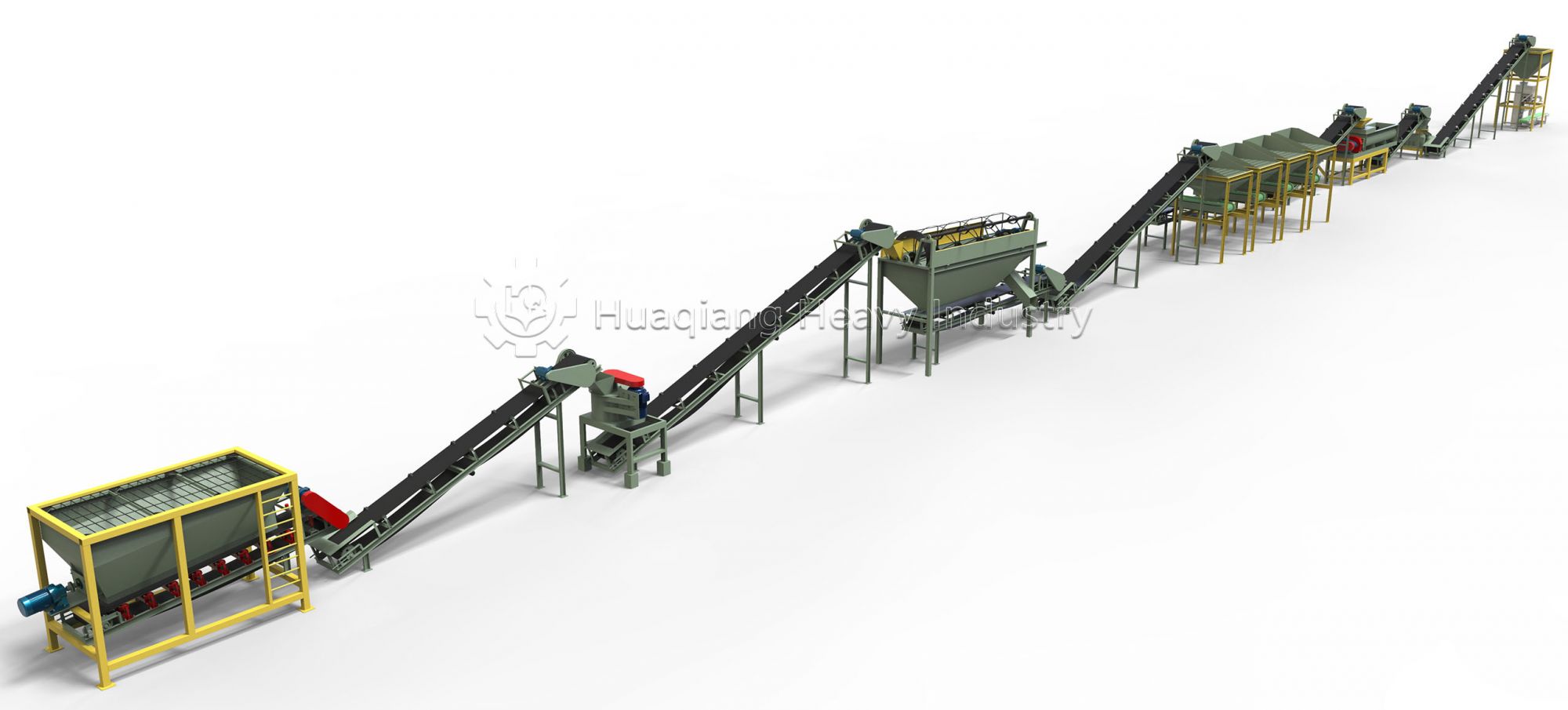
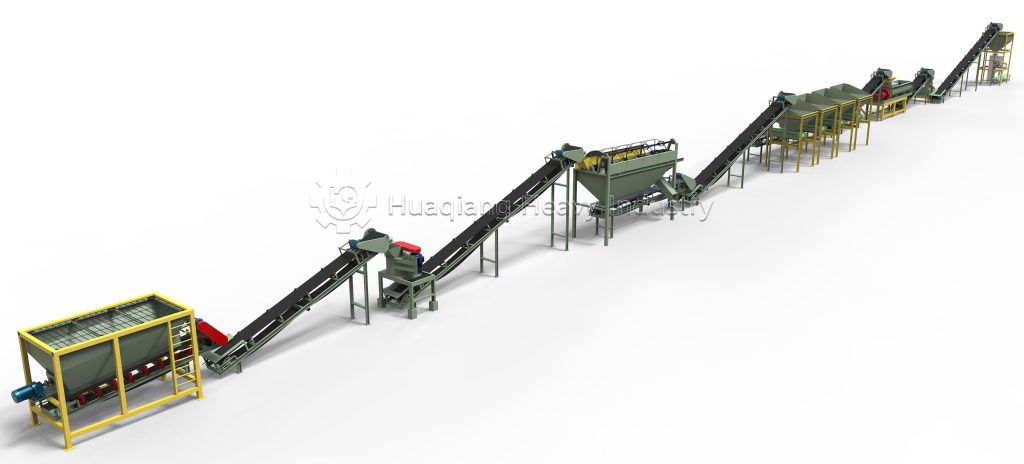
The massive scale of global NPK compound fertilizer production is supported by advanced manufacturing technologies that have evolved to meet efficiency and quality demands. Modern npk fertilizer production line configurations integrate multiple specialized machines to handle the complete npk fertilizer manufacturing process. The core of this npk production process revolves around sophisticated fertilizer granulation equipment, with the npk fertilizer granulator machine serving as the centerpiece of production facilities.

Two primary approaches dominate the manufacturing of npk fertilizer: chemical granulation using disc granulator machines and physical blending through npk bulk blending machine systems. The disc granulator machine enables continuous production of uniform granules through a rotating pan mechanism, while bulk blending fertilizer machine units provide flexible formulation adjustments for regional crop needs. Advanced npk granulation machine technology has significantly improved production efficiency and product quality across the industry.

The comprehensive npk fertilizer production process begins with precise material proportioning using fertilizer mixer machine equipment, followed by granulation and finishing. While npk manufacturing primarily focuses on chemical fertilizers, some integrated facilities also incorporate fermentation composting technology for organic fertilizer to create specialized products. As the industry continues to evolve, the npk fertilizer machine sector is driving innovations that support the sustainable production of high-quality fertilizers for global agriculture.

What does 95% compaction mean? It’s a key factor in fertilizer quality.

The Core Concept of Compaction Degree

In the field of fertilizer manufacturing, 95% compaction degree is a crucial quality control indicator. It indicates that the actual dry density of compacted fertilizer granules reaches 95% of their maximum dry density. This value directly reflects the compactness and internal structure characteristics of fertilizer granules. Understanding this indicator is significant for both fertilizer production and application.

Compaction degree essentially measures how tightly fertilizer granules are compacted. Higher values indicate fewer internal pores, denser structure, and stronger mechanical strength. 95% compaction degree is considered the “gold standard” for granular fertilizers.

Fundamentals of Understanding Compaction Degree

To accurately understand the meaning of 95% compaction degree, it’s essential to first clarify two core concepts: maximum dry density and actual dry density. Maximum dry density refers to the theoretical maximum density that fertilizer can achieve under optimal moisture content conditions through standard compaction tests – this is a theoretical limit value. Actual dry density, on the other hand, is the density actually achieved by the fertilizer during production or use.

Illustrative Analogy

The internal structure of fertilizer granules can be compared to a container filled with sand. Maximum dry density corresponds to shaking the sand to its tightest state with no voids. Meanwhile, 95% compaction degree means the sand is compacted to a state close to maximum tightness, retaining only 5% of necessary voids. This state ensures both structural stability and maintains appropriate functionality.

Practical Significance of 95% Compaction Degree

Ensuring Granule Mechanical Strength

Fertilizer granules achieving 95% compaction degree possess excellent compressive strength, typically able to withstand 15-30 Newtons of pressure. This strength level ensures that fertilizers won’t break easily during storage, transportation, and spreading, avoiding uneven application problems caused by granule breakage. If compaction degree is too low, granules break easily; if too high, granules may become too hard, affecting normal nutrient release.

Balancing Nutrient Release Characteristics

95% compaction degree retains appropriate connected pores within granules. This structure allows moderate water penetration, enabling nutrients to release gradually according to crop absorption rhythm. This balance avoids both the risk of seedling burn from too rapid nutrient release and crop nutrient deficiency from too slow release.

Adapting to Mechanical Fertilization

In modern agriculture, mechanical fertilization has strict requirements for the physical characteristics of fertilizer granules. Granules with 95% compaction degree have regular shapes and good flowability, enabling smooth passage through fertilizer equipment outlets and ensuring spreading uniformity. This uniformity directly relates to crop growth consistency and final yield quality.

Compaction Degree Requirements for Different Fertilizer Types

Although 95% compaction degree is the ideal standard for universal granular fertilizers, different fertilizer types require appropriate adjustments based on their characteristics and uses. Quick-acting fertilizers typically need lower compaction degrees to facilitate rapid nutrient release, while slow-release fertilizers require higher compaction degrees to delay nutrient release. Organic granular fertilizers also have different optimal compaction degree ranges due to raw material characteristics.

95% compaction degree represents the exquisite level of fertilizer manufacturing technology. Through precise control of material compactness, it achieves perfect balance among convenient storage and transportation, uniform application, and efficient fertilizer supply. This indicator not only reflects production technology level but also serves as an important guarantee for ensuring fertilizer application effectiveness.

Integrating Compaction Technology into Modern Fertilizer Production

The achievement of 95% compaction degree represents a critical quality milestone in modern fertilizer manufacturing, directly influenced by the selection and operation of appropriate fertilizer production machine equipment. In the comprehensive npk fertilizer production process, specialized fertilizer compaction machine units play a vital role in achieving optimal fertilizer granules compaction. The roller press granulator production line particularly excels in creating high-density products through precise fertilizer compaction technology.

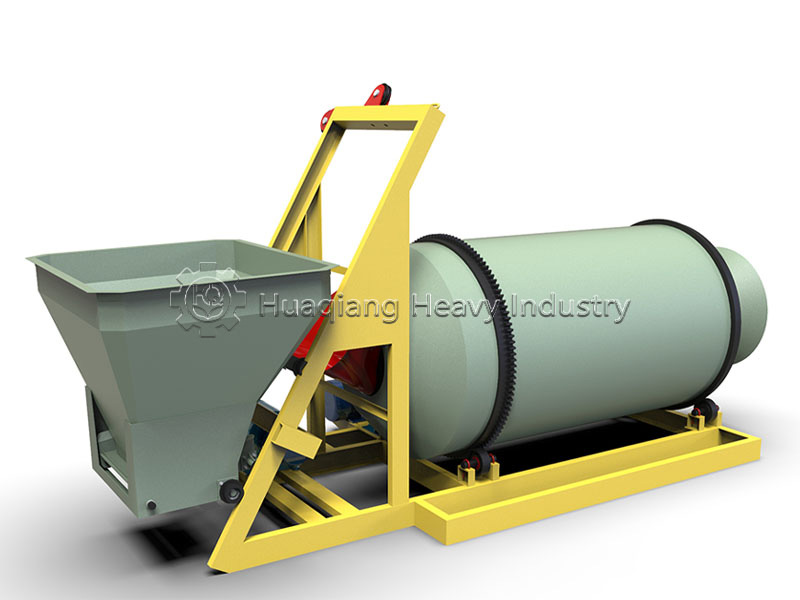
While alternative technologies like the rotary drum granulator and drum granulator utilize drum granulation principles for specific applications, the dedicated fertilizer compactor remains essential for achieving superior density standards. Throughout the complete npk production line, equipment such as the rotary screener works in conjunction with compaction systems to ensure uniform particle size distribution. The advancement in npk fertilizer production technology continues to refine these compaction processes across the entire npk fertilizer manufacturing process.

For organic fertilizer operations, the integration begins with fermentation composting technology for organic fertilizer using windrow composting machine equipment, followed by granulation through innovative solutions like the new type two in one organic fertilizer granulator. The complete equipments required for biofertilizer production must address both the organic fertilizer fermentation process and subsequent compaction requirements. As npk fertilizer production line technology evolves, the precise control of compaction degree remains fundamental to producing high-quality fertilizers that meet modern agricultural demands.

How windrow compost turning machines improve the efficiency of bio-organic fertilizer production lines?

In modern composting plants, windrow compost turning machines are quietly changing the traditional model of organic waste treatment. They are no longer simply turning tools, but a crucial link connecting waste with resource utilization.

Unlike wheeled equipment, their unique tracked chassis offers significant advantages. On soft, uneven materials, the wide tracks effectively distribute pressure, preventing slippage. Whether in muddy conditions after rain or on loose piles, they can move stably, achieving continuous and efficient turning operations.

Through a powerful rotor system, the equipment evenly disperses and tosses the material, creating an ideal lifeline for aerobic microorganisms. This precise turning operation directly determines the quality of the raw materials for subsequent fertilizer granules compaction. When the finely fermented raw materials enter the new type organic fertilizer granulator, high-quality pretreatment ensures the final granule formation rate and quality.

In a complete bio-organic fertilizer production line, the windrow compost turning machine plays an indispensable pretreatment role. Working in conjunction with subsequent bio-organic fertilizer equipment, it forms a bridge between waste and high-value-added products.

This windrow compost turning machine symbolizes an upgrade in modern organic waste treatment methods, becoming a crucial link in the bio-organic fertilizer production line, bridging the gap between upstream and downstream processes, on the path to promoting sustainable agricultural development.

Modular design: A new approach to NPK fertilizer production

Traditional NPK fertilizer production lines typically have a fixed layout, while modular design is becoming a new trend. This design divides the entire NPK fertilizer production line into independent functional units, improving the flexibility of equipment configuration and production management.

The raw material processing module is responsible for receiving and initial crushing. Raw materials of different forms are fed into a temporary storage bin via lifting equipment, providing suitable materials for the subsequent NPK blending machine. This design also reserves interfaces for the introduction of bio-organic fertilizer equipment, enhancing the diversity of formulations.

The core batching system uses a multi-bin combination with weighing units. Raw materials are conveyed to the central mixing zone according to preset proportions, where they are mixed by a high-efficiency NPK blending machine (also known as a fertilizer mixer machine). The entire process is automatically completed by the control system, ensuring the accuracy of the proportions.

The mixing and packaging modules are tightly integrated. Modern fertilizer mixer machines achieve uniform mixing of materials in a short time, and the finished product is directly transported to the packaging scale through a closed pipeline. This layout effectively prevents material segregation and is particularly suitable for handling NPK formulations with large differences in specific gravity.

The modular design enables the NPK fertilizer production line to be quickly adjusted according to market demand. While mainly producing NPK compound fertilizer, it also creates conditions for the introduction of bio-organic fertilizer equipment, enhancing the adaptability of the production line.

Large wheel compost turning machines: A super assistant for organic waste treatment

Large wheel compost turning machines make organic waste treatment more efficient and convenient, injecting a powerful impetus into environmental protection efforts and sparking curiosity about their many advantages.

1.Efficiently Breaks Agglomerated Materials

In organic waste treatment, materials such as livestock and poultry manure and straw often clump. The large wheel compost turning machine’s blades easily cut through these agglomerated materials. Whether it’s hard straw clumps or sticky livestock and poultry manure lumps, the blades quickly break them down into fine particles.

2.Deep Compost Turning Meets Diverse Needs

Large wheel compost turning machines typically reach a turning depth of 1.5 to 3 meters, making them suitable for organic waste fermentation projects of varying sizes and types. For large-scale organic waste treatment projects, they can penetrate deep into the bottom layer of the pile and turn the underlying material to the upper layer, ensuring sufficient oxygen supply and uniform fermentation throughout the entire pile. For small gardening farms and family farms, the turning depth can be flexibly adjusted based on actual needs to ensure effective fermentation.

3.Energy-saving Design Reduces Operating Costs

Some large-wheel wheel compost turning machines utilize advanced energy-saving features such as variable frequency drive. This design automatically adjusts the motor speed and power during operation based on the material’s condition and actual needs. When handling lighter, looser materials, the motor automatically reduces speed to reduce energy consumption; when handling harder, denser materials, the motor speed is increased appropriately to ensure effective turning.

Double roller press granulator: The core principles and characteristics of dry granulation

Double roller press granulators(fertilizer compaction machines), with their unique dry process, have become a mainstream option in fertilizer granulation production. This double roller press granulator eliminates the need for drying and converts powder into granules through pure physical extrusion.

The core operating mechanism revolves around twin-roll extrusion: an electric motor, via a reducer, drives two synchronously counter-rotating rollers, each with a uniform pattern of hemispherical dimples distributed across its surface. Once the dry powder enters the gap between the rollers, tens of tons of pressure displace the air between the particles, connecting them to form a dense cake. Upon exiting the rollers, the particles naturally break into oblate spherical granules. After subsequent crushing and screening, unqualified powder is automatically mixed back into fresh material for further processing, resulting in a granulation rate typically exceeding 90%.

The double roller press granulator utilizes corrosion-resistant and wear-resistant materials such as stainless steel, ensuring corrosion-resistant contact areas and a long roller life. Its compact design and easy maintenance, along with numerous quick-release features, allow for rapid adaptation to a variety of raw materials, including ammonium sulfate, organic fertilizer, and compound fertilizer.

What kind of equipment will your next batch of fertilizer come from?

When people think of organic fertilizer production, many might still picture open-air composting and shoveling. But a complete organic fertilizer production line is completely transforming this process.

The core shift is that the entire organic fertilizer production line is no longer just a collection of “tools,” but rather a highly efficient and controllable miniature factory. Starting with waste processing, crushing equipment quickly breaks down coarse materials like straw and branches into uniform, fine pieces—a crucial first step in improving subsequent fermentation efficiency.

Fermentation is the soul of the process. The core of modern fermentation equipment is creating and maintaining optimal fermentation conditions. Turning equipment, through its specialized structure, achieves mixing, oxygenation, and temperature control, working in conjunction with an intelligent aeration system to ensure that aerobic microorganisms are always at their most active state.

The post-processing stage determines the commercial value of the fertilizer. After efficient screening equipment separates the fully decomposed fine materials, the crucial shaping stage begins—organic fertilizer granulation. Depending on the desired finished product, the organic fertilizer disc granulator uses a tilting, rotating disc to form uniform spherical particles. When higher density and strength particles are required, the double roller press granulator directly compresses the powder into regular lumps. This core organic fertilizer granulator gives the powder a regular shape, making the fertilizer easier to transport, store, and apply mechanically.

Therefore, the picture of modern organic fertilizer production equipment is a sophisticated organic fertilizer production line encompassing crushing, fermentation, screening, and granulation.

Gas Hot Air Stove: Ideal Heat Source for Industrial Drying

Equipment Overview

Gas/Oil Hot Air Stove is an industrial heating equipment that uses fuels such as natural gas, liquefied petroleum gas, and diesel to generate high-temperature hot air. As an essential equipment for the drying process in fertilizer production lines, it is widely used in industries including food processing, chemical industry, textiles, wood drying, painting, and printing. It provides a stable heat source for production processes, promoting material drying, heating, solidification, and other processes.

Core Structure and Components

Main Components:
  • Burner:Responsible for fuel combustion, generating high-temperature flames, with design directly affecting heating efficiency and combustion stability
  • Heat Exchanger:Facilitates heat exchange between high-temperature flue gas from combustion and air, crucial for thermal efficiency and equipment lifespan
  • Blower:Sends air into the heat exchanger and delivers heated hot air to usage points
  • Fuel Supply System:Includes fuel storage, transportation, metering, and control devices to ensure stable fuel supply
  • Control System:Monitors and adjusts operating parameters through temperature sensors, pressure sensors, etc.
  • Safety Protection System:Equipped with multiple safety devices including overheating protection and shutdown protection

Working Principle

Fuel is burned in the combustion chamber through the burner, producing high-temperature flames. The high-temperature flue gas generated by combustion passes through the heat exchanger and exchanges heat with the air sent by the blower, transferring heat to the air to produce hot air. The hot air is then transported to production processes requiring heating or drying. The entire process is precisely regulated through the control system to meet different process requirements.

Equipment Advantages

High Efficiency and Energy Saving

Advanced combustion technology and heat exchange design ensure high thermal efficiency and low fuel consumption, significantly reducing operating costs.

Rapid Heating

Capable of quickly generating high-temperature hot air, meeting the needs of rapid heating or drying processes, improving production efficiency.

Easy Operation

Automated control system simplifies operation procedures, facilitates parameter adjustment, and adapts to different process conditions.

Safe and Reliable

Multiple safety protection measures, including overheating protection and fuel leakage detection, ensure safe equipment operation.

Environmentally Friendly with Low Emissions

Uses clean fuels and low-nitrogen combustion technology to reduce harmful gas emissions, meeting environmental requirements.

Application Prospects

With the continuous improvement of industrial automation and increasingly stringent environmental requirements, gas hot air stoves have broad application prospects in the industrial heating field due to their advantages of high efficiency, environmental protection, and safety. Particularly in industries with high requirements for heat source quality such as fertilizer production and food processing, gas hot air stoves will continue to play an important role, providing reliable thermal energy solutions for industrial production.

Integrating Thermal Systems in Modern Fertilizer Production

The Gas/Oil Hot Air Stove serves as a critical thermal engine within comprehensive fertilizer manufacturing systems, providing the essential drying capacity required across various fertilizer granulation processes. In complete npk fertilizer production line configurations, this heating equipment works synergistically with granulation technologies like the disc granulator and double roller press granulator to ensure optimal moisture control in final products. The thermal efficiency of these stoves directly impacts the performance of downstream fertilizer equipment throughout the production cycle.

Similarly, in organic fertilizer production line setups, hot air stoves provide crucial drying support after materials have been processed by windrow composting machine units and before granulation in disc granulator machine systems. The integrated approach extends to bio organic fertilizer production line operations where precise temperature control ensures microbial viability while achieving product dryness specifications. For operations utilizing disc granulation production line technology, the consistent heat supply enables continuous production flow and uniform product quality.

From supporting npk blending machine operations to complementing windrow machine processing, these thermal systems form an indispensable component of modern fertilizer equipment arrays. As part of complete npk fertilizer line solutions, gas hot air stoves ensure that every fertilizer granulator operates at peak efficiency, demonstrating how thermal management integrates with mechanical processes to create comprehensive fertilizer manufacturing solutions.

How can fertilizers be used to restore soil?

Introduction

Soil degradation is a global challenge affecting agricultural productivity and environmental sustainability. Fortunately, specific fertilizers can play a crucial role in soil restoration by replenishing nutrients, improving soil structure, and introducing beneficial microorganisms. This article explores how various fertilizers can address common soil problems including poor fertility, acidification, salinization, and contamination.

Types of Restoration Fertilizers

  • Organic Fertilizers(composted straw, animal manure): Enhance soil organic matter content, improve soil aggregation, and increase water retention capacity while providing energy for soil microorganisms.
  • Microbial Fertilizers(nitrogen-fixing bacteria, phosphate-solubilizing bacteria): Activate fixed nutrients in soil through microbial metabolism, suppress harmful pathogens, and restore soil microecological balance.
  • Conditioning Fertilizers(humic acid, amino acid fertilizers): Regulate soil pH, alleviate acidification or alkalization, reduce heavy metal ion activity, and minimize crop uptake of contaminants.
  • Mineral-based Fertilizers(zeolite, bentonite): Adsorb heavy metals and excess salts through their porous structure while improving soil aeration and permeability.

Restoration Methods for Specific Soil Issues

Poor Soil Fertility

Apply organic fertilizers as the primary treatment (2000-3000 kg per hectare) combined with chemical fertilizers containing nitrogen, phosphorus, and potassium. Incorporate deeply through plowing to gradually increase organic matter content. Avoid single-nutrient fertilization to prevent nutrient imbalance.

Soil Acidification (pH < 5.5)

Use humic acid fertilizers or alkaline conditioning fertilizers (50-100 kg per hectare) accompanied by irrigation to help neutralize soil acidity. Limit the long-term use of acidic chemical fertilizers like ammonium sulfate.

Soil Salinization (EC > 2 mS/cm)

Increase application of organic and microbial fertilizers. The organic acids released during decomposition help reduce salt concentration. Implement drip irrigation with frequent, small applications to leach surface salts while reducing chemical fertilizer usage.

Soil Compaction

Focus on organic fertilizers and crop residue incorporation. Apply 500-1000 kg of crushed straw per hectare combined with deep plowing to break up compacted layers. Reduce tillage intensity to preserve soil structure.

Heavy Metal Contamination

Apply humic acid fertilizers or mineral-based amendments to immobilize heavy metals through adsorption. Combine with specific microbial inoculants that promote the transformation of heavy metals into stable forms, reducing crop uptake risks.

Important Considerations

  • Ensure organic fertilizers are fully composted to avoid introducing pathogens, pest eggs, or causing root burn
  • Soil restoration requires long-term commitment – single applications have limited effects; continuous application over 2-3 growing seasons is recommended
  • Conduct soil testing (pH, EC, organic matter content) before treatment to select appropriate fertilizers based on specific soil problems
  • Adapt application rates and methods according to local conditions and crop requirements

Integrating Soil Restoration with Modern Fertilizer Production

The successful implementation of soil restoration strategies depends heavily on access to high-quality fertilizers produced through advanced manufacturing processes. Modern organic fertilizer production line systems play a crucial role in creating the restoration amendments discussed, transforming raw materials into effective soil conditioners. The organic fertilizer fermentation process, accelerated by equipment like the chain compost turner and large wheel compost turning machine, ensures stable, pathogen-free organic fertilizers essential for rebuilding soil health.

For granular products that facilitate precise application, various fertilizer granulator technologies are employed. The rotary drum granulator and drum granulator excel in drum granulation of organic materials, while the double roller press granulator and fertilizer roller press machine create compacted granules without binders. In parallel, npk fertilizer production line setups support the npk production process to create balanced mineral fertilizers through specialized npk fertilizer granulator equipment.

The complete npk fertilizer manufacturing process integrates multiple technologies to address specific soil deficiencies, while bio organic fertilizer production line configurations combine composting with microbial inoculation. From the wheel compost turner processing raw materials to the double roller granulator forming final products, these interconnected systems provide the technical foundation for manufacturing the restoration fertilizers that combat global soil degradation challenges.

Conclusion

Targeted fertilizer application offers a sustainable approach to soil restoration. By understanding the specific properties and mechanisms of different fertilizers, farmers and land managers can effectively address various soil degradation issues. Regular monitoring and adaptive management are essential for successful, long-term soil health improvement and sustainable agricultural production.

Comprehensive Guide to Fermentation Compost Turners

Introduction to Composting Machines

Composting machines have revolutionized organic waste management by transforming food scraps and garden waste into valuable fertilizer. These devices range from small household units to large industrial systems, offering efficient solutions for waste reduction and sustainable agriculture practices worldwide.

Price Ranges for Different Composting Machines

Household Composting Machines

Home composting equipment varies from simple outdoor compost bins to sophisticated electric composters. Basic 120L compost bins typically cost around $150-200, while smart electric kitchen compost machines range from $100 to $300 per unit. These compact devices are perfect for processing daily kitchen waste efficiently.

Commercial Composting Systems

Commercial-grade equipment shows significant price variation. Small restaurant-sized automatic aerobic composters cost between $6,000 and $8,000, while larger units capable of processing 300kg per day can reach $12,000 to $40,000. Industrial-scale composting systems, including track-type turners and custom-designed machines, may cost from $36,000 to $188,000 depending on capacity and features.

Effectiveness of Composting Machines

Composting machines prove highly effective in organic waste processing, offering distinct advantages over traditional composting methods:

  • High Degradation Efficiency:Modern composters can degrade up to 90% of garden waste within 30 days. Advanced machines maintain temperatures of 60-70°C, accelerating fermentation while eliminating pathogens and weed seeds.
  • Superior Compost Quality:Automated control of temperature, humidity, and oxygen levels ensures thorough decomposition, producing mature compost that won’t damage plants.
  • Environmental Protection:Enclosed designs prevent odor release and reduce greenhouse gas emissions while minimizing landfill usage.

Compost Production Methods

The compost production process involves several key stages, whether using traditional or machine-assisted methods:

  • Raw Material Preparation:Combine organic waste such as straw, leaves, animal manure, and food scraps with nitrogen sources like urea or additional manure to optimize the carbon-nitrogen ratio.
  • Composting and Fermentation:Layer materials in 20-60cm thickness, adding microbial agents or liquid manure between layers. Maintain proper moisture content and cover the pile to achieve temperatures around 60°C.
  • Post-processing:Turn the compost pile after 2-8 days when temperatures decrease. Repeat turning 1-2 times until materials become dark brown and crumbly, indicating complete decomposition.

Food Waste to Fertilizer Machines

Various specialized machines efficiently convert food waste into fertilizer:

  • Household Food Waste Composters:Smart devices like FoodCycler use grinding technology to process eggshells, small bones, and other kitchen scraps into dry nutrient-rich material within hours.
  • Commercial Food Waste Systems:Small aerobic composters suitable for restaurants can process daily kitchen waste on-site, while larger track-type turners handle mixtures of food waste with straw or manure.
  • Industrial Composting Plants:Complete systems integrate crushing, dehydration, fermentation, and screening functions to process large volumes of food waste into organic fertilizer at scale.

From Composting to Complete Fertilizer Production Lines

The journey from organic waste to valuable fertilizer extends beyond initial composting. Modern fertilizer production machine systems integrate composting with advanced granulation technologies to create comprehensive production solutions. Following the organic fertilizer fermentation process, materials processed by large wheel compost turner or chain compost turning machine equipment move to specialized granulation systems.

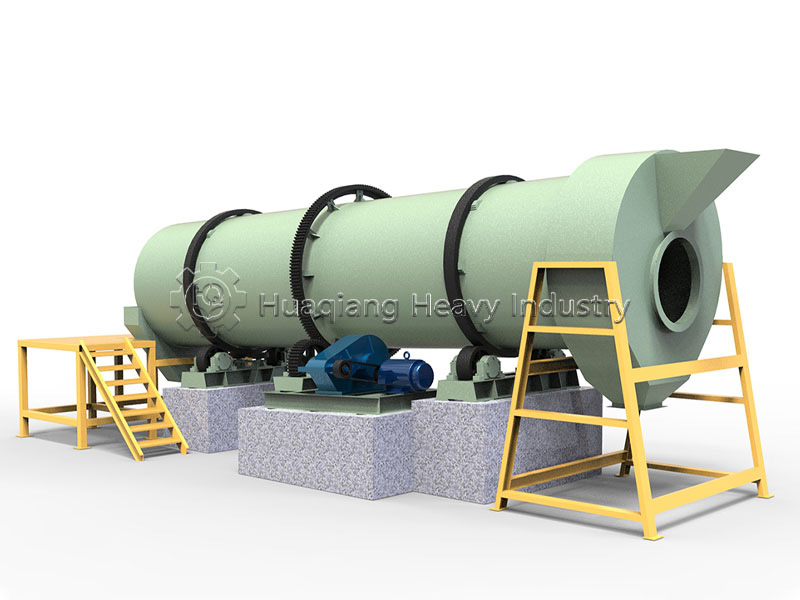
In complete organic fertilizer production line setups, the fermented material can be processed through disc granulator machines or rotary drum granulator systems for uniform particle formation. For operations focusing on microbial fertilizers, the equipments required for biofertilizer production include specialized fermentation and drying equipment. The drum organic fertilizer dryer ensures proper moisture control, while windrow machine units maintain optimal composting conditions.

Advanced fermentation composting technology for organic fertilizer has revolutionized the organic fertilizer fermentation stage, creating high-quality base materials for subsequent processing. The complete bio organic fertilizer production line integrates these technologies to produce consistent, high-value products. Similarly, npk fertilizer production line configurations utilize double roller press granulator technology in the npk fertilizer manufacturing process to create precise nutrient formulations.

Whether through drum granulation for organic materials or roller press granulator production line for NPK blends, modern fertilizer making machine systems transform composted materials into professional-grade fertilizers, completing the cycle from waste to valuable agricultural input.

Conclusion

Composting machines offer practical solutions for organic waste management across all scales, from household kitchens to industrial processing facilities. By converting waste into valuable fertilizer, these systems contribute to circular economy principles while reducing environmental impact. The wide range of available equipment ensures that suitable composting solutions exist for every need and budget, making sustainable waste management accessible to users worldwide.