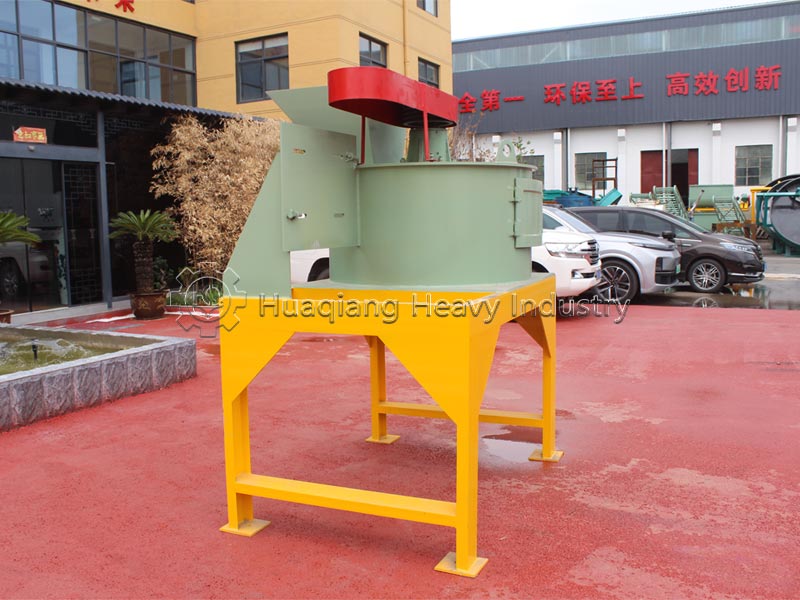
In the entire fertilizer production process, the chain crusher, as a core crushing equipment, directly affects the efficiency of raw material processing, the smoothness of subsequent processing, and the quality of the finished product. To improve overall production efficiency with this equipment, the key lies in achieving precise coordination of raw material adaptation, parameter adjustment, and production process.
Optimize raw material pretreatment. For common lumpy raw materials in fertilizer production (such as agglomerated phosphate rock powder and urea granules), it is necessary to remove hard impurities such as metals and stones in advance to avoid damage to the chain crusher’s hammers and chain plates. At the same time, classify and process raw materials according to their hardness, pre-crushing high-hardness materials to avoid equipment overload caused by mixed crushing, allowing the chain crusher to focus on efficient crushing and increasing the processing capacity per unit time.
Dynamically adapt crushing parameters to match the production rhythm. Flexibly adjust parameters such as the chain crusher’s rotation speed and screen mesh size according to the needs of subsequent processes: if the subsequent process is granulation, the crushing particle size can be controlled at 1-3mm, using a screen with a suitable mesh size to reduce secondary crushing; for raw materials with different moisture content, adjust the rotation speed accordingly—slowing down the speed for high-moisture materials to avoid clogging, and appropriately increasing the speed for dry materials to improve efficiency.
Strengthen the connection throughout the entire process. Coordinate the chain crusher with the upstream raw material conveying and downstream fertilizer screening equipment, using sensing devices to control the feeding speed, avoiding raw material accumulation or interruption of supply. At the same time, regularly clean residual materials in the equipment’s internal cavity and check the wear of the chain plates to reduce equipment downtime due to malfunctions.
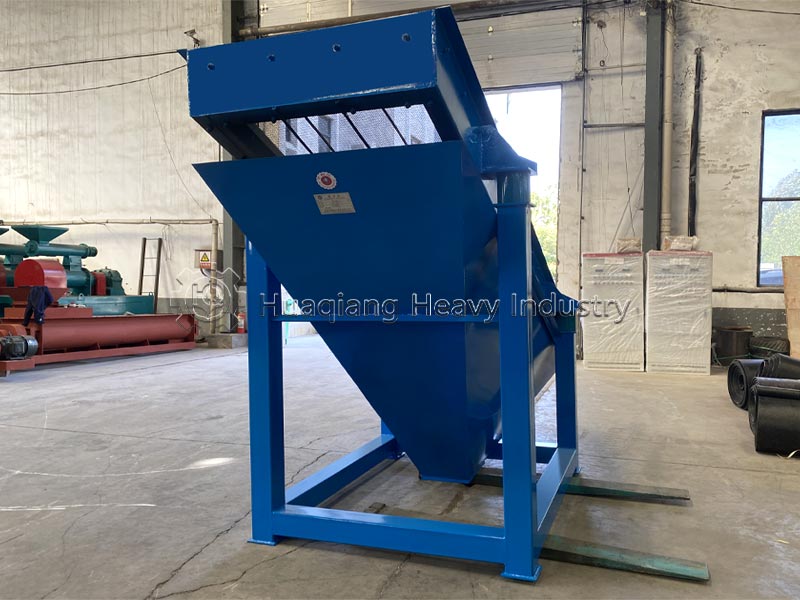
In numerous industries such as mining, building materials processing, chemical production, food processing, and pharmaceutical manufacturing, material grading and screening are crucial for ensuring production quality and efficiency. As a widely used material screening device, the vibrating screen, with its high screening capacity, precise grading effect, and wide adaptability, has become an indispensable core piece of equipment in the production processes of various industries. It achieves rapid separation of materials of different particle sizes through the vibration energy generated by a specific vibration device, providing qualified materials for subsequent production processes, helping enterprises improve production efficiency and ensure product quality.
The stable operation of the vibrating screen relies on a scientifically sound structural design. Its core structure consists of six key parts working together to form a complete screening system. The screening box is the core load-bearing component of the equipment, and the screen inside is the core element for material separation. Different screen sizes can be replaced according to different screening needs, precisely adapting to the separation requirements of materials of different particle sizes. The vibrating motor or exciter, as the “power heart” of the equipment, provides a stable vibration source for screening operations, driving the material to move on the screen surface through vibration, providing the basic power for screening. The support system utilizes springs or rubber shock absorbers, which not only stably support the screening box but also effectively buffer the impact of vibration on the ground and the main body of the equipment, extending its service life. The inlet and outlet form the material flow channel. After entering the screening box through the inlet, materials of different particle sizes, after screening and separation, are discharged from their respective outlets, ensuring a smooth and orderly screening process. The sealing device effectively prevents dust leakage during screening, maintaining a clean working environment and meeting environmental protection production requirements.
The working principle of the vibrating screen is based on the precise coordination of vibration energy and material movement to achieve efficient screening. Its core logic is to generate vibration through a vibrating motor or exciter, driving the screening box to perform linear or circular motion in three-dimensional space. When the material enters the screening box through the inlet, it undergoes a forward projectile motion along the screen surface under the action of vibration—this special motion mode ensures both uniform distribution of the material on the screen surface and full contact between the material and the screen mesh. During this process, materials smaller than the sieve apertures pass smoothly through the apertures, becoming the undersize product; materials larger than the apertures remain on the sieve surface, continuing to move forward as the oversize product, and are eventually discharged from the corresponding outlet, thus completing the separation of materials of different particle sizes. It is worth noting that the adjustment of parameters such as vibration frequency, amplitude, and sieve surface inclination angle directly affects screening efficiency and accuracy. Enterprises can flexibly adjust relevant parameters according to material characteristics (such as humidity, viscosity, and particle size distribution) and production requirements to achieve optimal screening results.
The unique structural design and working principle endow vibrating screens with many significant features, enabling them to adapt to the complex needs of multiple industries. High-efficiency screening is its core advantage; high-frequency vibration significantly increases material throughput, effectively improving production efficiency and helping enterprises increase capacity. High screening accuracy is achieved through precise matching of sieve aperture and vibration parameters, allowing for strict control of the screened particle size and ensuring the quality of materials in subsequent production. Its wide applicability is particularly outstanding; it can handle both dry and wet materials, and has good adaptability to different types and particle size ranges of materials. Meanwhile, vibrating screens boast a compact structure, small footprint, and ease of installation in various production sites. They are also simple to operate, convenient to maintain, and highly automated, effectively reducing labor costs. Furthermore, their sealed design provides excellent environmental performance, reducing dust pollution and aligning with the modern trend of green industrial production.
From ore grading in mining to raw material purification in the food industry, from precision screening of chemical products to impurity removal in the pharmaceutical field, vibrating screens, with their core advantages of high efficiency, precision, and flexibility, provide strong support for optimizing production processes across various industries. Against the backdrop of industrial production transforming towards higher efficiency, precision, and green practices, vibrating screens, with their irreplaceable screening value, will continue to play a vital role in more industries, becoming a key piece of equipment for improving the quality and efficiency of industrial production.
Critical Screening in Integrated Fertilizer Manufacturing
In the context of fertilizer production, the vibrating screen is an indispensable unit within any professional fertilizer manufacturing equipment line. It performs the critical final quality control by separating oversized and undersized particles from the finished granules, ensuring a uniform product. This is vital in both the npk fertilizer production process and organic fertilizer lines. For example, in an npk fertilizer production line, raw materials might first be blended in a npk bulk blending machine before granulation. The formed granules, whether from a disc granulation production line (using a disc granulator for shaping) or a roller press granulator production line (using a double roller press granulator), must be screened to meet size specifications.
Similarly, in an organic fertilizer production line or a bio organic fertilizer production line, the screening stage is equally crucial. The raw material may originate from a windrow composting machine, and after granulation—potentially via a disc granulator—the pellets are sized by a vibrating screen. The screened “fines” are often recycled back into the process, maximizing material utilization. Thus, whether it’s a dedicated npk fertilizer line or an organic system, the vibrating screen is the final arbiter of product consistency, directly impacting marketability and application performance.
Therefore, the integration of high-efficiency screening technology is non-negotiable in modern fertilizer plant design. It works in concert with granulation and blending equipment to deliver a polished, standardized final product that meets strict quality benchmarks.
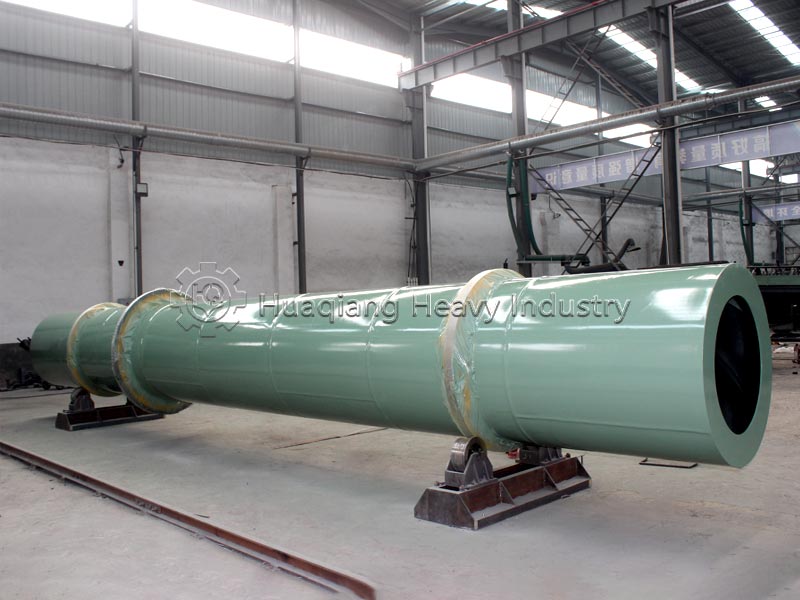
In organic fertilizer production, excessive moisture, nutrient loss, and particle damage are the core pain points affecting product quality. Organic fertilizer dryers, through scientific temperature control, airflow optimization, and process adaptation, can solve these problems at the source, making them a key piece of equipment for ensuring stable organic fertilizer quality.
To address uneven and excessive moisture content, the dryer achieves precise drying through graded temperature control and hot air circulation. High-quality drum fertilizer dryers employ a multi-stage temperature zone design: high temperature at the inlet end for rapid evaporation of free water, constant temperature in the middle section to remove bound water, and low temperature at the outlet end for shaping, preventing localized over-drying or under-drying; coupled with a closed-loop hot air circulation system, it ensures sufficient contact between hot air and materials, precisely controlling the finished product’s moisture content to below 15%.
To address nutrient loss, organic fertilizers contain organic matter and amino acids that are sensitive to high temperatures. The dryer optimizes the hot air temperature (controlled at 60-80℃) and improves drying efficiency, shortening the material’s high-temperature residence time; some advanced equipment is equipped with a waste heat recovery system, further reducing energy consumption while ensuring drying effectiveness and preventing high-temperature degradation of nutrients.
To solve the problem of particle damage, for granulated organic fertilizer particles, the dryer adjusts the drum speed (10-15 r/min) and optimizes the internal baffle structure to reduce collision and friction between particles and the inner wall of the equipment, and between particles themselves; at the same time, it precisely controls the hot air speed to avoid strong airflow impact causing particle breakage.
In summary, organic fertilizer dryers, through targeted technical design, can simultaneously solve the three major quality problems of moisture, nutrients, and particle morphology. Choosing the appropriate dryer type and precisely adjusting operating parameters is crucial for the efficient operation of an organic fertilizer production line.
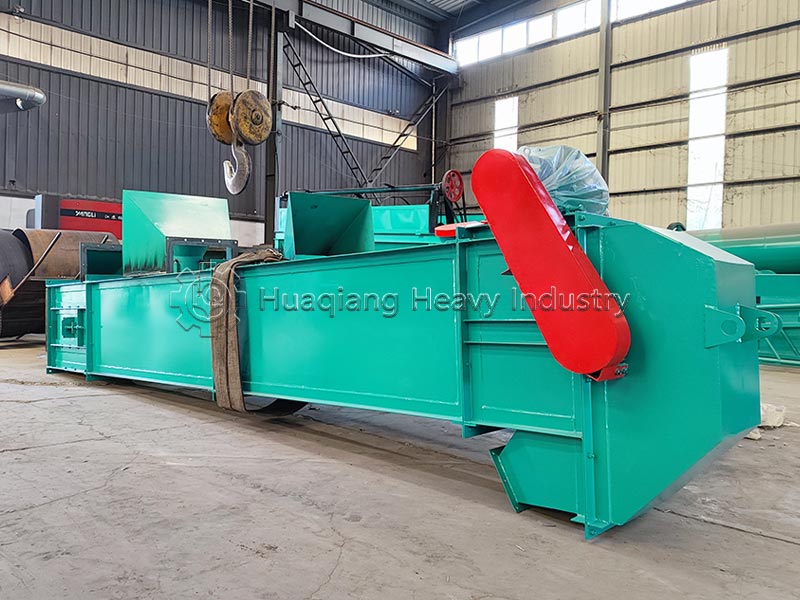
In industries such as fertilizer production, grain processing, and mining, vertical material handling is an indispensable part of the production process. Bucket elevators, with their efficiency and convenience, have become the preferred equipment for many companies.
For the fertilizer production industry, bucket elevators are one of the core pieces of equipment in the fertilizer production line. The granular or powdered fertilizers involved in fertilizer production require high demands on the sealing of the equipment. These bucket elevators usually adopt a closed design, which effectively reduces the loss of fertilizer and dust dispersion during transportation, ensuring a clean production environment and reducing raw material waste. At the same time, the hopper design is adjusted according to the different particle sizes of the fertilizer to ensure smooth material handling and prevent blockages.
Similarly, vertical bucket elevators for granular materials perform excellently when handling different materials such as grains and ores. Taking the grain industry as an example, grain particles are full and fragile. The hoppers of these elevators use softer materials, and the operating speed is precisely controlled to prevent grain breakage during lifting. In the mining industry, when dealing with harder ores, the traction components and hoppers of the elevator are made of high-strength materials to ensure the durability and stability of the equipment.
High-capacity bucket elevators play a crucial role in large-scale production scenarios. Large-scale fertilizer plants and grain storage facilities, for example, require extremely high material handling volumes. These elevators optimize parameters such as hopper volume and lifting speed to transport more materials per unit time, significantly improving production efficiency and helping enterprises achieve large-scale production.
When purchasing, companies need to consider their production scale, material characteristics, and other factors, and comprehensively compare various parameters to select the equipment that best suits their needs, so that the bucket elevator can better serve their production.
In biofertilizer production, carrier materials serve as crucial delivery media that maintain the vitality of beneficial microorganisms from the laboratory to the field. Their core function is to protect microorganisms, facilitate their survival and reproduction, and ensure effective colonization in the soil after application. Based on differences in sources and characteristics, carrier materials for biofertilizers are mainly divided into four categories, each with unique advantages and application scenarios. Meanwhile, the selection of carrier materials in 2026 will continue to focus on sustainability and functional optimization, guiding the development direction of carrier material applications.
Soil-based and mineral carriers are preferred for their cost-effectiveness and wide availability in various regions. Peat, with its high organic matter content and excellent water-holding capacity, has historically been the most widely used carrier globally. Clays and minerals are another important subgroup, including kaolin, bentonite, vermiculite, perlite, zeolite, and diatomaceous earth. These materials are frequently used due to their moisture absorption capacity and ability to maintain air permeability, creating a suitable microenvironment for microorganisms. Coal-based carriers such as lignite and charcoal (or biochar) feature porous structures, which can shield microorganisms from desiccation and environmental stress, extending their survival period.
Plant-based materials and agricultural by-products are organic carriers that can often serve as nutrient sources for microorganisms during storage. Common types include grains and husks, such as rice husks, wheat bran, rice bran, corn cobs, and sesame bran, which are rich in organic nutrients and widely available as agricultural wastes. Sugarcane by-products, including bagasse, sugarcane rind, and filter cake from sugar mills, also have good application value due to their loose structure and nutrient content. Other plant wastes like sawdust, coco peat (coconut coir), banana peel powder, and straw are also widely used as carrier materials, realizing the resource utilization of agricultural wastes while providing a favorable habitat for microorganisms.
Polymer and synthetic carriers are mainly used for embedding microorganisms, which can protect them from toxic compounds and provide a controlled-release mechanism. Natural polymers are widely used due to their biocompatibility, with alginate (most commonly used for microsphere preparation), chitosan, carrageenan, and agar being typical representatives. Synthetic or modified polymers, such as carboxymethyl cellulose (CMC), polyacrylamide gel, and polyvinyl alcohol (PVA) patches, have adjustable physical and chemical properties. They can be tailored according to specific production needs to optimize the protection effect and release rate of microorganisms, making them suitable for specialized biofertilizer formulations.
Organic wastes and manures are also important sources of carrier materials for biofertilizers. Compost and vermicompost are mature organic carriers formed through microbial decomposition, which not only have good water-holding and nutrient-providing capabilities but also are environmentally friendly. Animal manures, especially poultry manure and cattle manure, after proper treatment, can serve as effective carriers. Industrial sludges, such as wastewater sludge and biogas slurry, are also usable carrier materials after harmless treatment, realizing the recycling of industrial wastes.
Looking ahead to 2026, the ideal carrier materials will still prioritize chemical stability, non-toxicity to both plants and microorganisms, ease of sterilization (via autoclaving or gamma-ray irradiation), and high water-holding capacity. Notably, biochar and other carriers are increasingly favored as sustainable alternatives to non-renewable peat, aligning with the global trend of green agriculture. In summary, the carrier materials used in biofertilizer production are diverse and versatile. The rational selection of carrier materials based on production needs and environmental requirements is crucial to improving the quality and application effect of biofertilizers.
Granulation Systems for Carrier-Based Biofertilizers
The selected carrier material, often pre-processed using equipment like a chain compost turning machine for composting organic wastes, must be effectively shaped into a marketable product. This is achieved within a complete bio organic fertilizer production line or broader organic fertilizer manufacturing system. The stage of organic fertilizer production granulation is critical, as it must form durable granules without compromising the viability of the beneficial microbes within the carrier. Common granulation technologies include the organic fertilizer disc granulation production line, where a tumbling pan gently forms spherical pellets, and the rotary drum granulator, suitable for larger-scale continuous production.
For different product specifications and production scales, alternative equipment is available. A flat die press pellet machine for sale produces dense cylindrical pellets via extrusion, while a new type two in one organic fertilizer granulator combines mixing and shaping in one unit for efficiency. More complex setups, like an organic fertilizer combined granulation production line, may integrate multiple methods. The choice of granulator, such as a specific organic fertilizer disc granulation machine, directly influences the final granule’s physical properties and its ability to protect the microbial inoculant during storage and application.
Therefore, the integration of high-quality carrier materials with appropriate, gentle granulation technology is fundamental to manufacturing effective biofertilizers. It ensures the delivery of a standardized, easy-to-apply product that successfully introduces beneficial microbes into the soil ecosystem.
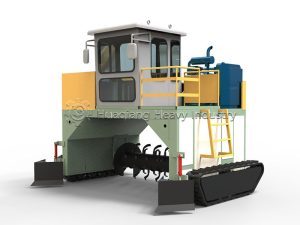
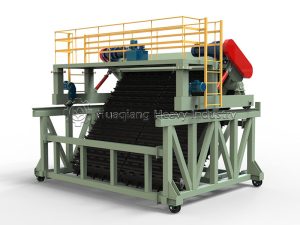
Fermentation composting technology for organic fertilizer is the core link in biofertilizer production, converting organic wastes such as animal manure, crop straw, and agricultural by-products into nutrient-rich, harmless organic fertilizer through microbial decomposition. Among the equipments required for biofertilizer production, compost turners—integrated with fermentation composting turning technology—are indispensable core devices. They directly determine the efficiency of fermentation, the quality of compost, and the stability of the production process. From traditional windrow composting to advanced trough-type aerobic fermentation composting technology, different turner types such as large wheel compost turner and chain compost turner adapt to diverse production needs, becoming the backbone of efficient composting.
Aerobic fermentation is the mainstream of organic fertilizer composting, and its core demand is sufficient oxygen supply, uniform material mixing, and temperature control—all of which rely on fermentation composting turning technology. In the fermentation process, microorganisms need oxygen to decompose organic matter, and the accumulation of organic materials will easily lead to anaerobic environments, producing foul odors such as ammonia and hydrogen sulfide, and inhibiting beneficial microbial activity. Compost turners solve this problem by regularly turning the material, breaking the compacted layer, increasing the contact area between material and air, and supplementing oxygen to maintain the vigorous activity of aerobic microorganisms. At the same time, turning can evenly distribute the heat generated by fermentation, avoiding local overheating that kills beneficial bacteria or local low temperature that stalls decomposition.
Different composting technologies match targeted turner equipment, and the large wheel compost turner is widely used in windrow composting systems. Windrow composting machine technology forms organic materials into long strips (windrows) for fermentation, and the large wheel turner moves along the windrows, using its large-diameter wheels to stir, turn, and loosen the material. It is suitable for large-scale open-air composting sites, with the advantages of high efficiency, wide operation range, and strong adaptability to material humidity. It can handle large volumes of materials quickly, making it the first choice for large farms and organic fertilizer factories with large-scale production needs.
For more precise and efficient production, trough-type aerobic fermentation composting technology is paired with chain compost turners. This technology places materials in fixed troughs, and the chain turner moves along the troughs, using chain-type stirring components to deeply turn and mix the material. Compared with wheel-type turners, chain compost turners have stronger stirring intensity, can fully break up agglomerated materials, and ensure uniform oxygen and nutrient distribution in the trough. They are suitable for medium and small-scale production lines or occasions with strict requirements on compost quality, as they can better control fermentation parameters such as temperature, humidity, and oxygen content, improving the decomposition rate and nutrient retention of organic matter.
Beyond oxygen supply and mixing, compost turners play multiple key roles in the fermentation process. They help adjust the moisture content of the material—turning promotes the evaporation of excess moisture, preventing the material from being too soggy to ferment; at the same time, it can mix the raw materials evenly with auxiliary substances such as microbial agents and bulking agents, accelerating the start of fermentation. In addition, regular turning can promote the decomposition of harmful substances such as pathogens and weed seeds by maintaining a high fermentation temperature (55-65°C), ensuring the harmlessness of the final compost. Without efficient turning equipment, manual operation is not only time-consuming and labor-intensive but also unable to achieve uniform turning, leading to uneven fermentation and substandard compost quality.
As an important part of the equipments required for biofertilizer production, compost turners have been continuously upgraded with the development of fermentation composting technology. Modern turners are often equipped with intelligent control systems, which can automatically adjust turning frequency, speed, and depth according to real-time monitoring data of temperature, humidity, and oxygen in the material pile. This not only reduces manual intervention but also optimizes the fermentation process, further improving production efficiency and product stability. Whether it is the large-scale windrow composting with large wheel turners or the precise trough-type fermentation with chain turners, compost turners are the key to realizing industrialized, standardized organic fertilizer production.
In summary, fermentation composting turning technology and matching compost turners are the core of organic fertilizer fermentation composting technology. They ensure the smooth progress of aerobic fermentation through oxygen supply, mixing, temperature adjustment, and moisture control, laying a solid foundation for high-quality biofertilizer production. With the promotion of ecological agriculture, the application of efficient compost turners will become more widespread, contributing to the recycling of organic waste and the sustainable development of agriculture.
Slow-release/controlled-release fertilizers are a type of fertilizer that regulates the nutrient release rate through specific technological means. The core objective is to match the nutrient release rate with the nutrient needs of crops at different growth stages, thereby addressing the shortcomings of traditional fertilizers, such as “rapid nutrient release, low utilization rate, and easy loss and pollution.” While the concepts are similar, there are slight differences; controlled-release fertilizers offer greater control over the release rate and are considered a more precise type of slow-release fertilizer.
I. Core Technological Principles and Classification
The key to slow-release/controlled-release fertilizers lies in the “nutrient release control mechanism,” which mainly involves the following three technological approaches:
Polymer-Coated Type (Mainstream Controlled-Release Technology)
Principle: Ordinary granular fertilizers (such as urea and compound fertilizers) are coated with one or more layers of high-molecular-weight polymer film (such as polyurethane, polyolefin, resin, etc.). The thickness and porosity of the film determine the nutrient release rate – water penetrates the film to dissolve the nutrients, which then slowly diffuse through the film pores into the soil; as the temperature rises, the permeability of the film increases, and the nutrient release accelerates, and vice versa.
Release Characteristics: This is a temperature-dependent release, matching the pattern of most crops that require more nutrients during high-temperature growth periods. The release cycle can be precisely designed (e.g., 3 months, 6 months, 12 months).
Principle: Through chemical synthesis reactions, fertilizer nutrients (mainly nitrogen) are combined with organic compounds to form stable, low-water-soluble compounds. These compounds gradually decompose under the action of soil microorganisms or enzymes, releasing effective nutrients.
Release Characteristics: This is a microorganism/enzyme-controlled release, and the rate is affected by soil temperature, pH value, and microbial activity. The release cycle is longer (up to several months to a year).
Representative Products:
Urea-formaldehyde (UF): A condensation product of urea and formaldehyde. During decomposition, formaldehyde is released first, and then gradually converted into ammoniacal nitrogen. The nitrogen utilization rate is more than 30% higher than that of ordinary urea. Ammonium polyphosphate (APP): A slow-release fertilizer containing nitrogen and phosphorus. After hydrolysis, it releases orthophosphate ions for plant absorption. It is suitable as a phosphorus source in compound fertilizers and can also chelate micronutrients in the soil.
Others: Urea-formaldehyde (CDU), isobutylidene diurea (IBDU), etc.
Matrix-based composite type (traditional slow-release technology)
Principle: Fertilizer nutrients are mixed with porous matrices such as bentonite, zeolite, and humic acid. The adsorption and pore structure of the matrix are used to delay nutrient dissolution; or sulfur coating technology is used (a sulfur layer is coated on the outside of urea granules), and nutrients are controlled-released through the slow breakdown of the sulfur membrane and microbial decomposition.
Release characteristics: The release rate is relatively gentle, and the cost is lower than polymer-coated and chemically synthesized types, making it a low-cost slow-release solution.
II. Core Advantages (compared to traditional quick-acting fertilizers)
Significantly improved nutrient utilization: The utilization rate of traditional quick-acting nitrogen fertilizers is only 30%-40%, and a large amount of nitrogen is lost with rainwater or volatilized into the air; the nitrogen utilization rate of slow-release/controlled-release fertilizers can reach over 60%, and some controlled-release fertilizers can even exceed 80%, reducing nutrient waste.
Labor-saving and time-saving, enabling one-time fertilization: Traditional fertilizers require multiple top dressings according to the crop growth period, while slow-release/controlled-release fertilizers can be applied to the soil at once during sowing or transplanting. The nutrients are slowly released to meet the needs of the crop throughout its entire growth period, especially suitable for large-scale planting scenarios such as field crops, fruit trees, and lawns, reducing labor costs.
Reduced environmental pollution: The slow release of nutrients avoids excessively high concentrations of nitrogen and phosphorus in the soil, thereby reducing environmental problems such as soil compaction, water eutrophication (such as agricultural drainage polluting rivers and lakes), and atmospheric ammonia volatilization, meeting the needs of green agricultural development. By synchronizing nutrient supply with crop demand through controlled release cycles, the peak release period of fertilizer nutrients can be precisely matched with the peak nutrient demand period of crops (such as the tillering stage of rice and the large bell stage of corn), avoiding seedling burn in the early stages and nutrient deficiency and premature aging in the later stages, thereby improving crop yield and quality.
III. Product Forms and Applicable Scenarios
Form Characteristics: Mostly granular, with a larger particle size (usually 2-4 mm), high physical strength, and not easily broken, suitable for mechanized sowing and fertilization.
Applicable Crops and Scenarios
Field Crops (corn, wheat, rice): Choose controlled-release compound fertilizers with a release cycle of 3-6 months, applied as a base fertilizer in one application, reducing the need for topdressing.
Fruit Trees, Flowers, and Seedlings: Choose long-acting slow-release fertilizers with a release cycle of 6-12 months (such as urea-formaldehyde, polyammonium phosphate), suitable for the nutrient needs of perennial crops.
Protected Agriculture and Potted Plants: Choose polymer-coated controlled-release fertilizers to precisely control the release rate and avoid excessively high nutrient concentrations in potted plant soil.
IV. Precautions for Use
Not suitable for topdressing: Slow-release/controlled-release fertilizers release nutrients slowly. If crops show acute nutrient deficiency symptoms, fast-acting fertilizers should be used for topdressing.
Appropriate fertilization depth is necessary: It should be applied to the soil near the crop roots (avoid surface application) to allow sufficient water penetration to trigger nutrient release; coated fertilizers should not be crushed during use, otherwise, the coating structure will be damaged, and the controlled-release effect will be lost.
Higher cost than ordinary fertilizers: The price of slow-release/controlled-release fertilizers is 1.5-3 times that of ordinary fertilizers, but considering the benefits of “labor saving + increased efficiency + reduced pollution,” the long-term use is more cost-effective.
Production of Slow-Release Fertilizers: Granulation and Beyond
Manufacturing coated or chemically synthesized slow-release fertilizers involves specialized adaptations of standard npk fertilizer production technology. The core npk fertilizer manufacturing process begins with precise formulation using a npk blending machine or a bulk blending fertilizer machine. For creating the base granules, an npk granulation machine employing specific npk granulation machine technology—such as a rotary drum for agglomeration—forms the uniform particles. This entire suite of fertilizer raw material processing machinery and equipment is the foundation of the npk fertilizer production line, which must be designed to achieve the required NPK compound fertilizer production capacity and granule quality.
Following granulation, the process diverges for slow-release products. The base granules are fed into a coating drum, a critical piece of additional npk fertilizer granulator machine equipment, where polymer or sulfur coatings are applied. For chemically synthesized types like urea-formaldehyde, the reaction occurs earlier in the process, and the resulting material is then granulated. The integrated npk fertilizer production process thus combines standard equipment like the fertilizer mixer machine and npk fertilizer granulator with specialized coating or synthesis units to create a value-added product with controlled nutrient release profiles.
Therefore, producing advanced slow-release fertilizers requires an expansion of the traditional npk fertilizer machine line. It demonstrates how core granulation and blending technologies serve as a platform for innovation, enabling the creation of products that deliver both agronomic efficiency and environmental benefits.
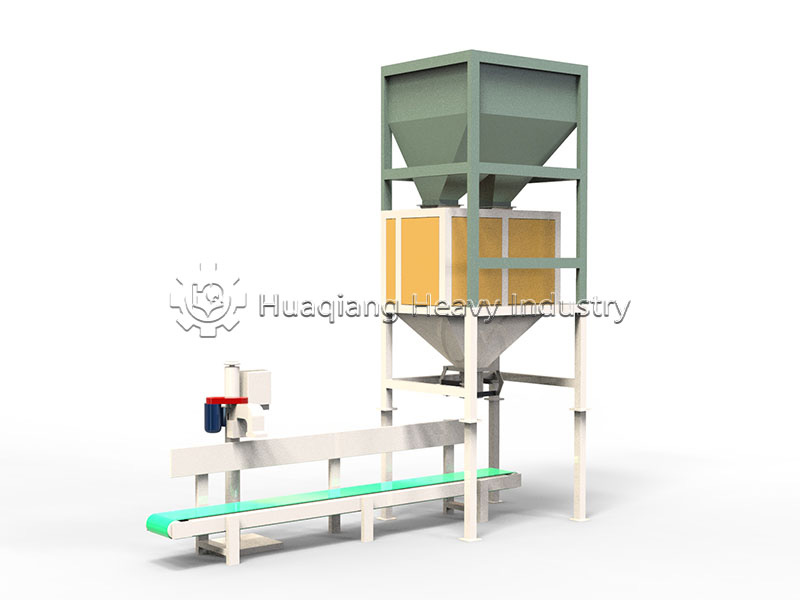
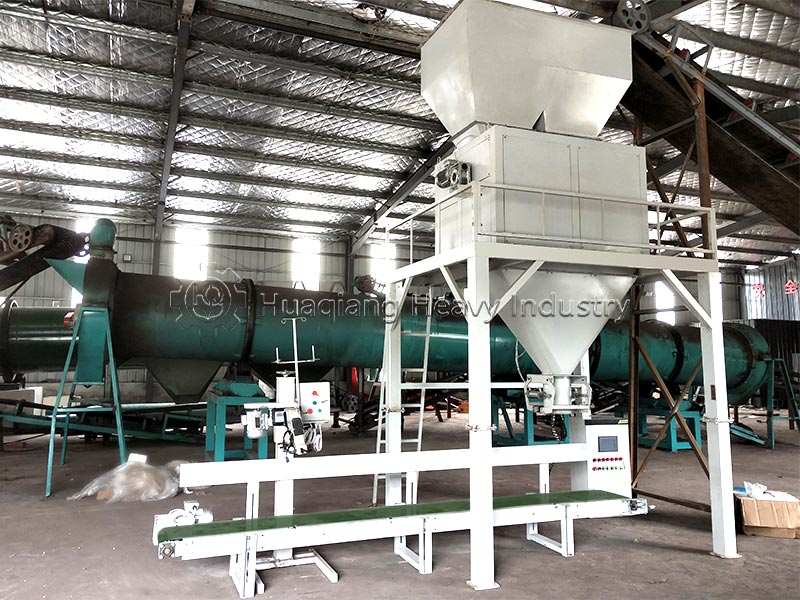
In the production processes of fertilizer, chemical, and food industries, precise and efficient packaging is crucial for ensuring product quality and improving distribution efficiency. As a targeted automated packaging device, the granular and powdered fertilizer packaging machine, with its precise metering capabilities and fully automated operation, has become a core piece of equipment for small bag packaging scenarios. It is widely adaptable to the packaging needs of granular loose materials and powdered materials, providing reliable support for enterprises to reduce costs and increase efficiency.
The granular fertilizer packaging machine is specifically designed for granular loose materials. Its core advantages lie in its high degree of automation, accurate metering, and comprehensive functions. The equipment features automatic feeding, employing a three-stage feeding mode (large, medium, and small), which can flexibly adjust the feeding speed according to packaging needs, balancing efficiency and accuracy. Simultaneously, it integrates core functions such as automatic tare, automatic error correction, and automatic zero-point adjustment, coupled with a robust anti-interference design, ensuring stable operation even in complex production environments. For abnormal situations during production, the equipment is also equipped with over-tolerance alarms, over-quantity correction, and power failure protection functions, further ensuring packaging quality and production safety. This comprehensive functional design makes it suitable not only for packaging various fertilizers such as organic fertilizers, compound fertilizers, and granular urea, but also for precisely matching the quantitative weighing and packaging needs of grain crops such as seeds, corn, and wheat, as well as granular materials in the chemical and food industries such as polyethylene and sugar.
The powder fertilizer packaging machine focuses on the pain points of powder fertilizer packaging, achieving efficient and clean packaging through a professional structural design. Its core structure includes six major parts: a material feeding system, a weighing system, a packaging system, a control system, a conveying system, and a dust removal system. The feeding system uses a screw or vibrating feeder to ensure a uniform and stable supply of materials; the weighing system uses high-precision electronic scales, covering various types such as single scales, multi-scale scales, and loss-in-weight scales, ensuring accurate weight measurement for each package; the packaging system can complete integrated operations such as bag making, sealing, and cutting according to different packaging materials such as plastic film and composite film; and the PLC or microcomputer control system achieves fully automated control of the entire process, significantly reducing manual intervention. Crucially, the equipment’s dust removal system effectively collects dust generated during the packaging process, preventing material waste and maintaining a clean production environment, aligning with green production principles.
Whether granular or powdered fertilizer packaging machines, they all share the common characteristics of high precision, high automation, and wide adaptability. Their application not only significantly improves packaging efficiency and reduces labor costs but also ensures consistent product quality through precise weight control. From fertilizer packaging in agriculture to powder raw material encapsulation in the food industry, from granular material packaging in the chemical industry to quantitative dispensing of grain crops, this type of equipment, with its flexible adaptability and stable performance, has become indispensable equipment for small-bag packaging scenarios in various industries, providing a solid backend guarantee for large-scale production.
Packaging: The Final Stage in the Granulation Production Chain
The efficient packaging of fertilizer granules is the final, value-adding step in a comprehensive production line, but it is entirely dependent on the quality of the incoming granules. These granules are produced upstream by various fertilizer production machine technology pathways. For instance, in the npk fertilizer manufacturing process, granules might be formed in a rotary drum granulator through wet agglomeration. Alternatively, they could be produced via a roller press granulator production line, where a double roller press granulator or fertilizer compactor applies dry fertilizer granules compaction to form dense pellets. This contrasts with methods used in an organic fertilizer disc granulation production line, which shapes materials using a tumbling pan.
The choice of granulation technology—whether for the npk manufacturing process or organic production—directly impacts the physical properties of the granules, such as their size uniformity, hardness, and dust content. These properties are critical for the subsequent packaging machine’s performance, affecting its weighing accuracy, filling speed, and dust emission levels. Therefore, a well-integrated plant design ensures that the granulation process produces consistent, high-quality granules that flow smoothly into the packaging unit, maximizing the efficiency of the entire system from raw material to bagged product.
Ultimately, the packaging machine is the crucial interface between manufacturing and the market. Its precision and reliability finalize the value created by the upstream granulation equipment, delivering a standardized, ready-to-sell product to distributors and farmers.
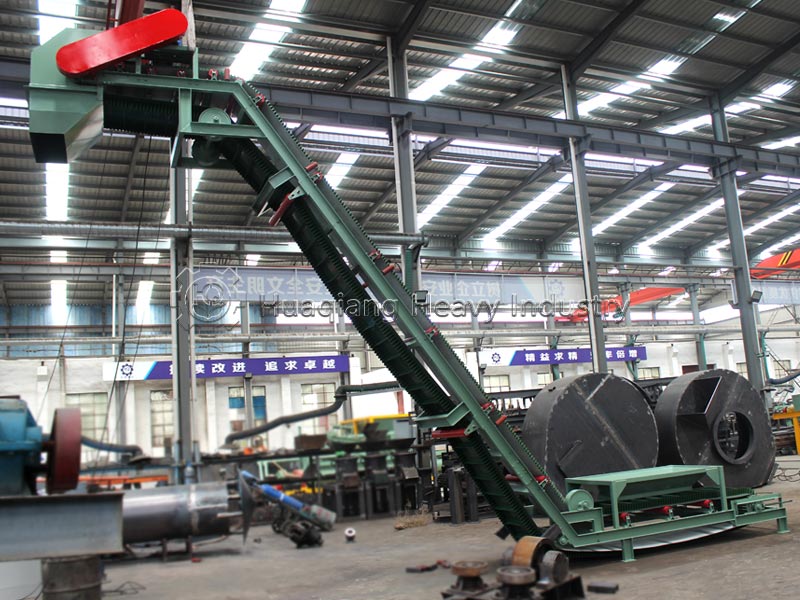
In material conveying scenarios requiring overcoming height differences, such as mining, port loading and unloading, and construction sites, traditional conveying equipment is often limited by the conveying angle, resulting in problems such as large footprint and low conveying efficiency. large-angle belt conveyors, as specialized equipment designed for large-angle inclined conveying, can achieve material conveying at large angles, even close to vertical (90°), effectively solving the industry pain points of high-drop conveying. It can efficiently transfer bulk materials such as coal, ore, sand, and grain, as well as some single items, becoming a core conveying equipment in industrial production for bridging height differences and optimizing site layout.
The stable and efficient operation of large-angle belt conveyors relies on targeted structural design, with each core component working in concert to ensure the stability of large-angle conveying. The inclined-angle conveyor belt is the core component of the equipment, employing a special design with corrugated sidewalls and transverse partitions—the corrugated sidewalls prevent material from slipping off the sides, while the transverse partitions divide the conveyor belt into several “hopper”-like spaces, fundamentally solving the problem of material slippage during large-angle conveying. The drive unit, consisting of a motor, reducer, and drive roller, provides sufficient traction to the conveyor belt, ensuring smooth operation even under large-angle load conditions. The redirecting roller changes the belt’s direction of travel, effectively adjusting belt tension distribution, especially during large-angle conveying operations, thus ensuring equipment stability. Idler rollers and the support frame form a support system; the idlers support the conveyor belt and reduce running resistance, while the support frame provides robust structural support for the entire device, adapting to installation requirements in complex environments. The tensioning device is crucial for large-angle conveying, ensuring the conveyor belt maintains appropriate tension during operation and preventing slippage due to excessive angle. Furthermore, the control system monitors and adjusts parameters such as conveyor speed and belt tension in real time, and, in conjunction with safety devices such as emergency stop switches and belt misalignment alarms, comprehensively ensures the safety of the equipment and operators.
The working principle of the large-angle belt conveyor is based on the synergistic effect of a dedicated conveyor belt and drive system, resulting in a clear, efficient, and reliable process. During operation, materials are first loaded onto a conveyor belt with corrugated sidewalls and transverse partitions from the lower feed inlet. The special structure of the conveyor belt firmly “locks” the material in, preventing it from scattering before inclined transport. Then, the drive unit starts, driving the conveyor belt upwards along a preset large-angle inclined path via the drive rollers. Under the combined constraint of the corrugated sidewalls and transverse partitions, the material is stably lifted with the conveyor belt, preventing slippage due to excessive inclination. When the material reaches the upper part of the conveyor belt, it is unloaded by its own gravity or a dedicated unloading device. The entire conveying process is continuous and smooth, achieving efficient material transfer from low to high.
The unique design gives the large-angle belt conveyor many core advantages, enabling it to adapt to complex high-drop conveying needs. Its large-angle conveying capacity is its most prominent highlight, achieving near-vertical conveying up to 90°, significantly shortening the conveying distance and saving considerable space, making it particularly suitable for space-constrained environments such as mines and ports. High efficiency is equally noteworthy. The specialized conveyor belt’s structural design ensures no material slippage during large-angle conveying, guaranteeing continuous and stable transport and improving overall efficiency. Its adaptability is exceptional, capable of conveying heavy bulk materials like coal and ore, as well as lightweight materials such as grain. It also adapts to complex terrain conditions such as steep mine slopes and high stockpiles in ports. In terms of operation and maintenance, the equipment’s structural design prioritizes ease of maintenance, making daily inspections and upkeep convenient and efficient. Compared to other large-angle material lifting methods, it consumes less energy and generates less noise, exhibiting excellent energy-saving and environmental performance. Comprehensive safety protection devices further enhance the equipment’s reliability, providing strong protection for industrial production safety.
From lifting ore underground in mines to stacking cargo in ports, from transferring sand and gravel at construction sites to vertical transport in grain warehouses, the large-angle belt conveyor, with its unique large-angle conveying capacity, highly efficient and stable performance, and compact structural design, provides the optimal solution for high-drop material transport in various industries. Against the backdrop of industrial production transforming towards higher efficiency and greater intensification, this equipment not only optimizes site layout and improves production efficiency, but also promotes energy-saving upgrades of conveying systems, becoming an indispensable core equipment in scenarios involving conveying across height differences.
Integrating Conveyance with Granulation in Fertilizer Production
The efficient vertical transfer capability of large-angle belt conveyors is a critical component within modern professional fertilizer manufacturing equipment setups. In a fertilizer plant, these conveyors are essential fertilizer raw material processing machinery and equipment, moving bulk powders or granular materials between different process levels. For instance, in an npk fertilizer production process, a conveyor may lift blended material from a npk bulk blending machine to the feed hopper of a granulator. Similarly, in an organic line, it can transfer cured compost from a windrow composting machine to the granulation unit.
This reliable material flow is vital for feeding the core shaping equipment. The conveyed material might be directed to a disc granulator (central to a disc granulation production line), where the disc granulator for shaping forms spherical pellets via a tumbling action. Alternatively, it could feed a double roller press granulator within a roller press granulator production line for dry compaction granulation. The disc granulator machine and other granulators thus rely on seamless, high-angle conveying to maintain a continuous and efficient production line.
Therefore, the integration of robust, space-saving conveying solutions with specialized granulation technology is fundamental to designing compact, multi-level fertilizer plants that optimize both floor space and production workflow.
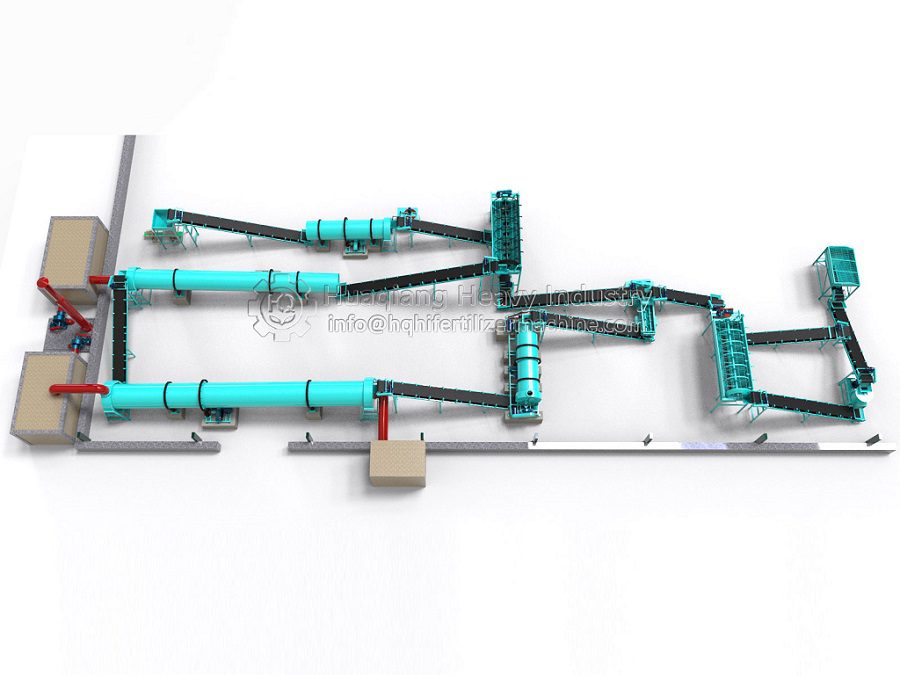
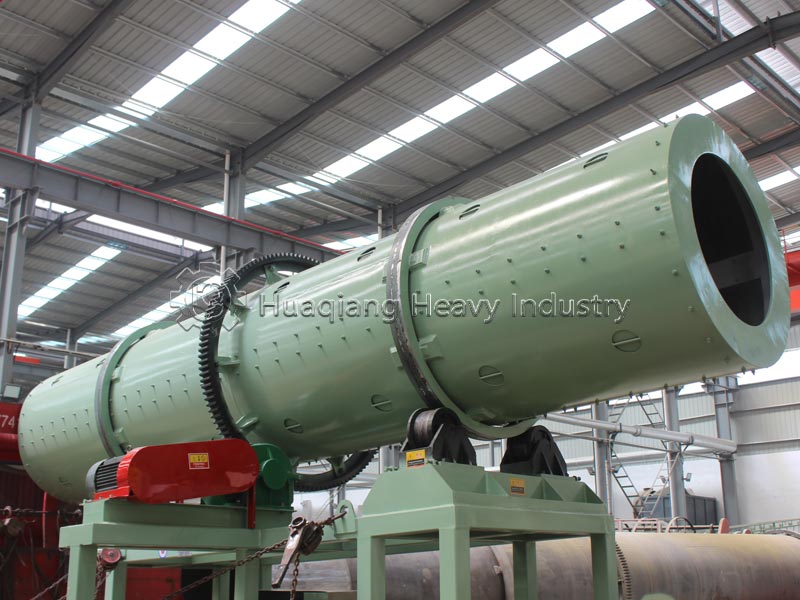
With its advantages of stable granulation, wide adaptability, and suitability for large-scale production, the rotary drum granulator has become a core fertilizer granulation equipment in the fertilizer industry, capable of processing various types of granular fertilizers.
Organic Fertilizer Series: It can process raw materials such as livestock and poultry manure and straw into ordinary organic fertilizer granules. The finished product has uniform particle size and moderate strength, making it easy to store and transport; it can also process bio-organic fertilizers; in addition, organic-inorganic compound fertilizers can also be produced using rotary drum granulators by mixing organic materials with inorganic fertilizer raw materials for granulation.
Compound Fertilizer Series: It can process nitrogen, phosphorus, and potassium compound fertilizers. By precisely proportioning raw materials such as urea, monoammonium phosphate, and potassium chloride, it can produce general-purpose or special-purpose compound fertilizers with different nutrient ratios to meet the needs of different crops; it can also process compound fertilizers containing trace elements by mixing magnesium sulfate, zinc sulfate, etc., into the basic fertilizer raw materials to achieve comprehensive nutrient supplementation and improve crop quality; it is also suitable for processing slow-release compound fertilizers.
In addition, the rotary drum granulator can also process some special fertilizers, such as fertilizers for flowers and seedlings. By adjusting the raw material ratio and granulation parameters, it can produce granular fertilizers that meet the growth needs of specific crops; it can also process industrial waste such as slag and fly ash into environmentally friendly fertilizers, achieving resource utilization.