Windrow compost turning machines: A key guarantee for large-scale organic fertilizer production

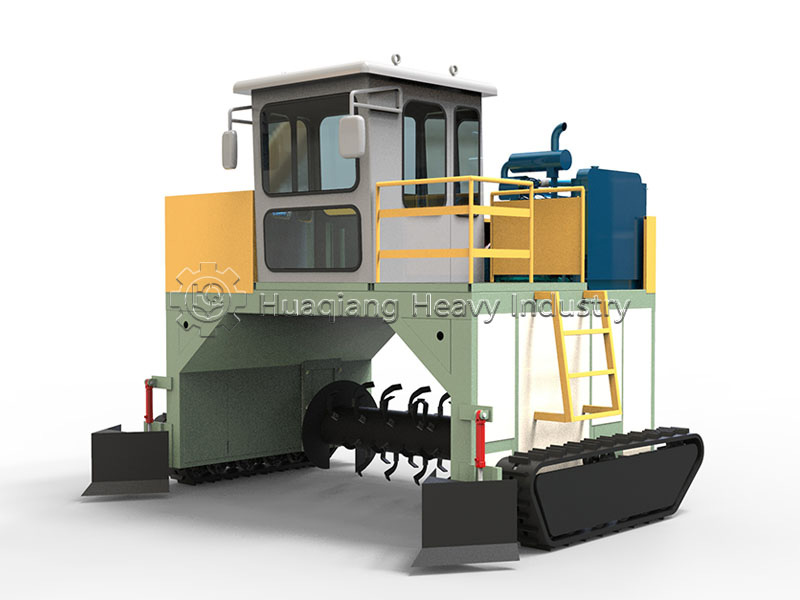
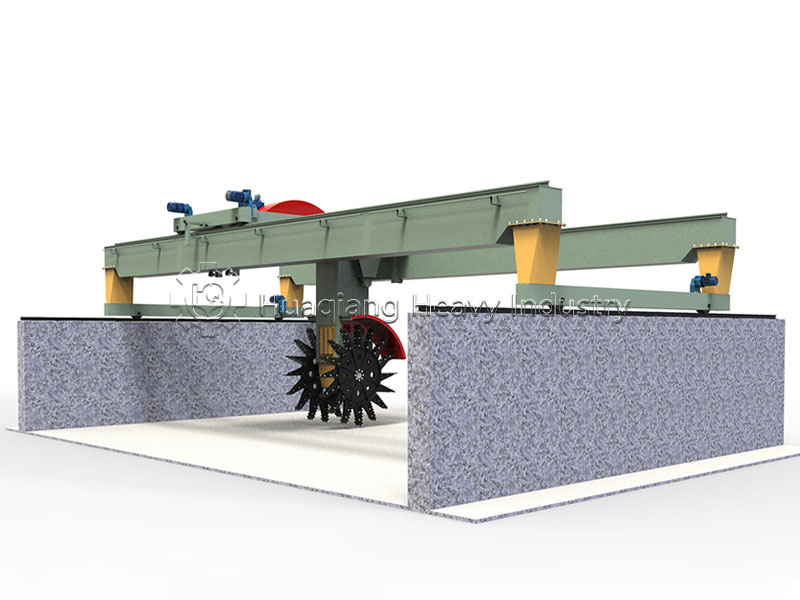
In modern bio-organic fertilizer production lines, the efficiency and stability of the fermentation process directly determine the overall performance of the entire production line. As an important component of the bio-organic fertilizer equipment system, the windrow compost turning machine, with its unique movement method and powerful operating capabilities, has become an indispensable core equipment for processing large-scale fermentation materials, providing a solid guarantee for efficient aerobic fermentation.

Compared with conventional equipment, the most significant advantage of the windrow compost turning machine lies in its excellent ground adaptability. This outstanding maneuverability ensures continuous and stable production operation of the composting process, which is an important foundation for maintaining the efficient operation of the bio-organic fertilizer production line.

In a complete bio-organic fertilizer production line, the windrow compost turning machine usually dominates the core process of windrow composting. It efficiently collaborates with other bio-organic fertilizer equipment such as raw material pretreatment, microbial agent addition, and subsequent discharge, achieving mechanized operation of the entire process from raw material entry to initial decomposition.

As bio-organic fertilizer production lines rapidly develop towards intensification and standardization, the technological value of the windrow compost turning machine becomes increasingly prominent. It plays an irreplaceable role in promoting the resource utilization of organic waste and the large-scale production of high-quality bio-organic fertilizers.

Key equipment for high-efficiency pretreatment in bio-organic fertilizer production lines

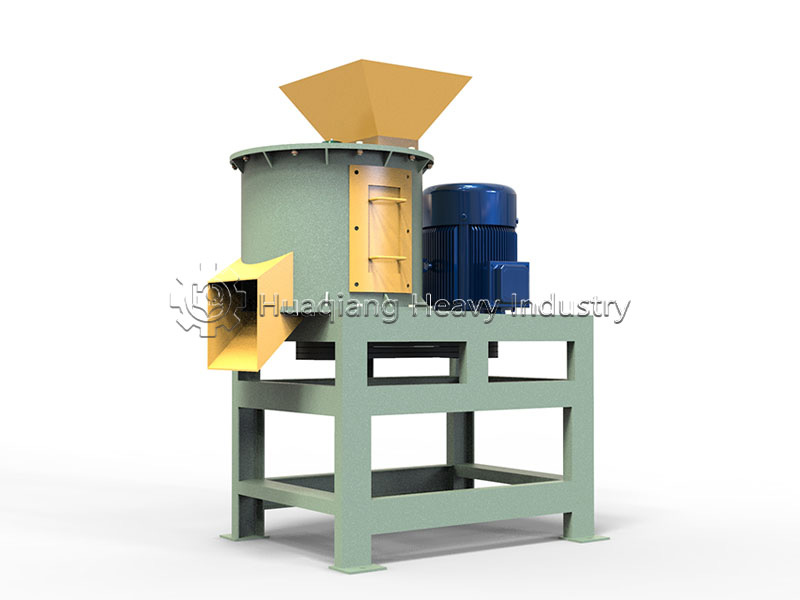
In the field of organic waste resource utilization, sticky and moist livestock and poultry manure, pasty kitchen waste, and insufficiently dried agricultural straw often pose pretreatment challenges due to their high moisture content and tendency to stick together. As an important member of the bio-organic fertilizer equipment system, the widespread application of half-wet material crushers has successfully transformed this technical bottleneck into a starting point for high-efficiency production.

The core capability of the half-wet material crusher lies in its excellent “moisture resistance” and “anti-clogging” design. It can efficiently process viscous materials with a moisture content of 30%-50%. This pretreatment not only solves the problems of subsequent conveying and mixing but also creates an ideal material state for deep fermentation.

In a complete bio-organic fertilizer production line, this equipment plays a crucial “pioneer” role. Its refined processing of raw materials directly improves fermentation efficiency and homogenization. The thoroughly crushed material has a significantly increased specific surface area, which is beneficial for the uniform inoculation and rapid reproduction of functional microorganisms.

The raw materials processed by this equipment exhibit significant advantages when entering the new type organic fertilizer granulator. The uniform and fine material properties significantly improve the granulation rate and enhance particle compactness and uniformity during the granulation process.

From a broader perspective, the technological advancements in half-wet material crushers have greatly broadened the range of raw material choices for bio-organic fertilizer production lines. This not only improves resource utilization but also provides a reliable guarantee for the production of high-quality bio-organic fertilizer products.

How is bio-organic fertilizer produced? A complete production line and core equipment analysis

How are piles of agricultural waste transformed into high-quality fertilizer rich in active microorganisms on a modern bio-organic fertilizer production line? This systematic processing chain integrates the collaborative operation of professional bio-organic fertilizer equipment, achieving a value transformation from “waste” to “soil nutrient.”

The journey begins with the pretreatment and scientific formulation of raw materials. Various organic raw materials are crushed, screened, and mixed in precise proportions, adjusting the carbon-nitrogen ratio and moisture content. This crucial step creates ideal conditions for subsequent fermentation, laying the technological foundation for the entire bio-organic fertilizer production line.

The core process lies in deep fermentation and the addition of microbial agents. The mixed materials enter the fermentation zone, where a windrow compost turning machine demonstrates its unique advantages. During the continuous 15-20 day aerobic fermentation process, the temperature undergoes a complete change curve, achieving complete harmlessness. When the temperature is suitable, professional functional microbial agents are precisely added, and active microorganisms begin to colonize and multiply in the material.

After fermentation, the material enters the refining stage. After obtaining powdered base fertilizer through crushing and screening, if it is necessary to improve the product’s marketability, it enters the granulation process. At this point, the rotary drum granulator comes into play. This not only improves the product’s appearance but also significantly enhances its storage and mechanized application performance.

This modern production line not only solves the problem of agricultural waste disposal but also produces biological products that can improve soil and enhance soil fertility, playing an increasingly important role in the construction of modern ecological agriculture.

How fertilizer granules compaction technology is reshaping bio-organic fertilizer production lines?

In the process of green transformation in modern agriculture, a complete bio-organic fertilizer production line is no longer merely a channel for processing organic waste, but a value-enhancing system integrating multiple technologies. Relying on specialized bio-organic fertilizer equipment, it transforms fermented and decomposed materials into high-value-added products through precise processing. Fertilizer granules compaction technology is becoming a core driving force for product upgrading.

The core value of an advanced bio-organic fertilizer production line lies in system integration. From precise fermentation at the front end to finished product processing at the back end, various bio-organic fertilizer equipment do not operate in isolation, but are seamlessly connected through intelligent control. This ensures stable and controllable operation throughout the entire process from raw materials to finished products, providing a fundamental guarantee for producing high-quality, highly active bio-organic fertilizer.

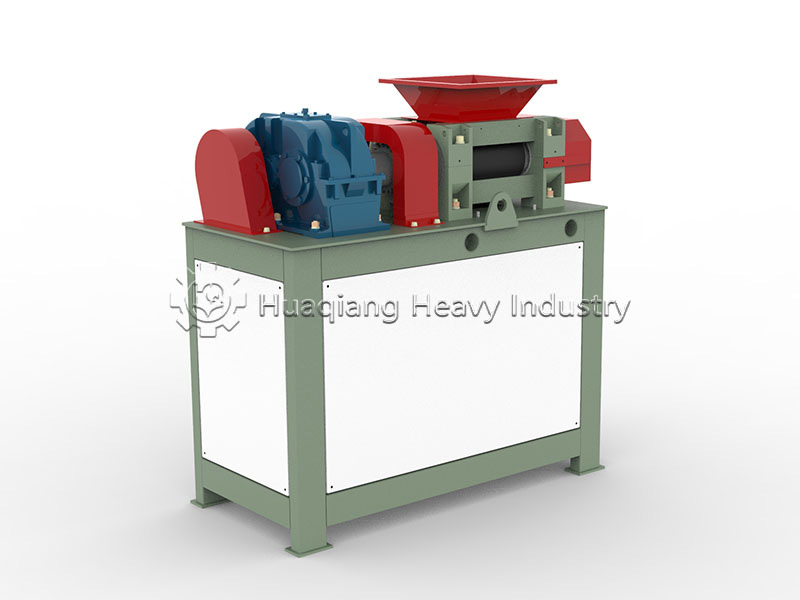
At the back end of the production line, the introduction of fertilizer granules compaction technology marks a crucial leap from “functionalization” to “commercialization.” This technology, through physical extrusion, transforms loose, powdery organic fertilizer into dense, regular pellets.

In fact, the integration of fertilizer granules compaction technology with bio-organic fertilizer equipment is driving the upgrading of the entire bio-organic fertilizer production line. The granular product form makes bio-organic fertilizer as convenient to use as traditional chemical fertilizers in the market, greatly increasing the acceptance of end users.

The value upgrade path of bio-organic fertilizer production lines

In the field of modern organic fertilizer production, a complete bio-organic fertilizer production line is achieving a perfect transformation from raw materials to high-quality fertilizer through the collaborative innovation of key equipment.

The large wheel compost turning machine demonstrates superior performance in the raw material processing stage. Its unique large-diameter turning wheel design enables deep turning of fermented materials, effectively improving oxygen exchange efficiency. This efficient turning method ensures the uniformity and thoroughness of the fermentation process, laying a solid foundation for subsequent processing stages.

Entering the core processing stage, the bio-organic fertilizer equipment system plays a crucial role. Simultaneously, the new type organic fertilizer granulator, with its innovative molding technology, transforms the fermented material into uniformly sized granular products. This granulation method not only improves the physical properties of the product but also significantly enhances its commercial value.

In the finished product deep processing stage, the fertilizer coating machine brings a qualitative leap to the product. By uniformly coating the granule surface, it not only effectively prevents product clumping but also achieves a slow-release effect of nutrients. The addition of this process significantly improves the storage stability and application effect of the final product.

As modern agriculture continues to demand higher quality organic fertilizers, this systematic production line configuration is demonstrating strong market competitiveness. It not only realizes the resource utilization of organic waste but also provides the market with higher value-added bio-organic fertilizer products through refined processing techniques, playing an increasingly important role in promoting sustainable agricultural development.

Bio-organic fertilizer production line: A perfect fusion of technology and equipment

In the wave of green development in modern agriculture, the bio-organic fertilizer production line, with its unique resource conversion capabilities, transforms various organic wastes into high-value-added bio-fertilizers. This complete production system, through the coordinated operation of specialized equipment, achieves an intelligent transformation from raw materials to finished products.

The core value of the entire bio-organic fertilizer production line lies in its systematic process flow. From the initial raw material fermentation treatment, to the intermediate addition and mixing of microbial agents, and then to the final molding processing, each step relies on the precise coordination of specialized bio-organic fertilizer equipment.

At the rear end of the production line, fertilizer granules compaction technology demonstrates its unique value. This technology not only significantly improves the physical properties of the product, making it easier to store and transport, but also greatly enhances its marketability, creating favorable conditions for mechanized fertilization.

Of particular note is that modern bio-organic fertilizer production lines consistently prioritize maintaining the activity of functional microorganisms during processing. From the ratio of microbial agents to the control of molding temperature, each step is meticulously designed to ensure that beneficial microorganisms remain active during processing, ultimately fulfilling their due biological functions in the product.

Chain compost turning machine: High-efficiency fermentation equipment in bio-organic fertilizer production lines

In modern bio-organic fertilizer production lines, the chain compost turning machine, as a key piece of equipment, plays a vital role in the material fermentation process due to its unique working method and reliable performance.

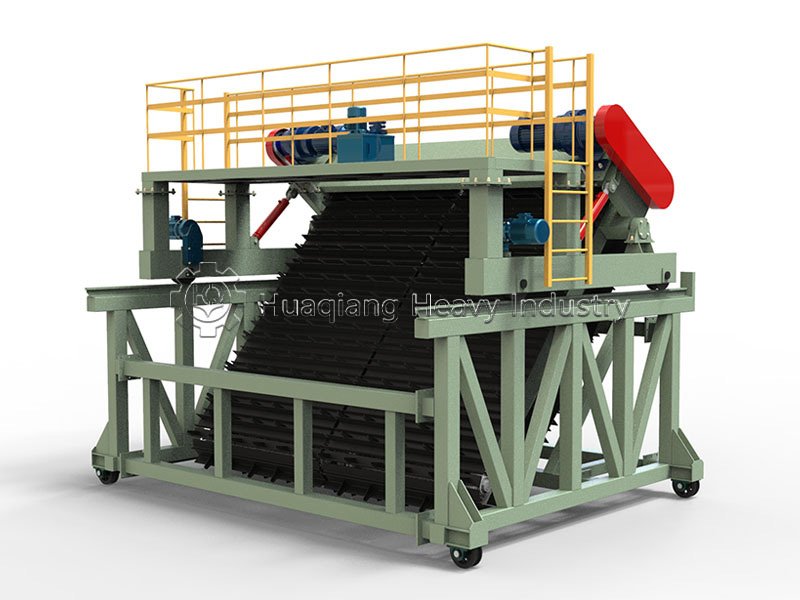
Unlike windrow compost turning machines, the chain compost turning machine employs a special chain drive design, driving the turning plates in a cyclical motion within the fermentation tank. This operating method effectively breaks up material compaction, ensuring sufficient oxygen supply to the fermentation pile and promoting the active reproduction of functional microorganisms. In bio-organic fertilizer equipment systems, this efficient oxygen supply method is particularly important for maintaining microbial activity.

In actual operation, the chain compost turning machine demonstrates unique advantages. Its turning depth can be flexibly adjusted according to material characteristics, meeting the needs of different fermentation stages. Compared to windrow compost turning machines, the chain structure operates more smoothly and reliably, with relatively lower maintenance costs, making it particularly suitable for continuous, large-scale bio-organic fertilizer production lines.

In a complete bio-organic fertilizer equipment configuration, the chain compost turning machine and the windrow compost turning machine form a good complementary relationship. Windrow compost turning machines are typically suitable for windrow fermentation in open areas, while chain compost turning machines excel in trough fermentation systems. This combination of equipment provides more flexible and diverse process options for bio-organic fertilizer production lines.

As an important component of the bio-organic fertilizer equipment system, the chain compost turning machine, with its stable and reliable performance and good economic efficiency, is becoming the ideal equipment for an increasing number of enterprises.

Drying and cooling processes in bio-organic fertilizer production

In a complete bio-organic fertilizer production line, the drying and cooling processes, though at the end of the production chain, are crucial in determining product quality. These two processes not only affect the physical properties of the product but also directly impact the survival and efficacy of active microorganisms in the fertilizer.

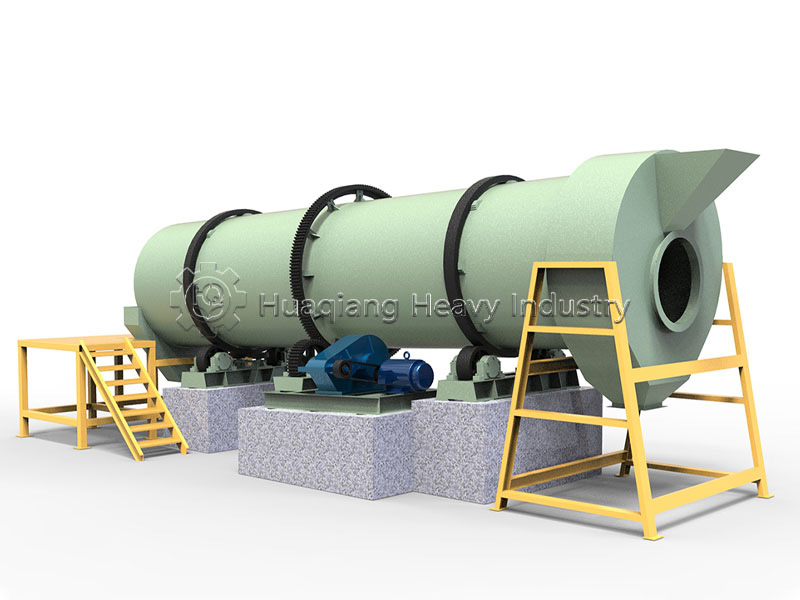
The drying process plays a vital role in controlling the moisture content of the product within the bio-organic fertilizer equipment system. Fertilizer granules fresh from the organic fertilizer granulator contain high moisture content and require gentle drying using specialized bio-organic fertilizer equipment. Modern drying equipment employs segmented temperature control, effectively removing moisture while avoiding damage to the microbial community from high temperatures, ensuring uniform heating of the fertilizer granules.

The cooling process follows closely after drying and is equally indispensable in the bio-organic fertilizer production line. The heated fertilizer granules need to be rapidly cooled to a suitable temperature, and controlling this process is crucial for maintaining granule strength and microbial activity. High-quality bio-organic fertilizer equipment can precisely adjust the cooling according to product characteristics, ensuring optimal cooling results.

In the design of a bio-organic fertilizer production line, the drying and cooling system needs to be seamlessly integrated with upstream equipment such as the organic fertilizer granulator. The granular material output from the organic fertilizer granulator is smoothly conveyed into the drying and cooling system. The entire process requires continuity and stability to avoid affecting product quality due to improper process connections.

With the continuous development of the bio-organic fertilizer industry, drying and cooling technologies are also constantly innovating. New bio-organic fertilizer production lines have made significant progress in energy conservation, consumption reduction, and intelligent control, making important contributions to improving the overall technological level of the industry.

Key process analysis in bio-organic fertilizer production lines

In modern bio-organic fertilizer production lines, fertilizer granules compaction technology, with its unique technological advantages, has become an important component of the bio-organic fertilizer equipment system. This technology achieves material shaping through physical pressure, providing a unique solution for bio-organic fertilizer production.

Within the bio-organic fertilizer equipment family, extrusion technology exhibits unique technological value. Its dry production characteristics are highly compatible with the production requirements of bio-organic fertilizer. No liquid binder needs to be added during the shaping process, which not only simplifies the process design of bio-organic fertilizer production lines but also helps maintain the survival rate of active microorganisms in the raw materials.

This technology demonstrates good adaptability to bio-organic fertilizer raw materials. Whether it is fully fermented livestock and poultry manure or treated crop straw, as long as its physical properties meet the requirements, ideal shaping can be achieved by adjusting the extrusion parameters. This flexibility makes it uniquely valuable in processing diverse bio-organic raw materials.

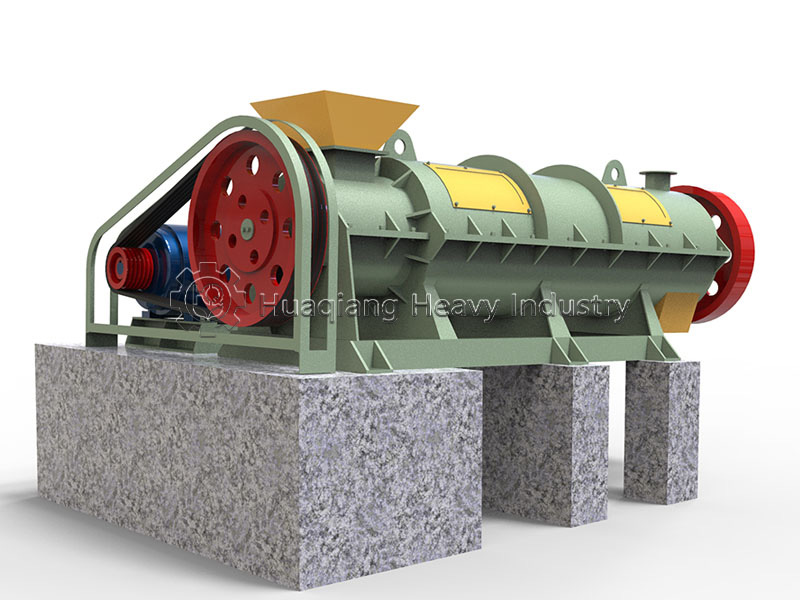
The precise design of the die system is crucial to ensuring product quality. In bio-organic fertilizer production lines, different specifications of die holes can be configured according to the characteristics and application requirements of different products. This customization capability allows bio-organic fertilizer equipment to meet diverse market demands.

With the development of the bio-organic fertilizer industry, extrusion technology has been continuously optimized and innovated. These technological advancements have provided strong support for the improvement and development of bio-organic fertilizer production lines.

Modern bio-organic fertilizer production technology: The transformation from waste to high-efficiency fertilizer

Modern bio-organic fertilizer production relies on specialized equipment to construct a complete bio-organic fertilizer production line, efficiently transforming agricultural waste into functional fertilizer rich in active microbial communities.

The entire bio-organic fertilizer production line begins with the refined pretreatment of raw materials. Specialized bio-organic fertilizer equipment precisely separates impurities and adjusts the composition of raw materials such as livestock manure and straw, creating optimal conditions for subsequent microbial fermentation. Precise control of the carbon-nitrogen ratio and moisture content of the materials at this stage directly affects the subsequent fermentation efficiency and microbial activity.

In the core fermentation section, the windrow compost turning machine plays an irreplaceable role. This specialized equipment ensures sufficient oxygen supply to the fermenting materials through slow and uniform turning operations, while effectively regulating the compost temperature.

The addition of functional microbial agents is a critical step in bio-organic fertilizer production. Modern bio-organic fertilizer equipment can precisely inoculate selected functional strains into the fermented materials under specific temperature and humidity conditions. This step requires extremely high environmental control capabilities from the equipment, ensuring that the microbial agents maintain optimal activity during inoculation.

In the granulation and post-processing stages, the bio-organic fertilizer production line exhibits unique technological characteristics. The specialized granulation equipment employs a gentle molding process, ensuring granule strength while maximizing the protection of microbial activity. Subsequent low-temperature drying and fine screening systems work together to ensure the final product meets standard physical properties and microbial content requirements.