When choosing an organic fertilizer production line, how to judge its quality and performance?

Organic fertilizer production line is an indispensable facility in modern agricultural production, which directly affects the yield and quality of organic fertilizer. Selecting the right organic fertilizer production line requires comprehensive evaluation from multiple perspectives.
 

  1. Raw material adaptability: We must first consider the adaptability of the production line to raw materials. High-quality Organic Fertilizer Production Line can adapt to a variety of raw materials, including livestock manure, straw, food industry by-products, etc. The diversity of raw materials directly affects the nutritional value and production cost of organic fertilizers.
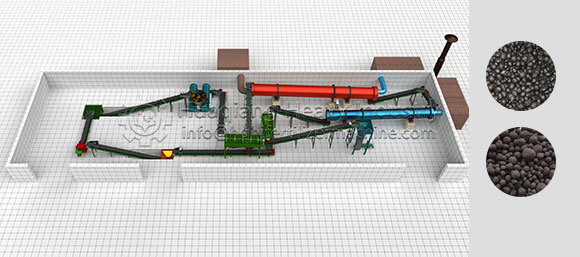
Organic-Fertilizer-Production-Line1
  1. Production capacity: The production capacity of the production line should match the scale and needs of the farm. For example, for large-scale farms, you may need to choose a production line that produces hundreds of tons per day, while for small-scale farms, you may need to choose a production line that produces tens of tons per day.
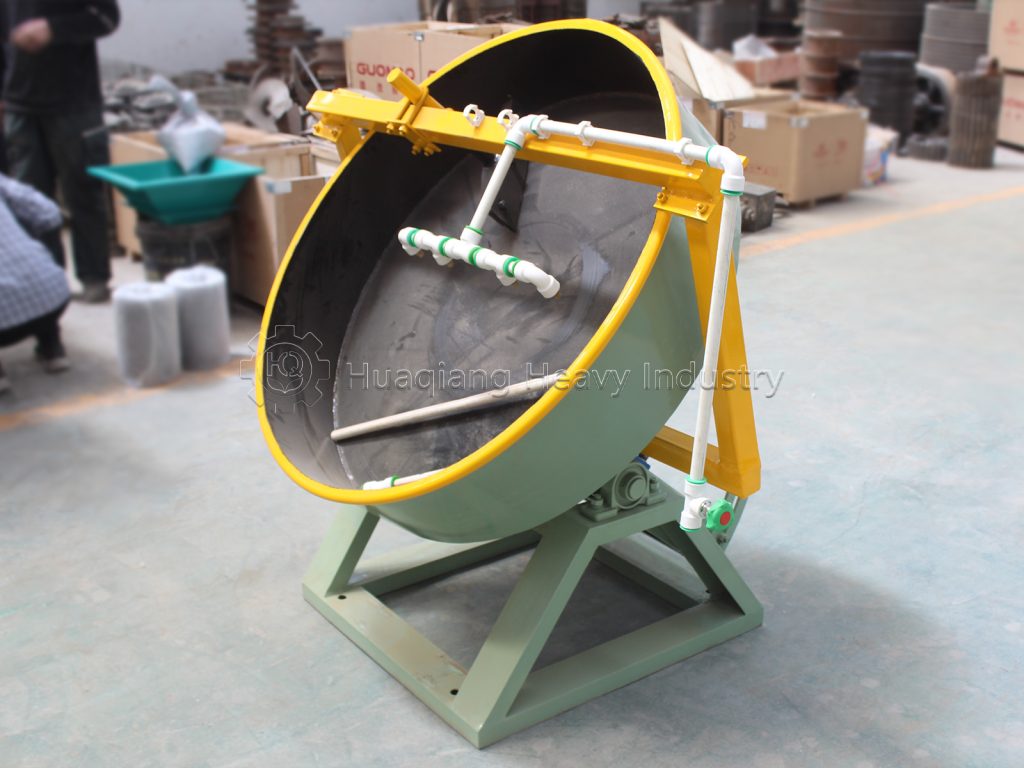
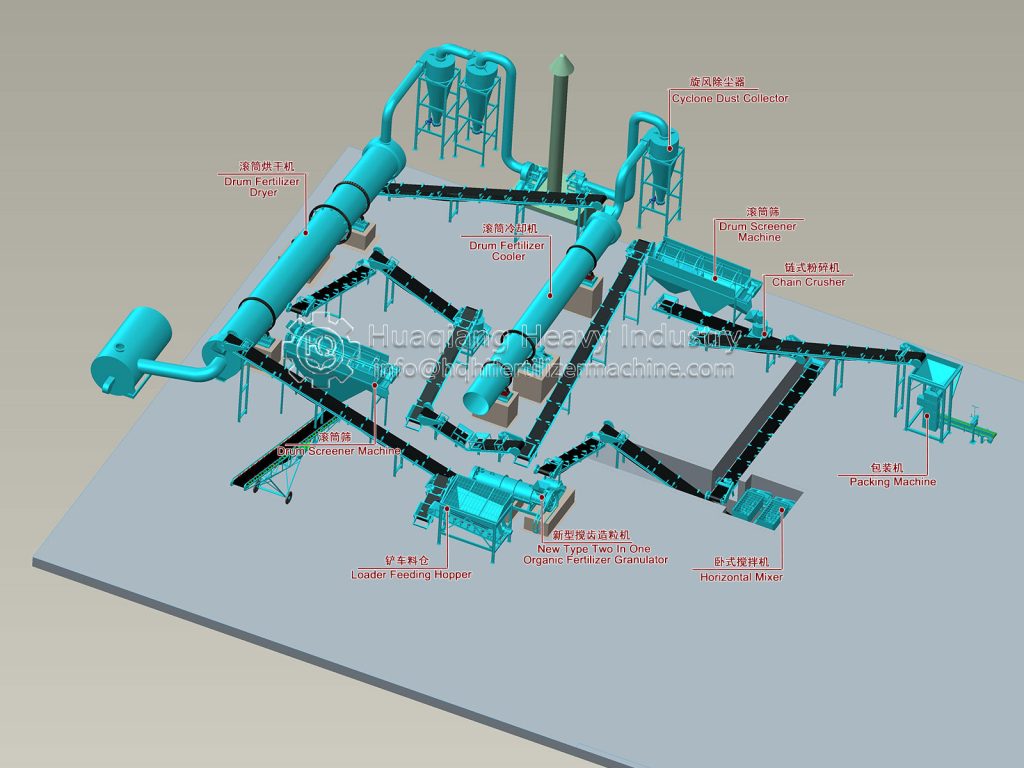
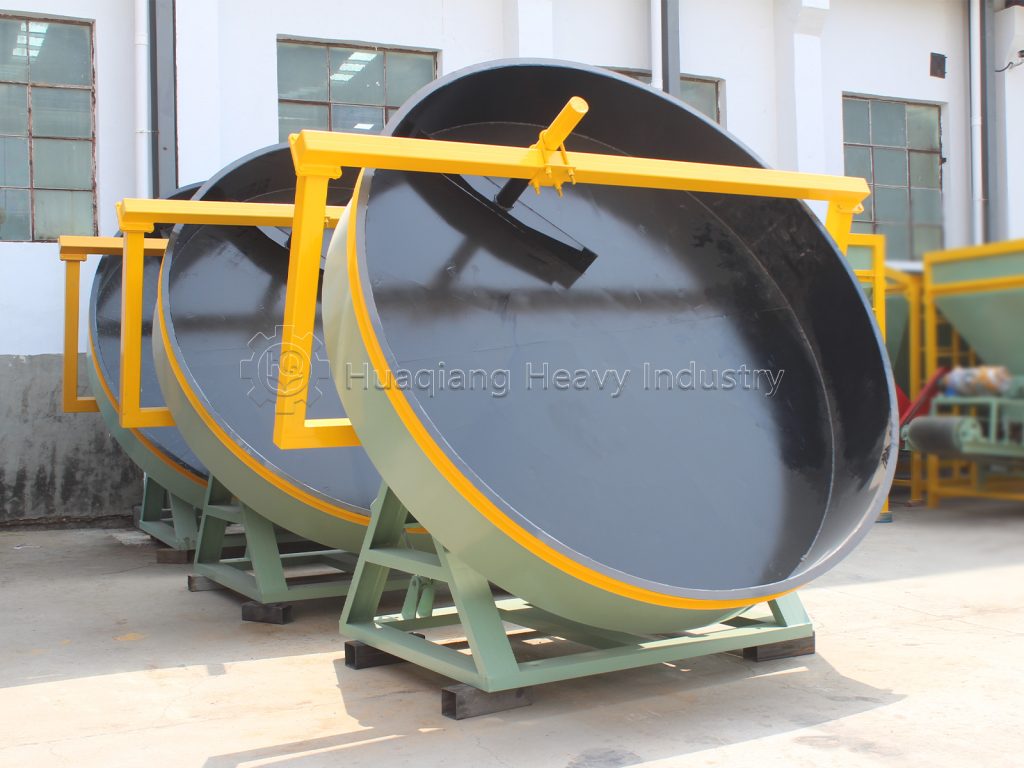
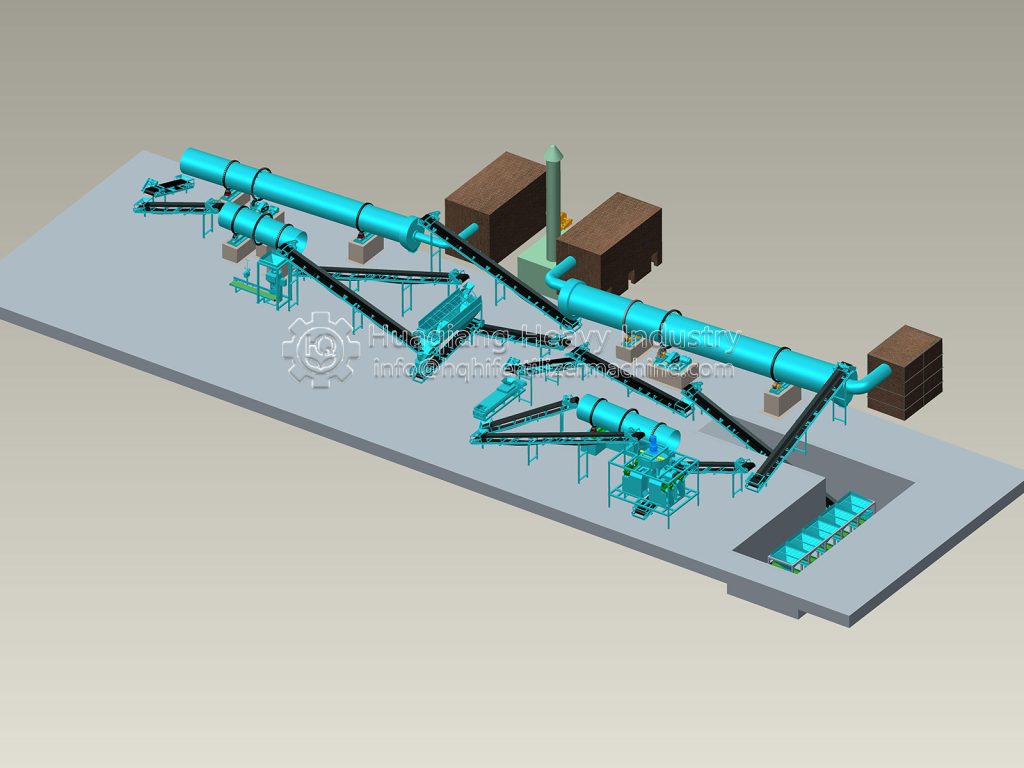
  1. Equipment composition: Organic fertilizer production line usually includes grinding, mixing, granulation, drying, screening and packaging and other links. The equipment performance of each link will affect the quality of the final product. For example, the Disc Granulator is able to produce uniform particles, which helps to improve fertilization efficiency.
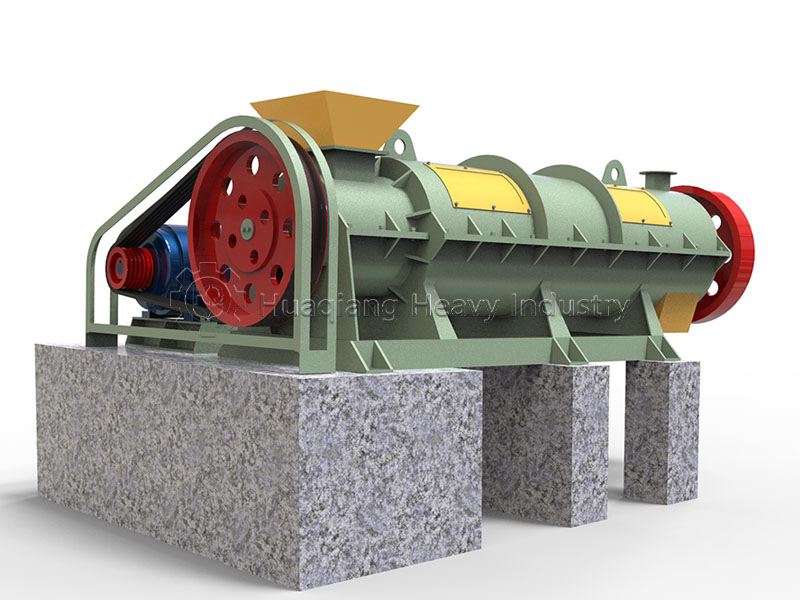
18_1
  1. Environmental performance: In the production process, the production line should meet the environmental requirements and reduce the impact on the environment. This includes emission reduction, noise control, waste disposal and more.
  1. Degree of automation: modern organic fertilizer production lines are increasingly inclined to automation, which can reduce labor costs and improve production efficiency. Production lines with a high degree of automation can more accurately control various parameters in the production process.
  1. Energy consumption: The energy consumption of the production line is also an important indicator to measure its performance. Energy efficient production lines can reduce production costs while also meeting the requirements of sustainable development.
  1. After-sales service: It is important to choose a production line with good after-sales service. This includes services such as installation, commissioning, maintenance and upgrading of equipment.
  1. Return on investment: Finally, you need to consider the return on investment of the production line. This includes equipment acquisition costs, operating costs and maintenance costs. A high-quality production line should be able to recover the investment cost in a relatively short time.

 
Through the comprehensive evaluation of the above aspects, the quality and performance of the organic fertilizer production line can be judged, so as to make a reasonable choice.

Different fertilizer types require special adaptation requirements for ring die granulators

In fertilizer production, ring die granulators must adjust core parameters based on the characteristics of different raw materials, such as organic fertilizer, compound fertilizer, and slow-release fertilizer, to ensure optimal granulation.

For organic fertilizers, whose raw materials often contain fiber components such as straw and fermented manure, ring die granulators require large-aperture ring dies (typically 8-12mm) and anti-entanglement rollers to prevent fiber entanglement and pelletizing stalls. Furthermore, the steam injection time should be appropriately extended during the conditioning stage to enhance the viscosity of the fiber raw material.

If producing bio-organic fertilizers containing live bacteria, a rapid cooling device should be added after granulation to reduce the pellet temperature to below 35°C to prevent high temperatures from killing the live bacteria.

Compound fertilizer raw materials are primarily nitrogen, phosphorus, and potassium powders, which are prone to moisture absorption and agglomeration. Therefore, granulators require ring dies made of wear-resistant materials (such as alloy steel) to minimize wear on the die holes, and the roller pressure must be precisely controlled. Excessive pressure can cause components like nitrate nitrogen in the raw materials to decompose and be lost due to the high extrusion temperature, while too little pressure can cause the granules to become loose.

Slow-release fertilizers, however, contain special ingredients like coating agents, so the ring die granulator requires a lower extrusion temperature (below 30°C). This is usually achieved by reducing the roller speed (from 30 rpm to 20 rpm) and adding a cooling device to prevent high temperatures from damaging the slow-release coating structure and ensure the fertilizer’s slow-release effect.

Working principle of the fertilizer granule coating machine: Core design adapted to fertilizer characteristics

In fertilizer production, the core function of the coating machine is to address the issues of loose granules and their tendency to absorb moisture and agglomerate. Its workflow is precisely designed based on fertilizer characteristics.

First, during the granule conveying process, the coating machine utilizes an “anti-scattering conveyor belt + vibrating discharge mechanism” to prevent granule accumulation. A flow sensor controls the conveying rate, ensuring that each batch of granules enters the coating area evenly. Even with materials with complex ingredients and uneven particle sizes, such as compound fertilizers, this ensures a uniform distribution of granules of varying sizes, paving the way for subsequent coating.

Next, the film wrapping process occurs. To prevent fertilizers from absorbing moisture, PE or PP film is often used. A film guide mechanism, combined with a particle deflector, tightly wraps the granules from all sides. An adaptive tension system adjusts the film tension based on granule flow to prevent leakage or agglomeration. The heat-sealing and shaping process is particularly critical. The coating machine utilizes hot air circulation to achieve film shrinkage while preventing the loss of fertilizer components due to high temperatures. For example, urea fertilizers are prone to decomposition above 160°C, and precise temperature control maximizes nutrient retention. Zoned temperature control also prevents localized overheating that can lead to pellet clumping, ensuring that pellets remain loose after coating.

Finally, the packaging is cut to pre-set specifications and the bag opening is simultaneously compacted to ensure packaging integrity. This process addresses both fertilizer storage and transportation requirements, ensuring that the packaging is protected from damage and leakage, even during bumpy long-distance transport.

Analysis of Difficulties in Bio-Organic Fertilizer Production Lines

As a crucial pillar of green agriculture, bio-organic fertilizer production lines have standardized processes. However, actual production still faces numerous technical and operational challenges, which directly impact product quality and efficiency.

Raw material pretreatment is the primary hurdle in bio-organic fertilizer production lines. Bio-organic fertilizer raw materials are primarily agricultural waste, such as livestock and poultry manure, straw, and mushroom residue, and their composition is complex and unstable. Moisture content and carbon-nitrogen ratios vary significantly among raw materials, and uneven mixing can lead to low subsequent fermentation efficiency. For example, high moisture content in livestock and poultry manure can easily clump, necessitating the addition of additional ingredients. This not only increases costs but can also disrupt the microbial environment due to improper ingredient ratios. Furthermore, pretreatment is necessary to remove harmful substances such as heavy metals and antibiotics from the raw materials. However, inaccurate testing and screening can result in excessive heavy metal levels in the finished product, failing to meet agricultural safety standards.

Precise control of the fermentation process is a key challenge. Bio-organic fertilizer fermentation relies on microbial decomposition of organic matter, requiring strict control of parameters such as temperature, humidity, and oxygen content. If the temperature rises too slowly during the initial fermentation phase, the composting cycle will be prolonged; excessively high temperatures may kill beneficial microorganisms and lead to nutrient loss. Furthermore, the fermentation process is prone to producing harmful gases such as ammonia and hydrogen sulfide. If the ventilation system is poorly designed, this not only pollutes the environment but also affects the health of workers.

The integration of equipment operation and quality control also presents challenges. In the bio-organic fertilizer production line, the crushing, mixing, and granulation equipment must operate in tandem. Uneven particle size can affect the granulation yield. Improper temperature control in the granulator can easily result in granules that are too hard or too soft, impacting product storage and transportation. Furthermore, relying solely on sampling and testing finished products during quality inspection can hinder timely detection of production process problems, potentially resulting in the rejection of entire batches.

These challenges not only test the technical capabilities of the bio-organic fertilizer production line but also place high demands on the professional expertise of the operators. Only by addressing these challenges in each link can we promote the high-quality development of the bio-organic fertilizer industry and provide strong support for the green transformation of agriculture.

Three Core Application Scenarios for Disc Granulators

Due to their high pellet formation rate and highly adjustable parameters, disc granulators have expanded beyond the traditional fertilizer sector to diverse applications such as environmental protection and metallurgy, becoming a “universal device” for material formation across multiple industries. Their differentiated adaptability to various application scenarios is their core competitive advantage.

Agriculture is the primary market for disc granulators, with each specific application focusing on its own specific niche. In organic fertilizer production lines, for fibrous materials such as livestock and poultry manure and straw, the equipment requires rubber-lined discs with anti-sticking walls, an inclination angle of 35°-40°, and a humic acid binder to achieve efficient granulation at a moisture content of 15%-18%. Compound fertilizer applications require even higher corrosion resistance. 304 stainless steel discs, combined with an atomizing spray system, precisely control the adhesion of nitrogen, phosphorus, and potassium mixtures, ensuring pellet roundness that meets high fertilization standards.

In the field of environmental solid waste treatment, disc granulators have become a key component in resource utilization. When processing municipal sludge, the equipment first reduces the sludge’s moisture content to below 20% through a preheating system. Then, using bentonite as a binder, the equipment, operating at a speed of 18-20 rpm, converts the sludge into spherical pellets suitable for incineration or landfill. For the treatment of industrial solid waste such as steel slag and slag, wear-resistant ceramic-lined discs can withstand the impact of high-hardness materials. Combined with a powerful scraper, they ensure uniform mixing of the ore powder and binder, effectively improving solid waste utilization.

Mineral powder granulation in the metallurgical industry places stringent requirements on equipment stability. For high-density materials such as iron ore concentrate and manganese ore fines, disc granulators utilize a thickened steel frame with an adjustable tilt angle of 40°-45°. A high-frequency vibrating distributor ensures uniform feeding and ensures the compressive strength of the ore powder pellets meets the feed requirements for blast furnace smelting. Furthermore, for the granulation of rare earth materials, the equipment must be equipped with a sealed dust cover to prevent leakage of ultrafine powder and ensure a safe production environment.

From agriculture to environmental protection to metallurgy, the disc granulator continues to expand its application boundaries through customized adjustments of materials, parameters, and supporting systems. In the future, with the integration of new materials technology, its application potential in refined fields such as medicine and food additives will be further released.

Reasons for the Growing Demand for Bio-Organic Fertilizer Production Lines

As agriculture moves toward green and sustainable development, demand for bio-organic fertilizer production lines is growing rapidly, primarily due to the following key factors.

Policy guidance is a key driver. Many countries have introduced specific policies to support the development of the bio-organic fertilizer industry. For example, the European Union has implemented a “Farm to Fork” strategy, which explicitly calls for reducing the use of chemical fertilizers. It subsidizes farms that use bio-organic fertilizers and offers tax breaks to bio-organic fertilizer manufacturers. For example, Germany exempts bio-organic fertilizer manufacturers that meet environmental standards from some corporate income tax. The United States has established a special fund to support the construction of bio-organic fertilizer production lines and has enacted regulations to strictly restrict the indiscriminate disposal of agricultural waste. This has encouraged farms and businesses to transform livestock and poultry manure, crop straw, and other products into usable resources through bio-organic fertilizer production lines, reducing pollution while creating economic value. Evolving market demand is also crucial.

With rising consumption, green and organic agricultural products are gaining popularity, with their market size growing at an average annual rate of 10%. Bio-organic fertilizers can improve the quality of agricultural products, increase the vitamin C content of fruits and vegetables, and eliminate the “chemical fertilizer smell,” thus meeting market demand for high-quality agricultural products. Furthermore, long-term use of chemical fertilizers has led to soil compaction and a decrease in organic matter. Bio-organic fertilizers, with their ability to loosen the soil, replenish carbon sources, and inhibit soil-borne diseases, are urgently needed for soil remediation. Furthermore, the growth of large-scale agriculture has significantly increased demand for bio-organic fertilizers from planting bases and family farms, prompting companies to expand production capacity.

Technological advances have provided strong support for the development of bio-organic fertilizer production lines. Automated production lines have improved production efficiency, reduced labor costs by over 60%, and lowered energy consumption by 20%-30%. Advanced bacterial strains and processes have significantly improved product quality and significantly increased the number of viable bacteria. Intelligent management enables full control of the production process, attracting more companies to participate.

Furthermore, abundant and affordable raw materials provide cost advantages for bio-organic fertilizer production lines, and companies can also receive environmental protection incentives for waste disposal. Faced with market saturation and regulatory pressure, traditional chemical fertilizer companies have shifted to the bio-organic fertilizer business. The continuous influx of new players has further increased demand for production lines.

Standard Operation of a Disc Granulator in Organic Fertilizer Production

The disc granulator, a core component of the organic fertilizer production line, acts as a “shaping craftsman.” Every step directly impacts pellet quality and safe and stable production. To maximize the performance of this critical piece of equipment, a rigorous and organized standard operating procedure is essential.

The 10 minutes before startup are essential. First, inspect the equipment: check for cracks or loosening on the disc liner, ensure adequate lubrication of transmission components (oil level should be 1/2-2/3 of the mark), and tighten the anchor bolts to prevent loosening. Prepare the raw materials: control the moisture content to 25%-35% (if too high, air dry; if too low, add water). Screen out impurities larger than 5mm to prevent clogging. Finally, perform a safety inspection, clear surrounding debris, securely close the guardrails, test the emergency stop button and overload device, and ensure proper functioning of the electrical circuits and instruments.

The 5-minute startup operation must be performed in a sequential manner. First, start auxiliary equipment such as the raw material conveyor and humidifier. Once these equipment stabilizes, start the granulator’s main motor to avoid damage caused by load. Adjust the disc inclination angle according to the material (lower for clay, higher for organic matter, 45°-55°). Set the speed to 15-20 r/min. Once the disc granulator stabilizes, slowly open the feed valve. Initially, feed at 60% of the rated capacity.

Continuous monitoring is required during operation. Check pellet formation every 10 minutes. Acceptable particle size is 2-5mm. If the pellets are too fine, reduce the feed rate or increase the inclination angle. If there is sticking, reduce the water content. Record parameters every 30 minutes. If the motor current is ≤ 90% of the rated value and the bearing temperature is ≤ 65°C, immediately shut down the machine for investigation.

The minimum shutdown time is 15 minutes. First, close the feed valve, drain the material, turn off the humidifier and main motor, clean any remaining material, inspect components for wear, and keep a maintenance log.

During the entire disc granulator operation, operators must strictly adhere to safety procedures at all times, wear dust masks and hard hats, and never open the guardrail while the machine is running. Only by implementing standardized procedures at every stage can safe and efficient organic fertilizer production be truly achieved.

Practical Strategies for Improving the Efficiency of Disc Granulators in Organic Fertilizer Production Lines

In organic fertilizer production lines, the efficiency of disc granulators directly impacts overall production capacity and finished product quality. To maximize equipment performance, systematic optimization is necessary, encompassing multiple aspects, including material compatibility, parameter control, and standardized operation. Specifically, these four key areas can be addressed.

First, effective material pretreatment is fundamental. Organic fertilizer raw materials, such as livestock and poultry manure and straw, often exhibit uneven moisture content and coarse particle size. Dehydration through extrusion or atomization is essential to precisely control the material moisture content to 35%-45%. This avoids low moisture content, which can lead to difficult pellet formation and high reject rates, or high moisture content, which can cause pellet sticking. Furthermore, a hammer mill combined with a vibrating screen can be used to refine the material to a particle size of 80-120 mesh, removing impurities and coarse particles, reducing granulation resistance, and clearing obstacles for subsequent processes.

Second, scientifically adjusting equipment parameters is crucial. The disc inclination angle and speed should be adjusted flexibly based on the material characteristics. Typically, the inclination angle is set at 18°-22°, and the speed is controlled between 15-25 rpm. For highly viscous materials, the inclination angle can be increased and the speed increased to reduce wall sticking. For dry materials, the inclination angle and speed should be reduced to ensure adequate rolling and forming of the pellets. Furthermore, installing an atomizing spray system allows moisture to be evenly applied to the material surface, preventing overwetting and improving pellet uniformity and forming speed.

Furthermore, standardized operational management is essential. Operators must strictly adhere to the procedures of pre-startup inspection, monitoring during operation, and post-shutdown cleaning. Before starting the machine, check bearing lubrication and disc levelness. During startup, control the material feed rate to avoid overloading and resulting in particle size fluctuations. If problems such as overfine particles or wall sticking are detected, fine-tune parameters promptly to minimize downtime and ensure continuous and stable operation.

Finally, regular maintenance can extend the life of the equipment and maintain high efficiency. Clean the discs of residual material and inspect the liner for wear daily. Tighten the liner screws and adjust the drive belt tension weekly. Replace the bearing lubricant and test the motor performance monthly. Promptly replacing worn parts prevents minor faults from becoming major problems, ensuring the disc granulator is always in optimal working condition and helping improve the quality and efficiency of your organic fertilizer production line.

Drum screener machine—A grading expert in compound fertilizer production

In the compound fertilizer production process, separating finished products from recycled materials and achieving uniform grading are critical steps in ensuring quality. The drum screener machine is the core equipment in this process. Its unique design and stable performance have made it a key choice for many fertilizer manufacturers to improve production efficiency.

This drum screener machine utilizes a combined screen design, significantly simplifying routine maintenance and facilitating part replacement. It also allows for flexible adjustments based on the screening requirements of different materials, making it suitable for a variety of compound fertilizer production scenarios. During operation, material enters the drum through the feed inlet. The drive mechanism drives the drum to rotate smoothly, while the vibrating mechanism generates uniform vibrations, thoroughly tumbling and dispersing the material within the drum. Finer materials pass smoothly through the screen holes for separation, while coarser materials move along the drum’s inner wall to the discharge port, achieving efficient separation and precise grading.

Its advantages are significant: screening efficiency far exceeds that of traditional equipment, and the processing capacity meets the high-intensity demands of continuous production, avoiding production interruptions. The equipment is also equipped with a specialized sealing device to effectively reduce dust leakage, complying with the environmental protection requirements of modern industrial production and creating a clean and safe working environment.

For compound fertilizer manufacturers, choosing a high-quality drum screener machine can ensure product particle uniformity from the source, enhance market competitiveness, reduce raw material waste due to substandard screening, and save production costs.

Why is the disc granulator the preferred choice for organic fertilizer production lines?

For the granulation stage of organic fertilizer production lines, disc granulators are the preferred equipment for most manufacturers due to their outstanding advantages, including strong adaptability, high granulation quality, and low operating costs. This equipment not only precisely matches the characteristics of organic fertilizer raw materials but also balances production efficiency and product quality, providing critical support for stable production line operation.

In terms of raw material compatibility, disc granulators are far more compatible with organic fertilizer materials than other equipment. Organic fertilizer raw materials are mostly loose, fibrous materials such as livestock and poultry manure and composted straw, which have large moisture fluctuations. By precisely matching the inclination angle and rotation speed, the disc granulator utilizes the dual effects of the material’s own gravity and centrifugal force to gradually roll the loose material into granules. This eliminates the need for excessive compression, which damages the fiber structure. Furthermore, the disc granulator can accommodate raw materials of varying particle sizes, eliminating the need for frequent adjustments to equipment parameters and significantly reducing operational complexity.

Granulation quality is the core reason for choosing a disc granulator. High-quality organic fertilizer granules require a smooth surface, moderate hardness, and good water solubility for easy storage, transportation, and field application. The disc granulator’s granulation process utilizes a “rolling granulation” mechanism, with the pellets continuously tumbling within the disc. This not only ensures uniform nutrient coating but also creates pellets with consistent density, resulting in a high yield rate. Furthermore, the pellet diameter can be flexibly controlled by adjusting the disc speed, meeting the fertilization needs of different crops.

From a cost-effectiveness perspective, the disc granulator also offers significant advantages. Its simple structure, consisting solely of a disc, transmission, and frame, reduces failure rates and reduces maintenance costs compared to extrusion granulators. In terms of energy consumption, the power output of each unit is moderate, and the energy consumption per unit product is significantly lower than other granulation equipment. Furthermore, the disc granulator’s small footprint allows for flexible integration into production lines of varying sizes. Whether small or medium-sized family farms or large organic fertilizer producers, they can choose the appropriate model based on their production capacity needs, maximizing investment returns.

In response to the demand for green agriculture, the disc granulator, through its efficient and energy-efficient granulation method, helps improve the quality of organic fertilizer products, becoming a crucial link between agricultural waste resource utilization and green farming.