Practical maintenance tips for extending the life of a chain crusher

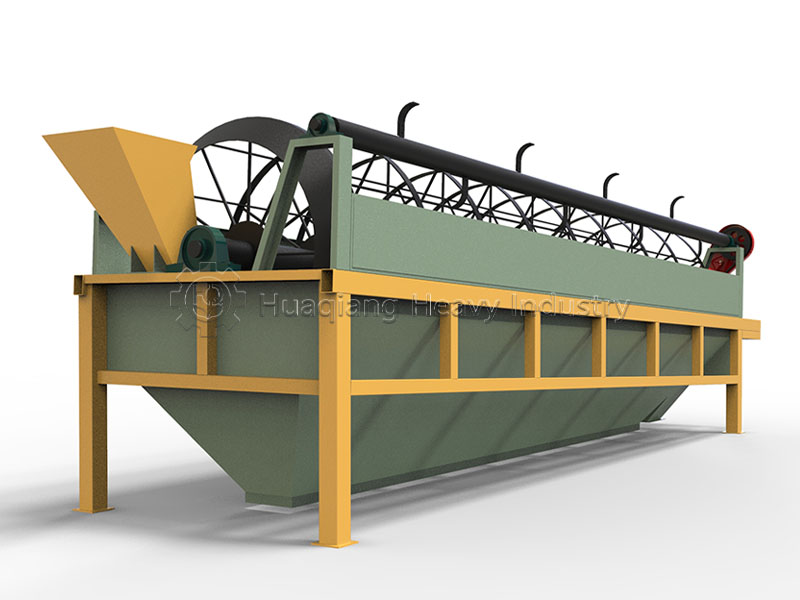
As a critical piece of equipment in a company’s production, the lifespan of a chain crusher directly impacts its return on investment. Proper routine maintenance can effectively extend its service life, reduce equipment replacement costs, and ensure smooth production.

During daily use, it’s important to regularly inspect the condition of all components. Pay special attention to the wear of the chain and hammer heads, as these components are the heart of crushing. Severe wear can reduce crushing efficiency and should be promptly replaced to avoid impacting crushing efficiency and equipment stability.

Also, check the drive system, including the motor’s operating temperature and the tightness of the transmission belt, to ensure the motor and transmission are operating properly, without abnormal noise or overheating. Any problems identified should be addressed promptly to prevent further malfunctions.

Regular equipment cleaning is also crucial. During the crushing process, material dust easily adheres to the equipment’s interior and screen. Failure to clean the screen promptly can cause screen blockage, affecting crushing particle size and discharge efficiency, and accelerating component wear. When cleaning, first turn off the power to the equipment. Once the chain crusher has completely stopped, open the protective door and clean the interior. Use specialized tools to remove any residual material and dust, ensuring the equipment is free of residual material.

In addition, lubricating oil should be added regularly according to the equipment instructions to keep all moving parts (such as the main shaft, bearings, etc.) well lubricated, reduce friction loss between components, improve the smoothness of equipment operation, and further extend the service life of the equipment.

At the same time, the chain crusher should be regularly inspected and repaired to check for potential faults and hidden dangers to ensure that the equipment is always in good operating condition.

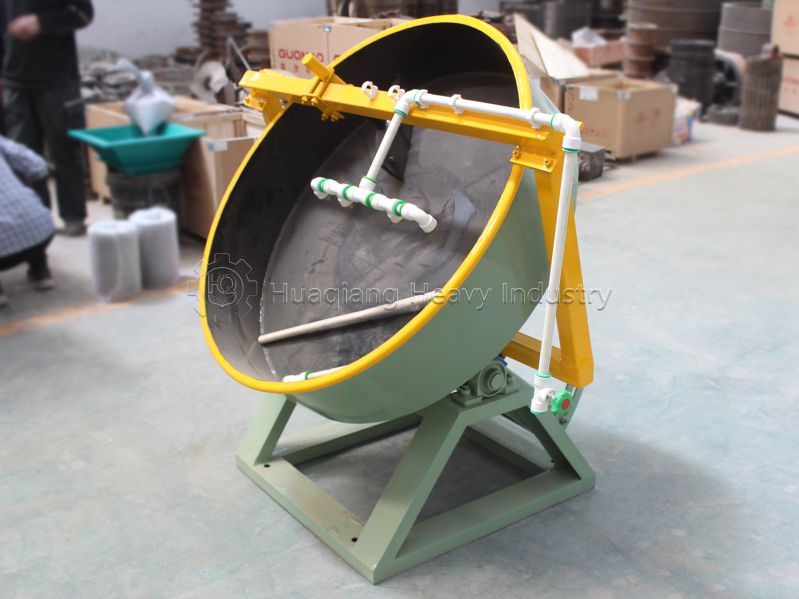
How to Choose the Right Disc Granulator for Your Production Line

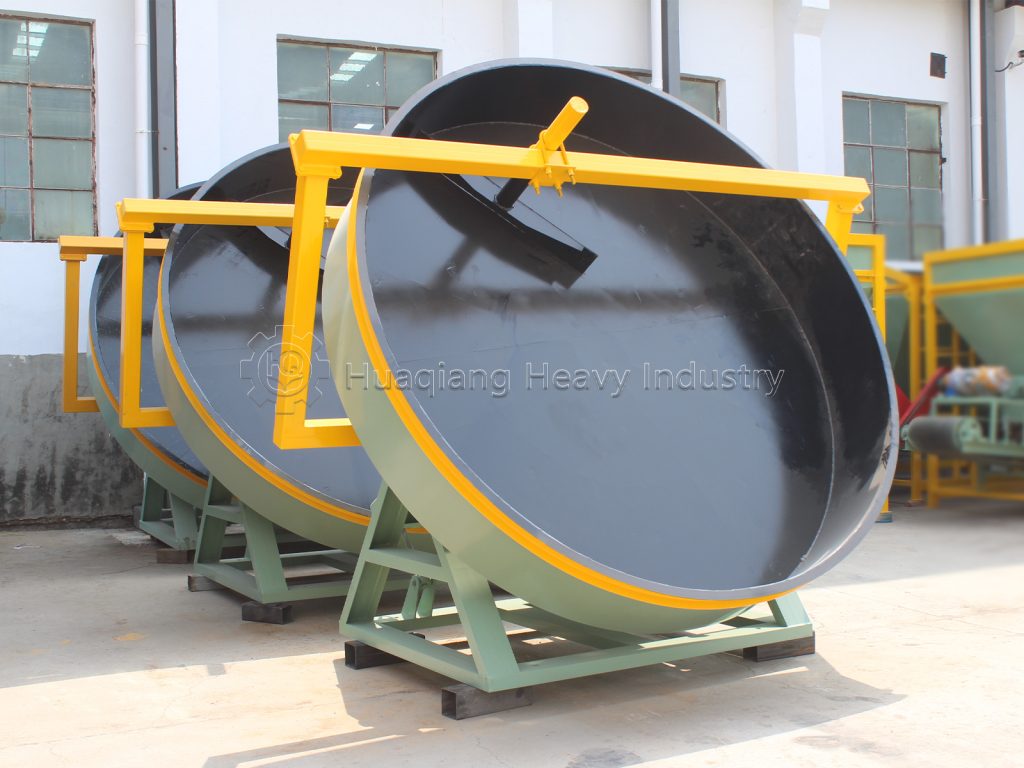
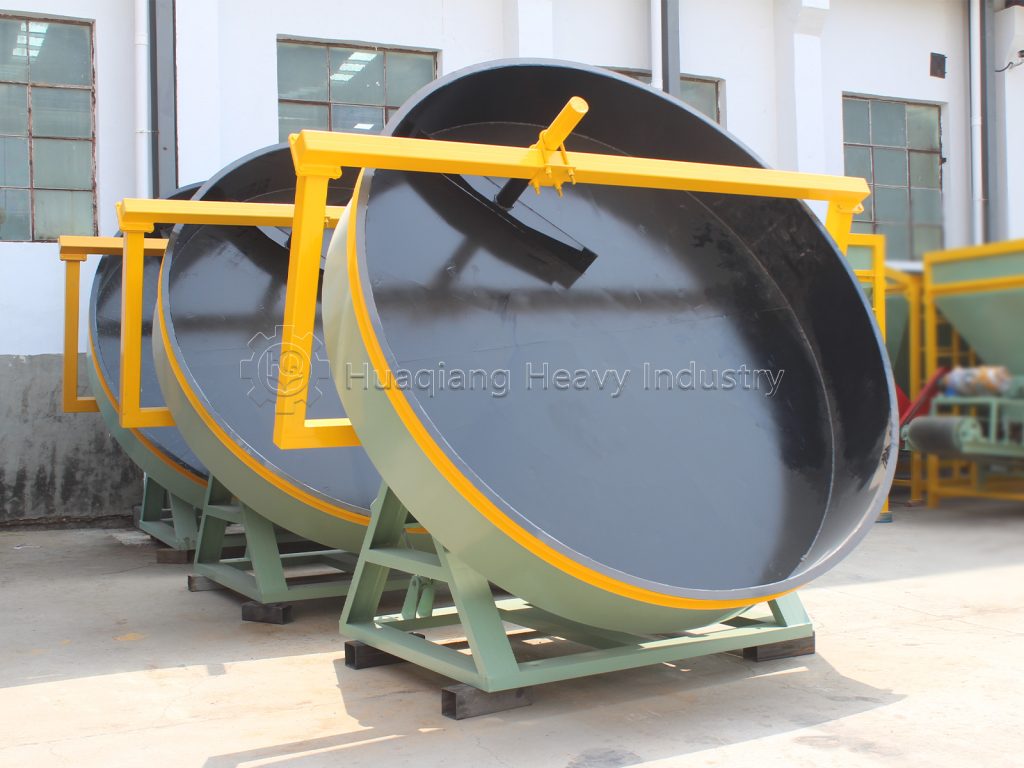
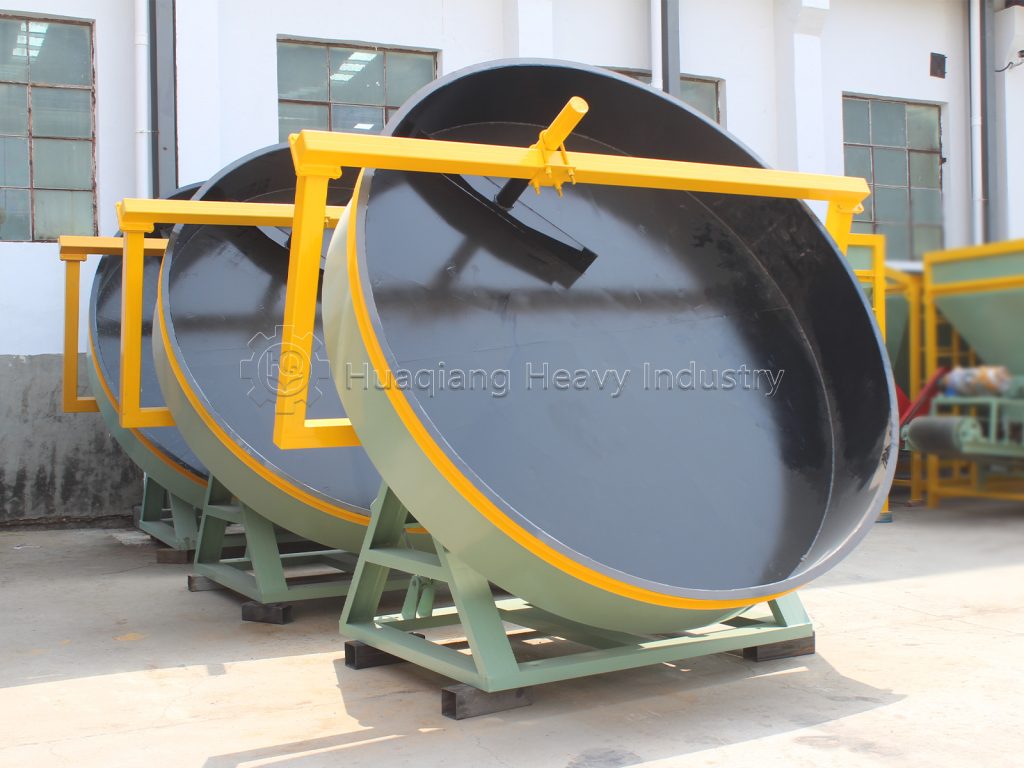
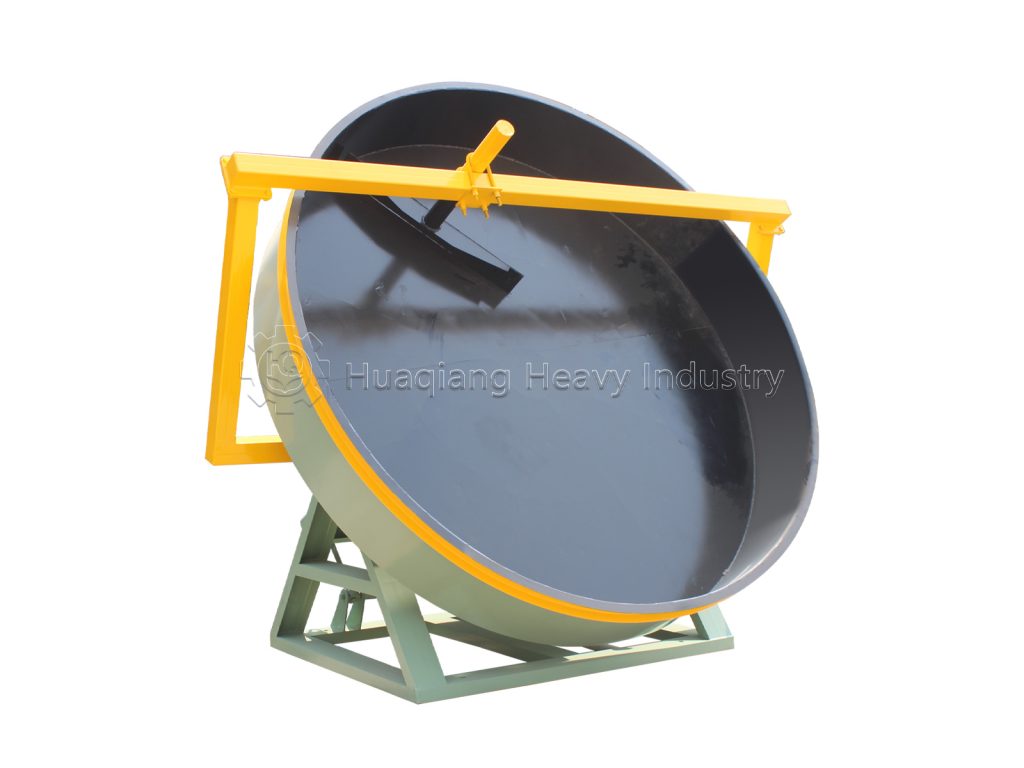
In fertilizer production lines, the choice of disc granulator directly impacts production capacity and product quality. Combining the technical specifications and application characteristics of Huaqiang Heavy Industry’s disc granulators, a sound selection requires focusing on four key dimensions.

First, precisely matching production needs is crucial. Equipment requirements vary significantly across industries. For the fertilizer industry, when producing organic fertilizer, rubber or polyurethane-lined models are preferred to avoid corrosion and accommodate fermentable materials like livestock and poultry manure. The recommended rotational speed is 10-18 rpm to preserve organic matter activity. For inorganic compound fertilizer production, ensuring uniform feed distribution and a consistent mixing of nitrogen, phosphorus, and potassium is crucial. Production capacity selection should be based on specific parameters. For example, a small workshop with an hourly production capacity of 0.05-0.15 tons should choose the ZL-500 model, while a large factory with a production capacity of 3.5-6 tons should opt for the ZL-3600 model. A 10%-15% capacity margin should be reserved to account for seasonal fluctuations.

Second, pay close attention to the core configuration details of the equipment. The drive system determines operational stability. For example, the ZL-3600 model, equipped with an 18.5kW motor and a 10r/min speed, can accommodate high-load granulation needs. The disc inclination angle should be adjustable from 30° to 60°, allowing for flexible adjustment based on material viscosity. For example, highly viscous mineral powders require a larger inclination angle of around 50° to reduce wall sticking. The water spray system should be equipped with multiple sets of adjustable nozzles to ensure a stable moisture content of 10%-20% to prevent loose particles and agglomeration. This is crucial for the strength of fertilizer pellets and the quality of metallurgical mineral powder pellets.

Furthermore, a comprehensive assessment of the manufacturer’s capabilities is crucial. Prefer companies like Huaqiang Heavy Industry that have comprehensive production capabilities. Their 12 disc granulator models cover varying production capacity requirements and allow customers to visit their factory for a firsthand understanding of the equipment’s production processes and quality control procedures. Also, consider whether the manufacturer offers customized services.

Finally, prioritize after-sales service and supporting support. Confirm whether the manufacturer offers free installation, commissioning, and operator training to prevent production disruptions caused by improper operation. Equipment packaging must meet transportation standards, such as packaging the main unit bare to minimize impacts and plywood boxes for electrical components. Customized wooden boxes can be used for special transportation needs. Furthermore, the inventory cycle and warranty policy for consumable parts such as nozzles and inner linings must be clearly defined to ensure long-term stable operation of the equipment and reduce future maintenance costs.

Common Problems and Solutions for Disc Granulators in Organic Fertilizer Production Lines

Disc granulators are widely used in organic fertilizer production lines due to their advantages, such as uniform granulation and low cost. However, in actual operation, they are susceptible to various factors, leading to various problems that affect production efficiency and product quality.

Improper control of raw material moisture is a primary challenge. If the moisture content is too high, the raw material will easily clump on the inner wall of the disc, forming large, adhered masses. This not only prevents proper granulation but also increases the difficulty of equipment cleaning. If the moisture content is too low, the raw material will have poor flowability, making it difficult to agglomerate into granules, resulting in loose and easily broken granules. To address this issue, precise control of the raw material moisture content using a moisture meter before granulation is required. Typically, the moisture content is maintained at a stable level of 25%-35%. If the moisture content is not within this range, it should be adjusted promptly using a dryer or humidifier.

Improper disc inclination and rotation speed can also cause problems. If the inclination angle is too large, the raw materials will stay in the disc too short, causing the particles to be discharged before they have time to fully round, resulting in irregularly shaped finished particles. If the inclination angle is too small, the raw materials will pile up, easily causing “sticking” and affecting normal equipment operation. Excessive rotational speed will subject the raw materials to excessive centrifugal force, preventing effective agglomeration. Too slow rotational speed will significantly reduce granulation efficiency. Generally, the disc inclination angle should be adjusted to 35°-45° and the rotational speed to 15-20 rpm, depending on the raw material characteristics. These parameters should be gradually optimized through trial production.

In addition, uneven mixing of raw materials can also affect granulation performance. If the organic raw materials and auxiliary materials are not fully mixed, nutrient imbalances in certain areas can lead to poor granulation quality and uneven particle size. This requires the use of high-efficiency mixing equipment before granulation to ensure that the raw materials are mixed uniformly to a level above 90%. Regular inspection of the mixing blades of the mixing equipment should also be performed to prevent blade wear that may reduce mixing efficiency.

In response to these common problems, a complete inspection mechanism needs to be established during production, and the operating status of the equipment and raw material indicators should be checked regularly, and the process parameters should be adjusted in time to ensure the stable operation of the disc granulator and improve the quality of the finished organic fertilizer.

Why are BB fertilizer mixers the preferred choice for fertilizer production?

In the fertilizer production sector, BB fertilizer mixers, with their significant advantages, have become core equipment for many companies. They are primarily used to mix different types of fertilizer raw materials to produce bulk blended fertilizer (BB fertilizer).

Their most critical advantage is uniform mixing. A stirring mechanism within the mixing drum, coupled with paddle or spiral ribbon impellers, shears, tumbles, and disperses the raw materials, ensuring uniform distribution of nitrogen, phosphorus, potassium, and other components. This prevents nutritional imbalances caused by uneven mixing and ensures consistent product quality.

The machine’s high processing capacity is also a key advantage, meeting the needs of various production scales, from basic production capacity for small and medium-sized enterprises to batch production for large factories. This allows for efficient batch reduction and reduces time and cost.

Furthermore, BB fertilizer mixers feature a simple structure and easy operation. The control system accurately monitors parameters such as mixing speed and time, allowing workers to master the process with minimal training. Maintenance is also convenient, with easy access to core components, significantly reducing the probability of equipment failure.

In addition, the BB fertilizer mixer is highly adaptable and can process fertilizer raw materials of varying properties, including solid particles and powders. Its mixing drum and stirring mechanism are designed for easy cleaning, preventing cross-contamination between batches of raw materials. This meets the stringent hygiene and quality requirements of fertilizer production, providing strong support for companies producing diverse fertilizer products.

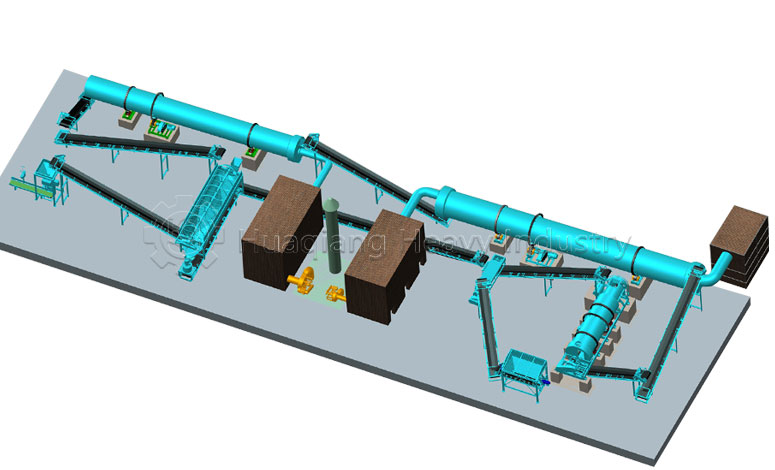
Outstanding features of fertilizer production of biological organic fertilizer production line

Amid the wave of green agricultural development, bio-organic fertilizers are becoming a new trend in the fertilizer market due to their eco-friendliness and high nutrient efficiency. Fertilizers produced by specialized bio-organic fertilizer production lines exhibit distinct characteristics through their unique production processes, providing strong support for sustainable agricultural development.

A broad range of raw material sources and environmental friendliness are key features of these production lines. These production lines utilize organic waste, such as livestock and poultry manure, crop straw, garden waste, and food waste, as their primary raw materials. These wastes, which could otherwise pose an environmental burden, are transformed into nutrient-rich organic fertilizers through the production line’s pulverization, composting, and fermentation processes, effectively turning waste into treasure. Compared to traditional chemical fertilizers that rely on non-renewable resources, this production line not only reduces waste disposal costs but also mitigates the pollution caused by indiscriminate storage of organic waste, aligning with the concept of circular agriculture.

A comprehensive nutrient profile and biological activity are key features of these production lines. During the production process, the bio-organic fertilizer production line precisely controls fermentation temperature, humidity, and microbial strain ratio to preserve nutrients such as organic matter, amino acids, and vitamins in the raw materials, while also promoting the proliferation of beneficial microorganisms (such as Bacillus subtilis and lactic acid bacteria). When applied to the soil, this type of fertilizer not only provides crops with slow-release, long-lasting nutrients, preventing the rapid nutrient loss associated with chemical fertilizers, but also improves the soil’s microbial community structure through beneficial microorganisms, enhancing soil aeration and water and nutrient retention. Long-term use can effectively alleviate soil compaction and improve soil fertility.

The green production process and high product safety are also prominent features. The bio-organic fertilizer production line utilizes high-temperature aerobic fermentation technology, which effectively kills pathogens, insect eggs, and weed seeds in the raw materials, reducing the risks of fertilizer use. Furthermore, the production line uses no chemical synthetic additives. Exhaust gas generated during production is treated in biological filters before meeting discharge standards, and wastewater is recycled through a recycling system to reduce waste, ensuring a green and environmentally friendly process from production to use. In addition, the biological organic fertilizers produced have undergone strict testing, and the heavy metal content is far lower than the national standard. After application, it will not cause secondary pollution of the soil, ensuring the quality and safety of agricultural products and meeting consumers’ demand for green and healthy agricultural products.

Benefits of Using a Disc Granulator in Organic Fertilizer Production Lines

Among the core equipment in organic fertilizer production lines, disc granulators are the preferred choice for many companies, especially small and medium-sized production lines, due to their strong adaptability, high-quality granulation, and convenient operation. They significantly improve production efficiency and product quality.

The disc granulator‘s most prominent advantage is its excellent granulation performance. Its unique disc structure uses the synergistic effect of centrifugal force and gravity to create a stable “rolling granulation zone” within the disc, achieving a granulation rate exceeding 90%, far exceeding that of some extrusion granulation equipment. The resulting granules are not only highly rounded and smooth, but also uniform in size (typically controlled within 2-5mm). This not only prevents nutrient loss due to granule breakage during transportation, but also meets the granule shape requirements of mechanized fertilization, significantly enhancing product market acceptance.

Secondly, it offers excellent raw material compatibility. Organic fertilizer raw materials come from a wide range of sources, from decomposed chicken manure and cow dung to straw powder and mushroom residue, with widely varying composition. The disc granulator can easily adapt to different raw material characteristics by adjusting the disc inclination angle (45°-55°), rotation speed (15-20 rpm), and feed rate.

Disc granulators also offer significant advantages in terms of operation and cost. The device boasts a simple structure, with the disc and drive system as its core components. Routine maintenance requires only regular inspections of bearing wear and disc flatness, resulting in maintenance costs approximately 30% lower than those of a drum granulator. Furthermore, its energy consumption is low, with a single unit consuming approximately 5-10 kWh per hour. This makes it suitable for the production needs of small and medium-sized production lines (with a single unit capable of flexibly adjusting daily output to 5-20 tons). The investment threshold is significantly lower than that of large-scale drum granulation equipment, enabling companies to quickly achieve operational and profitability.

Disc granulators also align with green production trends. Their enclosed design reduces dust emission from raw materials, and combined with a spray moisturizing system, they effectively control dust pollution during the production process. Some units can also be integrated into the production line’s waste heat recovery system, further reducing energy consumption. For organic fertilizer production companies that pursue high efficiency, economy and environmental protection, disc granulator is undoubtedly the ideal choice to balance quality and cost.

Core Features of the Bio-Organic Fertilizer Production Line

Amidst the wave of green agricultural transformation, bio-organic fertilizer production lines are a key link between agricultural waste resource utilization and soil fertility improvement. Their strengths lie in four key dimensions: efficiency, environmental protection, quality, and intelligence.

Efficient production is the primary highlight of the bio-organic fertilizer production line. The production line utilizes continuous operation, integrating all processes from raw material pretreatment to finished product packaging. An automated loading system, combined with high-temperature aerobic fermentation technology, shortens the composting process from over 30 days to 7-10 days. A single line boasts an average daily production capacity of 50-200 tons, significantly improving supply efficiency and meeting the needs of large-scale agriculture.

Environmental protection is a core competitive advantage. The enclosed design prevents exhaust gas leakage, and the biofilter deodorization system removes over 95% of harmful gases such as ammonia and hydrogen sulfide. Solid-liquid separation enables waste recycling, with treated liquids used for irrigation and solid residues used as raw materials. This truly “zero waste” approach helps control agricultural non-point source pollution.

Product quality and stability are outstanding. The production line is equipped with online testing equipment to monitor fermentation temperature, humidity, and pathogen levels in real time. Intelligent control ensures that the finished product maintains an organic matter content consistently exceeding 40%, an effective viable bacterial count of at least 200 million CFU per gram, and heavy metal levels far below national standards. This addresses the uneven quality of traditional compost and provides a guarantee for soil improvement.

Intelligent management and control injects technological vitality. The central control system remotely monitors and adjusts parameters, automatically adjusting agitation speed and ventilation volume based on sensor data, reducing manual intervention. It also records data from the entire process, creating a traceable quality profile for management optimization and quality traceability.

Furthermore, the bio-organic fertilizer production line offers flexible adaptability, allowing process parameters to be adjusted based on raw material type (such as straw, mushroom residue, and livestock and poultry manure). This allows for the production of specialized organic fertilizers tailored to different crops (such as fruits and vegetables, grains, and flowers) to meet diverse agricultural needs. This highly efficient, environmentally friendly, high-quality, and intelligent production model not only transforms agricultural waste into valuable resources but also contributes to the green and sustainable development of agricultural production.

Why Choose a Disc Granulator for Granulation?

In industries requiring granular materials, such as fertilizers, building materials, and metallurgy, the choice of granulation equipment directly impacts production efficiency and product quality. Disc granulators, with their numerous advantages, have become the preferred equipment for many companies.

In terms of granulation efficiency, disc granulators excel. Their unique disc design allows the material to quickly form a stable trajectory during rotation, shortening the time it takes for the material to aggregate and granulate. For example, in fertilizer production, under similar operating conditions, a disc granulator can process dozens of tons of raw materials per hour, increasing efficiency by over 30% compared to traditional granulation equipment. This significantly reduces production cycle time and meets the needs of large-scale production.

Granulation quality is a key consideration when choosing a granulator, and disc granulators offer significant advantages in this regard. By precisely controlling the disc’s rotational speed, inclination, and material moisture content, they achieve uniform granule size, typically maintaining a stable diameter of 2-5 mm. The granules are also strong and resistant to breakage. This characteristic is particularly important in fertilizer production. High-quality granulated fertilizers are not only easy to store and transport, but also ensure uniform nutrient release, improving fertilizer utilization and enhancing product market competitiveness.

The disc granulator’s wide range of applications is a key factor in its popularity. It can efficiently adapt to applications ranging from organic fertilizer and compound fertilizer production lines to the processing of building materials such as cement and expanded clay, and even to the granulation of metal ore powders. Different materials require only adjustments to relevant parameters, eliminating the need for large-scale replacement of equipment components. This reduces equipment costs associated with producing different products and enhances production flexibility.

Disc granulators also offer advantages in terms of energy consumption and cost. Their relatively simple structure and low power consumption during operation can reduce energy costs per ton of material produced by 15%-20% compared to other types of granulators. Furthermore, the equipment’s low manufacturing and maintenance costs, along with the limited number of wearing parts and easy replacement, reduce ongoing operating expenses and offer significant financial savings.

Overall, the disc granulator‘s advantages in efficiency, quality, applicability, and cost make it an ideal choice for granulation production.

Common Problems with Disc Granulators in Fertilizer Production

Fertilizer granulators are widely used in the fertilizer industry, and disc granulators are particularly common. What are some common problems with disc granulators in fertilizer production? If problems such as material sedimentation and clumping occur during granulator operation, how can you resolve them? Below, we will guide you through resolving these issues.

Precipitation can occur during fertilizer production. Some materials cannot be mixed; when they are mixed and dissolved in water, precipitation occurs. Some fertilizers are soluble in certain proportions, but above a certain concentration, salting out occurs, causing another material to precipitate. Some materials, such as metal salts, are easily soluble in acidic media, but will precipitate. Other materials, such as humic acid, are easily soluble in alkaline media, but will precipitate when dissolved in acidic solutions.

The main methods to prevent precipitation are to properly adjust the pH of the solution, add cosolvents, and increase the solubility of insoluble substances. The raw materials used in NPK fertilizer production lines should be properly proportioned to prevent salting out and oversaturation. Appropriate additives should be added to protect the reaction materials and prevent precipitation. Appropriate raw materials should be selected to prevent precipitation caused by reactions between them.

Bloating in fertilizer production is caused by the release of gas from the reaction of two or more materials. Materials that may cause bloating during fertilizer production include borax, ammonium salts, and fillers. To effectively prevent bloating, the following points should be noted when using a disc granulator to produce pellets: When sourcing qualified raw materials, avoid blindly pursuing low costs; and ensure that raw materials are properly combined to prevent chemical reactions between them.

Clumping in fertilizer production: This problem is primarily related to the raw materials, humidity, temperature, external pressure, and storage time. Organic fertilizer production equipment requires the proper selection of raw materials, meaning those that are less prone to caking.

Disc granulators are a powerful granulation tool for diverse applications

As a highly efficient granulation machine, disc granulators have broad and important applications across multiple industries thanks to their simple structure, convenient operation, and excellent granulation results.

In fertilizer production, disc granulators are essential key equipment. They play a vital role in the production of compound fertilizers, organic fertilizers, and slow-release fertilizers. In compound fertilizer production lines, disc granulators mix various basic fertilizer ingredients in appropriate proportions. The rotating motion of the discs gradually forms uniform granules under the influence of centrifugal force and gravity. The resulting granulated fertilizer is not only easy to store and transport, but also improves fertilizer utilization and reduces nutrient loss. In organic fertilizer production lines, disc granulators ferment organic materials such as livestock and poultry manure and straw before granulating them. This converts loose organic materials into granulated organic fertilizer, improving its physical properties and making it easier for farmers to use. This also promotes the resource utilization of agricultural waste.

The metallurgical industry is also a key application for disc granulators. In the processing of metal ore powder, granulation is often necessary to improve smelting efficiency and utilization. Disc granulators can granulate metal ore powders such as iron ore and manganese ore. The resulting granules are characterized by high strength and good air permeability. Once introduced into smelting equipment such as blast furnaces, they facilitate a more complete smelting reaction, laying the foundation for efficient production in metallurgical enterprises.

In the environmental protection field, disc granulators have demonstrated significant application value in solid waste treatment. Granulating solid wastes such as sludge generated by municipal sewage treatment plants and slag discharged from industrial production using disc granulators not only reduces the volume of solid waste, facilitating subsequent landfill, incineration, or resource recovery, but also reduces the risk of environmental pollution.

Due to its flexible applicability, disc granulators continue to play an important role in various application scenarios. As production requirements continue to increase across various industries, their application prospects will continue to expand.