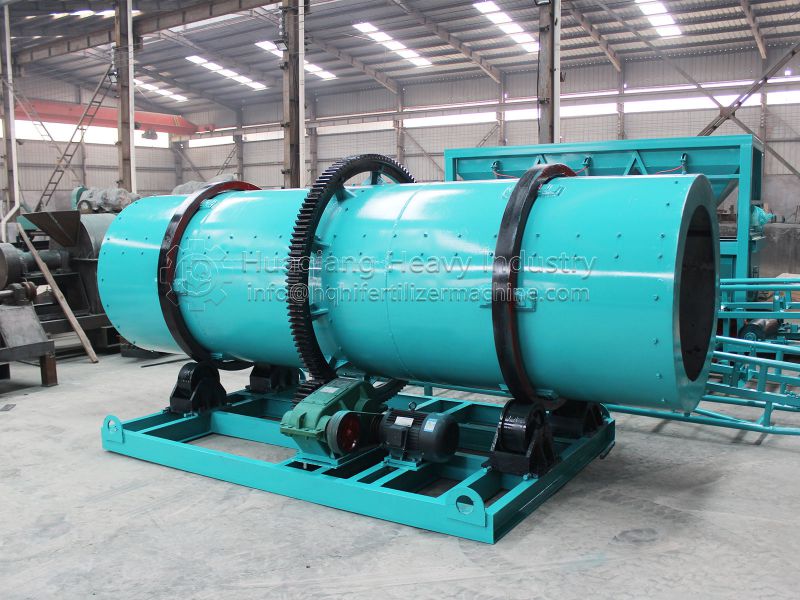
Key considerations for material handling during fertilizer mixer machines operation

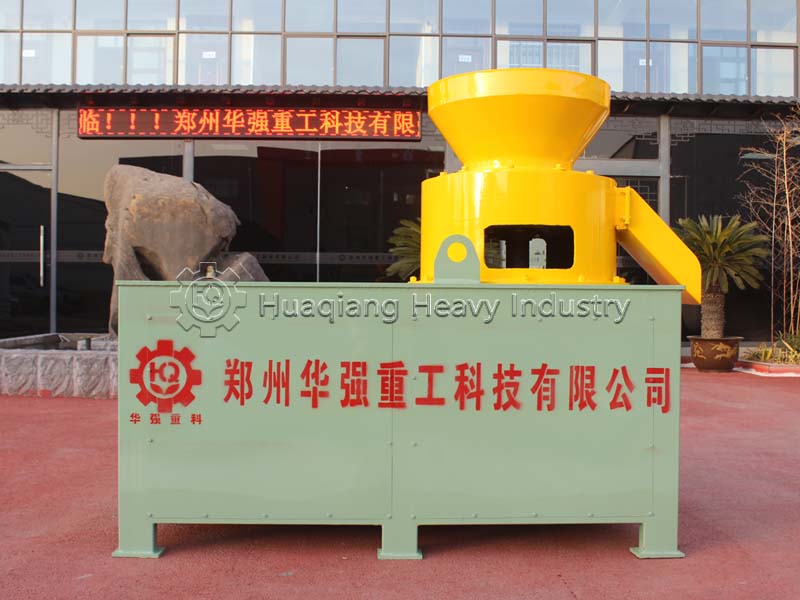
During the operation of a fertilizer mixer machine, the state and handling of the materials directly determine the mixing effect, equipment lifespan, and ultimately the quality of the final fertilizer product. Especially for organic and compound fertilizer production, controlling material-related considerations is a core prerequisite for ensuring a smooth overall production process of the bio-organic fertilizer equipment.

Material particle size uniformity must be prioritized. Materials fed into the mixer should be crushed and screened beforehand to avoid excessive mixing of coarse and fine particles—large particles tend to settle at the bottom of the equipment and cannot be fully mixed, while excessively fine powder may generate dust due to the mixing airflow and can easily lead to localized clumping. It is recommended to control the material particle size within a uniform range based on mixing requirements.

Material moisture content must be precisely controlled. The appropriate moisture content varies for different fertilizer materials, but generally needs to be controlled between 20% and 30%: excessively high moisture content can cause materials to stick to the mixing blades and machine walls, affecting mixing uniformity and potentially increasing equipment load; excessively low moisture content results in excessive material fluidity, making it difficult to achieve a stable mixing state, and may even cause dust pollution.

Mixing of impurities and incompatible materials is strictly prohibited. Materials must be thoroughly cleaned before feeding to remove hard impurities such as stones, metal fragments, and plastics; at the same time, mixing of materials with conflicting properties should be avoided to prevent chemical reactions during the mixing process, which could affect fertilizer quality or create safety hazards. In addition, feeding should be uniform and steady, avoiding large-scale feeding at once to prevent material accumulation, ensuring an orderly mixing process, and thus guaranteeing the stable operation of the subsequent fertilizer granulators.

Analysis of key factors affecting the quality of organic fertilizer granules

The quality of organic fertilizer granules directly impacts fertilization effectiveness, ease of storage and transportation, and product market competitiveness. Its formation process is constrained by multiple factors in the production chain.

Raw material characteristics are fundamental. The organic matter content, particle size distribution, and impurity content of the raw materials are crucial. The organic matter content needs to be maintained within a suitable range; too low a content will lead to poor granule formation and insufficient strength. Uneven raw material particle size can easily result in inconsistent granule size. It is recommended to crush the raw materials to a reasonable fineness beforehand, and then thoroughly mix and screen them to remove impurities using a fertilizer mixer machine. Furthermore, an imbalance in the carbon-nitrogen ratio of the raw materials will affect the subsequent fermentation process, indirectly leading to easily loosened granules.

Moisture content is a core condition for granulation. During granulation, the moisture content of the raw materials needs to be controlled between 25% and 35%. Excessive moisture can easily cause granules to stick together and clump, and may also lead to secondary fermentation during storage; insufficient moisture results in poor raw material fluidity, making it difficult to agglomerate and form granules, which are then prone to breakage. During production, the moisture content needs to be dynamically adjusted based on the type of raw material and the operating status of the bio-organic fertilizer equipment to ensure the stability of the granulation process.

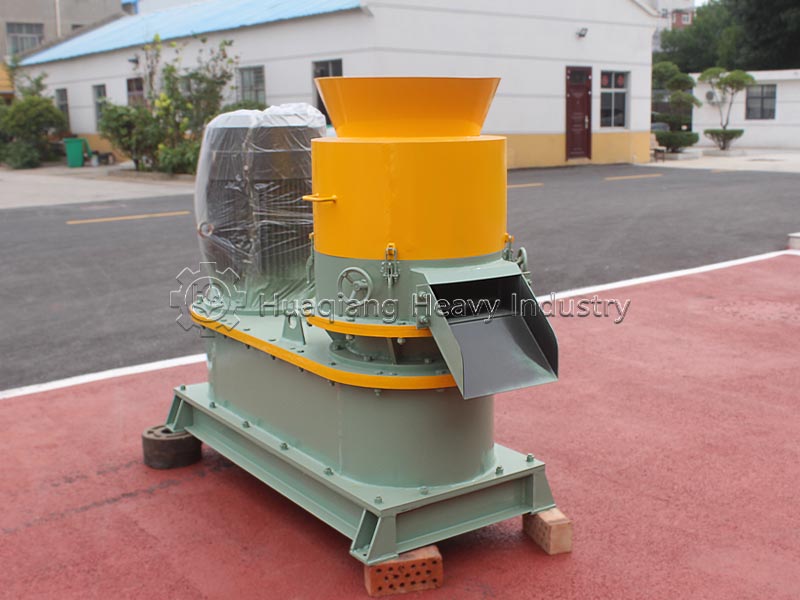
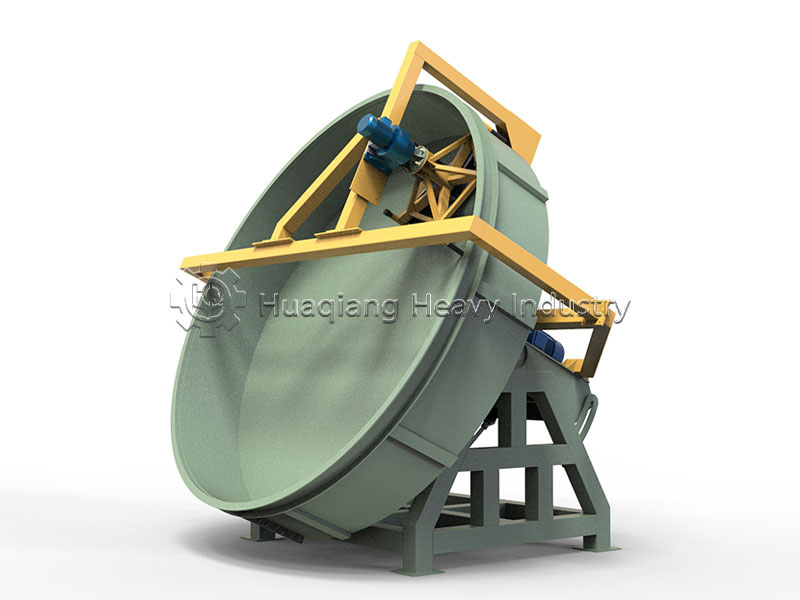
Fertilizer granulator parameters and fermentation process should also not be overlooked. The speed, pressure, and inclination angle of different types of fertilizer granulators (such as disc granulators and flat die pelleting machines) directly affect the uniformity and strength of the granules; insufficient fermentation and maturation in the early stages will lead to residual undecomposed substances in the raw materials, resulting in a loose internal structure of the granules and making them prone to cracking and pulverization.

In summary, controlling key aspects such as raw material screening, fertilizer mixer blending, moisture adjustment, fertilizer granulator debugging, and fermentation control is essential to consistently produce high-quality organic fertilizer granules.

A new type two in one organic fertilizer granulator solves raw material processing challenges

In organic fertilizer production, the challenge of bridging the gap between “mixing” and “granulation” is often amplified by differences in raw material characteristics. The new type two in one organic fertilizer granulator, integrating mixing and granulation, solves these problems with a design more closely suited to the characteristics of the raw materials.

Its most prominent advantage is its ability to handle “dry-wet mixtures.” For example, when mixing fresh chicken manure with a moisture content of 30% with dry straw powder with a moisture content of only 12%, the fertilizer granulator, within the same chamber, first uses the staggered rotation of a spiral stirring paddle to quickly interweave and blend the dry and wet materials. Simultaneously, a built-in micro-humidification device replenishes moisture to the dry material and guides the wet material to dry, resulting in a stable moisture content of 18%-22% after mixing.

It can also precisely control the proportions when dealing with “multi-component mixtures” of raw materials. Many organic fertilizers mix 3-4 raw materials, such as mushroom residue, rice husks, and humus, to enhance fertilizer efficiency. However, the densities of these different raw materials vary greatly. The new type two in one organic fertilizer granulator can automatically adjust the mixing speed according to the density of the raw materials. It slows down the mixing of heavier materials and speeds up the mixing of lighter materials, ensuring precise proportions of each raw material.

Even “difficult-to-bind fibrous raw materials” can be handled effectively. Raw materials like rice husks and peanut shells, with a fiber content exceeding 40%, tend to be loose when mixed alone. During the mixing stage, the two-in-one model uses a built-in shearing blade to cut long fibers into short fibers of 2-3 mm, which are then thoroughly mixed with other raw materials to form a mixture of “fiber skeleton + binding component.” No additional binder is needed during subsequent granulation, and the granules achieve the required hardness.

The journey from organic waste to high-efficiency fertilizer

The bio-organic fertilizer production line utilizes organic waste such as livestock and poultry manure, straw, and mushroom residue as raw materials. Through microbial fermentation technology, it recycles resources and produces fertilizer rich in active bacteria and organic matter. Bio-organic fertilizer production lines serve as a vital link between the livestock and poultry industry, the agricultural industry, and the environmental protection industry.

Raw material pretreatment is a fundamental step. It requires crushing and screening the organic waste to remove impurities and ensure a uniform particle size (approximately 80 mesh). Auxiliary materials are then added to adjust the carbon-nitrogen ratio (25-30:1) and humidity (55%-65%) to create a suitable environment for microbial growth. This phase then enters the inoculation and fermentation stage, where specialized microbial agents are added to the mixture. A compost turning machine regularly turns the compost to provide oxygen, maintaining a temperature of 55-65°C. Composting continues for 20-30 days, effectively killing pathogens and insect eggs and breaking down large organic molecules.

The fermented material undergoes post-processing to optimize quality. First, it undergoes low-temperature drying to reduce moisture to below 12% to prevent mold and mildew during storage. It then undergoes crushing, screening, and grading, with unqualified particles returned to the pre-processing stage for recycling. Finally, functional microbial agents can be optionally added to the mix to enhance the bioactivity of the fertilizer, depending on crop needs. The resulting pellets are uniform and rich in humic acid, amino acids, and a variety of beneficial bacteria, providing nutrients for crops while also improving the soil microbial ecosystem.

Windrow compost turning machine: Efficient equipment for converting livestock manure into organic fertilizer

In the resource utilization of livestock and poultry waste, windrow compost turning machines, with their flexible and efficient operation, have become a core piece of equipment for converting livestock manure into organic fertilizer. Through mechanized turning and plowing, they accelerate manure composting and fermentation, transforming livestock pollutants into high-quality organic fertilizer, addressing environmental challenges while also promoting resource recycling.

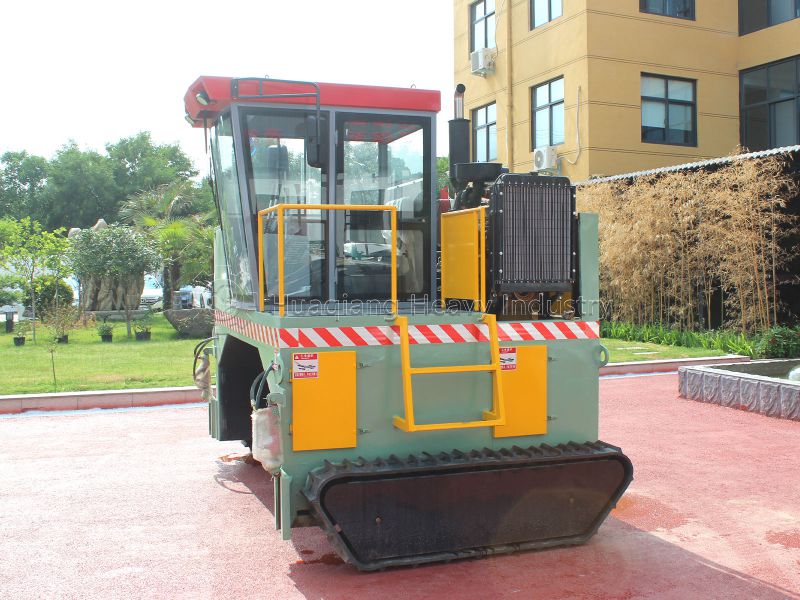
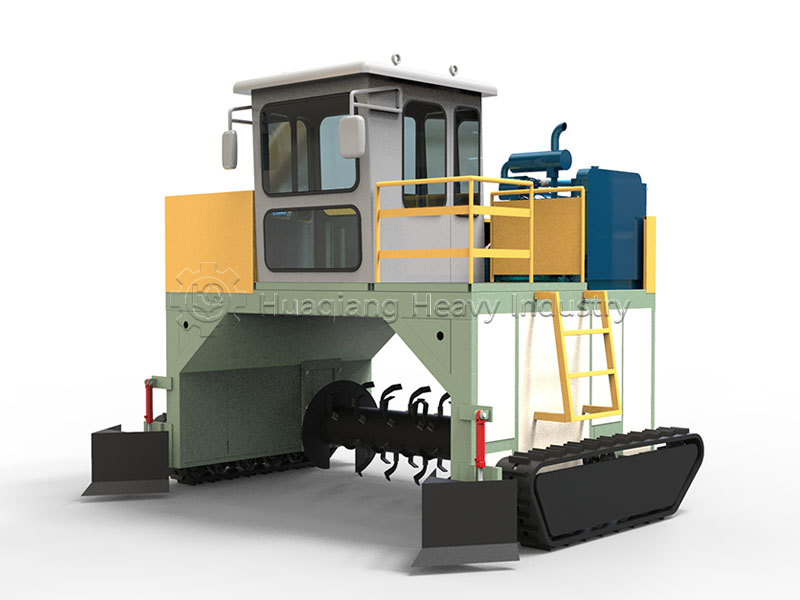
The core advantage of windrow compost turning machines lies in their adaptability. Their crawler-type design allows for free movement in muddy composting areas. The large ground contact area and low pressure prevent them from sinking into the manure pile, making them suitable for various sizes of fermentation workshops or open-air sites. Equipped with a hydraulically driven turning gear shaft, the equipment can reach a turning depth of 0.8-1.5 meters, thoroughly mixing the bottom layer of manure with the surface material, breaking up compacted materials and ensuring uniform fermentation.

In the livestock manure processing process, windrow compost turners play a key role in promoting fermentation. First, livestock manure is mixed with supplementary materials such as straw and sawdust in appropriate proportions, adjusting the carbon-nitrogen ratio to 25-30:1 and the humidity to 55%-65% to create optimal conditions for microbial fermentation.

Subsequently, a compost turning machine regularly turns the pile, introducing sufficient oxygen to support aerobic microbial activity and rapidly dissipating the heat generated by fermentation, keeping the pile temperature between 55-65°C. This temperature range effectively kills pathogens, insect eggs, and weed seeds in the manure, preparing the compost for subsequent operation in the fertilizer granulator.

This equipment boasts high efficiency and a high degree of automation. By setting the turning frequency and path, continuous operation is achieved, reducing labor input.

Small pellets, big impact: The evolution of organic fertilizer through granulation

In organic fertilizer production, granulation is more than just a cosmetic enhancement. Its primary purpose lies in practicality. Powdered organic fertilizers have a low density and are bulky, taking up a lot of space during storage and transportation. They are also prone to generating dust, leading to nutrient loss and environmental pollution. Granulation compacts the material, significantly reducing its volume, making long-distance transportation and economical storage possible.

More importantly, granulation profoundly impacts the ease and efficiency of fertilization. Uniform granules facilitate mechanized spreading, adapting to the operational needs of modern large-scale farms. Furthermore, their compact structure regulates the release rate of nutrients into the soil, preventing rapid decomposition and providing a more stable and long-lasting nutritional supply for crops.

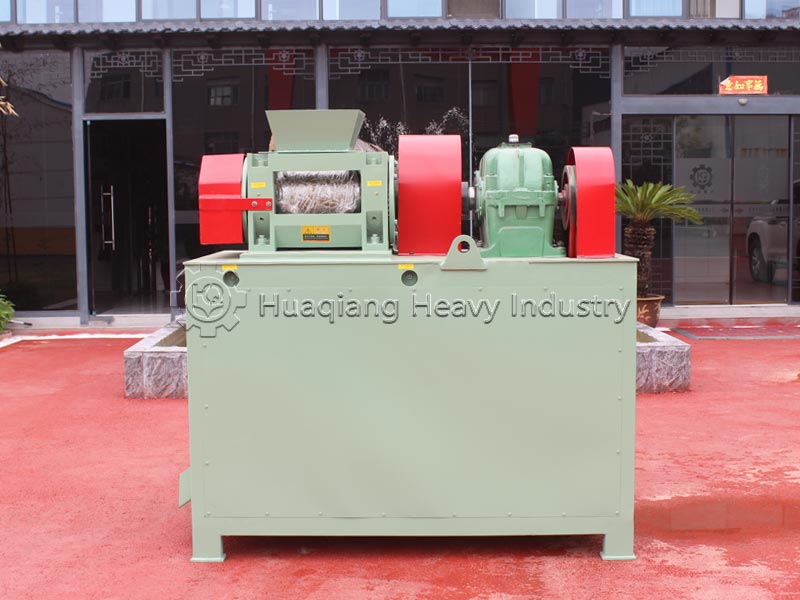
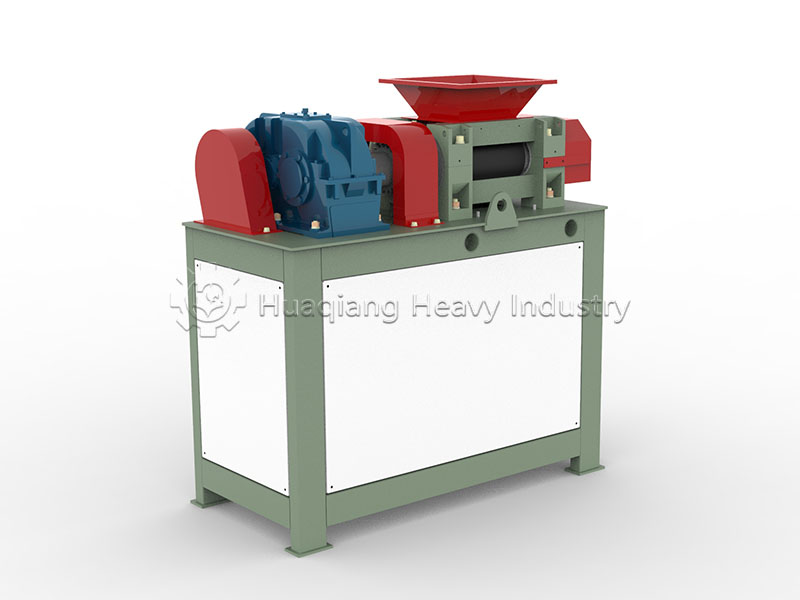
So, how are various agricultural and forestry wastes transformed into uniform granules? Currently, mainstream granulation processes, such as disc granulators and double roller press granulators, each have their own advantages.

The advancement of granulation technology, from dusty powder fertilizer to uniform, uniform granules, is a significant step toward the modernization and standardization of traditional organic fertilizers. It has transformed organic fertilizer from a traditional “homegrown” method into a standardized commodity that can be integrated into modern agricultural production systems. These tiny granules embody the industry’s unwavering pursuit of efficiency, environmental protection, and practicality.

Rotary drum granulator: The core “Shaping” equipment in fertilizer production

In fertilizer processing, the rotary drum granulator is a key piece of equipment for converting powder into granules. Its stable performance makes it a common choice for most fertilizer production scenarios.

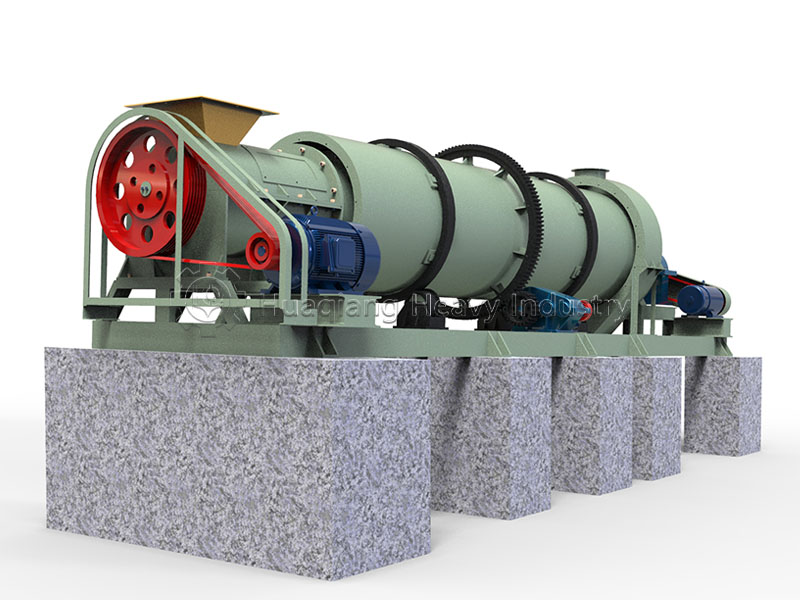
Structurally, the core of a rotary drum granulator consists of an inclined drum, a drive system, a spray device, and a heating and insulation layer. The drum’s tilt angle can be adjusted based on the characteristics of the raw material, typically controlled at 3°-5°. This ensures adequate tumbling of the raw material while preventing the granules from clumping due to prolonged dwell time. The drive system drives the drum at a constant speed of 10-20 rpm via gears or belts, ensuring a stable and controllable granulation process.

During operation, mixed fertilizer raw materials enter the drum through the feed inlet. As the drum rotates, the raw materials continuously tumble and collide within the drum. Simultaneously, a spray device applies an appropriate amount of binder to the raw materials, gradually agglomerating them into small granules. The heating and insulation layer maintains the temperature inside the drum within an optimal range, helping the granules quickly solidify and form. Finally, the formed fertilizer granules are discharged from the discharge port and enter the subsequent screening and cooling stages.

This rotary drum granulator’s advantage lies in its wide adaptability. Whether it’s nitrogen-phosphorus-potassium compound fertilizer, organic fertilizer, or biological fertilizer, efficient granulation can be achieved by adjusting parameters. The highly uniform granulation and moderate granule strength facilitate subsequent storage and transportation, providing equipment support for the large-scale advancement of fertilizer production.

BB fertilizer mixers: Key equipment for ensuring uniform nutrient distribution in blended fertilizers

In BB fertilizer (blended fertilizer) production, the BB fertilizer mixer is a key piece of equipment that determines product quality. Its core function is to evenly blend multiple raw materials of varying density and particle size into a nutrient-consistent fertilizer, directly impacting subsequent fertilization effectiveness.

In terms of equipment structure, mainstream BB fertilizer mixers mostly adopt a closed-cylinder design with an internal mixing assembly. The cylinder is typically positioned horizontally, with the mixing assembly driven by a motor. Some BB fertilizer mixers also feature forward and reverse rotation to reduce residual material in the cylinder. The feed inlet is typically located at the top of the cylinder, and the discharge outlet at the bottom. Some models feature an observation window for easily monitoring the mixing status.

During operation, raw materials such as urea, monoammonium phosphate, and potassium chloride are introduced into the mixing cylinder according to the formulated ratio. The rotating mixing assembly propels the raw materials: the screw conveys the raw materials from both ends toward the center, the paddles shear and stir the raw materials, and the guide plates facilitate convection, ensuring full contact between raw materials with density differences of 30%-50%. The entire process does not require the addition of adhesives, and mechanical force is used to achieve “small particles filling gaps and large particles colliding with each other”, ultimately achieving a uniform mixing effect.

Fertilizer granulators: How to adapt to the special production requirements of functional fertilizers?

As the fertilizer industry upgrades toward “precision and functionalization,” demand for functional fertilizers such as slow-release fertilizers, biofertilizers, and trace element compound fertilizers has surged. The production of these fertilizers places special demands on granulators, balancing functional retention and granule formation.

For slow-release fertilizer production, fertilizer granulators must meet the dual requirements of “granule formation” and subsequent coating. For example, when producing sulfur-coated slow-release fertilizers, the granulation process requires producing base granules with a smooth surface and uniform hardness. The “rolling forming” feature of a rotary drum granulator is perfectly suited for this purpose. By controlling the drum speed (8-12 rpm) and the amount of binder used, the granules are naturally rounded and smooth. Some granulators also feature a “pre-cooling section” at the discharge port to reduce the granule temperature to below 30°C, paving the way for subsequent coating and preventing the coating material from melting and becoming ineffective due to high temperatures.

For compound fertilizers containing trace elements, fertilizer granulators must address the issue of uneven trace element distribution. These fertilizers contain low concentrations of trace elements such as zinc, boron, and iron. Inhomogeneous mixing can lead to nutrient deficiencies in some granules. In this case, the low-speed extrusion design of a flat die granulator is optimal. After thoroughly mixing the trace elements with the base raw materials in a twin-shaft premixer, the low-speed rollers slowly extrude the granules into shape, minimizing material separation and ensuring a trace element content variation of ≤0.1% per granule, thus preventing functional deficiencies.

For biofertilizers, the granulator’s low-temperature performance is crucial. Flat die and disc granulators utilize a low-friction, no-high-temperature extrusion design to maintain a temperature within the granulation chamber below 40°C, ensuring the survival rate of the microbial inoculant.

Fertilizer granulators contribute to efficient agricultural development

With the agriculture and fertilizer industries deeply intertwined, fertilizer form directly impacts fertilization effectiveness and industry efficiency. As the core equipment connecting fertilizer raw materials and finished products, fertilizer granulators are becoming a key driver of industry upgrades.

Fertilizer granulators transform powdered raw materials into uniform fertilizer granules through processes such as physical extrusion and conditioning. These granulated fertilizers are not only highly stable, making them suitable for long-term storage and long-distance transportation, but also enable a slow release of nutrients, extending the fertilizer’s effective lifespan and enabling more efficient crop absorption, thereby boosting agricultural production returns from the source.

Furthermore, the adaptability of fertilizer granulators meets the diverse needs of the industry. Whether producing organic fertilizers, compound fertilizers, or customized fertilizers for specific crops, the equipment can adapt to different raw material ratios by adjusting parameters. More importantly, modern fertilizer granulators continuously optimize energy efficiency, improving production efficiency while reducing energy consumption.

For fertilizer companies, fertilizer granulators are a powerful tool for enhancing product competitiveness. Against the backdrop of growing demand for high-efficiency fertilizers in agriculture, fertilizer granulators will undoubtedly drive fertilizer production towards greater efficiency, higher quality, and greater environmental protection.