Fertilizer granules compaction technology: Boosting the efficient operation of bio-organic fertilizer equipment

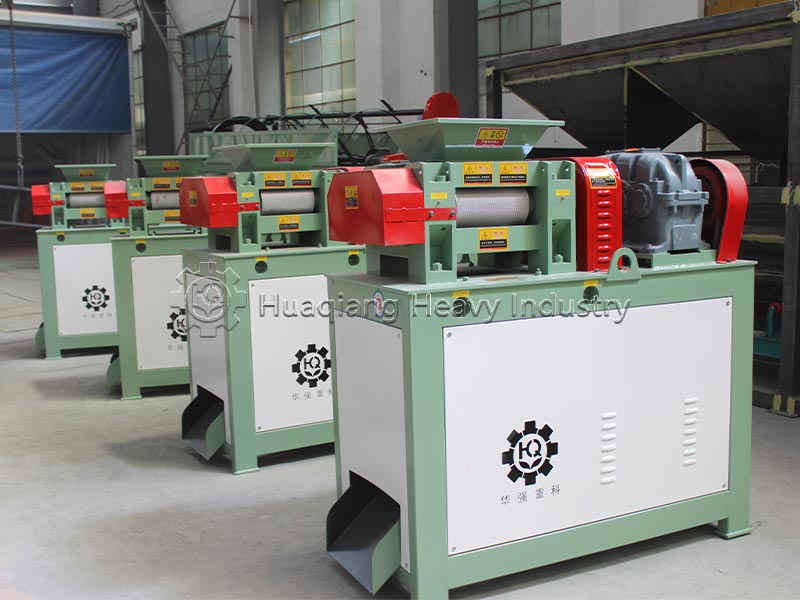
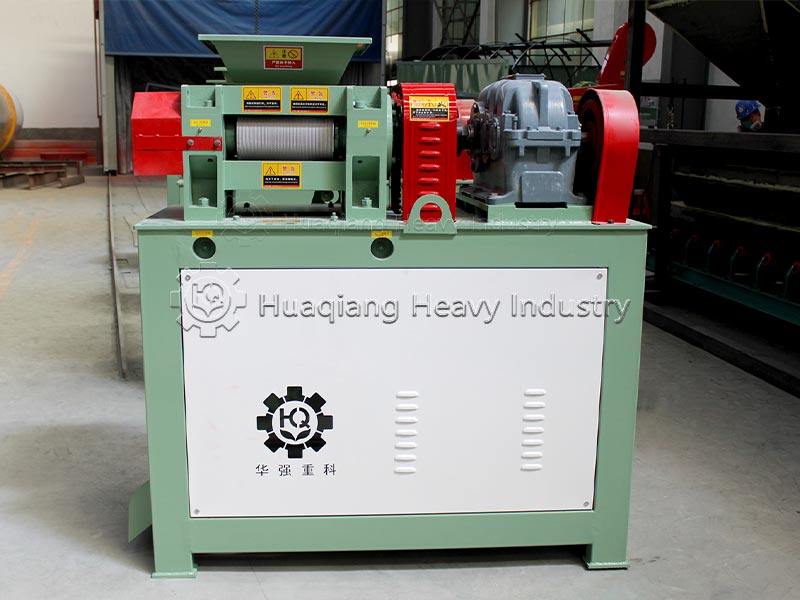
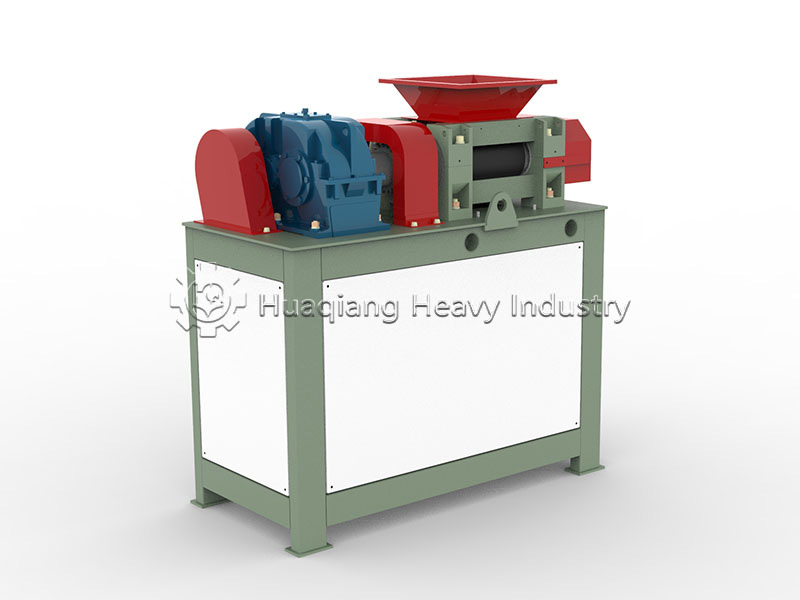
In the field of bio-organic fertilizer production, the coordinated operation of bio-organic fertilizer equipment is crucial for ensuring production capacity and quality. The fertilizer granulator, as a core piece of equipment, directly determines the granule formation effect. The fertilizer granules compaction machine, with its mature fertilizer granules compaction technology, has become one of the most favored granulation devices in bio-organic fertilizer production lines.

The fertilizer granules compaction machine is an important type of fertilizer granulator, and its core advantage stems from advanced fertilizer granules compaction technology. This technology uses mechanical extrusion to compress and shape pre-treated organic fertilizer raw materials. It requires minimal addition of binders, preserving the organic matter and nutrients in the raw materials while improving the granule formation rate. The resulting granules have moderate hardness, are not easily broken, and meet the quality requirements of bio-organic fertilizers.

In a complete bio-organic fertilizer production line, the fertilizer compaction machine works seamlessly with other bio-organic fertilizer equipment. After fermentation, crushing, and screening, the raw materials are transported to the fertilizer compaction machine by conveying equipment, where granulation is completed through extrusion technology. Subsequent processing by cooling and screening equipment ultimately produces qualified bio-organic fertilizer products.

Compared to other granulation methods, fertilizer granules compaction machines using fertilizer granules compaction technology are more adaptable and can process a variety of organic fertilizer raw materials, including fermented materials such as poultry and livestock manure and crop straw, achieving efficient granulation. It is not only a high-quality fertilizer granulator but also an important support for achieving large-scale and standardized production in bio-organic fertilizer production lines.

How fertilizer granules compaction technology is reshaping bio-organic fertilizer production lines?

In the process of green transformation in modern agriculture, a complete bio-organic fertilizer production line is no longer merely a channel for processing organic waste, but a value-enhancing system integrating multiple technologies. Relying on specialized bio-organic fertilizer equipment, it transforms fermented and decomposed materials into high-value-added products through precise processing. Fertilizer granules compaction technology is becoming a core driving force for product upgrading.

The core value of an advanced bio-organic fertilizer production line lies in system integration. From precise fermentation at the front end to finished product processing at the back end, various bio-organic fertilizer equipment do not operate in isolation, but are seamlessly connected through intelligent control. This ensures stable and controllable operation throughout the entire process from raw materials to finished products, providing a fundamental guarantee for producing high-quality, highly active bio-organic fertilizer.

At the back end of the production line, the introduction of fertilizer granules compaction technology marks a crucial leap from “functionalization” to “commercialization.” This technology, through physical extrusion, transforms loose, powdery organic fertilizer into dense, regular pellets.

In fact, the integration of fertilizer granules compaction technology with bio-organic fertilizer equipment is driving the upgrading of the entire bio-organic fertilizer production line. The granular product form makes bio-organic fertilizer as convenient to use as traditional chemical fertilizers in the market, greatly increasing the acceptance of end users.

Bio-organic fertilizer production line: A perfect fusion of technology and equipment

In the wave of green development in modern agriculture, the bio-organic fertilizer production line, with its unique resource conversion capabilities, transforms various organic wastes into high-value-added bio-fertilizers. This complete production system, through the coordinated operation of specialized equipment, achieves an intelligent transformation from raw materials to finished products.

The core value of the entire bio-organic fertilizer production line lies in its systematic process flow. From the initial raw material fermentation treatment, to the intermediate addition and mixing of microbial agents, and then to the final molding processing, each step relies on the precise coordination of specialized bio-organic fertilizer equipment.

At the rear end of the production line, fertilizer granules compaction technology demonstrates its unique value. This technology not only significantly improves the physical properties of the product, making it easier to store and transport, but also greatly enhances its marketability, creating favorable conditions for mechanized fertilization.

Of particular note is that modern bio-organic fertilizer production lines consistently prioritize maintaining the activity of functional microorganisms during processing. From the ratio of microbial agents to the control of molding temperature, each step is meticulously designed to ensure that beneficial microorganisms remain active during processing, ultimately fulfilling their due biological functions in the product.

Key process analysis in bio-organic fertilizer production lines

In modern bio-organic fertilizer production lines, fertilizer granules compaction technology, with its unique technological advantages, has become an important component of the bio-organic fertilizer equipment system. This technology achieves material shaping through physical pressure, providing a unique solution for bio-organic fertilizer production.

Within the bio-organic fertilizer equipment family, extrusion technology exhibits unique technological value. Its dry production characteristics are highly compatible with the production requirements of bio-organic fertilizer. No liquid binder needs to be added during the shaping process, which not only simplifies the process design of bio-organic fertilizer production lines but also helps maintain the survival rate of active microorganisms in the raw materials.

This technology demonstrates good adaptability to bio-organic fertilizer raw materials. Whether it is fully fermented livestock and poultry manure or treated crop straw, as long as its physical properties meet the requirements, ideal shaping can be achieved by adjusting the extrusion parameters. This flexibility makes it uniquely valuable in processing diverse bio-organic raw materials.

The precise design of the die system is crucial to ensuring product quality. In bio-organic fertilizer production lines, different specifications of die holes can be configured according to the characteristics and application requirements of different products. This customization capability allows bio-organic fertilizer equipment to meet diverse market demands.

With the development of the bio-organic fertilizer industry, extrusion technology has been continuously optimized and innovated. These technological advancements have provided strong support for the improvement and development of bio-organic fertilizer production lines.