In the large-scale production of bio-organic fertilizers, flexible adaptation to diverse raw materials and product requirements is crucial for enhancing competitiveness. As a core piece of bio-organic fertilizer equipment, the fertilizer compaction machine, relying on fertilizer granules compaction technology, precisely addresses production pain points in multiple scenarios, providing crucial support for the efficient and flexible operation of bio-organic fertilizer production lines.
When dealing with diverse raw materials, the advantages of fertilizer granules compaction technology are significant. Bio-organic fertilizer raw materials include livestock and poultry manure, straw, and fungal residue, with varying moisture content and fiber content. The fertilizer compaction machine can adapt to different raw materials by adjusting parameters such as extrusion pressure and rotation speed: strengthening shear force for high-fiber materials and optimizing anti-sticking design for high-moisture materials. This allows for granulation of multiple raw materials without changing equipment, significantly broadening the range of raw materials suitable for bio-organic fertilizer production lines.
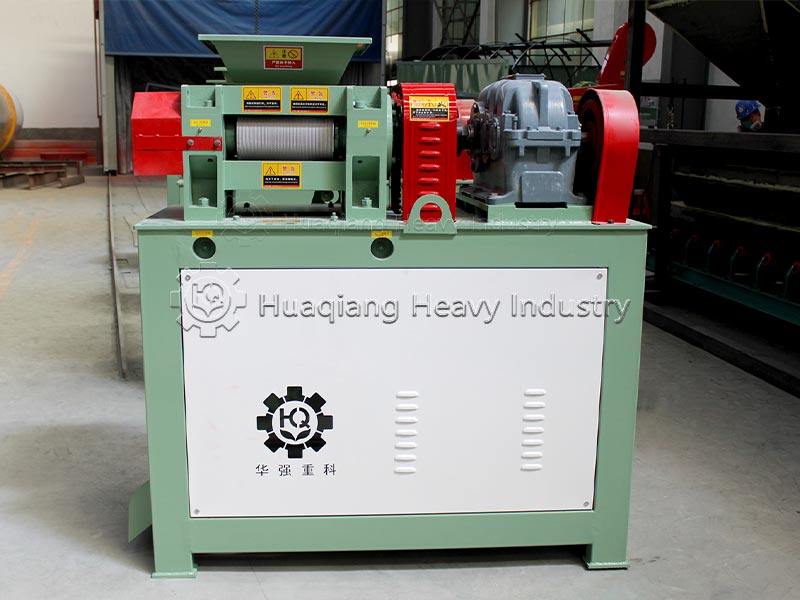
In terms of product form optimization, this technology can precisely control granule specifications. Different scenarios require different particle sizes and hardness for organic fertilizers; for example, field fertilizers require large, hard granules for mechanical application, while seedling fertilizers require fine, soft granules. By changing molds and adjusting technical parameters, the fertilizer granules compaction machine can mass-produce products of different specifications, allowing bio-organic fertilizer production lines to flexibly respond to market demands and enhance product competitiveness.
Furthermore, the low energy consumption and low pollution characteristics of this technology align with green production requirements. It requires minimal binders, ensuring both high molding efficiency and preservation of raw material nutrients, while minimizing dust and wastewater emissions. This contributes to the environmentally friendly and efficient operation of bio-organic fertilizer production lines, demonstrating the empowering value of advanced technology for bio-organic fertilizer equipment and industry development.