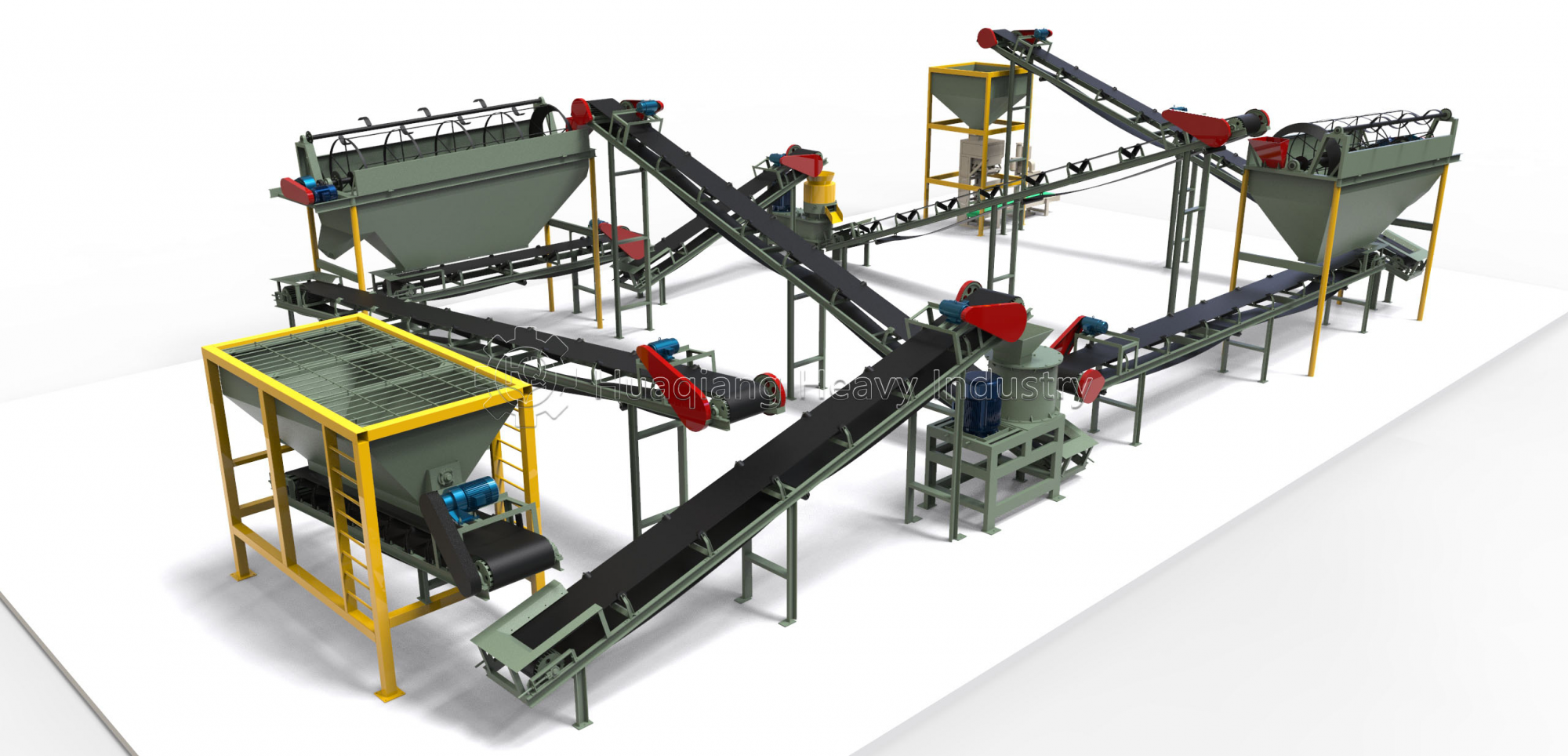
NPK Compound Fertilizer Manufacturing: Granulator Selection and Formulation Science

Introduction: The Union of Precision Nutrition and Efficient Production

In modern agricultural production, NPK compound fertilizers are highly favored because they can provide the three core elements—nitrogen (N), phosphorus (P), and potassium (K)—required by crops in a single application. However, transforming blended powdered raw materials into uniform, strong granules suitable for application and storage, and producing precise nutrient ratios for different crop needs, are two critical technical steps. These rely on selecting appropriate granulation equipment and scientific formulation design, respectively. Understanding the characteristics of mainstream granulators and the application scenarios of common NPK ratios provides important guidance for both fertilizer producers and agricultural practitioners.

I. Three Mainstream Granulators: Each with Its Strengths, Suiting Different Needs

The process of converting NPK compound fertilizer raw materials into granules is primarily achieved through physical or chemical agglomeration. Currently, there are three widely applied technological pathways in the market, corresponding to three core pieces of equipment.

1. Double Roller Extrusion Granulator: Representative of Energy-Efficient Dry Process

This equipment employs a “dry” granulation principle. It feeds uniformly mixed dry powder between two counter-rotating rollers. The roller surfaces are engraved with precise hemispherical molds (pockets). Under immense mechanical pressure (typically 20-50 MPa), the powder is forcibly compacted into dense sheets, which are then crushed and screened to obtain uniformly sized granules.

Core Advantages: The entire process requires no added water or binders and no subsequent drying, resulting in very low energy consumption and a simple process. The resulting granules are strong, dense, and resistant to caking, making them ideal for storage and long-distance transportation. The equipment investment is relatively low, and the compact structure makes it particularly suitable for small and medium-sized fertilizer plants with an annual output of 10,000 to 50,000 tons.

2. Rotary Drum Granulator: The Industrial Workhorse for Large-Scale Continuous Production

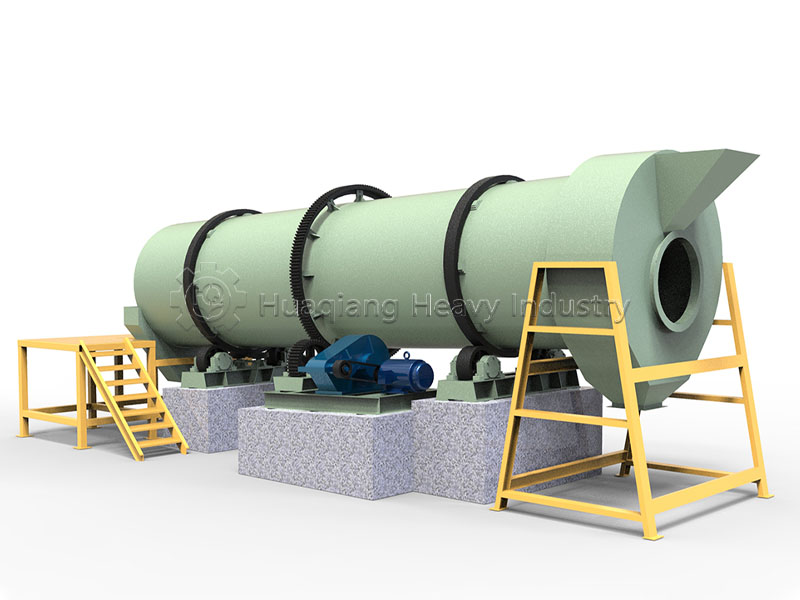
A rotary drum granulator is a large, slightly inclined rotating cylinder. Powdered raw materials continuously tumble inside the drum while an appropriate amount of water or steam is sprayed onto the material bed via nozzles as a binding medium. During the tumbling process, fine powder gradually agglomerates into balls, growing larger like “rolling a snowball.”

Core Advantages: Huge processing capacity, with single-machine output potentially reaching tens of tons per hour, making it ideal for achieving annual capacities of tens of thousands or even hundreds of thousands of tons. When using steam granulation, the heat and moisture provided by the steam promote the dissolution and recrystallization of salts in the material, forming stronger granules and reducing the subsequent drying load. The process is flexible, allowing control over granule size by adjusting liquid spray volume and drum parameters.

3. Disc Granulator: The Classic Choice for Flexible, Small-Batch Production

A disc granulator consists of an inclined, rotating shallow pan. Raw materials are fed from the top, and binder is sprayed from above. Under the combined effects of centrifugal force, gravity, and friction, the material moves along a spiral trajectory, continuously agglomerating into balls until qualified granules spill over the pan’s edge.

Core Advantages: The granulation rate is high, and the granules have good sphericity. The equipment is intuitive and easy to operate, allowing for easy observation and adjustment during the granulation process. It has low investment costs and a small footprint, making it ideal for small-scale fertilizer plants, pilot production lines, or the production of various types of specialty fertilizers in small batches.

II. Decoding NPK Formulations: The Agronomic Language Behind the Numbers

The numeric codes like “15-15-15” or “16-6-18” on the packaging are the “ID cards” of NPK compound fertilizers, representing the mass percentages of total nitrogen (N), available phosphorus (P₂O₅), and available potassium (K₂O), respectively.

1. Balanced Formulations: The Universal Foundation

Examples like “15-15-15” or “17-17-17” indicate equal content of the three nutrients. These fertilizers provide comprehensive and balanced “complete nutrition” for crops. They are suitable for the entire growth period of most field crops (e.g., wheat, corn, rice) or as a safe base fertilizer choice when soil nutrient status is unknown.

2. High Phosphorus-Potassium Formulations: Promoting Flowering and Fruit Setting

For example, formulas such as “15-10-20” or “11-6-23”. Phosphorus helps in flower bud differentiation and root development, while potassium promotes fruit enlargement, improves sweetness and color, and enhances stress resistance. Therefore, these formulas are particularly suitable for topdressing fruit trees, fruiting vegetables, and cucurbit crops during the flowering, fruiting, and fruit enlargement stages, effectively increasing yield and quality.

3. High Nitrogen Formulations: Promoting Vegetative Growth

Examples like “20-8-18” or “15-5-5.” Nitrogen is key for chlorophyll and protein synthesis and significantly promotes stem and leaf growth. These fertilizers are suitable for the rapid growth stages of leafy vegetables (e.g., spinach, lettuce) or for promoting seedling growth in grasses (e.g., turf, forage).

4. Customized Formulations: Precise Response

Many formulations are designed for specific regional soil conditions or special crop needs. For example, in potassium-deficient acidic red soils in southern regions, formulations with relatively high potassium content can be chosen. For chlorine-sensitive crops (e.g., tobacco, potatoes), sulfur-based compound fertilizers (using potassium sulfate as the potassium source) are needed instead of chlorine-based ones.

III. How to Match Equipment with Formulations?

Choosing a granulator and deciding which fertilizer formulations to produce require comprehensive consideration:

· Choose Equipment Based on Production Scale: Small factories or businesses producing a variety of products can choose disc granulators; medium-sized factories prioritizing cost-effectiveness and energy efficiency can opt for double-roller extrusion granulators; while large-scale industrial production requires the use of rotary drum granulators.

· Choose Equipment Based on Raw Material Characteristics: For heat-sensitive materials or when aiming to avoid adding a drying step, double roller extrusion is preferable; when utilizing chemical reactions (e.g., ammonium sulfate with phosphate rock), rotary drum steam granulation is often used.

· Determine Formulations Based on Target Market: Analyze the main crops, soil survey data, and farmers’ fertilization habits in the service area to determine 2-3 core formulations to promote, achieving precise product positioning.

Integrating Formulation Science with Production Efficiency

The efficient production of diverse NPK formulations relies on a sophisticated npk fertilizer manufacturing process. This process begins with precise formulation using a npk blending machine or npk bulk blending machine to ensure the exact nutrient ratio. The mixed powder then enters the granulation stage, the core of modern npk fertilizer production technology. Advanced npk granulation machine technology offers multiple pathways, including the use of a fertilizer roller press machine for dry compaction or other granulators for wet processes.

The choice of technology directly impacts both NPK compound fertilizer production capacity and the final NPK fertilizer production price. Efficient, high-capacity lines using specialized npk fertilizer granulator equipment can lower unit costs. The entire npk production process, from blending to shaping, must be optimized to balance product quality with economic viability. This integration of precise agronomic formulation with cost-effective, scalable manufacturing engineering is what enables the global supply of tailored, high-quality compound fertilizers that meet the specific needs of modern agriculture.

Conclusion

The production of NPK compound fertilizer is a perfect combination of mechanical engineering and agricultural science. From roller, drum to disc, each granulation technology provides an optimal solution for different production scenarios; from balanced, high-potassium to high-nitrogen, each formulation number carries a deep understanding of crop needs. For producers, wise choices mean higher efficiency, lower costs, and more competitive products; for growers, correct understanding means more scientific fertilization, higher yields, and more sustainable agriculture. In this era pursuing precision and efficiency, understanding these fundamental principles is the first step towards smart agriculture.

Disc Granulator: The Mainstay of Organic Fertilizer Wet Granulation

Introduction: A Granulation Powerhouse from Small Workshops to Scale Production

In the production process of organic fertilizers, transforming composted powdered organic raw materials into uniform, regular granules is a crucial step for product commercialization, facilitating storage, transportation, and mechanized application. Among various granulation equipment, the disc granulator, with its unique working principle, wide adaptability, and user-friendly cost, has become one of the most favored granulation devices for small and medium-sized organic fertilizer producers worldwide. It perfectly aligns with the requirements of wet granulation processes. Through a constantly rotating inclined disc, it magically transforms loose organic powder into solid pellets, serving as a vital bridge connecting organic waste resource recovery with modern agricultural application.

I. Working Principle: The Art of “Snowball Rolling” in a Rotating Disc

The working process of a disc granulator is a clever performance combining mechanics and physicochemical reactions. Its core is an inclined disc with a rim (typically adjustable between 30° and 45°), driven to rotate by a motor. Pre-mixed powdered organic fertilizer raw materials (such as composted livestock manure, fermented straw) are continuously and quantitatively fed into the disc.

As the disc rotates, the material begins to move under the combined action of three forces: gravity tends to make it slide downward; centrifugal force tries to throw it towards the rim; and the friction between the disc bottom and the material, as well as between material particles, provides complex tumbling momentum. The most critical step is that while the material is tumbling, water or a specialized binder solution is evenly sprayed onto the material through nozzles installed above the disc. These liquid droplets act as “adhesives,” coating the surface of the powder particles, reducing their surface energy, and forming liquid bridges upon particle collision.

Therefore, the fine powder particles begin to adhere to each other and aggregate, growing gradually around an initial core like a snowball, forming increasingly larger spherical particles. When the particles reach a certain size, the combined force of gravity and centrifugal force is sufficient to overcome the resistance at the edge of the disc, causing them to be “thrown” out of the disc, thus completing the granulation process. Subsequently, these wet “raw” granules need to enter a dryer and cooler to remove excess moisture and lower the temperature, ultimately becoming finished organic fertilizer granules with sufficient strength and acceptable moisture content (usually below 15%).

II. Core Advantages: Why is it Favored by Small and Medium-Sized Manufacturers?

The popularity of disc granulators in the organic fertilizer field stems from a series of outstanding practical advantages:

· Wide Raw Material Adaptability: Whether it’s composted pig manure, chicken manure, cattle manure, biogas residue, fermented straw, or food waste-derived fertilizer, as long as it is pre-processed into a suitable powdered state with controlled initial moisture content (typically 30%-35% is optimal), the disc granulator can process it effectively. Its pelletizing rate for common materials like pig manure can exceed 85%, significantly higher than some other types of granulation equipment.

· Low Cost and Easy Maintenance: The equipment structure is relatively simple, mainly consisting of the disc, drive unit, frame, and spray system, resulting in low initial investment cost and relatively economical operating energy consumption. With few mechanical parts, daily maintenance and cleaning are straightforward, requiring less technical skill from operators, making it ideal for small and medium-sized enterprises or cooperatives with limited capital and manpower.

· Low-Temperature Granulation, Preserving Activity: The entire granulation process occurs at ambient or slightly above ambient temperatures, avoiding the destruction of precious beneficial microbial communities, enzyme activity, and some heat-sensitive organic nutrients in the organic fertilizer, thereby maximizing the preservation of the fertilizer’s biological activity and nutritional value.

· Flexible and Easy to Control: By adjusting the disc’s rotational speed (many devices are equipped with frequency converters) and inclination angle, the residence time and movement trajectory of the material within the disc can be easily changed, effectively controlling the pellet size and density. This provides convenience for producing products of different specifications (e.g., 2-4mm, 4-6mm).

III. Application Challenges and Optimization Directions

Despite its evident advantages, disc granulators also face some challenges in practical application, which need to be addressed through precise operation and equipment improvement:

1. Dust and Working Environment: Due to open or semi-open operation, dust is easily generated during the feeding and initial granulation stages, affecting the workshop environment. Solutions include installing dust collection hoods connected to dust removal systems above the equipment and ensuring the raw material is not overly dry.

2. Pellet Uniformity Control: Compared to some high-pressure granulation equipment, disc granulators offer slightly less precision in controlling pellet size uniformity. This highly depends on operational experience, requiring precise regulation of multiple parameters such as raw material moisture content, binder addition rate, disc speed, and inclination angle. The introduction of automated control systems and online monitoring equipment helps stabilize product quality.

3. Wall Sticking Issues: When processing certain organic raw materials with high viscosity, the material tends to stick to the bottom of the disc, affecting pellet formation and discharge. Modern improved equipment often lines the inner wall of the disc with wear-resistant, anti-stick rubber or polymer lining plates and designs scraper devices to effectively mitigate this problem.

4. Lower Pellet Density: Pellets made by the rolling method typically have lower density and slightly lower hardness than those made by extrusion. While this benefits pellet disintegration in soil, it may also increase breakage rates during transportation. This can be improved by optimizing the formulation (e.g., adding appropriate mineral additives) and post-processing techniques (e.g., moderately increasing drying temperature).

Choosing the Right Granulation Path: Wet Shaping vs. Dry Compaction

The disc granulator is a cornerstone of wet granulation, specifically designed for disc granulator for shaping spherical pellets in processes like a disc granulation production line. Its gentle, rolling action is ideal for organic materials and contrasts with methods used in the standard npk manufacturing process, which often employs a rotary drum granulator for large-scale wet granulation or completely different technology for dry processes.

For dry granulation, the principle is fertilizer granules compaction, which utilizes a fertilizer compaction machine (also known as a fertilizer compactor). This equipment forms the core of a roller press granulator production line, applying high pressure to powders without binders. The choice between a disc granulator for wet shaping and a roller press for dry compaction depends on raw material properties, desired product characteristics, and production scale, highlighting the diverse technological options available in modern fertilizer manufacturing.

Conclusion

In summary, with its intuitive principle, strong adaptability, and high return on investment, the disc granulator holds an irreplaceable position in the global organic fertilizer industry, particularly in small and medium-scale production. It successfully transforms seemingly insignificant organic waste into standardized, commercialized agricultural inputs. With continuous technological improvements, such as the integration of better anti-stick materials, more intelligent control systems, and more efficient dust removal solutions, disc granulators will continue to enhance their performance and environmental standards, providing solid and reliable technical equipment support for the resource recovery cycle of organic waste and the development of sustainable agriculture.

Practical techniques for solving granulation and caking problems in new type organic fertilizer granulators

In the core process of the bio-organic fertilizer production line, the new type organic fertilizer granulator, as a key piece of bio-organic fertilizer equipment, requires special attention to the caking problem that occurs during granulation. By identifying the root causes and making scientific adjustments, this problem can be effectively solved. The following are some practical techniques:

First, strictly control the raw material pretreatment process. Excessive raw material moisture content is one of the core reasons for caking. If the organic fertilizer raw materials have a high moisture content, they are prone to sticking together during granulation. It is recommended to use a drying device to control the moisture content of the raw materials between 25% and 35%.  Alternatively, the moisture content can be adjusted by adding an appropriate amount of dry auxiliary materials (such as straw powder or peat). At the same time, screening equipment should be used to remove impurities and large hard lumps from the raw materials to prevent localized caking.

Secondly, adjust the operating parameters reasonably. Different models of new type organic fertilizer granulators have different requirements for rotation speed and pressure. Too fast a rotation speed can lead to excessive compression and caking of the material, while too slow a speed will prevent the formation of qualified granules. The main shaft speed and granulation pressure of the granulator should be gradually adjusted according to the characteristics of the raw materials to ensure uniform mixing and appropriate compression of the material in the chamber.

Finally, optimize the production environment and post-processing. High humidity in the production workshop will accelerate moisture absorption and caking of the granules. It is recommended to keep the workshop ventilated and dry, and to equip it with dehumidification equipment if necessary. After granulation, the granules should be promptly sent to cooling and screening equipment. Air cooling should be used to reduce the temperature of the granules, and the large lumps of caked material should be screened out to prevent them from accumulating and sticking together.

Through the above targeted adjustments, the granulation and caking problems of the new type organic fertilizer granulator can be effectively solved, ensuring the stable operation of the bio-organic fertilizer equipment and the continuity of the bio-organic fertilizer production line, and improving product quality.

Analysis of key factors affecting the quality of organic fertilizer granules

The quality of organic fertilizer granules directly impacts fertilization effectiveness, ease of storage and transportation, and product market competitiveness. Its formation process is constrained by multiple factors in the production chain.

Raw material characteristics are fundamental. The organic matter content, particle size distribution, and impurity content of the raw materials are crucial. The organic matter content needs to be maintained within a suitable range; too low a content will lead to poor granule formation and insufficient strength. Uneven raw material particle size can easily result in inconsistent granule size. It is recommended to crush the raw materials to a reasonable fineness beforehand, and then thoroughly mix and screen them to remove impurities using a fertilizer mixer machine. Furthermore, an imbalance in the carbon-nitrogen ratio of the raw materials will affect the subsequent fermentation process, indirectly leading to easily loosened granules.

Moisture content is a core condition for granulation. During granulation, the moisture content of the raw materials needs to be controlled between 25% and 35%. Excessive moisture can easily cause granules to stick together and clump, and may also lead to secondary fermentation during storage; insufficient moisture results in poor raw material fluidity, making it difficult to agglomerate and form granules, which are then prone to breakage. During production, the moisture content needs to be dynamically adjusted based on the type of raw material and the operating status of the bio-organic fertilizer equipment to ensure the stability of the granulation process.

Fertilizer granulator parameters and fermentation process should also not be overlooked. The speed, pressure, and inclination angle of different types of fertilizer granulators (such as disc granulators and flat die pelleting machines) directly affect the uniformity and strength of the granules; insufficient fermentation and maturation in the early stages will lead to residual undecomposed substances in the raw materials, resulting in a loose internal structure of the granules and making them prone to cracking and pulverization.

In summary, controlling key aspects such as raw material screening, fertilizer mixer blending, moisture adjustment, fertilizer granulator debugging, and fermentation control is essential to consistently produce high-quality organic fertilizer granules.

A powerful and efficient granulator for multiple applications: The ideal choice for organic fertilizer production

In the field of pellet processing, disc granulators have become popular equipment due to their superior performance, especially in organic fertilizer production. They are a core component of organic fertilizer disc granulation production lines, providing efficient solutions for pellet processing across multiple industries.

This organic fertilizer disc granulator boasts significant advantages, achieving a pelleting rate exceeding 95%. Its main gear undergoes high-frequency quenching treatment, effectively doubling its service life and significantly reducing maintenance costs. Its core component is an adjustable tilting disc with an adjustable tilt angle (30°-60°) and rotation speed (5-30 rpm). The disc’s inner wall is lined with wear-resistant material, allowing it to adapt to materials with different properties—from livestock manure and fermented straw in organic fertilizer production to iron ore powder in the metallurgical industry and cement raw materials in the building materials industry—all can be efficiently converted into pellets.

In the organic fertilizer production process, its operating logic is clear and efficient. First, the organic raw materials are pulverized to 0.1-1mm using a fertilizer crusher. After thorough mixing in a fertilizer mixer machine, they are evenly fed into a disc by a feeding device. Simultaneously, a water spraying device precisely controls the moisture content, maintaining the material’s moisture content at 10%-20%. As the disc rotates, the material is rolled into spheres under centrifugal force and friction. Particles with a sphericity exceeding 80% are screened by a fertilizer screener machine. Qualified products proceed to the subsequent drying stage, while unqualified particles are returned for reprocessing, ensuring stable finished product quality.

Besides organic fertilizer, it is also widely used in the metallurgical, building materials, and chemical industries: in metallurgy, it is used for granulation of mineral powder to facilitate subsequent sintering and smelting; in building materials, it is used to produce cement raw material granules to improve cement quality; and in chemicals, it is used for granulation of catalysts and pigments to enhance product flowability.

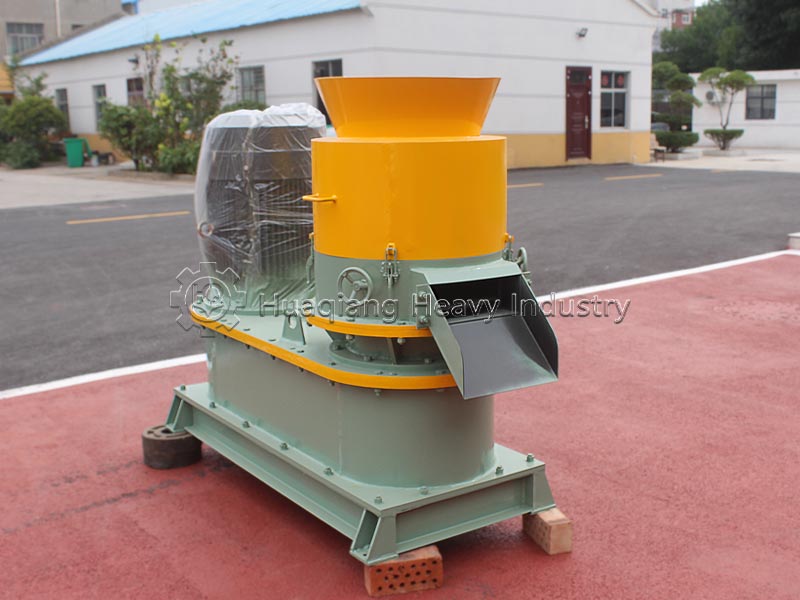
Flat Die Pelleting Machine: The optimal choice for small-scale production

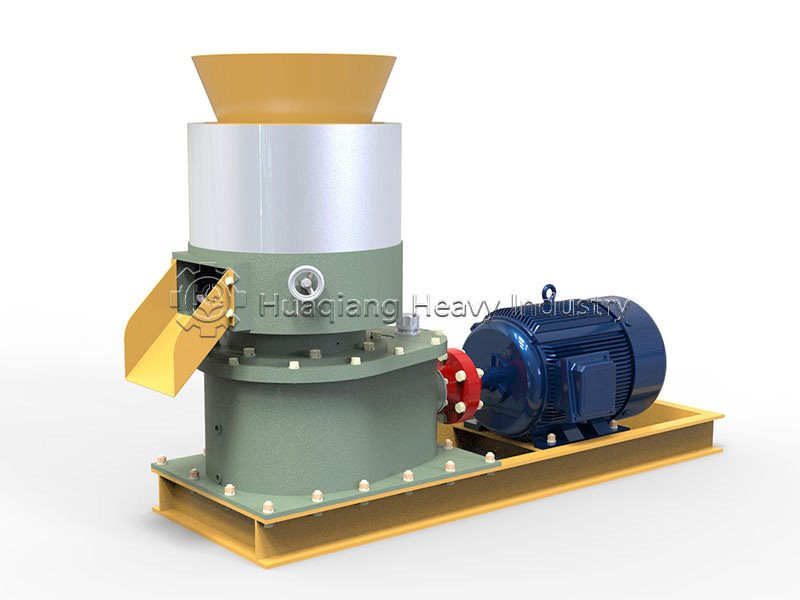
On farms, in small workshops, or on organic fertilizer production lines, you often see a compact and simple machine—the . It compresses various loose biomass raw materials, such as straw, sawdust, feed, and even animal manure, into dense, solid pellets. How does this machine actually work? And what are its unique advantages?

Working Principle: The Union of Pressure and Nature

The core working principle of the flat die pelleting machine is clever and efficient. After the operator feeds the raw material into the hopper, the press rollers inside the machine begin to rotate, forcing the material against a flat die plate with many small holes. Under the high pressure and the heat generated by friction, the lignin in the biomass raw material (especially plant-based material) softens, acting as a natural binder that tightly bonds the material together. Finally, it is extruded through the small holes, forming uniform cylindrical strands. A cutter then chops these “strands” into pellets of standard length.

The entire process essentially mimics nature’s compaction process but greatly accelerates and standardizes it through mechanical force.

Core Features: Simple, Flexible, User-Friendly

The design of the flat die pelleting machine fully considers the practical needs of small-scale production, boasting several standout features:

Simple and Compact Structure: It mainly consists of a flat die, press rollers, a transmission device, and a feeding system. Its mechanical structure is straightforward, and it has a small footprint, making it very suitable for locations with limited space.

Wide Raw Material Adaptability: It can handle everything from agricultural waste (straw, rice husk) and feed ingredients (corn, soybean meal) to organic fertilizer materials (livestock and poultry manure). It also offers good tolerance for variations in particle size and moisture content (typically between 10%-20%).

Adjustable Pellet Specifications: By replacing the flat die plate with different hole diameters (commonly 2-12 mm), pellets of various sizes can be produced to meet different needs for feed, fuel, or fertilizer.

Easy Operation and Maintenance: Most models use manual or semi-automatic feeding, making them easy to operate. Daily maintenance primarily involves lubrication and cleaning, and core components like the flat die and rollers are also easy to disassemble and replace.

Relatively Low Energy Consumption: Compared to ring die pellet mills of similar output, small and medium-sized flat die mills have lower power requirements, helping to reduce operating costs for small-scale production.

Unique Advantages: The Ideal Choice for Small-Scale Production

Based on these features, flat die pelleting machines demonstrate significant advantages in small-scale application scenarios:

Low Investment Cost: The equipment itself has a relatively low manufacturing cost and an affordable price. It often doesn’t require complex supporting pre-processing equipment (like fine grinders), leading to a short investment payback period. This makes it ideal for individuals or small businesses with limited budgets.

High Flexibility and Mobility: Many models are designed with wheels, allowing them to be easily moved to the location of the raw materials for on-site processing. This avoids the high cost and hassle of transporting large volumes of loose raw materials (like whole bales of straw), enabling an efficient “bring the machine to the material” model.

Versatility: The same machine, by changing the die and adjusting parameters, can produce livestock feed, biomass fuel pellets, and organic fertilizer, greatly enhancing equipment utilization and economic value.

Reliable Pellet Quality: The produced pellets have uniform density and moderate hardness. They offer good palatability as feed, high combustion efficiency as fuel, and are easy to store and transport.

Granulation Equipment Spectrum: From Small-Scale to Industrial Production

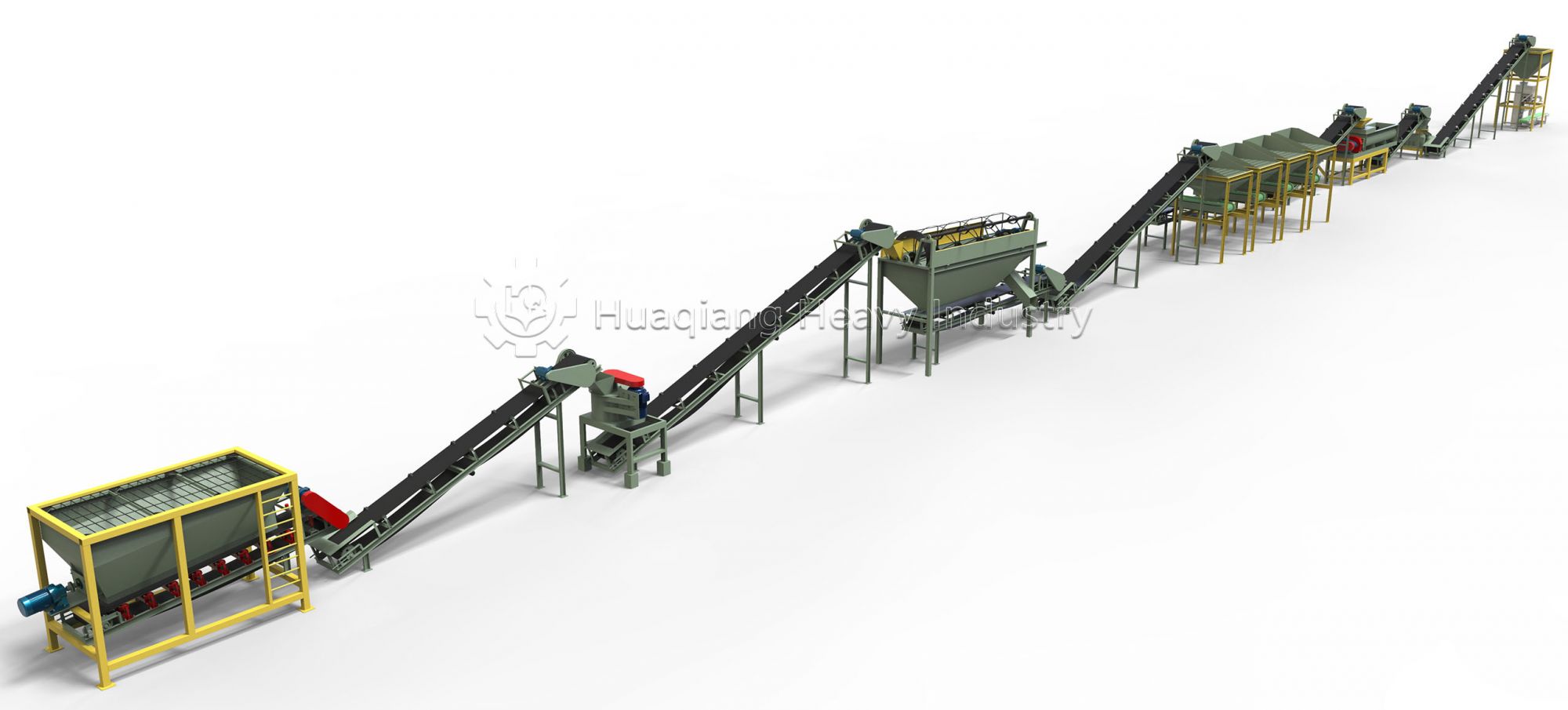
The flat die pelleting machine occupies a specific niche within the wide array of fertilizer granulation processes. It is an ideal solution for small-scale or on-site processing of organic materials, contrasting with the large-scale systems used for compound fertilizers. Industrial-scale npk fertilizer production line operations employ different core technologies, such as a disc granulator for shaping spherical pellets in a disc granulation production line, or a double roller press granulator in a roller press granulator production line for dry compaction.

For organic fertilizer, the production chain often begins with a windrow composting machine before the material enters a formal organic fertilizer production line or a bio organic fertilizer production line. These lines may use various fertilizer granulator types, including the disc granulator machine, depending on the product specification. The npk blending machine is a critical component in compound fertilizer lines for precise formulation before granulation. This diversity in equipment—from the simple flat die press to complex industrial systems—highlights how fertilizer granulation processes are tailored to scale, raw material, and final product requirements, ensuring efficient production across the entire spectrum of modern fertilizer manufacturing.

Conclusion

The flat die pelleting machine is like a “small but capable” workhorse. It may not have the staggering output of large ring die production lines, but with its low cost, high flexibility, ease of operation, and strong raw material adaptability, it plays an irreplaceable role in small-scale production, decentralized processing, and localized resource utilization. Whether it’s turning agricultural waste into valuable products or producing custom feed for one’s own farm, the flat die pelleting machine offers an efficient and practical solution.

Fertilizer Wet Granulation: Scientifically Transforming Powder into Efficient Granules

Wet granulation is a critical shaping technology in fertilizer production, converting fine powder raw materials into uniform, stable granules through liquid binders. This process not only enhances the physical properties of fertilizers but also maximizes their effectiveness in storage, transportation, and application. For global agriculture, uniform granular fertilizers mean more precise fertilization and higher resource utilization efficiency.

Raw Material Pretreatment: Ensuring Quality Foundation

Wet granulation begins with meticulous preparation of raw materials. Commonly used fine powder materials in fertilizer production, such as urea and phosphates, are first screened and weighed. Lumps and impurities are removed using vibrating screens or air-jet sieves to ensure purity. Controlling initial moisture content is crucial—typically maintained below 5%—to prevent caking issues in subsequent processes and establish a stable foundation for the entire granulation. For certain moisture-sensitive materials, small amounts of anti-caking agents, such as talc, may be added to further improve handling properties.

Binder Preparation: Creating the Binding Medium

The binder serves as the “binding medium” in wet granulation, tightly connecting powder particles. In the fertilizer industry, commonly used binders include natural materials like starch or synthetic materials like polyvinyl alcohol. These binders are usually dissolved in water due to its low cost and environmental safety; for certain special materials, organic solvents like ethanol may be used. Through uniform mixing in a stirrer, a binder solution with appropriate concentration is formed and then cooled to room temperature for use. The type and concentration of the binder directly affect the final strength and dissolution characteristics of the granules.

Mixing and Granulation: The Core Forming Process

This is the central part of the entire process. In large-scale rotary granulators or high-shear mixers, dry fertilizer powders are first briefly dry-mixed to ensure even distribution of all components. Then, the binder solution is gradually added through a precision spraying system while the equipment continues to agitate. As the liquid wets the powder, fine particles begin to adhere to each other, gradually forming larger agglomerates.

Operators need to closely monitor this process, adjusting the stirring speed (typically within the range of 500-1500 rpm) and binder addition rate to avoid over-wetting (which causes clumping) or under-wetting (resulting in insufficient granule strength). In fertilizer production, this step often employs efficient large-scale equipment to meet mass production demands.

Wet Screening: Optimizing Granule Uniformity

To further ensure consistency in granule size, the newly formed wet granules may be classified using vibrating screens. This step breaks down oversized lumps and controls the granules within an ideal range (usually 10-20 mesh). Screened granules are more uniform, facilitating subsequent drying and ensuring stable quality of the final product. For small-scale production or special formulations, manual sieving may also be employed.

Drying and Solidification: Stabilizing Granule Structure

Moist granules contain significant water content and require drying for solidification and stabilization. In the fertilizer industry, fluidized bed dryers are widely used, where hot air fluidizes the granules for rapid and uniform drying. Drying temperatures are typically controlled between 40-80°C to avoid degradation of heat-sensitive components in the fertilizer. The goal is to reduce granule moisture content to 1-3% while maintaining structural integrity and hardness. Drying time and air velocity are finely adjusted based on granule size and material characteristics.

Final Screening and Sizing: Perfecting the End Product

Dried granules undergo final sieving using 16-40 mesh screens to separate high-quality granules that meet specifications. Oversized granules can be appropriately crushed in mills and re-screened, while fine powder can be recycled and mixed with new raw materials to re-enter the granulation process. This recycling approach reduces raw material waste and improves production efficiency. The final granulated fertilizer obtained has a uniform particle size distribution, ensuring even spreading and consistent dissolution during field application.

Technological Value and Application Prospects

Fertilizer granules produced through wet granulation offer multiple advantages: improved flowability facilitates mechanized application; higher bulk density reduces storage and transportation costs; controllable dissolution rates meet the nutrient needs of different crops. With the development of precision agriculture, wet granulation technology will continue to innovate, making greater contributions to global food production and sustainable development.

Integrating Wet Granulation into Organic Fertilizer Manufacturing

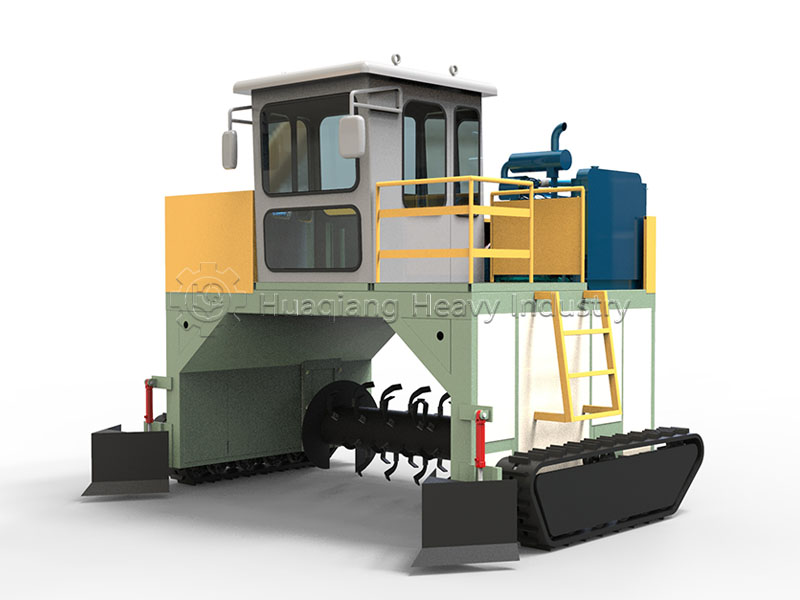
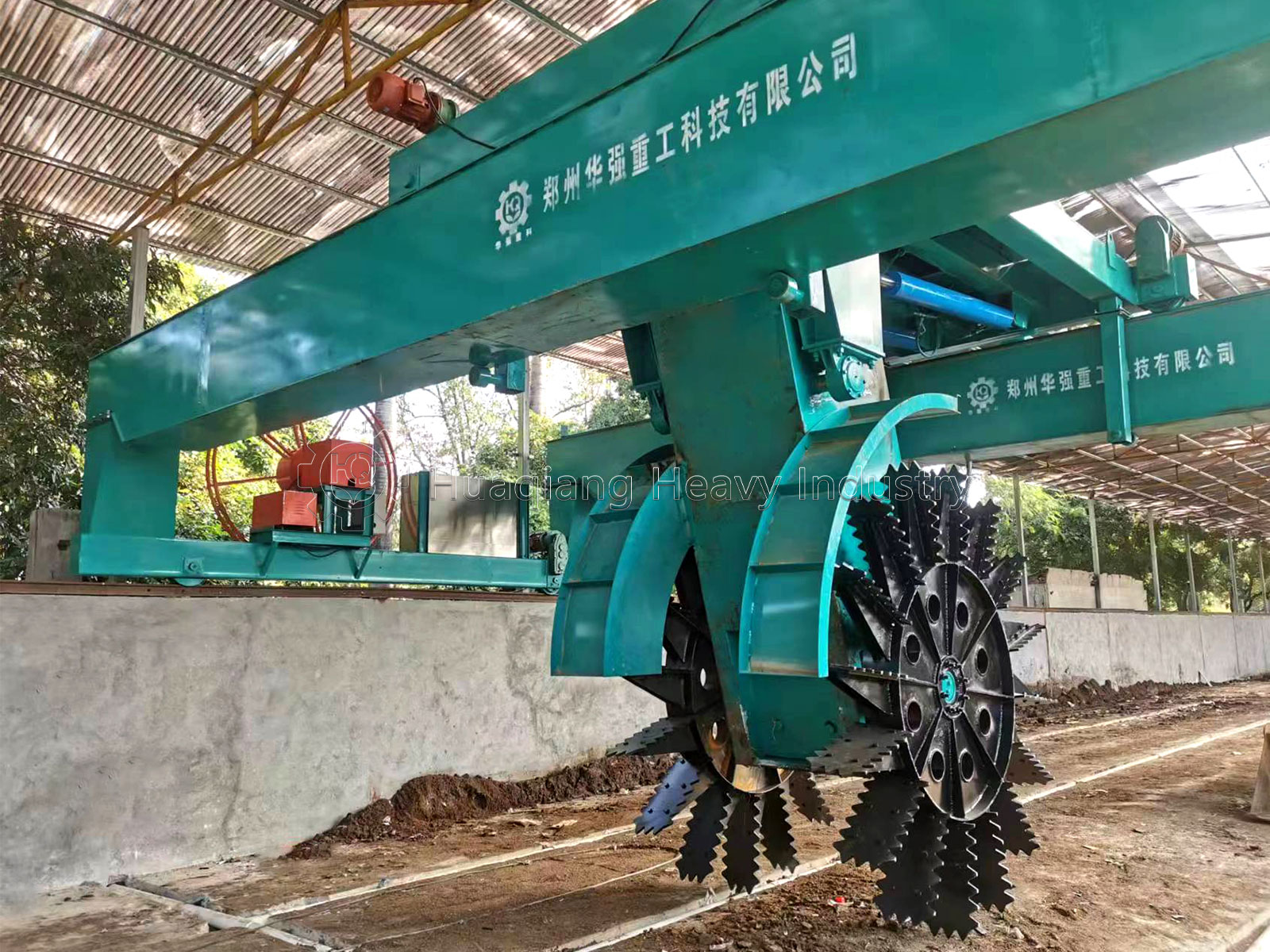
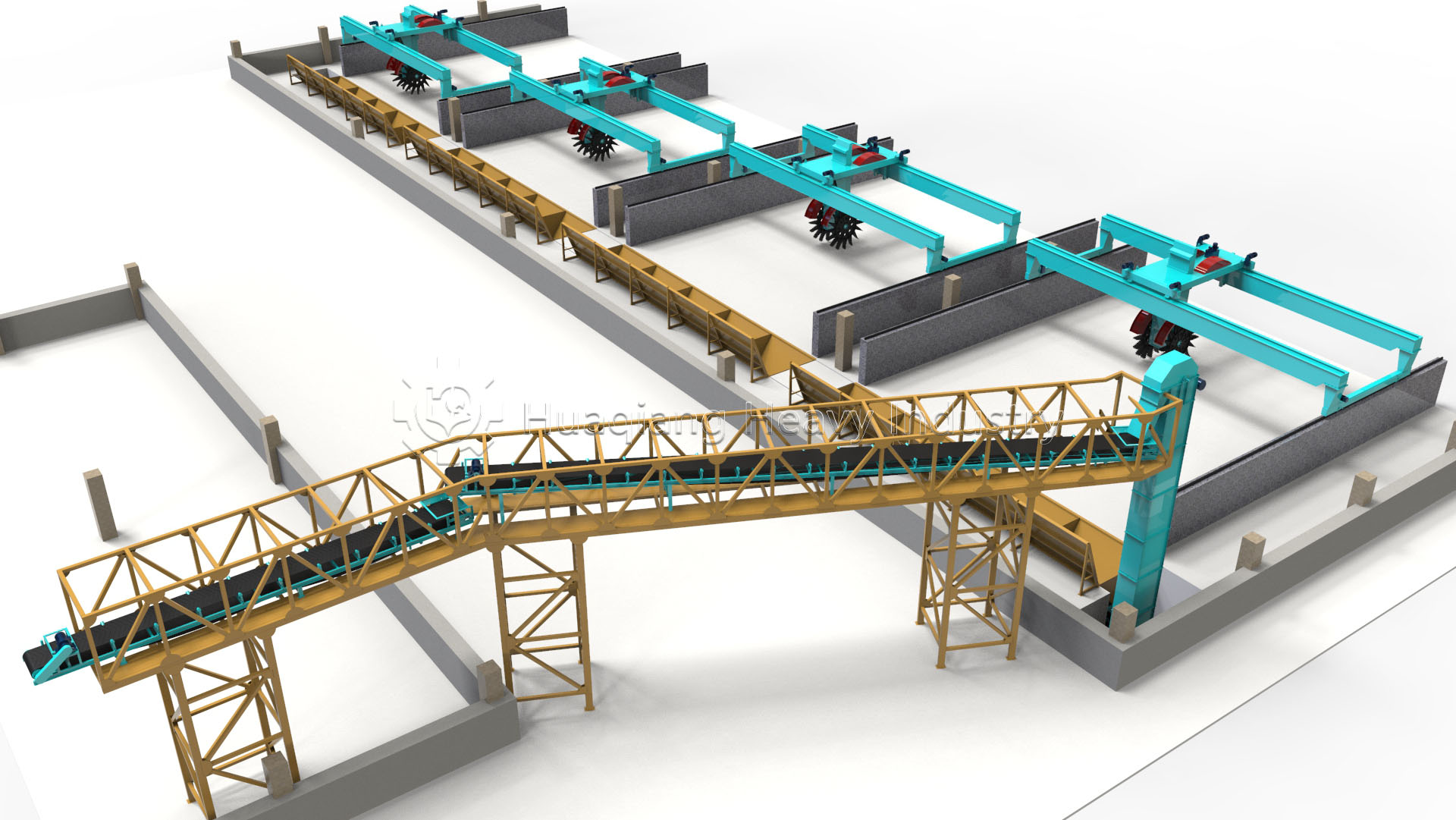
While wet granulation is a key shaping technology for many fertilizers, its integration into organic systems begins much earlier. The complete organic fertilizer production line starts with the organic fertilizer fermentation process, optimized by advanced fermentation composting turning technology. This is implemented using specialized turning equipment like the chain compost turning machine, chain compost turner, and large wheel compost turner to ensure efficient aerobic decomposition. The resulting stabilized compost is then ready for the granulation stage.

For shaping, the production line utilizes an organic fertilizer granulator. Modern solutions include the new type two in one organic fertilizer granulator, which combines mixing and granulation steps for efficiency. This equipment is a core component of both standard and bio organic fertilizer production line configurations, transforming the composted material into uniform, market-ready pellets. This integrated approach—from biological decomposition through optimized fermentation to controlled wet granulation—ensures the production of high-quality organic fertilizers with excellent physical properties for storage, handling, and effective field application.

How does a cage crusher work?

On the fertilizer production line, how to efficiently and gently turn caked raw materials into uniform fine powder is a key technology. The cage crusher (also known as a cage mill) is precisely the ingenious equipment designed for this task. Unlike traditional hammer mills that rely on brute force, it achieves thorough grinding through clever “multiple collisions.”

Core Structure: Two Cages Rotating in Opposite Directions

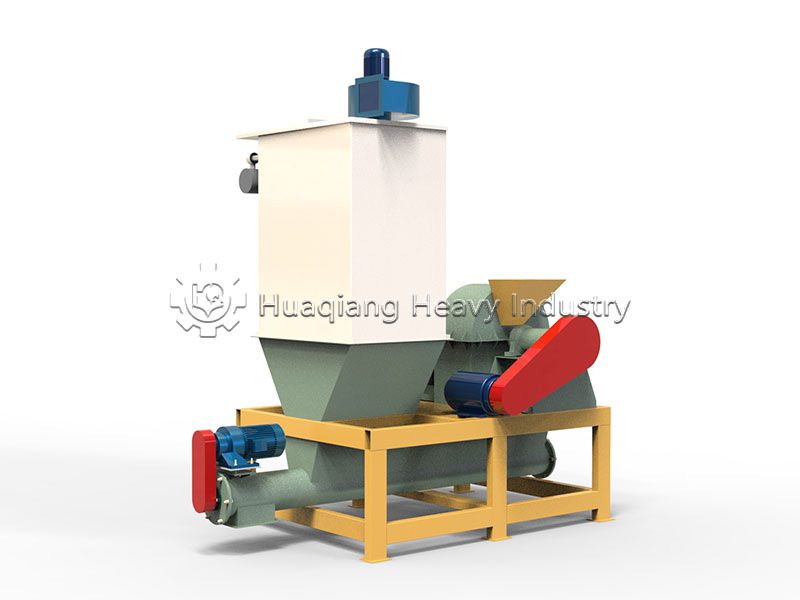
The core design of the cage crusher is highly ingenious. It mainly consists of two concentrically installed “cages”—an inner cage and an outer cage. Each cage resembles a rotating wheel equipped with multiple layers of hard alloy rods (called cage pins). Most crucially, these two cages are driven by a motor to rotate at high speed in opposite directions. This is the secret to its efficient crushing.

Four-Step Grinding: A Precisely Designed Collision Journey

The material’s journey inside the machine is an efficient multi-stage grinding process:

Feeding: Caked organic fertilizer or large fertilizer granules are fed from the top inlet, dropping into the center of the high-speed rotating inner cage.

Primary Crushing (Collision with the Inner Cage): The material is immediately struck violently by the cage pins on the inner cage, breaking large chunks into smaller fragments for the first time. Simultaneously, the centrifugal force generated by the high-speed rotation flings these fragments outward at extremely high speed, directly toward the outer cage.

Fine Crushing (Reverse Collision and Inter-Particle Collision): This is the most remarkable part. The outward-projecting fragments collide head-on with the cage pins of the outer cage, which is rotating in the opposite direction at high speed. This “head-on collision” creates a tremendous relative speed and shearing force, further refining the material.
Furthermore, some particles rebounding after hitting the outer cage or the machine housing will collide violently with other particles still flying outward. This “inter-particle collision” significantly increases grinding efficiency while reducing direct wear on the cage pins.

Screening and Discharge: A screen is located at the bottom of the crushing chamber. Only fine powder that meets the required particle size can pass through the screen holes and be discharged as the finished product. Oversized particles remain in the chamber to continue this collision journey until they meet the standard.

Unique Advantages: Gentle, Uniform, and Efficient

This unique working principle gives the cage crusher irreplaceable advantages:

Multi-Stage Gentle Grinding: It doesn’t rely on a single heavy blow but uses accumulated energy from multiple collisions to break the material. This method generates less heat, effectively protecting heat-sensitive nutrients (like nitrogen) in organic fertilizers from loss due to high temperatures.

Uniform Particle Size, Low Over-Grinding: The final particle size is precisely controlled by the bottom screen, effectively preventing the production of excessive ultra-fine powder. This makes it especially suitable for fertilizer granulation processes that require uniform particle size.

Strong Adaptability: It can handle both medium-hard chemical fertilizer return materials and damp, caked organic fertilizer. It is particularly adept at processing brittle and slightly fibrous materials.

Relatively Low Wear: Since “inter-particle collision” handles a large part of the grinding work, the wear on the cage pins themselves is reduced, leading to a longer service life and lower maintenance costs.

From Size Reduction to Granulation: A Complete Organic Workflow

The cage crusher serves as a critical pre-processing unit within a comprehensive suite of fertilizer production machine equipment. Its gentle, multi-stage grinding is essential for preparing uniform raw materials for the subsequent organic fertilizer fermentation process. Efficient decomposition during this phase is achieved through advanced fermentation composting turning technology, implemented with specialized fertilizer making machine equipment such as the trough-type compost turner, large wheel compost turner, or chain compost turner.

Following complete stabilization, the matured compost, now part of the equipments required for biofertilizer production, proceeds to the final shaping stage. This is typically accomplished using a disc granulation production line, which transforms the finely ground and fermented organic matter into uniform, market-ready pellets. This integrated workflow—from gentle size reduction and optimized biological decomposition to precision granulation—demonstrates the synergy between different specialized machines to efficiently convert organic waste into high-value, effective soil amendments.

Conclusion

The cage crusher is like an artist skilled in “Tai Chi.” It transforms direct impact into clever multiple collisions, decomposing fertilizer raw materials just right with lower energy consumption and a gentler approach. In modern chemical and organic fertilizer production, which emphasizes nutrient preservation and particle size control, its efficiency, uniformity, and gentleness make it one of the key pieces of equipment ensuring quality in the pre-processing stage. It guarantees that every particle of raw material enters the granulation phase in optimal condition, laying a solid foundation for the final production of high-quality fertilizer products.

Shaping Fertilizer: Tackling the Granulation Challenge of Ammonium Chloride

 In modern agriculture, nitrogen fertilizer is crucial for ensuring food production. However, one efficient and inexpensive nitrogen source—ammonium chloride—has been hindered from reaching its full potential due to a “physical flaw”: it’s notoriously difficult to form into granules.

Why Granular Fertilizer Matters

Imagine two types of fertilizer: one is a light powder that can easily blow away in the wind; the other consists of uniform, sturdy pellets. Which one is preferable? The answer is clear. Granular fertilizer is easier to spread mechanically, allows for precise dosage control, releases nutrients more steadily, and suffers minimal loss during transport and storage. Therefore, “granulation” is a key step in fertilizer production.

Nitrogen fertilizers like urea and ammonium sulfate can be granulated relatively easily. But ammonium chloride is a stubborn exception. Due to the strong ionic bonds between its ammonium and chloride ions, traditional tumble-granulation methods are largely ineffective. In the past, factories had to resort to “extrusion granulation” technology—forcing the material through a die to form strands, which are then cut into pellets, much like making noodles. This method not only causes severe equipment corrosion but is also energy-intensive, low-yielding, and costly. Consequently, ammonium chloride has typically been sold as a powder or used as a minor component in compound fertilizers, limiting its widespread application.

The Search for a “Binder”: From Failure to Breakthrough

How can loose ammonium chloride powder be made to coalesce into solid, individual pellets? The key for researchers was to find an effective “binder.” It’s similar to baking, where you need the right ingredients to bind the flour together.

The research team tested a wide variety of potential binders, including fly ash, zeolite powder, kaolin, and even various sulfates and chlorides. Most results were unsatisfactory: either the binding effect was too weak, leading to excessively long granulation times; or the resulting pellets were too fragile, crumbling easily; or the pellet shape was too irregular for practical use.

A turning point came with a substance called polyaluminum chloride (PAC). PAC is commonly used as a coagulant in water treatment, causing impurities in water to clump together and settle. It was this very “agglomerating” property that gave researchers hope.

The Magic of “Binding” and “Assistance”

Experiments revealed that when powdered polyaluminum chloride was mixed with ammonium chloride, along with a small amount of urea as a “granulation aid,” something remarkable happened. In a disc granulator at room temperature, the mixture could quickly and efficiently form uniform, round pellets.

The scientific principles behind this are quite ingenious:

Overcoming Electrostatic Repulsion: Tiny ammonium chloride particles repel each other due to similar surface charges, making aggregation difficult. PAC releases a multitude of highly positive-charged ions in water. This “army of positive charges” can effectively neutralize the negative charges on the powder surfaces, weakening electrostatic repulsion and clearing the path for particle agglomeration.

Building “Molecular Bridges”: The PAC molecule structure features numerous active groups. These act like tiny “hands” that can grab onto multiple ammonium chloride particles simultaneously, forming strong “particle-polymer-particle” composite bridges between them, thereby helping small particles grow into larger ones.

Urea’s Crucial Assist: Using PAC alone showed improvement, but adding urea led to a leap in granulation speed and quality. Urea and ammonium chloride can interact at a microscopic level to form a stable inclusion compound. This structure further reinforces the internal molecular network of the pellet, making it denser and stronger.

Ultimately, the research team identified a “golden formula”: a mixture of ammonium chloride, urea, and PAC in a mass ratio of approximately 74:18:8. Pellets produced with this formula achieved an average hardness of about 20 Newtons, fully meeting the strength requirements for practical application.

New Hope for Greener Agriculture

The success of this research is more than just a technical breakthrough. Ammonium chloride itself is a high-quality nitrogen fertilizer with good nitrogen use efficiency and low cost. Enabling its efficient, low-cost granulation means farmers could have access to a more economical, user-friendly, and equally effective granular nitrogen fertilizer option in the future.

The deeper significance lies in environmental protection. Nitrogen fertilizer loss is a major contributor to issues like water eutrophication and soil acidification. Granulated ammonium chloride, due to its slower release and physical stability, can reduce losses from volatilization and leaching during application. This improves fertilizer use efficiency and helps mitigate agricultural non-point source pollution at its source.

From a difficult-to-handle powder to smooth, robust pellets, the “shaping” journey of ammonium chloride is a vivid example of how science and ingenuity can transform a challenge into an opportunity. It shows us that through a deep understanding and clever application of material properties, we can add a vital building block to the foundation of sustainable agriculture.

From Scientific Breakthrough to Industrial Production

The successful development of an effective binder for ammonium chloride granulation is a prime example of innovation within npk fertilizer production technology. This advancement must be integrated into the broader npk fertilizer manufacturing process to be commercially viable. The process would begin with precise raw material formulation, potentially using a npk blending machine or npk bulk blending machine to mix the ammonium chloride, urea, and binder in the correct ratio.

This uniformly mixed powder would then proceed to the granulation stage of a complete npk fertilizer production line. Specialized npk granulation machine technology would be employed, utilizing equipment such as a npk fertilizer granulator machine (like a disc granulator) designed to handle the specific properties of the formulated mix. The integration of such specialized formulations and binders into established production systems demonstrates how npk fertilizer production technology continuously evolves, enabling the efficient manufacturing of a wider range of high-quality, user-friendly, and environmentally considerate fertilizer products for global agriculture.

The Three-Layer “Smart” Fertilizer: One Watering, Long-Term Care

For all plants, growth depends on two things: fertilizer and water. However, traditional agriculture faces a significant dilemma: a large portion of the applied chemical fertilizers is not absorbed by plants but is instead wasted into the environment. This not only represents a huge waste but also pollutes water and soil.

Today, a new type of “smart” fertilizer offers hope for solving this problem. It is like a carefully designed “nutrient capsule” that can intelligently control the release of nutrients and lock in moisture like a miniature reservoir.

The Dilemma of Traditional Fertilizers: Quick to Come, Quick to Go

Traditional chemical fertilizers, such as NPK compound fertilizers, dissolve rapidly. Once applied to the soil, a heavy rain or a few rounds of irrigation can wash away a large amount of nutrients. Statistics show that in ordinary fertilizers, 40%-70% of nitrogen, 80%-90% of phosphorus, and 50%-70% of potassium cannot be effectively used by crops and are directly lost.

This is like giving a thirsty person a large bucket of water; they only have time to take a few sips before most of it spills on the ground. It neither quenches thirst nor avoids waste and pollution.

Three-Layer Structure: An “Intelligent” Design with Distinct Roles

Inspired by “capsules” and “sponges,” scientists have designed a three-layer controlled-release and water-retaining composite fertilizer.

Core: The Nutrient Warehouse
The innermost part is a standard water-soluble NPK fertilizer granule, storing the core nutrients needed for plant growth.

Middle Layer: The Smart Valve (Chitosan Coating)
The core is wrapped in a layer of natural material called “chitosan,” derived from shrimp and crab shells, which is biodegradable. This membrane acts like an intelligent regulating valve, slowing down the dissolution rate of the inner fertilizer granule. It allows nutrients to be released slowly and continuously, synchronizing with the plant’s growth needs.
Outer layer: Micro-reservoirs (superabsorbent polymer)

The outermost layer is made of a superabsorbent polymer material that can absorb dozens or even hundreds of times its own weight in water. In the soil, it acts like countless tiny reservoirs, securely holding irrigation water or rainwater, reducing water evaporation and deep percolation. When the soil dries out, it slowly releases the water back to the plant roots.


Multiple Advantages in One

This three-layer “smart” fertilizer combines the dual benefits of slow-release fertilizer and water-retaining agent:

Saves Fertilizer: Slow nutrient release significantly improves utilization efficiency, reducing the amount and frequency of fertilization.

Saves Water: Powerful water retention reduces irrigation demands, making it particularly suitable for arid regions.

Environmentally Friendly: The coating materials (chitosan and polymer) can degrade naturally in the soil, reducing environmental pollution.

Promotes Growth: Stable supply of water and nutrients creates a better growing environment for plants.

Experiments show that this fertilizer can absorb 70 times its own weight in water within 90 minutes and exhibits excellent slow-release properties in the soil.

Green Agriculture for the Future

This three-layer “smart” fertilizer represents an important direction in agricultural technology: achieving higher yields with fewer resources while protecting our fragile environment. It is not only a “nutrient package” for plants but also a sustainable gift to the land.

Moving from the laboratory to the fields, such innovative technologies have the potential to help farmers worldwide address challenges like water scarcity and environmental pollution, paving new paths for ensuring food security and achieving green agriculture.

From Innovation to Industry: Manufacturing the Next Generation of Fertilizers

The creation of advanced “smart” fertilizers with controlled-release and water-retaining layers begins with a sophisticated industrial foundation. The core nutrient pellet is manufactured using established npk fertilizer production technology within a complete npk fertilizer production line. This process starts with precise formulation using a npk blending machine or a bulk blending fertilizer machine. The mixed powder then undergoes fertilizer granulation via advanced npk granulation machine technology, utilizing equipment like a npk fertilizer granulator machine or a fertilizer roller press machine.

The entire npk fertilizer manufacturing process, central to the manufacturing of npk fertilizer, must ensure the production of high-quality, uniform base granules before the advanced coating can be applied. Factors such as NPK compound fertilizer production capacity and NPK fertilizer production price are influenced by the efficiency of this core granulation stage and the integration of specialized npk fertilizer machine systems. The successful industrial-scale production of these innovative fertilizers demonstrates how cutting-edge material science must be seamlessly integrated with precision manufacturing processes to deliver sustainable agricultural solutions that enhance nutrient and water use efficiency on a global scale.